Nepal
Bagmati Province, Nepal — Towns & Travel Guide
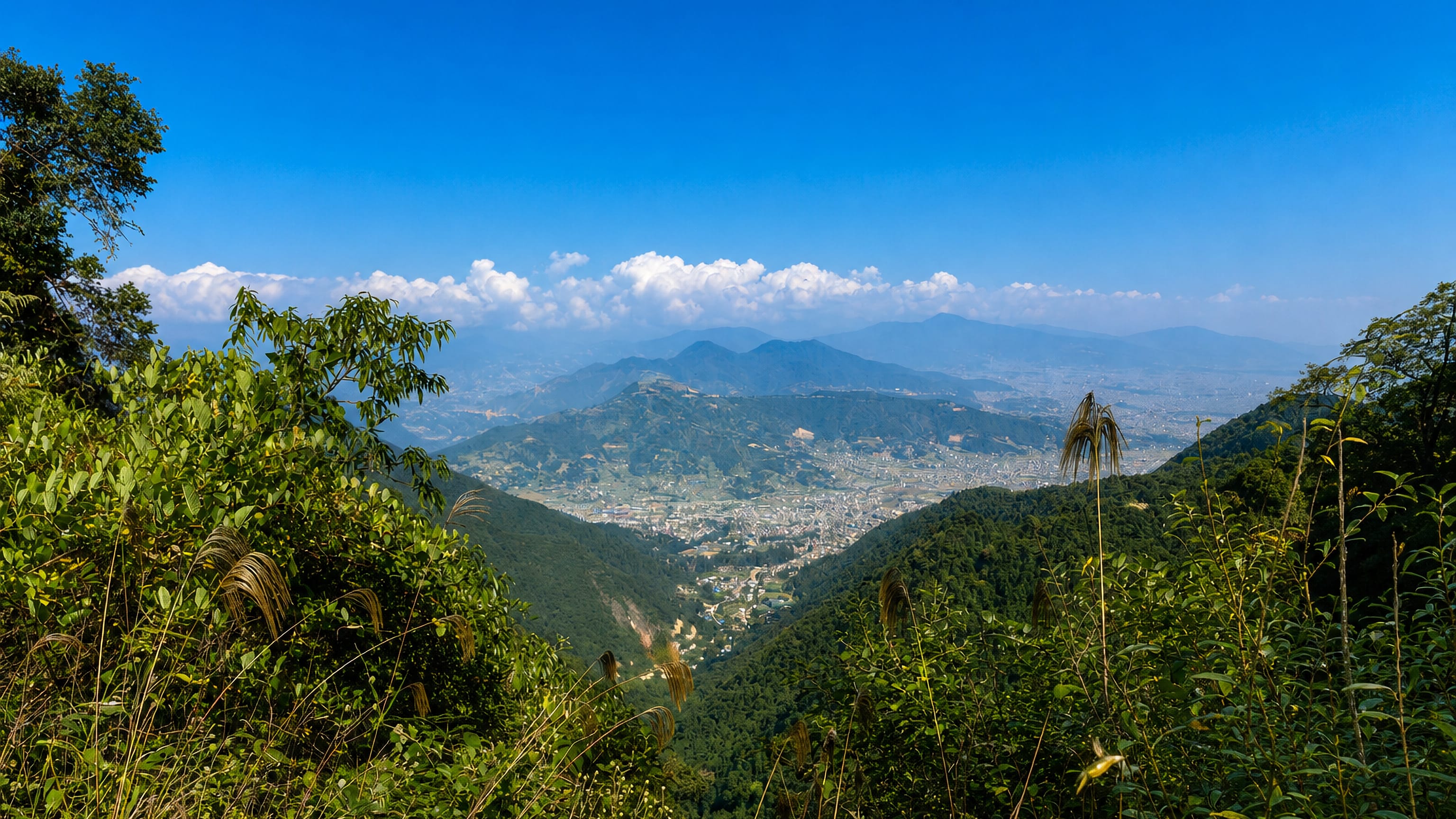
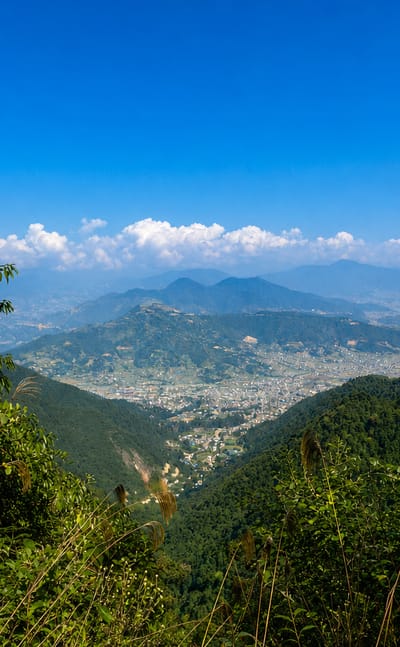
Hill country climbs toward the peaks in Bagmati Province, a province of Nepal that holds the capital Kathmandu and rises to Gaurishankar and Langtang.
Hotel links are affiliate links: booking through them may earn us a commission, at no extra cost to you. It never affects how places are ranked. How this works


Towns & cities in Bagmati Province
Pick a town or city — each links to where to stay.
 Nepal
Nepal
Kathmandu
Temple roofs rise above the Kathmandu Valley at Kathmandu, capital of Nepal in Bagmati Province, known for Narayanhiti Palace and the old core of Kantipur.Where to stay →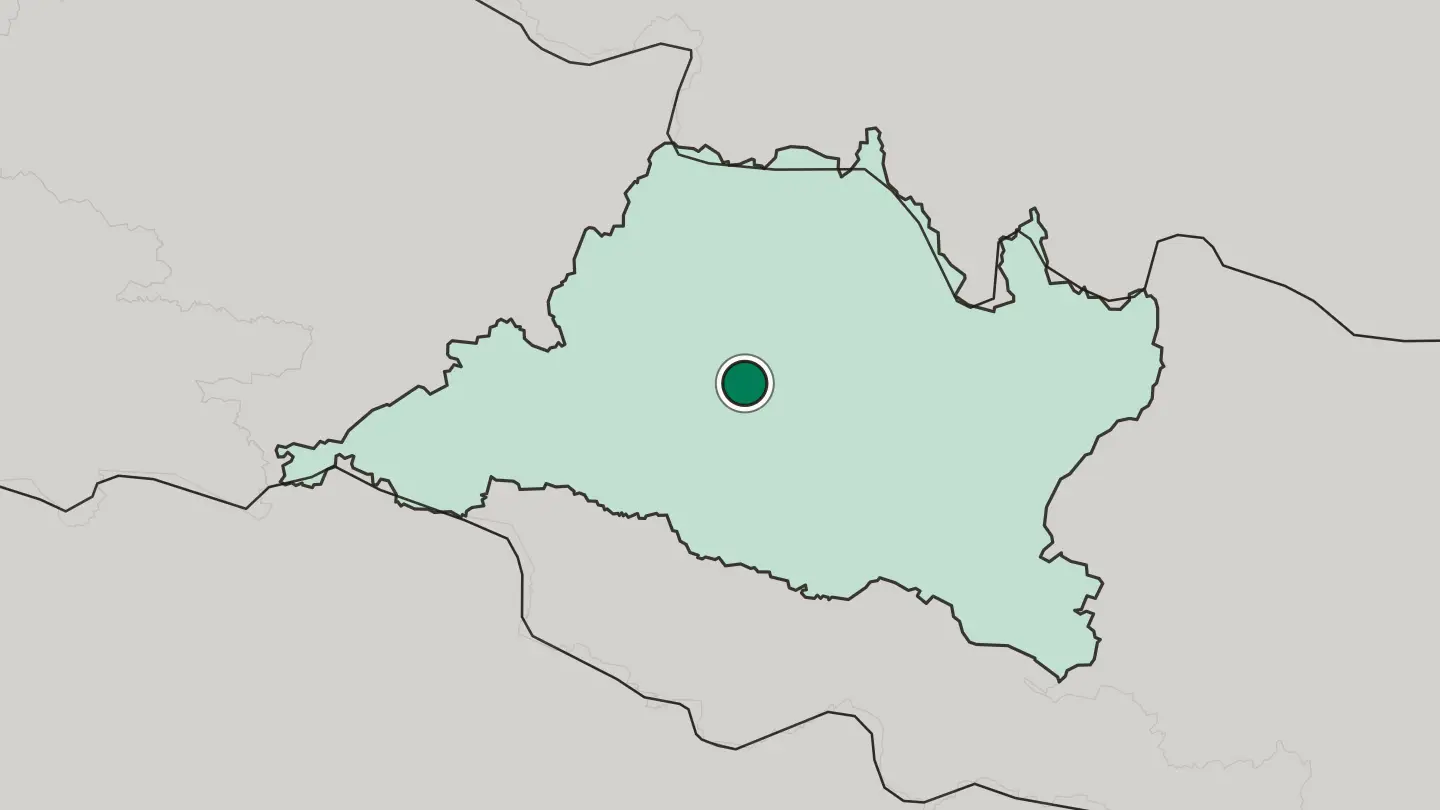
 Nepal
Nepal
Bharatpur
Bharatpur is a city of central Nepal on the Narayani river, the town beside Chitwan National Park, where lowland jungle shelters rhinos and tigers.Where to stay →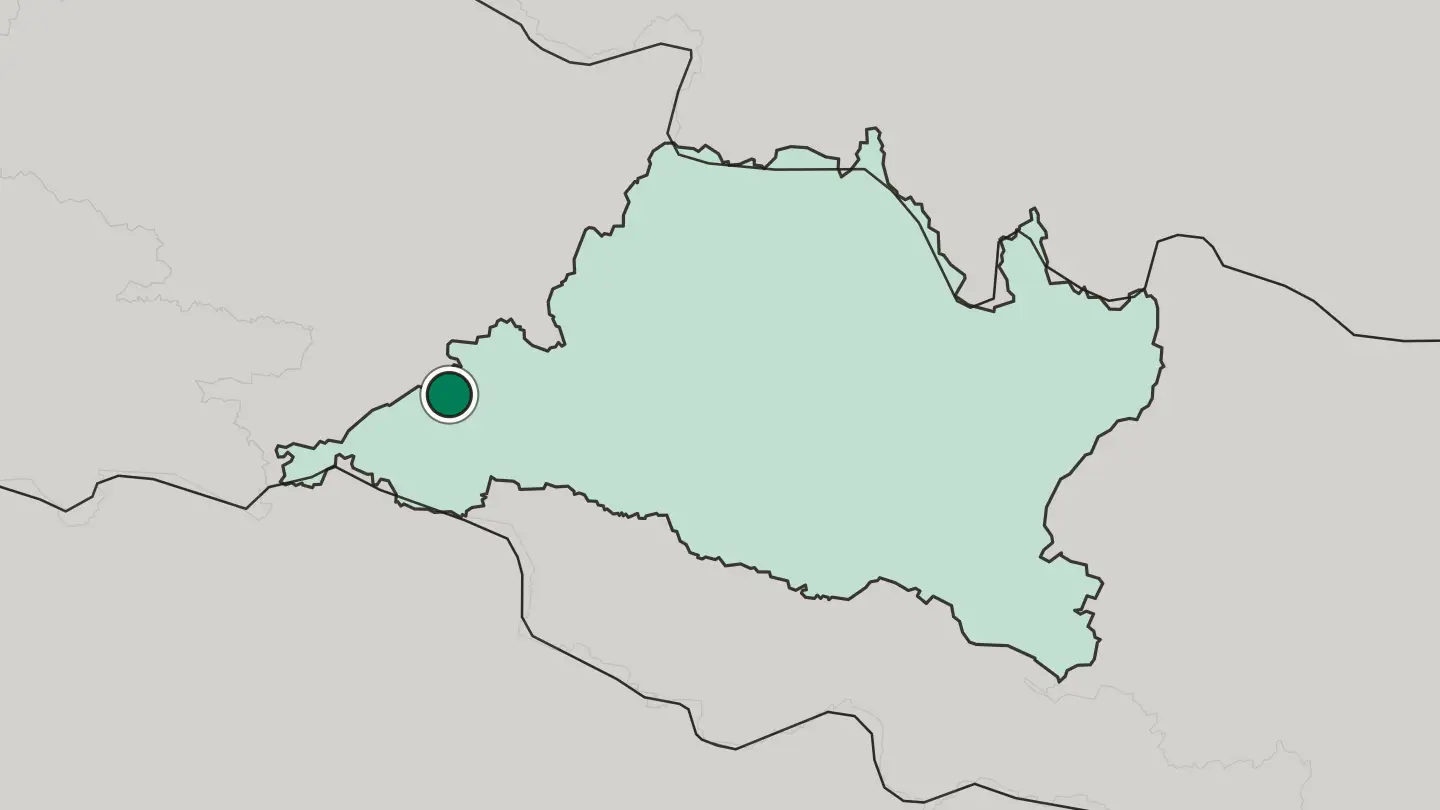
 Nepal
Nepal
Pātan
Pātan is one of the three royal cities of the Kathmandu Valley in Nepal, famed for its Newar temples and craftsmen.Where to stay →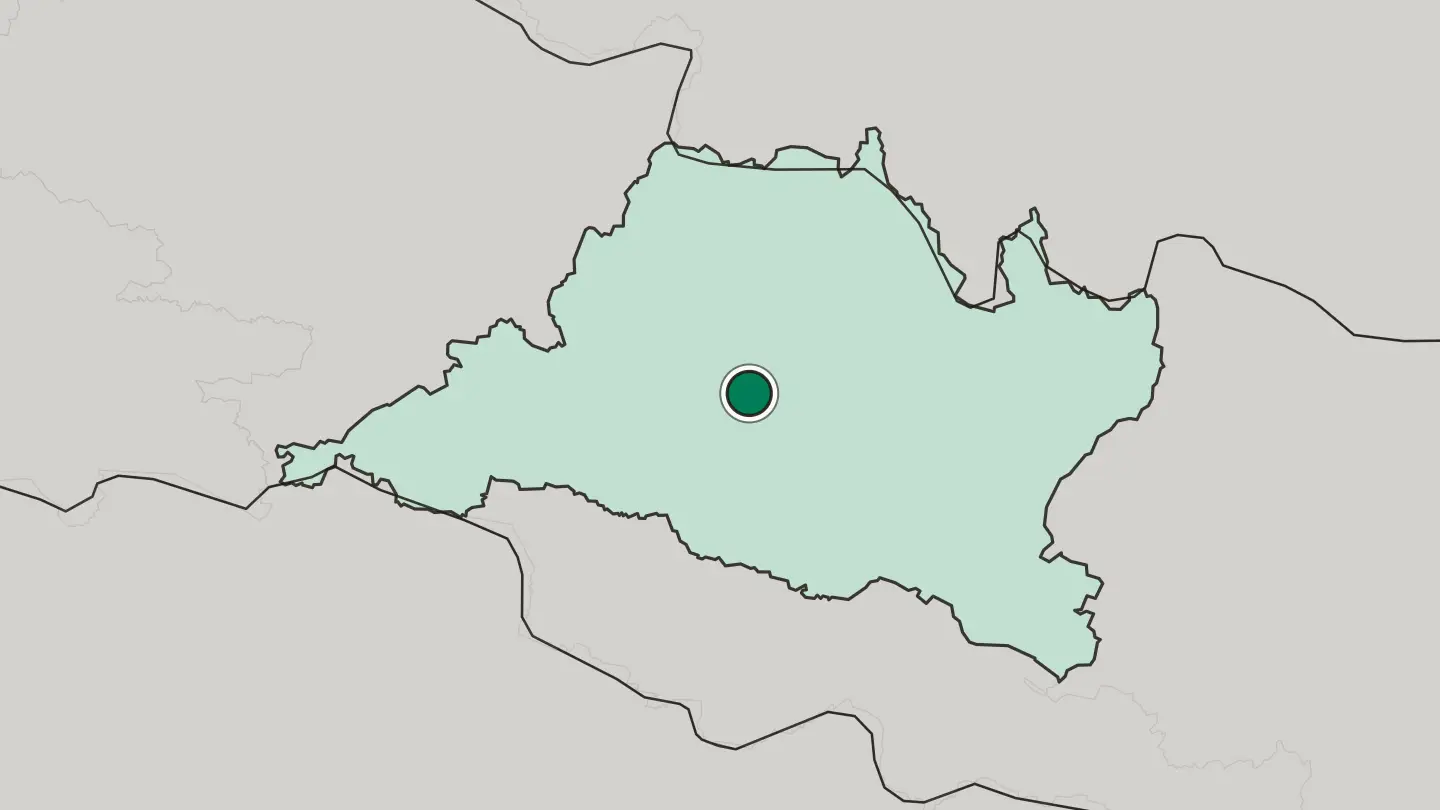
Hotel links are affiliate links: booking through them may earn us a commission, at no extra cost to you. It never affects how places are ranked. How this works
About Bagmati Province
What is Bagmati Province known for?
Bagmati Province is known as the province that holds the capital of Nepal. Kathmandu sits within it. The mostly hilly and mountainous land rises to peaks including Gaurishankar, Langtang, Jugal, and Ganesh, while the provincial headquarters sit at Hetauda.
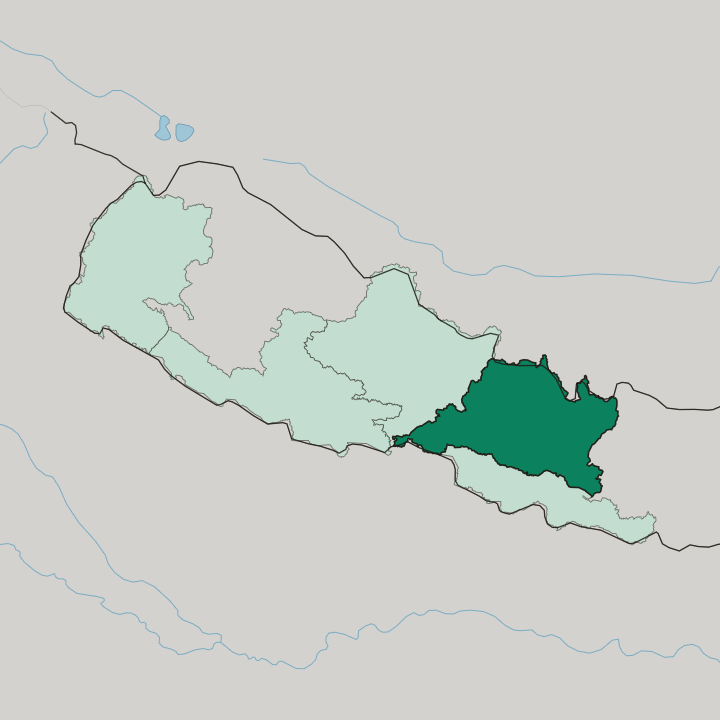
Bordered by the Tibet Autonomous Region to the north and by Gandaki Province, Koshi Province, and Madhesh Province around it, the province is the country's most populous.
Where is Bagmati Province?
Bagmati Province occupies mostly hilly and mountainous country in Nepal, rising from its southern edge toward the high Himalaya along the northern border. The land climbs steeply northward. Peaks including Gaurishankar, Langtang, Jugal, and Ganesh stand along the frontier with the Tibet Autonomous Region, giving the province some of the country's highest ground, while the capital Kathmandu fills a broad valley among the hills below.
Borders frame the province on every side. Gandaki Province lies to the west and Koshi Province to the east, while Madhesh Province and the Indian state of Bihar meet it to the south, where the terrain drops toward lower plains. The provincial headquarters at Hetauda sit in this southern hill belt, below the mountain wall.
Between the peaks of the north and the plains at the southern edge, the province spans a full range of elevation, from valley floors to the highest summits of Gaurishankar and Langtang. That vertical spread makes Bagmati the fifth largest province by area and Nepal's most populous.
What is Bagmati Province like?
Bagmati Province takes its shape from the hill-and-mountain country that gathers around the capital Kathmandu. Nepali is the working language across the province. Life concentrates in the capital's valley, the province's centre of government, finance, and culture, while the administrative seat at Hetauda holds the southern hills, so the province balances a dominant capital against a separate headquarters town.
The mountains define the province as much as its cities. Communities of the higher country live in the shadow of Gaurishankar, Langtang, Jugal, and Ganesh, along the northern frontier with the Tibet Autonomous Region, where the land and its traditions turn on altitude. Below them the province is Nepal's most populous, its people spread from the capital's valley south toward the border it shares with Madhesh Province.
That range, from the high peaks to the lower southern hills, gives Bagmati a settlement pattern unlike the flatter provinces around it. The province stands apart.
What is the history of Bagmati Province?
Bagmati Province is one of the seven provinces of Nepal established under the constitution of Nepal. It was drawn as a modern federal unit. The province took the capital Kathmandu into its bounds and set its own headquarters at Hetauda, while its northern reaches, along the peaks toward the Tibet Autonomous Region, carry a far older history of mountain settlement.
The federal frame is recent; the hills are ancient.
What is the climate of Bagmati Province?
Bagmati Province spans a wide climate range that follows its steep rise from south to north. The lower southern hills stay milder. Around the capital Kathmandu the valley holds a mild, temperate air, with warm wet summers and cool dry winters, while the high country toward Gaurishankar and Langtang turns cold and alpine near the frontier with the Tibet Autonomous Region.
Altitude sets the pattern.
How do you get to Bagmati Province?
Bagmati Province is reached mainly through the capital Kathmandu, its busiest hub and principal point of arrival in Nepal. Roads fan out from there. They climb north into the hills toward Langtang and the higher peaks, and run south to the provincial headquarters at Hetauda and on toward the Madhesh Province border.
The mountainous terrain keeps the northern approaches slow and winding.
Common questions
What is the best area to stay in Bagmati Province?
Kathmandu: Staging into the Langtang and Gaurishankar peaks. Hetauda: The provincial headquarters in the southern hills.
Good for
More regions in Nepal
Updated September 2026