Nepal · Bagmati Province
Where to Stay in Pātan, Bagmati Province
Pātan is one of the three royal cities of the Kathmandu Valley in Nepal, famed for its Newar temples and craftsmen.
Hotel links are affiliate links: booking through them may earn us a commission, at no extra cost to you. It never affects how places are ranked. How this works


Where to stay in Pātan
How the choice of base plays out on the ground.
Where you stay in Pātan turns on the old city. The lanes around the Durbar Square keep the temples, the courtyards, and the craft workshops within a walk, and staying in the old town suits anyone here for the art. The old squares hush at night.
Rooms sit near the temple roofs. Out toward the ring road and the newer suburbs, the city spreads into wider streets. A room outside the old town trades the lanes for space, gardens, and an easy way across to Kathmandu.
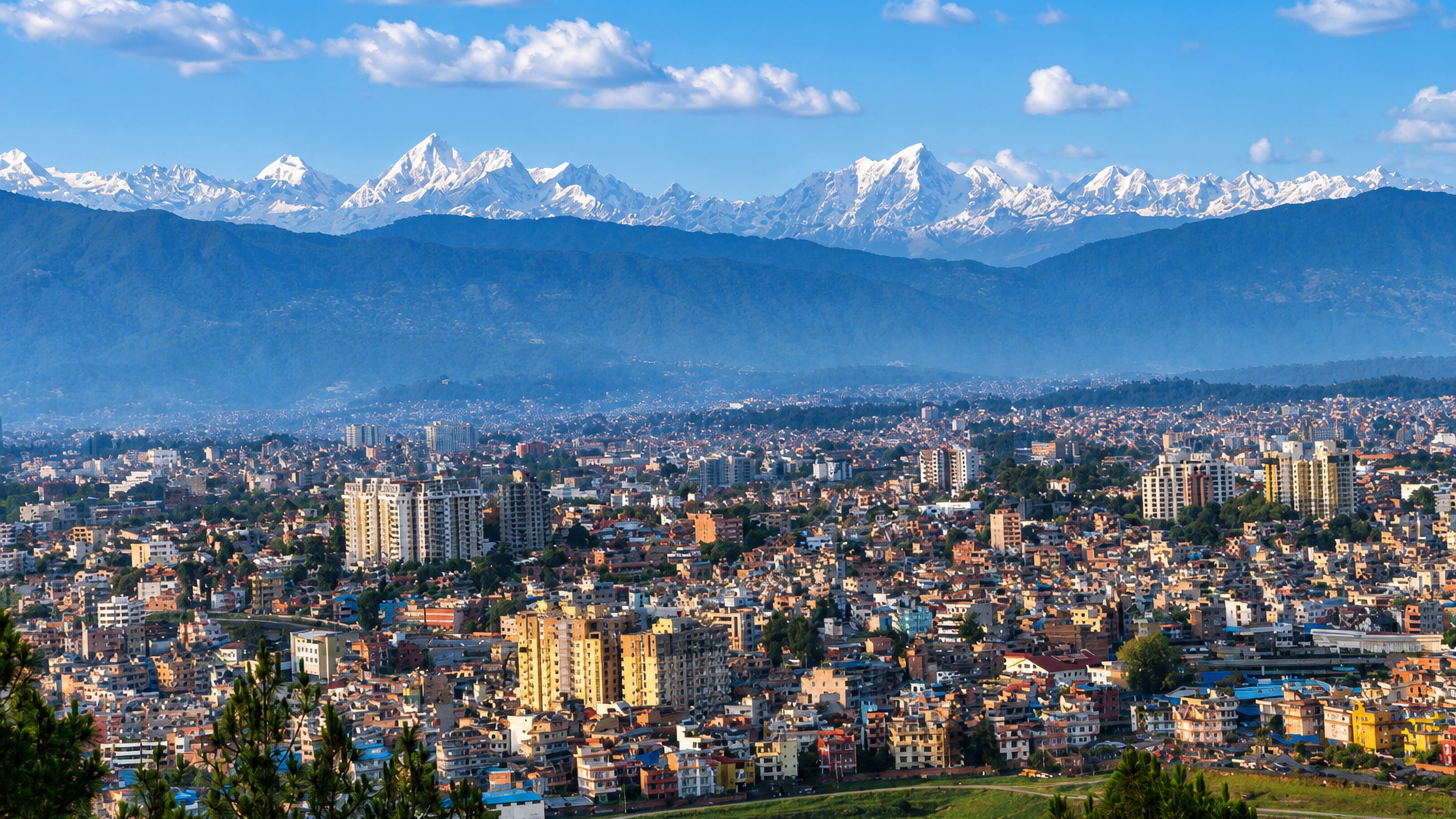
Past the ring road the valley's green hills climb into view. If you want the temples and the crafts, stay in the old town; if you want space, take a room outside. Whichever you choose, Pātan's Durbar Square stays a short way off.
Find hotels in Pātan
Direct booking searches for these neighbourhoods.
The old city
Around the Durbar Square within a walk of the temples and workshopsFind hotels in The old cityStays wanting space and the road to KathmanduThe newer suburbs
Out by the ring road with gardens and an easy way to KathmanduFind hotels in The newer suburbsHotel links are affiliate links: booking through them may earn us a commission, at no extra cost to you. It never affects how places are ranked. How this works
About Pātan
Pātan is the old royal city of Newar art.
What is Pātan known for?
Also called Lalitpur, the city of beauty, it faces Kathmandu across the Bagmati river and keeps one of the great durbar squares of Nepal, a crowd of tiered pagoda temples and old palace courts around a famous stone shrine to Krishna, while its lanes ring with the hammers of metalworkers and carvers. Golden shrines hide in the courtyards. Temples and craft mark the city.
What are the main landmarks in Pātan?
The Durbar Square is the heart of Pātan. The old royal palace and its crowd of tiered pagoda temples ring the square, the emblem of the city, around the stone shrine of Krishna. Golden courtyards hide nearby.
The Golden Temple, a Buddhist monastery bright with gilt, and the Mahabouddha of a thousand Buddhas stand in the old lanes, tended by Newar priests.
What is the history of Pātan?
Pātan is one of the oldest cities of the valley. Newar people built it long ago on the plateau south of the river, and under the Malla kings it became a royal capital, one of three that shared the Kathmandu Valley, each with its own palace and square. Its craftsmen led the land.
The metalworkers and wood-carvers of Pātan made temples, statues, and bronzes prized across the Himalaya, and Buddhism and Hinduism grew side by side in the city. The kings raised a great square of temples. Around the old palace they built tiered pagodas, courtyards, and the stone shrine of Krishna, until the durbar square was a wonder of carved wood and brick.
The city kept its old crafts alive. Even after the Malla kings fell and Nepal was joined under one throne, the artisans of Pātan worked on in their lanes, and the old shrines were tended and rebuilt. The temples still crowd the square.
Pātan keeps its Newar art in the Kathmandu Valley.
Where is Pātan?
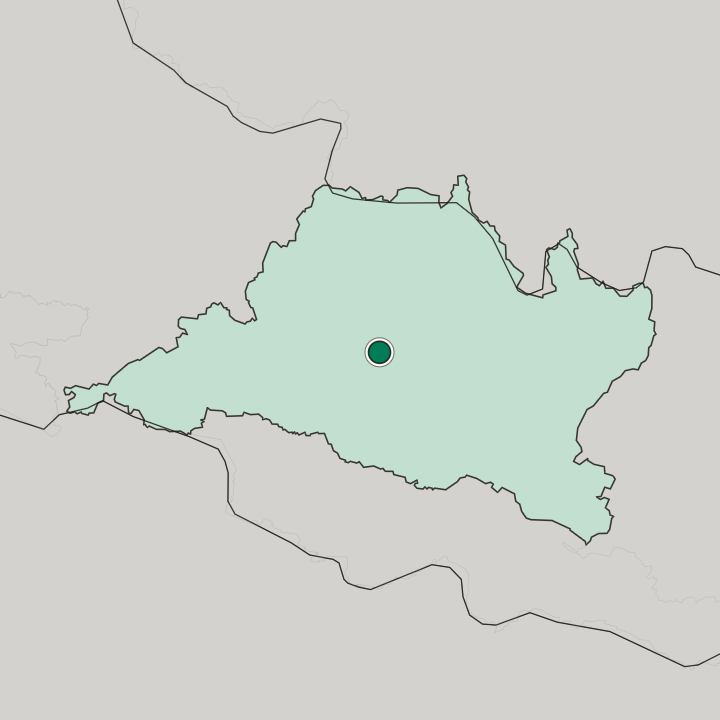
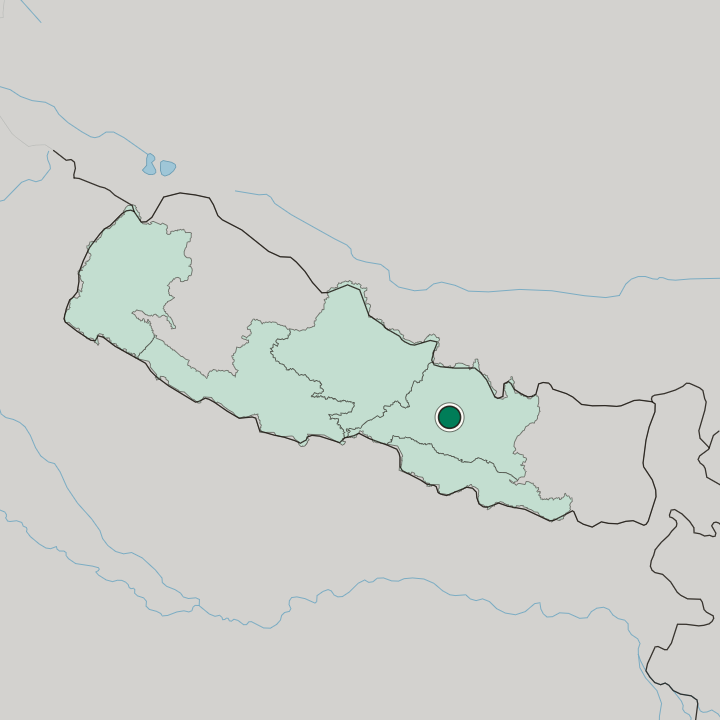
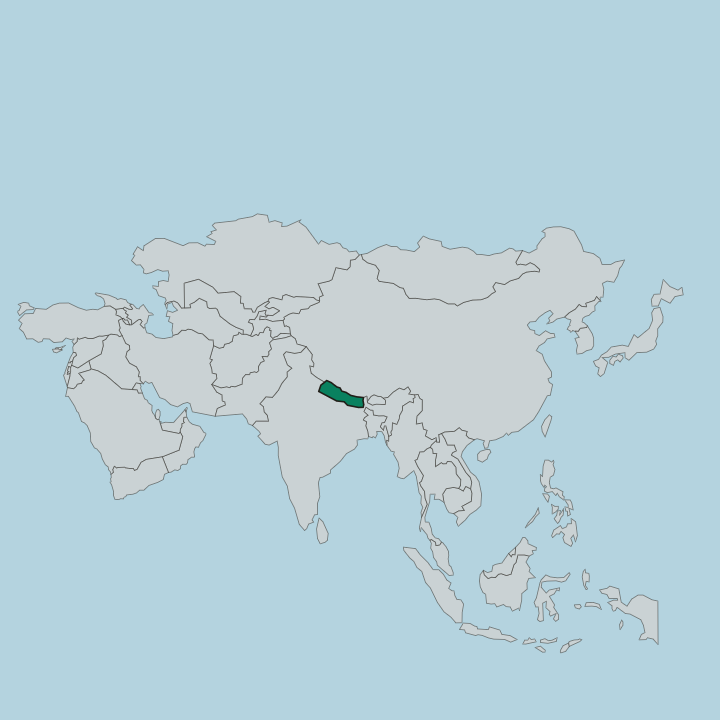
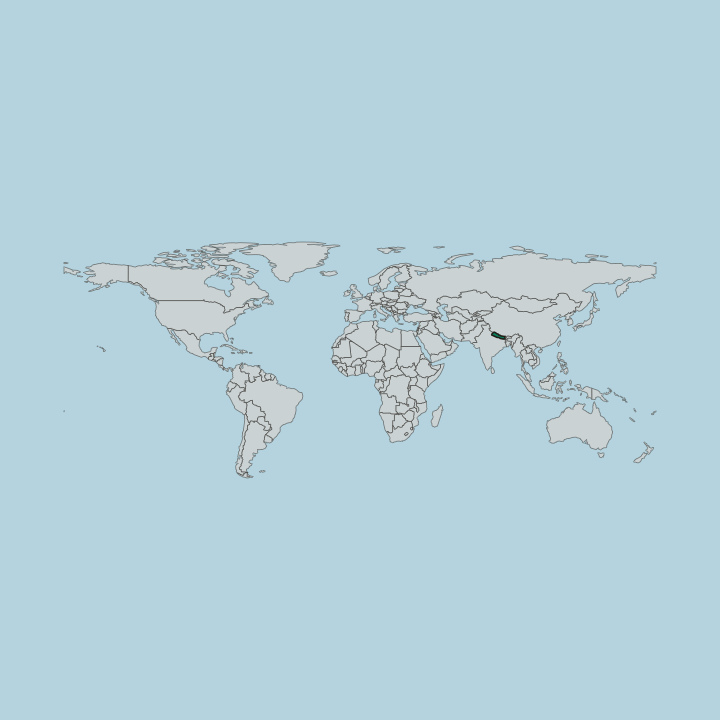
Pātan lies in the Kathmandu Valley of central Nepal, south of the Bagmati river. The city sits on a plateau in the green bowl of the valley, ringed by the foothills of the Himalaya, joined now to Kathmandu across the water. Terraced hills climb all around.
The snow peaks rise far to the north.
What is the climate of Pātan?
Pātan has a mild valley climate. Warm, wet summers bring the monsoon rains to the valley, and the winters stay cool and dry, tempered by the height of the hills, with clear skies much of the year. Mist fills the bowl on winter mornings.
The valley air stays mild and fresh.
How do you get to Pātan?
Pātan lies just south of Kathmandu across the Bagmati in central Nepal. The two cities now run together, and roads cross the river into the heart of Pātan, while the country's main airport lies close by. Local buses run out to the other towns of the valley.
Most arrive by road from Kathmandu.
Common questions
What is the best area to stay in Pātan?
The old city: Visitors here for the temples, squares, and crafts. The newer suburbs: Stays wanting space and the road to Kathmandu.
Good for
More cities in Bagmati Province
Updated October 2026