Peru · Departamento de Ica
Where to Stay in Chincha Alta, Departamento de Ica
Chincha Alta is a city of the south coast of Peru in the Ica valley, the heart of Afro-Peruvian culture, a land of pisco, cotton, and ancient adobe ruins.
Hotel links are affiliate links: booking through them may earn us a commission, at no extra cost to you. It never affects how places are ranked. How this works


Where to stay in Chincha Alta
The practical side of choosing where to sleep.
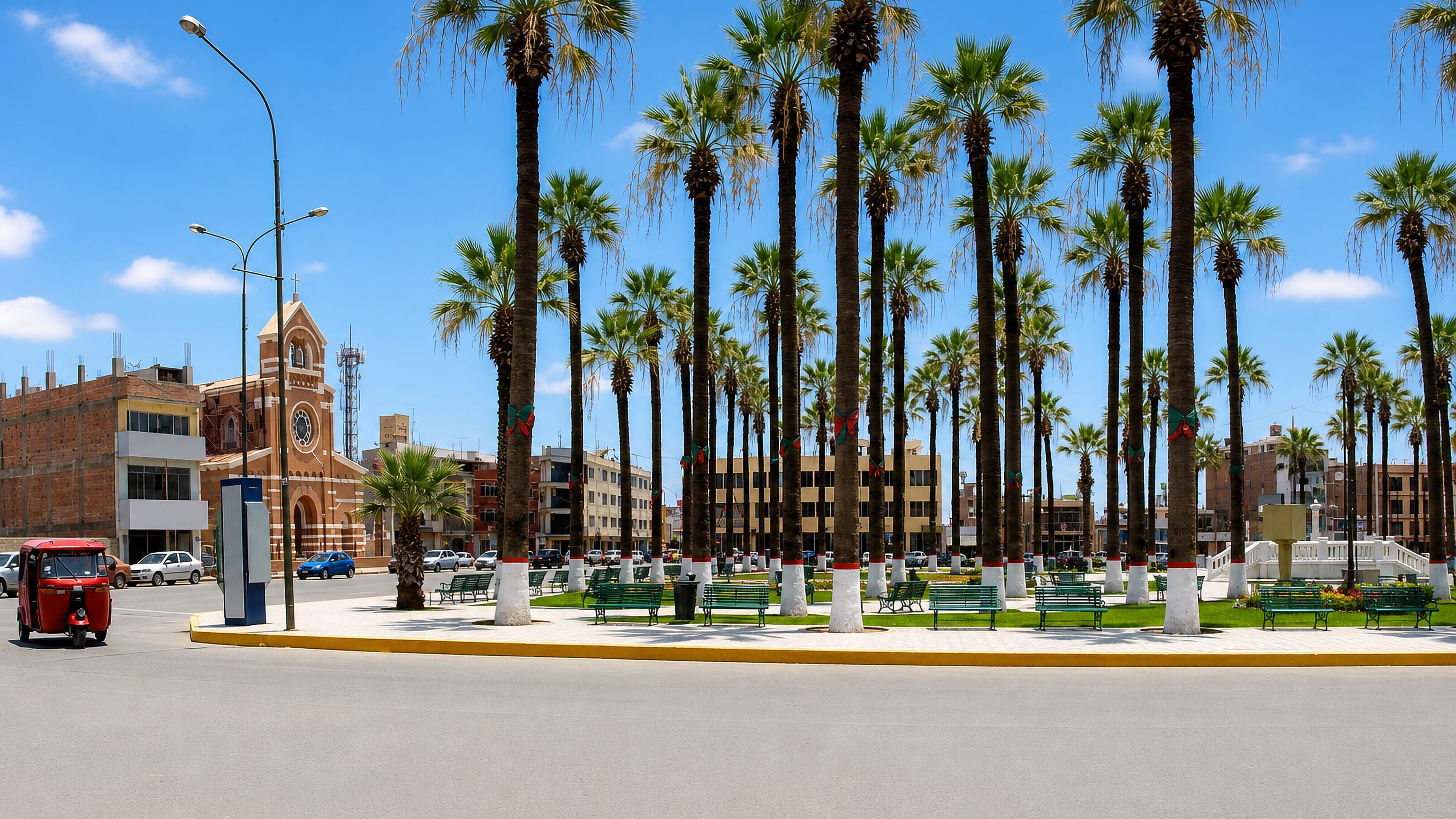
Where you stay in Chincha Alta turns on the town or the valley. The streets around the plaza keep the market, the church, and the town within a walk, and staying downtown suits anyone here for the city. The dry valley spreads beyond.
Vines climb the desert fields. Out toward El Carmen and the coast, the town gives way to the pisco estates, the Afro-Peruvian villages, and the road to the sea and Paracas. A room in the country trades the streets for the vineyard rows, the old haciendas, and the music of El Carmen.
The coast runs south to Paracas. Stay downtown for the city, or out for the wine and music. The Afro-Peruvian valley runs down to the desert coast.
Find hotels in Chincha Alta
Direct booking searches for these neighbourhoods.
The town centre
The blocks bordering Chincha Alta's main squareFind hotels in The town centreStays wanting the pisco and Afro-Peruvian musicEl Carmen and the coast
Out toward El CarmenFind hotels in El Carmen and the coastHotel links are affiliate links: booking through them may earn us a commission, at no extra cost to you. It never affects how places are ranked. How this works
About Chincha Alta
Chincha Alta is the Afro-Peruvian city of the Ica coast.
What is Chincha Alta known for?
On the desert coast south of Lima in Peru, it grew on the vineyards and cotton fields of the old haciendas, and it keeps the living Afro-Peruvian music and dance of El Carmen, the pisco distilleries of the Ica valley, the great adobe ruins of La Centinela, and the warm coast near Paracas. The dry coast runs to the sea. Vineyards green the desert valley.
What are the main landmarks in Chincha Alta?
La Centinela is the pride of the Chincha country. The great adobe pyramids of the Chincha kingdom, rising from the valley by the sea, are the emblem of the region, out of downtown. A district keeps the old music.
The town of El Carmen holds the festejo and the cajón of the Afro-Peruvians nearby, while the pisco bodegas, the cotton fields, and the coast near Paracas mark the country around Chincha Alta.
What is the history of Chincha Alta?
Chincha was an ancient kingdom of the coast. Before the Inca, the Chincha people built a rich trading state here, raising the great adobe pyramids of La Centinela and sailing the coast to trade. The Inca took the valley.
Under the Inca its lords were honoured among the highest, and the valley grew rich on its fields and trade. The Spanish brought the vine and the hacienda. On the coastal estates the Spanish planted vines for pisco and cotton in the fields, and they brought enslaved Africans to work the land.
Their descendants made a culture. The Afro-Peruvian people of El Carmen kept a music and dance all their own, the festejo and the cajón, born on the coast, and Chincha grew as the heart of Afro-Peruvian culture, keeping its vineyards, its ruins, and its music. The festejo still sounds in El Carmen.
Chincha Alta keeps its coast valley south of Lima.
Where is Chincha Alta?
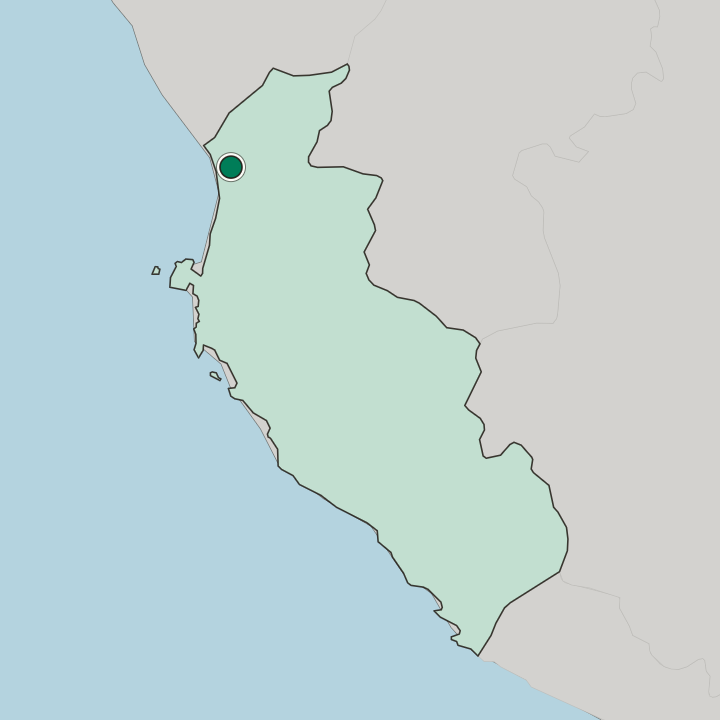
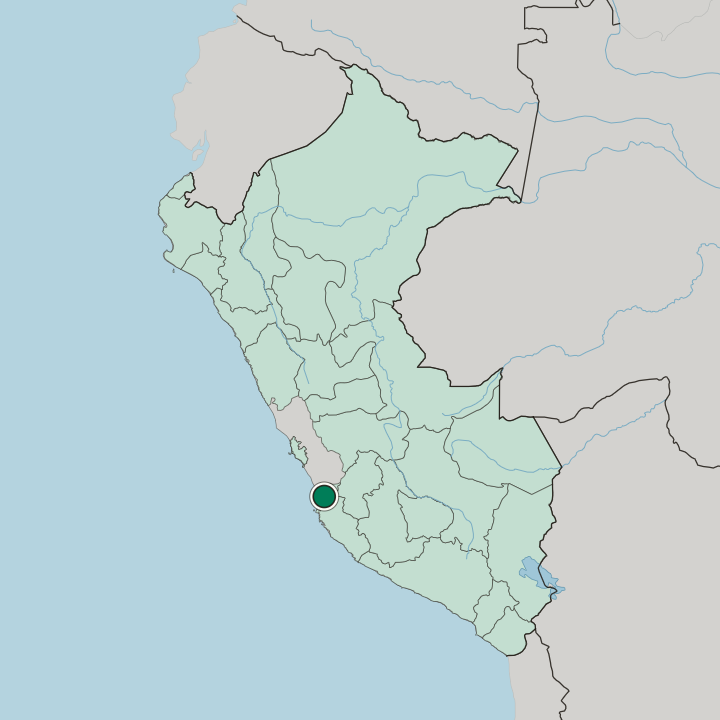
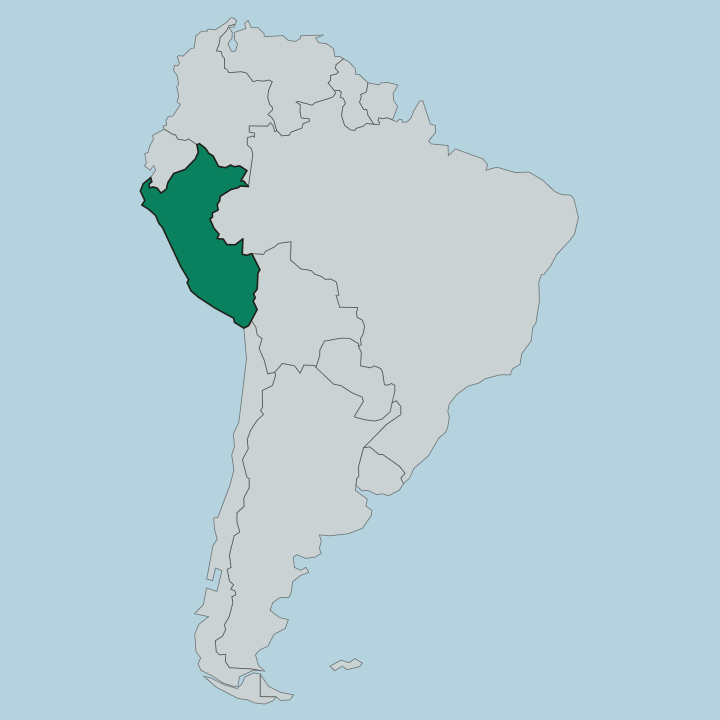
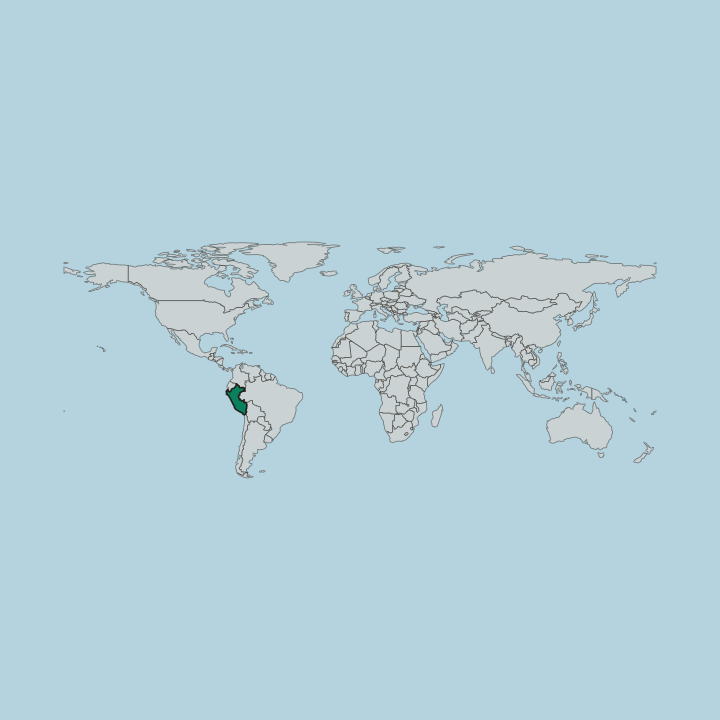
Chincha Alta lies on the south coast of Peru, in a green valley of the coastal desert. The city sits on the Chincha valley where the river waters the fields between the sea and the Andes, in a dry land of vineyards and cotton, with the Pacific to the west and the desert rising to the mountains east. Green valley runs through the sand.
The sea lies flat to the west.
What is the climate of Chincha Alta?
Chincha Alta has a mild, dry desert climate. Warm days and cool nights hold all year on the coast, with almost no rain and grey sea mist in the winter. The sun warms the valley.
Sea mist greys the winter.
How do you get to Chincha Alta?
Chincha Alta lies on the south coast of Peru, on the Panamerican highway south of Lima. The coast highway runs to it down the desert from Lima, and roads lead inland to the vineyards. Vans run to the bodegas.
Lima lies north up the coast.
Common questions
What is the best area to stay in Chincha Alta?
The town centre: Visitors here for the plaza and market. El Carmen and the coast: Stays wanting the pisco and Afro-Peruvian music.
More cities in Departamento de Ica
Updated September 2026