Peru · Departamento de Ica
Where to Stay in Ica, Departamento de Ica
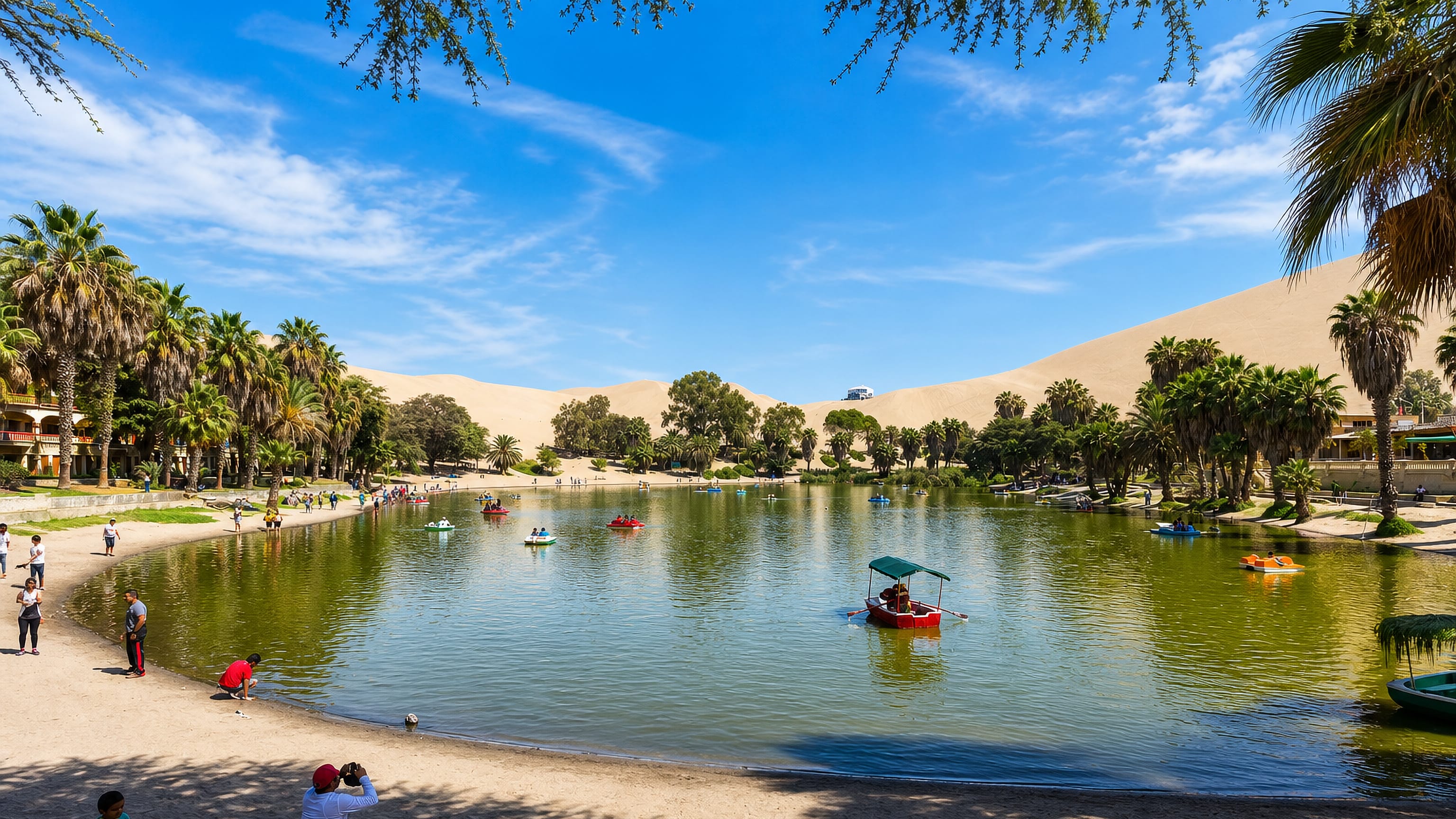
Ica is a city of the southern desert coast of Peru, a wine town of the sands, famous for the palm-fringed oasis of Huacachina and its pisco.
Hotel links are affiliate links: booking through them may earn us a commission, at no extra cost to you. It never affects how places are ranked. How this works


Where to stay in Ica
Where visitors usually base themselves, and why.
Where you stay in Ica turns on the town or the oasis. The streets around the plaza keep the museum, the markets, and the wine cellars within a walk, and staying downtown suits anyone here for the city and its pisco. The green valley lies in sand.
Vines fill the fields. Out among the dunes at Huacachina, the town gives way to the palm oasis, the sand slopes, and the desert beyond. A room by the lagoon trades the streets for the green water, the towering dunes, and the sunset over the sand.
The dunes glow gold at dusk. Stay downtown for the pisco, or at the oasis for the dunes. Ica itself stands only a few minutes inland from the dunes.
Find hotels in Ica
Direct booking searches for these neighbourhoods.
The town
On the plaza blocks, within reach of the museum and the wine cellarsFind hotels in The townStays wanting the oasis and dunesHuacachina
Out among the sandsFind hotels in HuacachinaHotel links are affiliate links: booking through them may earn us a commission, at no extra cost to you. It never affects how places are ranked. How this works
About Ica
Ica is the wine city of the southern sands.
What is Ica known for?
In a green river valley amid the great desert of southern Peru, it grew rich on grapes, and it keeps the palm-ringed lagoon and towering dunes of Huacachina, the vineyards and stills that make Peru's pisco, a museum of ancient desert mummies and skulls, and the Nazca lines and Paracas coast in the sands nearby. The green valley runs through sand. The dunes rise gold beyond.
What are the main landmarks in Ica?
Huacachina is the wonder of Ica. The palm-ringed lagoon set among towering dunes just outside the town, where people slide the sand and drift on the green water, is the emblem of the desert, in the sands. Old mummies fill a museum.
The regional museum keeps the ancient dead, the cloth, and the skulls of the desert cultures, while the vineyards, the pisco stills, and the great dunes mark the country around Ica.
What is the history of Ica?
The desert here is full of the ancient dead. Long before the Spanish, the Paracas and Nazca peoples lived in these valleys, weaving fine cloth, shaping strange skulls, and drawing their great lines and figures on the desert floor. The sands kept them well.
In the dry air their mummies, cloth, and pots lay perfect for ages, and diggers have brought them to light in the town's museum. The Spanish planted the vine. When they founded a town in the green valley, they set out vineyards that thrived in the sun, and Ica grew rich on wine and on the clear brandy called pisco.
The oasis drew the world too. Out among the dunes a spring fed a palm-ringed lagoon at Huacachina, and a little resort grew up beside it where people came to slide the great dunes, so that Ica lived by its grapes, its pisco, and its sands, keeping its ancient dead and its oasis. The stills still run at harvest.
Ica keeps its vineyards and its dunes in the desert of the south.
Where is Ica?
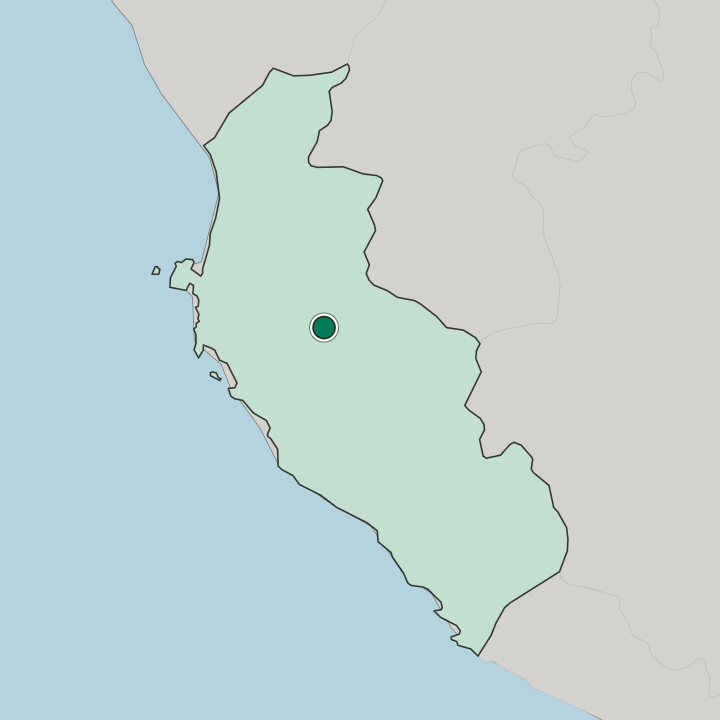
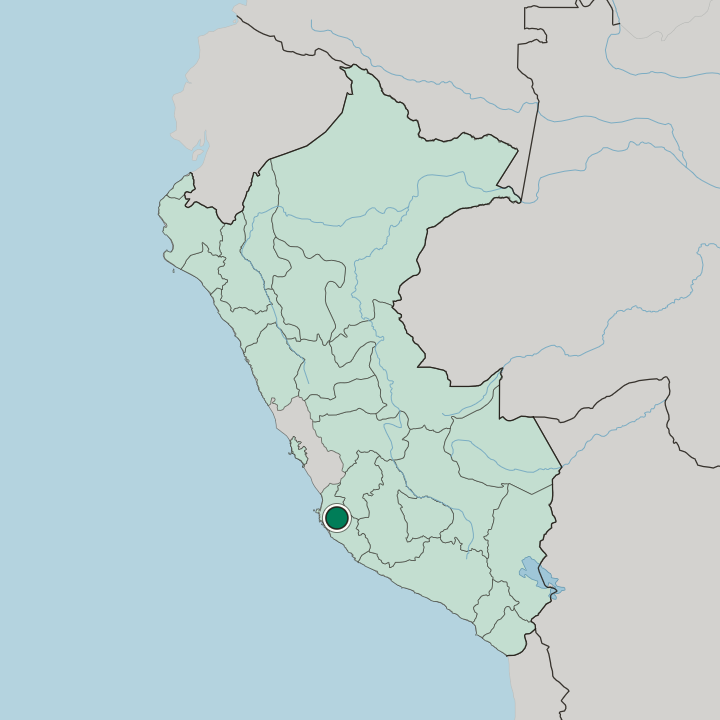
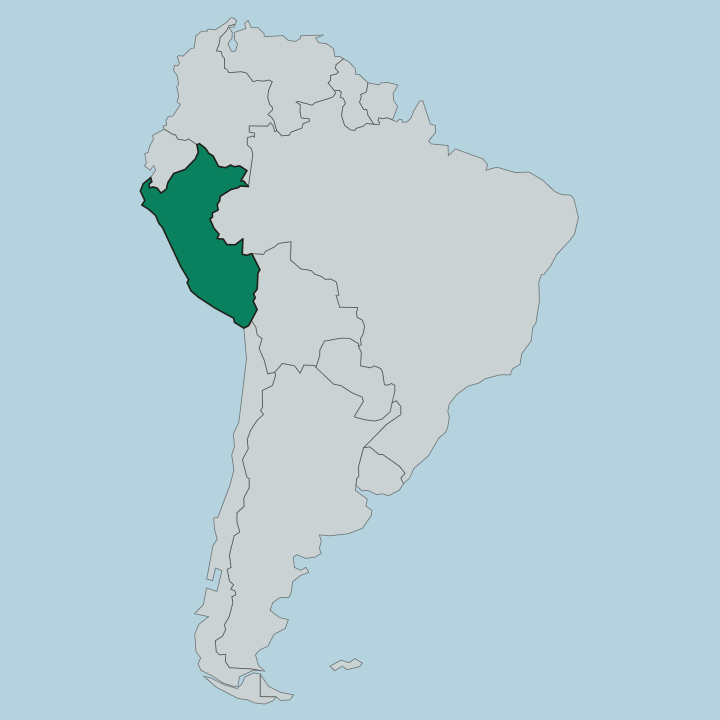
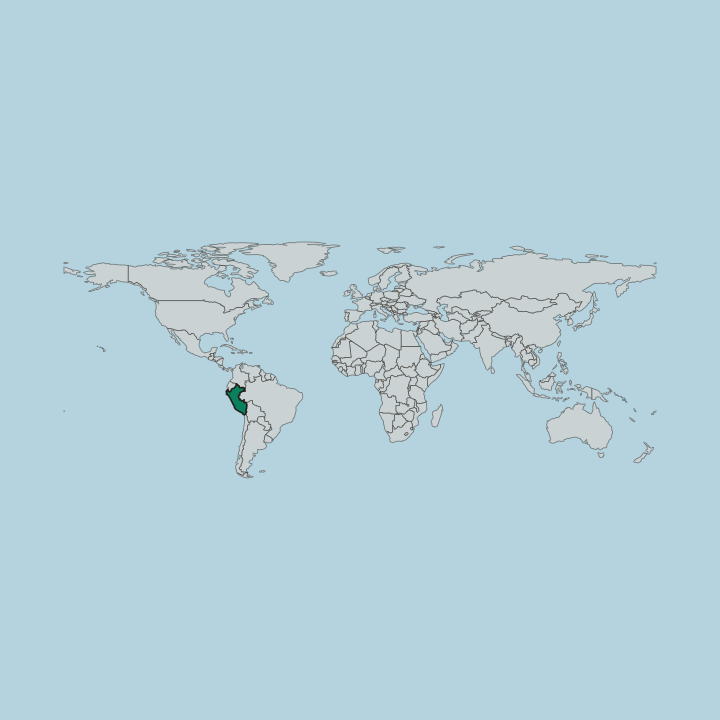
Ica lies in the south of Peru, in a desert valley between the Andes and the Pacific. The city sits in a green oasis of vineyards on the Ica river, ringed by vast dunes and bare desert that stretch to the sea, one of the driest lands on earth, with the foothills of the Andes rising inland. Great dunes wall the valley.
The desert runs dry to the sea.
What is the climate of Ica?
Ica has a warm, dry desert climate. Warm dry weather holds all year in the valley, with sunshine almost every day and rain that hardly ever falls, cooled a little by night. The sun shines nearly always.
Rain almost never comes.
How do you get to Ica?
Ica sits in a desert valley of southern Peru. The Panamerican highway runs to it through the sands, and roads lead out to the oasis and the coast. Buses cross the desert.
Lima lies north up the road.
Common questions
What is the best area to stay in Ica?
The town: Visitors here for the museum and wine cellars. Huacachina: Stays wanting the oasis and dunes.
Good for
More cities in Departamento de Ica
Updated September 2026