Peru · Departamento de Ica
Where to Stay in Pisco, Departamento de Ica
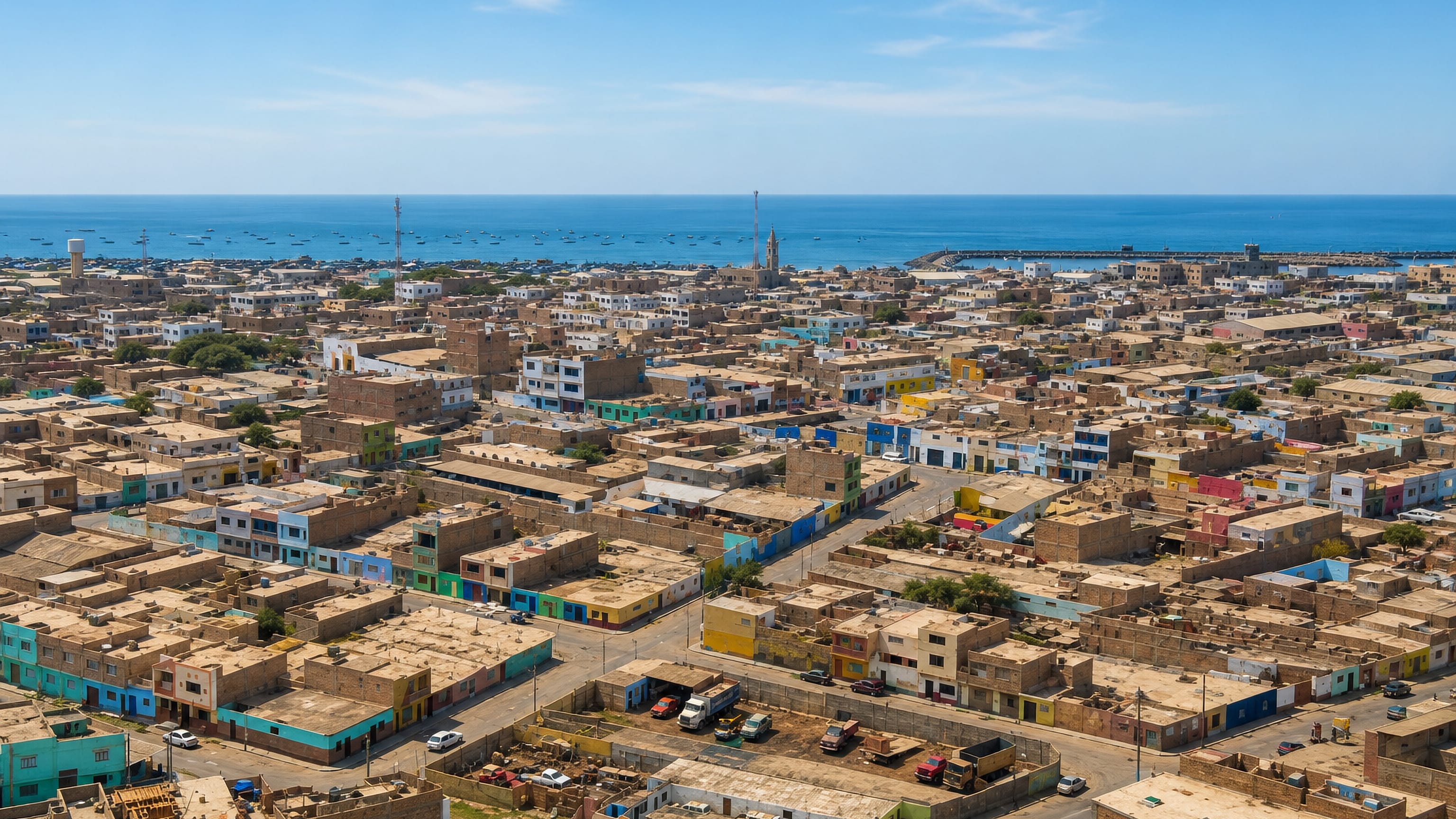
Pisco shares its name with a brandy. The town heads Pisco Province on the southern coast of Peru, a fishing port founded in 1640.
Hotel links are affiliate links: booking through them may earn us a commission, at no extra cost to you. It never affects how places are ranked. How this works


Where to stay in Pisco
Where the beds are, and what that means for the visit.
Pisco is a base more than a destination. Its own list is short, and the reason most people sleep here is the trip out to the Ballestas Islands or to Paracas, the national reserve and salt desert alongside it. That shapes where to stay.
Pisco was founded in 1640 beside an indigenous emplacement of the same name, and the port that shipped its grape brandy is what built the town. The port side suits anyone who wants the working town. Pisco is a fishing town, and the water is where its working day still sits.
Nine metres of elevation is all the town has. The centre offers the other choice, gathered around iglesia de la compañía de Jesús y dependencias de Pisco, which is the one monument the town has on its record. Both are walkable.
Paracas is the alternative worth weighing. Sleeping nearer the reserve shortens the run to the Ballestas Islands, which is the single reason most itineraries include Pisco at all, and it trades town amenities for proximity to the coast that people come to see. Nowhere in Pisco is far from anywhere else.
Find hotels in Pisco
Direct booking searches for these neighbourhoods.
The Pisco port side
The port is what built Pisco and shipped its grape brandy, and rooms on that side sit closest to the water the fishing town still works.Find hotels in The Pisco port sideA short walk covering Pisco's one named monumentAround iglesia de la compañía de Jesús y dependencias de Pisco
iglesia de la compañía de Jesús y dependencias de Pisco is the single monument on the town's record, and the everyday shops sit in the streets around it.Find hotels in Around iglesia de la compañía de Jesús y dependencias de PiscoNights nearer Paracas and the run to the Ballestas IslandsParacas
Paracas holds the national reserve and salt desert beside Pisco, and sleeping nearer it shortens the morning start towards the Ballestas Islands.Find hotels in ParacasHotel links are affiliate links: booking through them may earn us a commission, at no extra cost to you. It never affects how places are ranked. How this works
About Pisco
What is Pisco known for?
The town became noted for the grape brandy called pisco, exported from its port after vineyards nearby made the trade possible. Fishing still works the harbour. Beyond that, most visitors treat Pisco as the starting point for the Ballestas Islands and for Paracas, the national reserve and salt desert that lie nearby.
The town heads Pisco Province from the Department of Ica.
What are the main landmarks in Pisco?
One monument, one island group. The town's single named heritage entry is iglesia de la compañía de Jesús y dependencias de Pisco, and the rest of what brings people here sits offshore or out along the coast. The Ballestas Islands account for most of it, and Paracas adds a national reserve and a salt desert nearby.
Grape brandy left through the same port.
What is the history of Pisco?
A name stood on this ground before any town did. Pisco was founded in 1640 beside an indigenous emplacement that already carried the name, so the town inherited both a site and a word that would travel a long way from the southern coast. Vineyards did the rest.
The town prospered on the vineyards near it and became known for the grape brandy that took the same name, shipped out through its own port. Lima lies not far to the north. Pisco Province takes its name from the town, and the town from the ground it was built beside.
The administrative role is the other thread. Pisco holds the capital of Pisco Province inside the Department of Ica, and the Departamento de Ica is the same unit under its Spanish name. That department gathers this stretch of the country south of the capital.
The sea has stayed the constant through all of it. A town nine metres above the water on the southern coast of Peru is a low-lying place, and the Ballestas Islands and Paracas that bring visitors are the same coast the brandy once left from.
Where is Pisco?
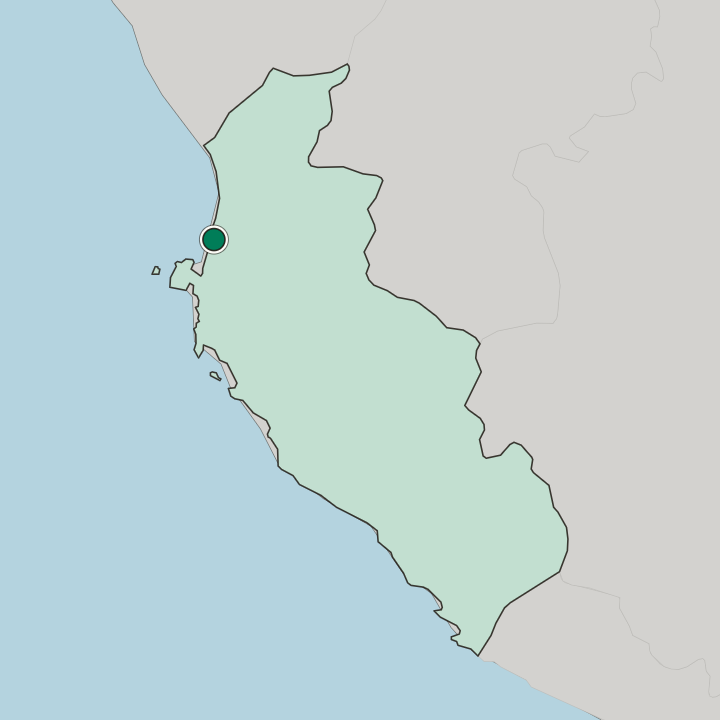
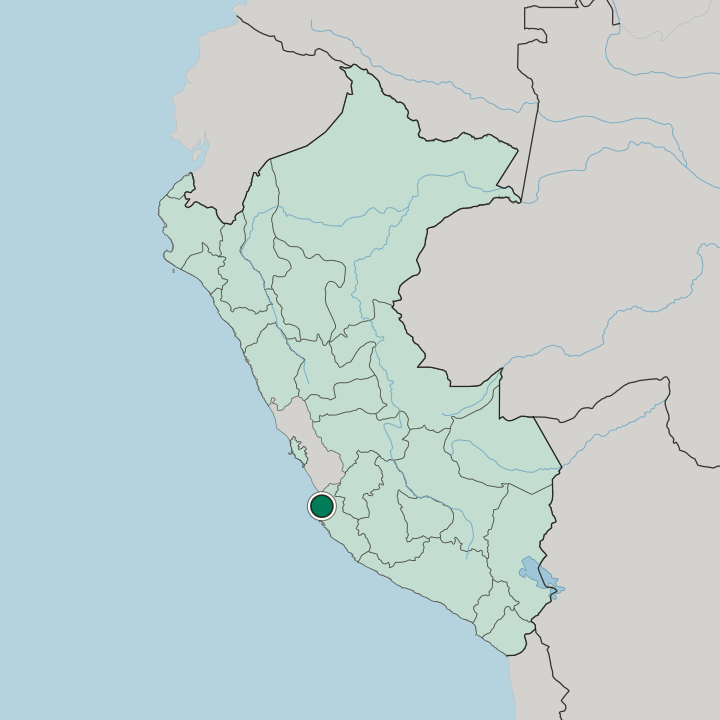
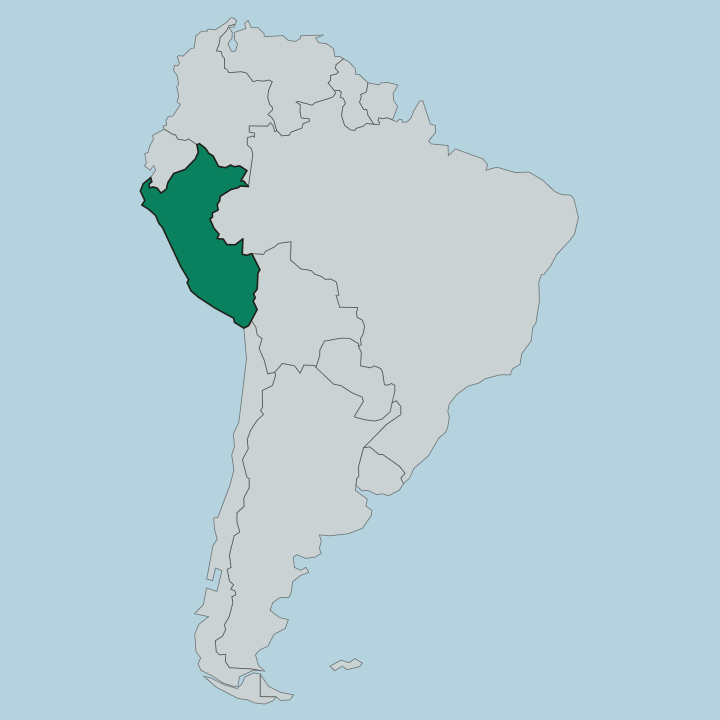
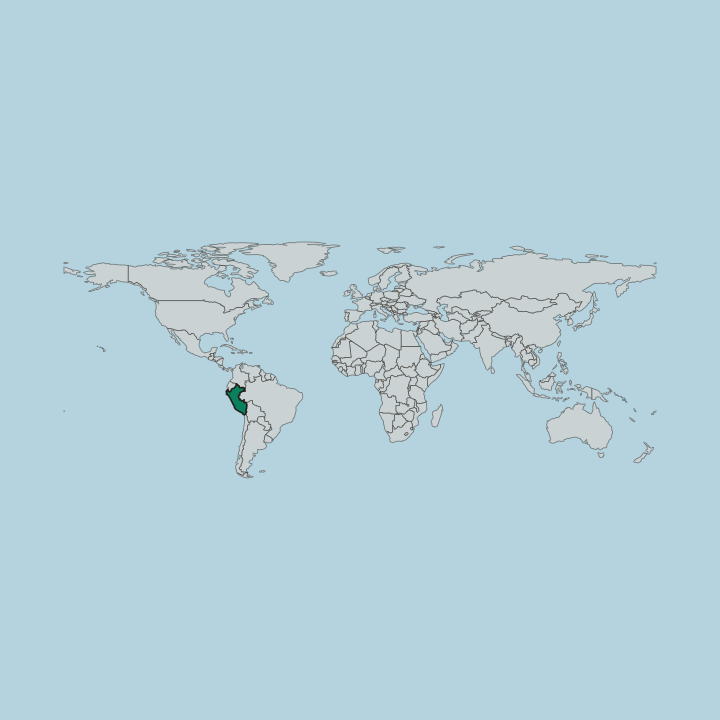
Nine metres above the sea. Pisco stands on the southern coast of Peru just south of Lima, barely above sea level, with the Ballestas Islands offshore and Paracas nearby. Pisco Province surrounds the town, and the Department of Ica takes in the province.
A salt desert lies on the same doorstep.
What is the climate of Pisco?
The salt desert next door says most of it. Pisco sits between that dry ground and the water, which keeps the air mild for the tropics and the rainfall low enough that the desert reaches almost to the town. Seasons swap over here.
South of the equator the warm half of the year runs from late in one calendar into the early months of the next.
How do you get to Pisco?
Most people arrive from Lima. Pisco lies just south of Lima on the southern coast, which puts it within a straightforward run down the coast rather than at the end of a long detour inland. Onward travel is the point.
Trips to the Ballestas Islands and to Paracas start from here, and the town's own arrivals are almost all part of that itinerary rather than an end in themselves.
Common questions
What is the best area to stay in Pisco?
The Pisco port side: Stays that keep the working port of Pisco in view. Around iglesia de la compañía de Jesús y dependencias de Pisco: A short walk covering Pisco's one named monument. Paracas: Nights nearer Paracas and the run to the Ballestas Islands.
Good for
More cities in Departamento de Ica
Updated September 2026