Peru · Departamento de Piura
Where to Stay in Paita, Departamento de Piura
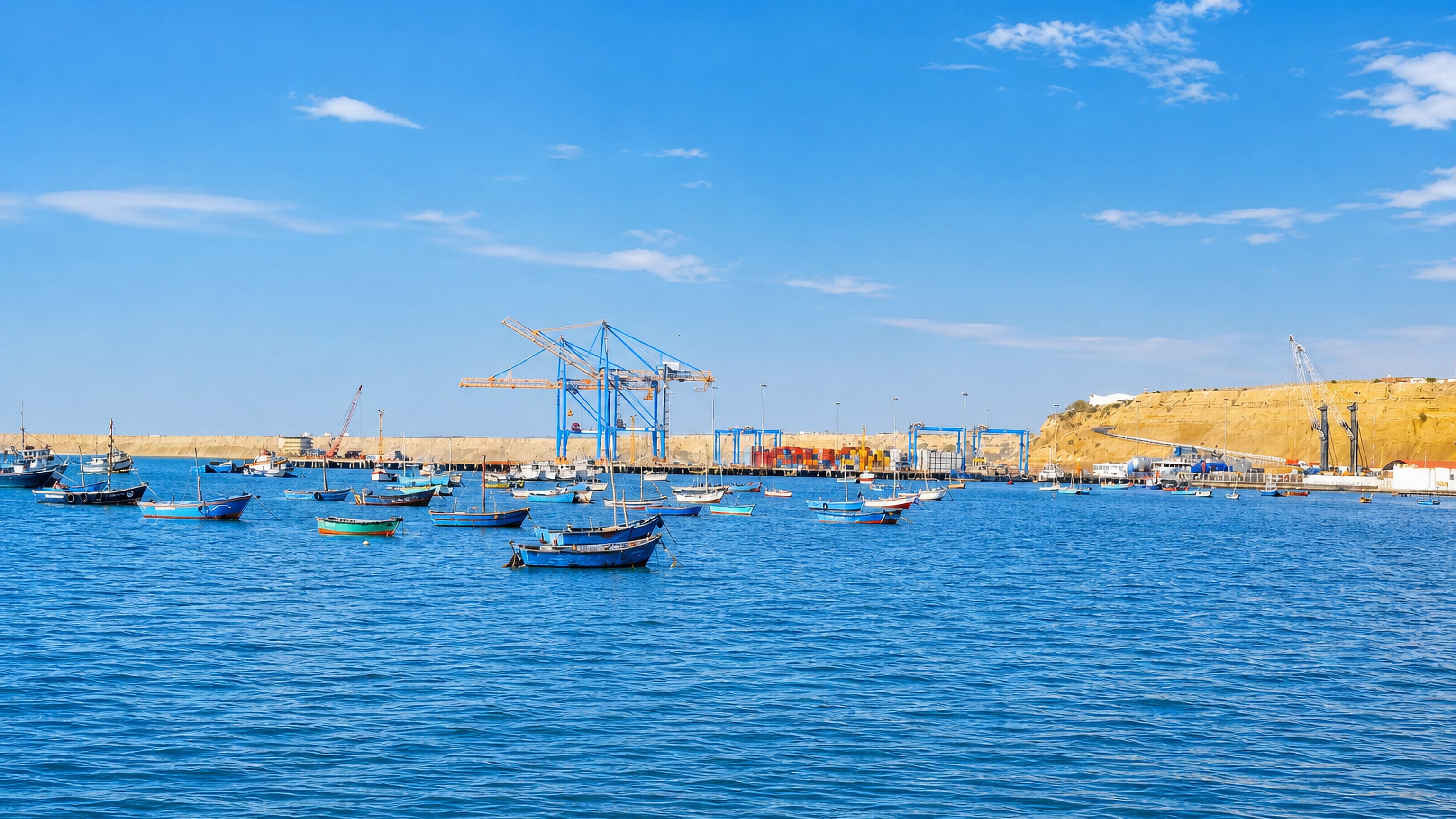
Paita works as a seaport. Capital of Paita Province in northwestern Peru, it sits on the coast northwest of the regional capital, Piura.
Hotel links are affiliate links: booking through them may earn us a commission, at no extra cost to you. It never affects how places are ranked. How this works


Where to stay in Paita
Where the beds are, and what that means for the visit.
Two sides, then: the quays, or Iglesia de San Lucas. Rooms nearest the quays put the harbour front and the sea-facing streets within a short walk, which suits anyone whose reason for coming to Paita is the water itself. Cargo keeps that edge busy.
The other choice gathers around Iglesia de San Lucas, where a stay trades the harbour front for the offices, shops and everyday traffic of the seat of Paita Province. That second side suits slower stays. Anyone in town on provincial business gains from it, since Paita holds the seat of Paita Province and the paperwork of the whole province is transacted in the streets rather than on the quays.
Choice stays modest either way. A larger base sits along the road. Piura, the regional capital, carries the bigger stock of rooms in the Piura Region and stands 57 km from Paita, so some visitors sleep there and come to the coast for the day.
The trade is simple. One base puts the port outside the window, the other puts a bigger city around it, and the choice usually follows whether the harbour or the wider hotel list matters more.
Find hotels in Paita
Direct booking searches for these neighbourhoods.
The Paita quays
Rooms on the harbour front sit closest to the port traffic that makes Paita one of the leading seaports of the Piura Region.Find hotels in The Paita quaysProvincial errands within reach of Iglesia de San LucasAround Iglesia de San Lucas
The streets by Iglesia de San Lucas carry the offices of the seat of Paita Province along with the shops that serve them.Find hotels in Around Iglesia de San LucasA wider room list in the regional capital, PiuraPiura
Piura stands 57 km from Paita and holds the larger stock of rooms in the Piura Region for anyone treating the coast as a day trip.Find hotels in PiuraHotel links are affiliate links: booking through them may earn us a commission, at no extra cost to you. It never affects how places are ranked. How this works
About Paita
What is Paita known for?
Port work is what Paita is known for, and the town ranks among the leading seaports of the Piura Region, moving the traffic that comes and goes along this stretch of coast. Iglesia de San Lucas stands as the signature landmark. Provincial business lands here too, since Paita holds the administrative seat of Paita Province and the province carries the town's name.
What are the main landmarks in Paita?
Paita keeps a short roster. Iglesia de San Lucas is the single named monument on Paita's record, a church rather than a fort or a museum, and it carries the town's landmark billing on its own. Past the church, attention shifts seaward.
Cargo moving through one of the leading seaports of the Piura Region gives the town more to watch than any single building.
What is the history of Paita?
Distance explains a lot. The national capital, Lima, lies far to the south-east, which leaves Paita closer in every practical sense to Piura, the regional capital 57 km away. That geometry runs through the town's history.
No founding year sits on the town's record, and what stands there instead is a working coastal settlement that now holds the seat of Paita Province and ranks among the leading seaports of the Piura Region. Iglesia de San Lucas carries a Spanish dedication, and it remains the one built landmark the record names. Above the province stands the Piura Region, and above that Peru, a chain that puts three levels of government between the quays and Lima.
The most recent chapter is political. Starting in 2014, the city weighed ideas for separating from the Piura Region and proclaiming itself the Miguel Grau Region, a proposal that would lift a port town out of the Departamento de Piura. Paita remains the capital of Paita Province.
Trade still does the heavy work, since the harbour rather than the provincial paperwork is what carries the town's name, and cargo has a way of outlasting the arguments about which region it belongs to.
Where is Paita?
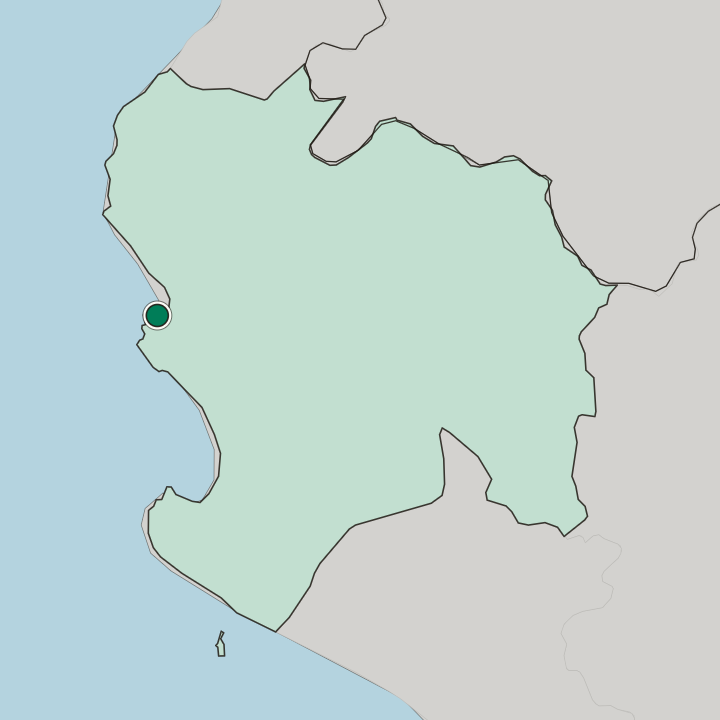
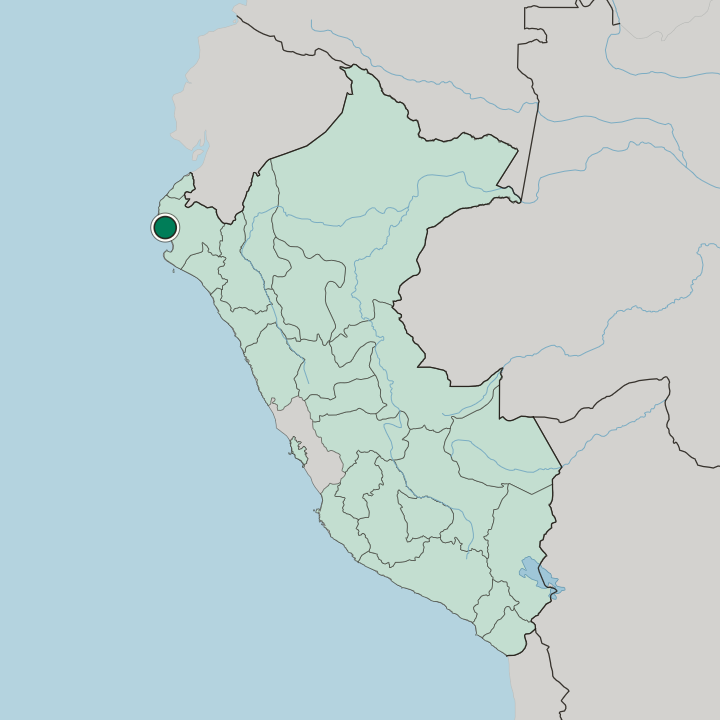
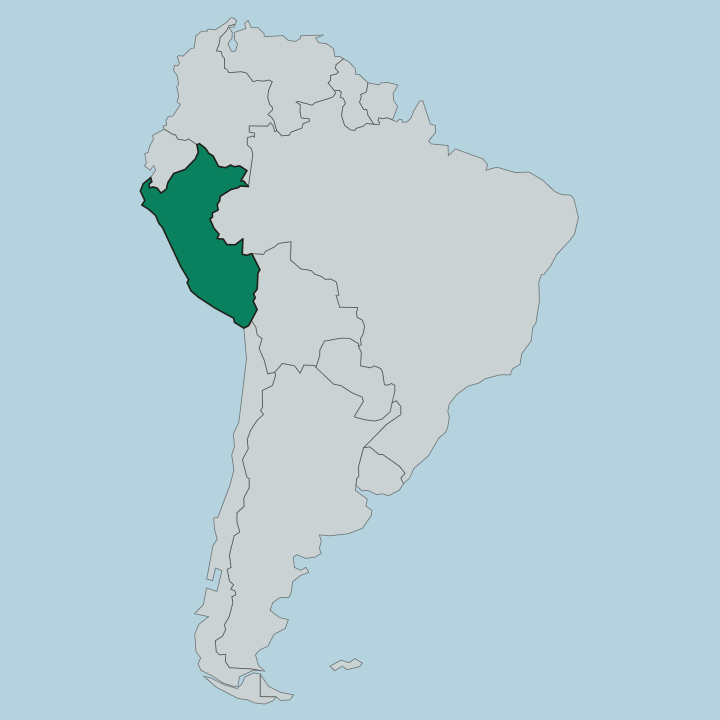
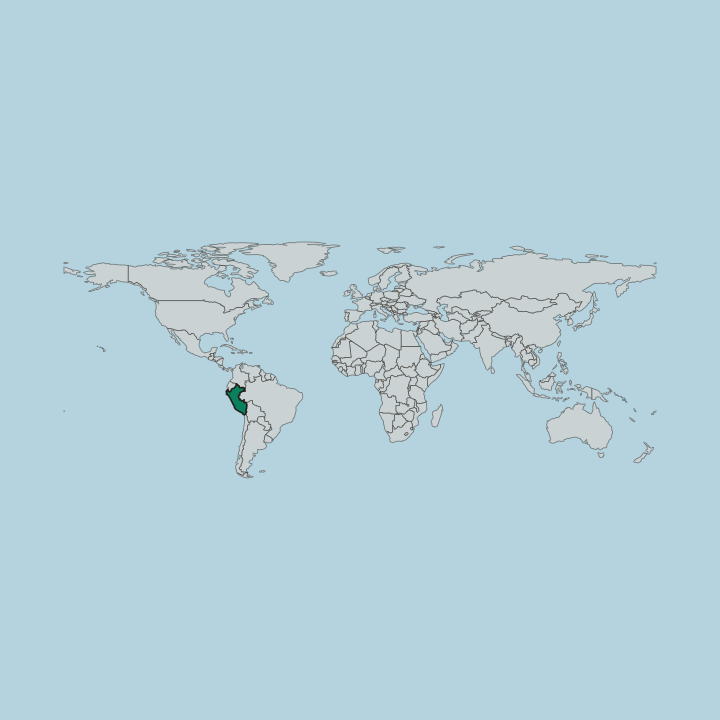
Paita looks straight out to sea. The town holds the coast of northwestern Peru, with Piura 57 km to the south-east and Lima more than a thousand kilometres beyond that. Paita Province spreads around the town, and the Departamento de Piura contains the province in turn.
The province and the town share a name. Everything sits inside the tropics.
What is the climate of Paita?
The tropics set the baseline. Warmth here is steady rather than extreme, because the water off Paita holds its temperature far better than land does and keeps the daily swing narrower than the tropical band alone would suggest. Paita sits in the southern hemisphere, so the warmest months fall at the turn of the year rather than in the middle of it.
How do you get to Paita?
Most arrivals come through Piura. The regional capital lies 57 km away, and the road from there to the coast is the short leg of a journey that usually begins in Lima, more than a thousand kilometres to the south-east. Sea traffic here is commercial.
Paita ranks among the leading seaports of the Piura Region, which means the harbour works for freight while visitors reach the town overland from Piura.
Common questions
What is the best area to stay in Paita?
The Paita quays: Stays built around the working harbour at Paita. Around Iglesia de San Lucas: Provincial errands within reach of Iglesia de San Lucas. Piura: A wider room list in the regional capital, Piura.
More cities in Departamento de Piura
Updated September 2026