Peru · Departamento de Piura
Where to Stay in Piura, Departamento de Piura
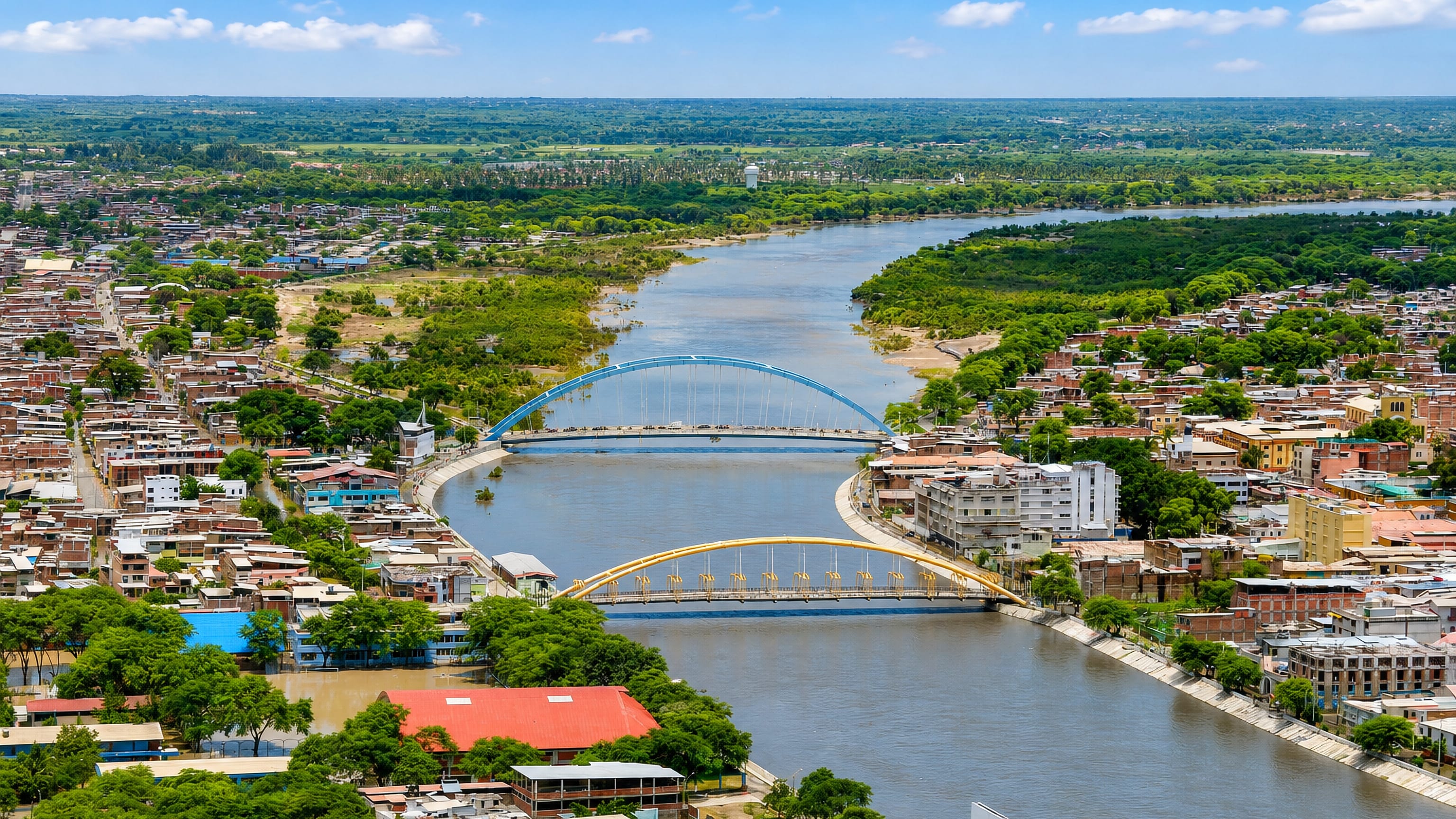
Piura is a city of north Peru, an old town on the edge of the coastal desert, the oldest Spanish city in South America and birthplace of a great admiral.
Hotel links are affiliate links: booking through them may earn us a commission, at no extra cost to you. It never affects how places are ranked. How this works


Where to stay in Piura
How the choice of base plays out on the ground.
In Piura the choice lies between the city streets and the coast beyond. The streets around the plaza keep the churches, the Grau house, and the market within a walk, and staying downtown suits anyone here for the city. Heat hangs in the old town.
The river runs slow through the streets. Out toward the coast and the valleys, the town gives way to the cotton fields, the craft town of Catacaos, and the beaches of the north. A room out of town trades the streets for the green river valleys, the algarrobo desert, and the warm Pacific shore.
The sand runs on to the sea. Stay downtown for the churches, or out for the coast. From the coast road, the plaza of Piura is a short run inland.
Find hotels in Piura
Direct booking searches for these neighbourhoods.
The town centre
Around the main square and the Grau monumentFind hotels in The town centreStays wanting the beaches and craftsThe coast and valleys
West toward the PacificFind hotels in The coast and valleysHotel links are affiliate links: booking through them may earn us a commission, at no extra cost to you. It never affects how places are ranked. How this works
Things to do in Piura
Ranked by global recognition; descriptions from Wikidata (CC0).
Museums & Galleries
2- Casa Museo Gran Almirante Grau Heritage
- Museo Municipal Vicús
Churches & Religious Sites
3- Iglesia de San Francisco de Piura Heritage
- Iglesia del Carmen de Piura Heritage
- Iglesia María Auxiliadora de Piura
Castles & Historic Sites
1- Monumento a Miguel Grau
worth knowingacross 3 categories in Piura
About Piura
Piura is the old Spanish city of the northern desert.
What is Piura known for?
On the Piura river in the dry coastal plain of Peru, it was the first town Spain built in South America, and it keeps the house of Admiral Grau who was born in the city, the gold of the Vicús people in its museum, the craft town of Catacaos with its filigree and straw hats nearby, and the algarrobo woods of the Sechura desert around. The dry plain runs to the sea. Sun beats hard on the sand.
What are the main landmarks in Piura?
The house of Grau is the pride of Piura. The colonial home where the great admiral was born, kept now as a museum of his life and his warship, stands in the old town, the emblem of the city, downtown. A monument marks the plaza.
The statue of Grau stands in the square, while the old churches of San Francisco and El Carmen, the Vicús gold in the town museum, and the craft town of Catacaos mark the country around Piura.
What is the history of Piura?
Piura was the first Spanish city of South America. When Pizarro landed on this coast in his march to conquer the Inca, he founded a town he called San Miguel, the earliest the Spanish built on the continent. The town moved more than once.
Floods and fevers drove the settlers from site to site along the desert rivers, until Piura settled at last on its present bank, a colonial town of churches and courtyards on the edge of the sand. The city gave Peru a hero. Here in Piura was born Miguel Grau, the admiral who fought at sea in the war against Chile and was honored even by his foes for his mercy, and his birth house stands now as a museum.
The desert kept older secrets too. In the sands nearby lay the gold and pottery of the ancient Vicús people, dug from their tombs and gathered into the city's museum, while Catacaos wove its straw and worked its silver, so Piura kept its churches, its hero, and its crafts. The old town dozes in the heat.
Piura keeps its desert and its river in the north of Peru.
Where is Piura?
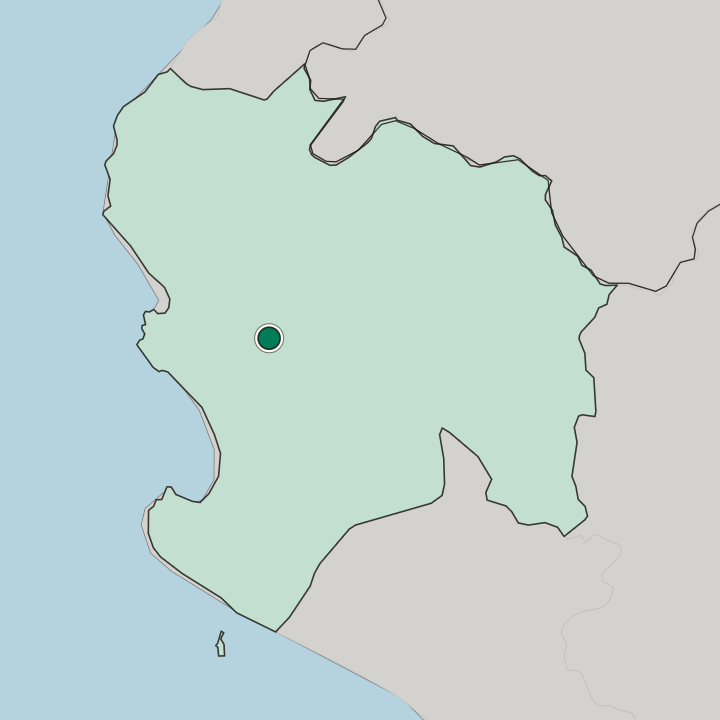
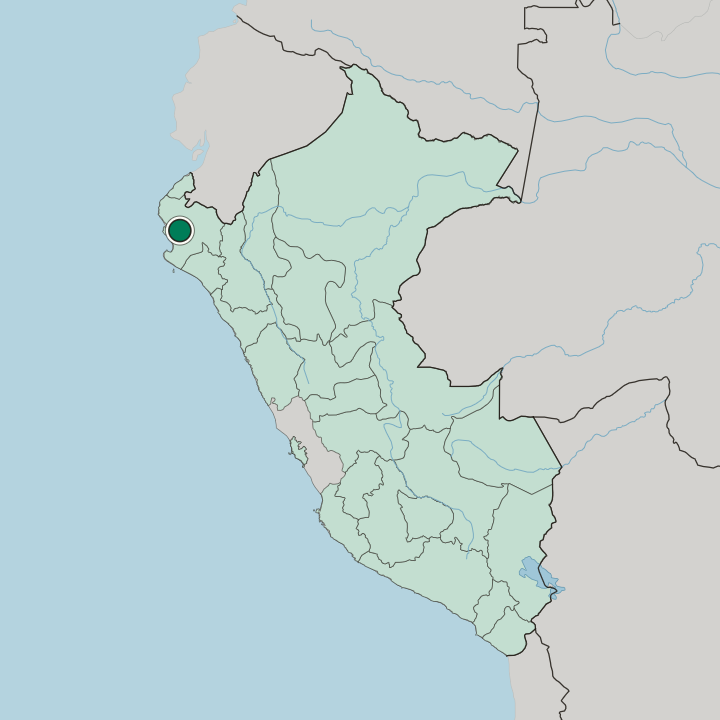
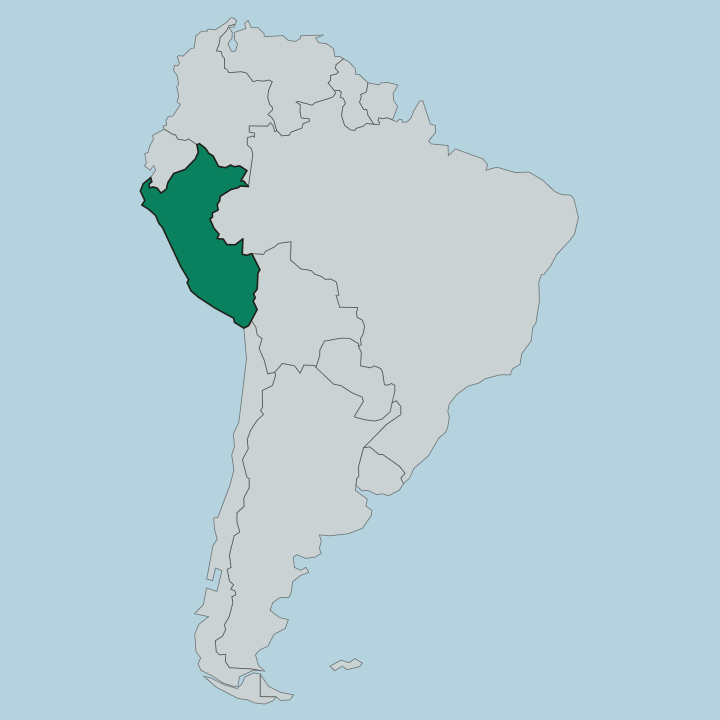
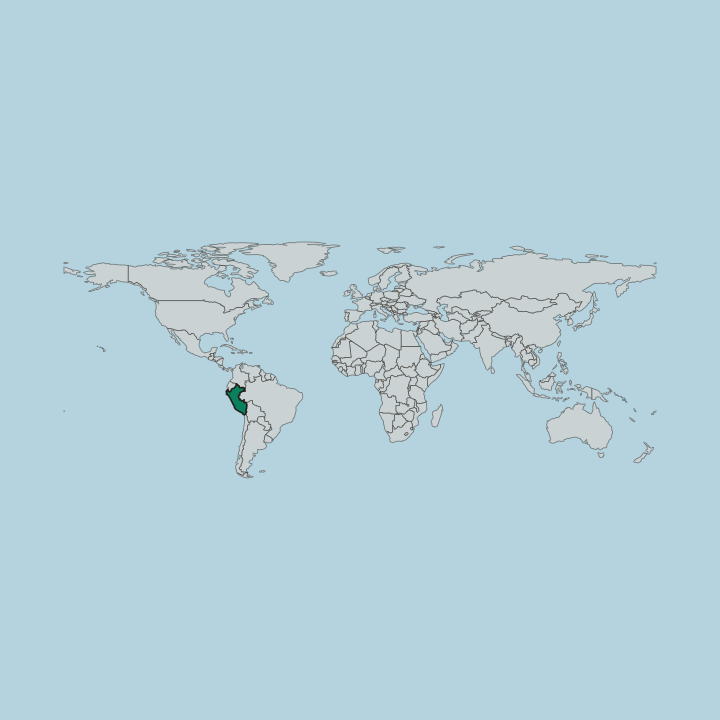
Piura lies in the north of Peru, on the Piura river in the dry coastal plain near the Sechura desert. The city sits on the flat desert bank of the river, a green strip of cotton and rice in a land of sand and algarrobo trees, with the great Sechura desert to the south and the Pacific beaches an hour to the west. The river runs low in the dry.
Bare dunes spread to the south.
What is the climate of Piura?
Piura sits in hot, dry desert country. Warm sunny weather holds all year on the coast, with fierce heat and rare rain, though an El Niño year can bring great floods off the sea. The sun burns the sand.
Rain comes but seldom.
How do you get to Piura?
Piura lies in the far north of Peru, inland from the desert coast. The highway runs to it up the Pan-American road from Lima and the south, and buses carry on north to Ecuador and west to the beaches. Planes land by the town.
Lima lies far down the coast.
Common questions
What is the best area to stay in Piura?
The town centre: Visitors here for the plaza and churches. The coast and valleys: Stays wanting the beaches and crafts.
Good for
More cities in Departamento de Piura
Updated September 2026