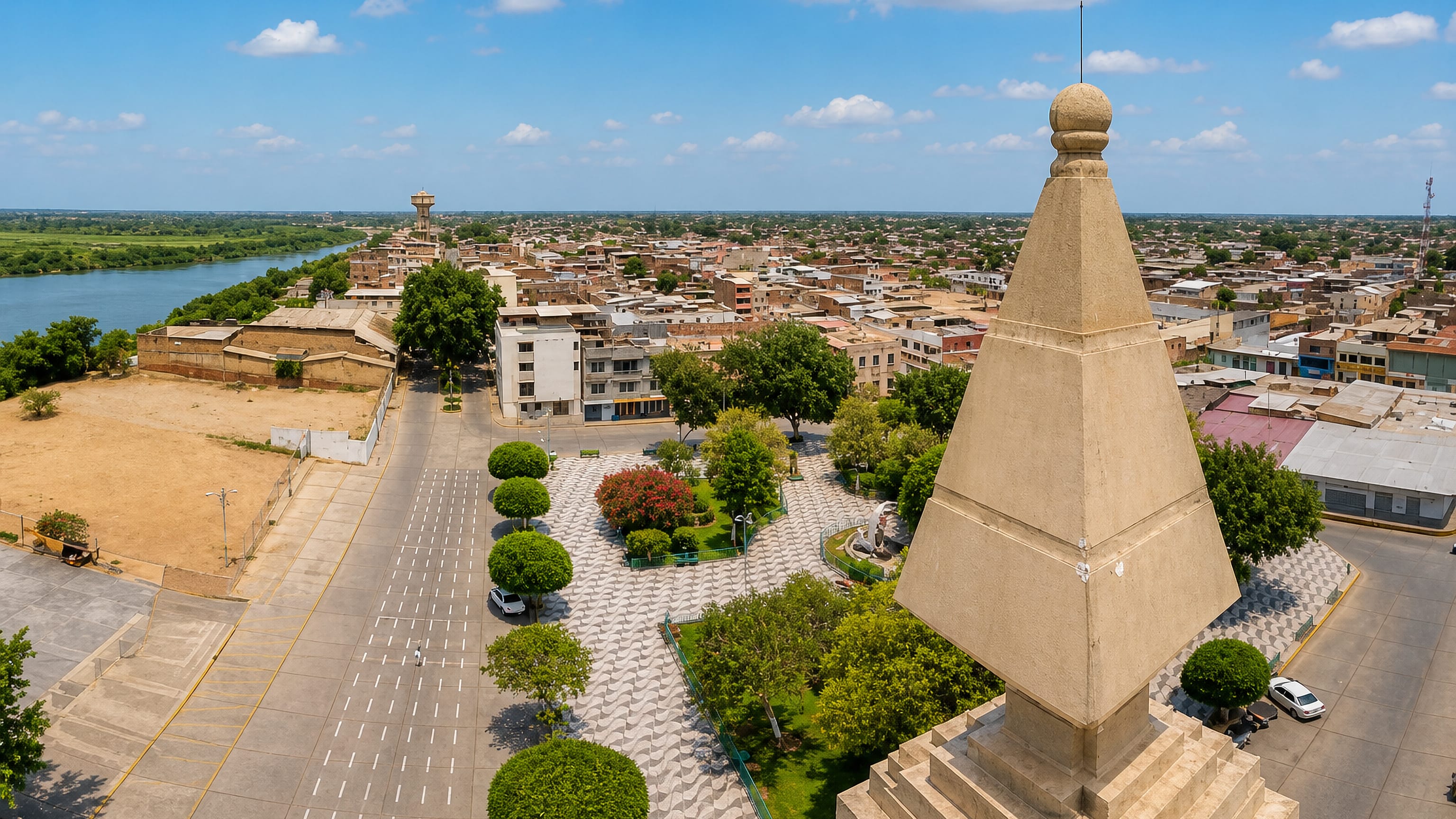
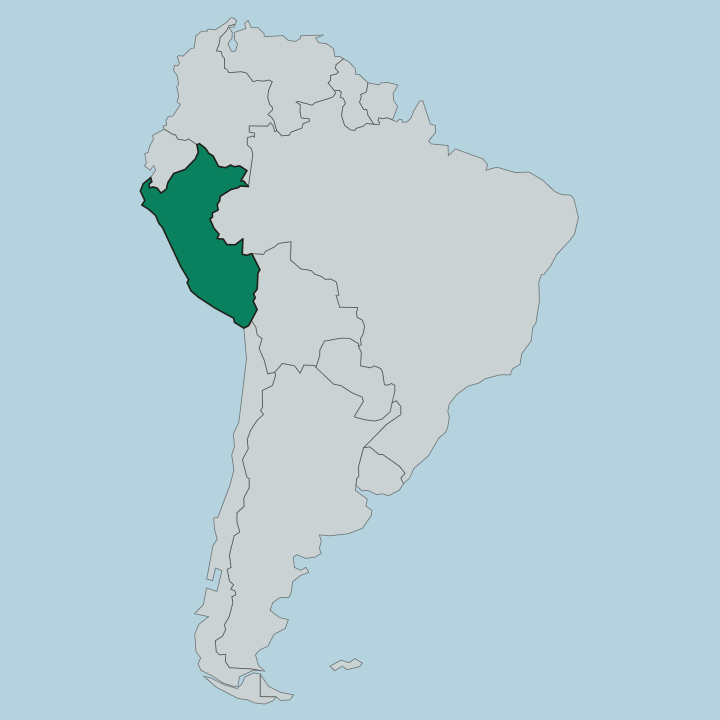
Peru · Departamento de Piura
Where to Stay in Sullana, Departamento de Piura
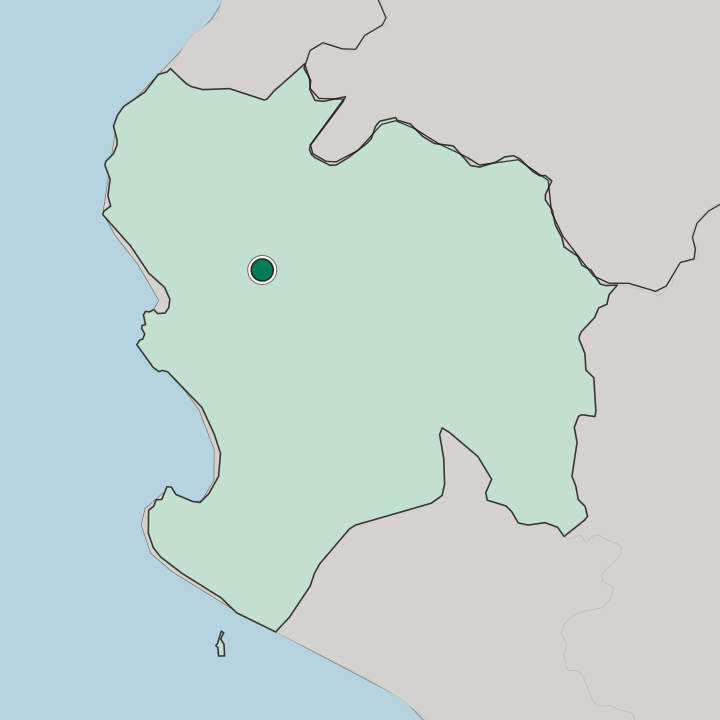
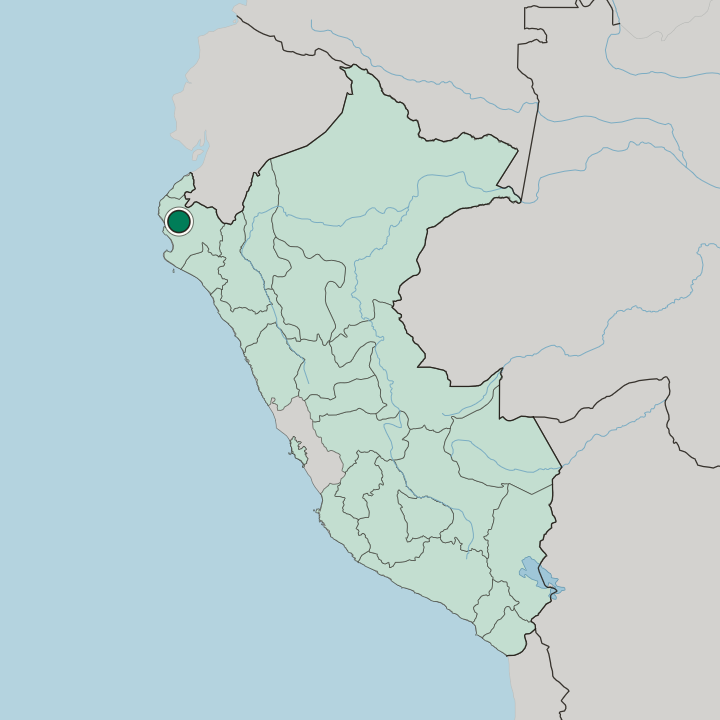
Sullana sits on the Chira valley. The city heads Sullana Province in the Piura region, out on the north-western coastal plains.
Hotel links are affiliate links: booking through them may earn us a commission, at no extra cost to you. It never affects how places are ranked. How this works


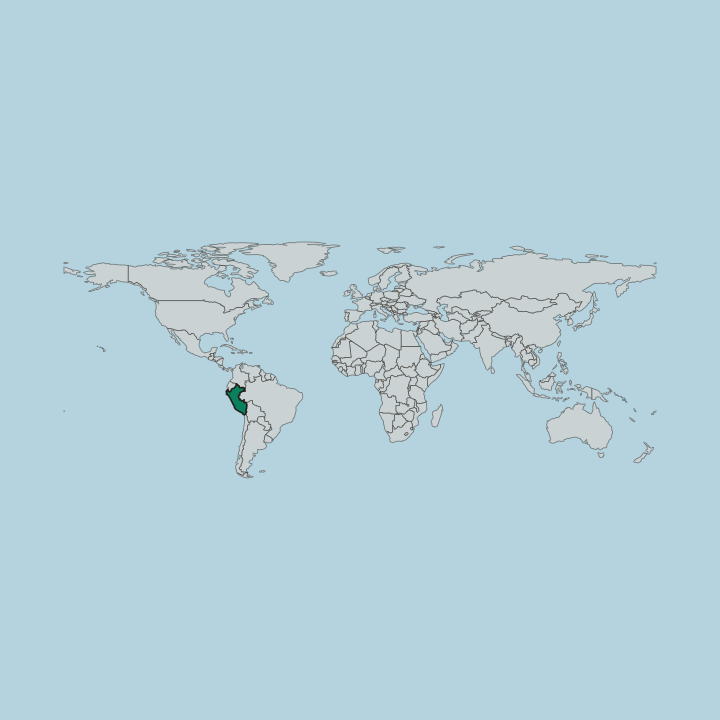
Where to stay in Sullana
The practical side of choosing where to sleep.
Estadio Campeones del 36 or the Chira valley edge: the choice divides there. Rooms in the centre put the offices of Sullana Province, the everyday shops and the streets that carry the city's traffic within reach on foot, which suits a stay built around business rather than sightseeing. That is where most nights are spent.
The city heads Sullana Province from these blocks. Estadio Campeones del 36 gives the other fixed point, and a room near it works for anyone whose visit is timed to a match or who simply wants a landmark to navigate by in an unfamiliar city. Match days aside, the area is ordinary.
The Chira valley opens out past the built edge, and stays on that side trade the noise of the centre for the valley floor and the road out towards the coastal plains. One more thing decides it. Sullana is one of the most important cities in the Piura department, so its room stock answers to commerce and provincial administration rather than to visitors, and the practical choice is proximity to whatever brought the trip about.
Distances inside the city stay short.
Find hotels in Sullana
Direct booking searches for these neighbourhoods.
The Sullana Province seat
The provincial offices of Sullana Province, the shops and the through traffic of the city all sit inside the same central blocks.Find hotels in The Sullana Province seatMatch days at Estadio Campeones del 36Around Estadio Campeones del 36
Estadio Campeones del 36 is the one landmark Sullana has on its list, which makes the streets around it the easiest thing to navigate by.Find hotels in Around Estadio Campeones del 36Quieter nights on the Chira valley side of SullanaThe Chira valley edge
Past the built edge the Chira valley opens onto the north-western coastal plains, and rooms out there swap centre traffic for the valley floor.Find hotels in The Chira valley edgeHotel links are affiliate links: booking through them may earn us a commission, at no extra cost to you. It never affects how places are ranked. How this works
About Sullana
What is Sullana known for?
Sullana counts as one of the most important cities in the Piura department, and the standing comes from its place at the head of Sullana Province rather than from any single monument. Estadio Campeones del 36 is the city's one listed landmark. The Chira valley frames the rest.
A founding date of 1783 gives the city more history than its built record shows.
What are the main landmarks in Sullana?
Sullana's landmark list runs to one entry. Estadio Campeones del 36 is the city's listed landmark, a stadium rather than a church or a museum, and it is the fixed point most visitors will be given when they ask what to see in Sullana. The Chira valley supplies the rest of the view.
Founded in 1783 as Santísima Trinidad de La Punta, the city keeps its oldest heritage in that name rather than in a monument.
What is the history of Sullana?
The city begins with a name that is no longer used. Santísima Trinidad de La Punta was the title given at the founding in 1783, and the shorter Sullana that replaced it is what appears on every map of the Piura region. The site explains the choice.
The Chira valley is the ground the city was set on, and the north-western coastal plains carry it from there towards the sea. Sullana holds the seat of Sullana Province, and the province answers into the Piura department above it. Two centuries separate the founding from the present city.
In that time the settlement on the Chira valley became the seat of Sullana Province and one of the most important cities in the Piura department, a rise recorded in administration rather than in monuments. The stadium is the only structure the list carries. The Departamento de Piura is the unit the province sits inside.
Santísima Trinidad de La Punta survives only as a footnote to the shorter name, and the city that answers to Sullana is a working provincial capital out on the north-western coastal plains.
Where is Sullana?
The Chira valley sets the ground. Sullana lies in the north-western coastal plains, with the Chira valley alongside it and the Piura department spreading around. Nothing here is mountain country.
Two administrative layers sit over the city, Sullana Province first and the Departamento de Piura beyond it.
What is the climate of Sullana?
Sullana sits inside the tropical band, and the north-western coastal plains around it are low ground, so the year runs warm rather than sharply seasonal. Seasons invert here. The southern hemisphere puts the hottest stretch around the turn of the calendar rather than in the middle of it, which reverses the expectations most northern visitors arrive with.
How do you get to Sullana?
Roads do everything here. The north-western coastal plains carry the routes that link Sullana with the rest of the Piura department, and the Chira valley marks the ground they follow. Arrivals are overland.
Sullana Province routes its business through the city, so the traffic that matters is regional rather than long-distance, and most visitors reach the place from elsewhere in the Piura region.
Common questions
What is the best area to stay in Sullana?
The Sullana Province seat: Business at the seat of Sullana Province. Around Estadio Campeones del 36: Match days at Estadio Campeones del 36. The Chira valley edge: Quieter nights on the Chira valley side of Sullana.
More cities in Departamento de Piura
Updated September 2026