Peru · Provincia de Lima
Where to Stay in Lima, Provincia de Lima
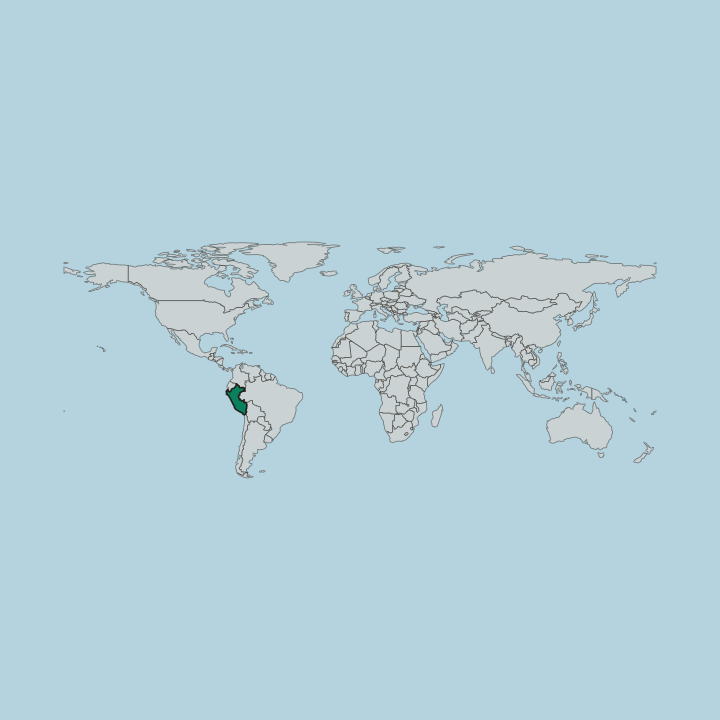
Lima spreads along Peru's desert coast above the Pacific, the national capital founded in 1535, its colonial core crowned by the Cathedral of Lima.
Hotel links are affiliate links: booking through them may earn us a commission, at no extra cost to you. It never affects how places are ranked. How this works


Where to stay in Lima
Where you base yourself shapes the visit — here's the character of each area.
 LimaPeru
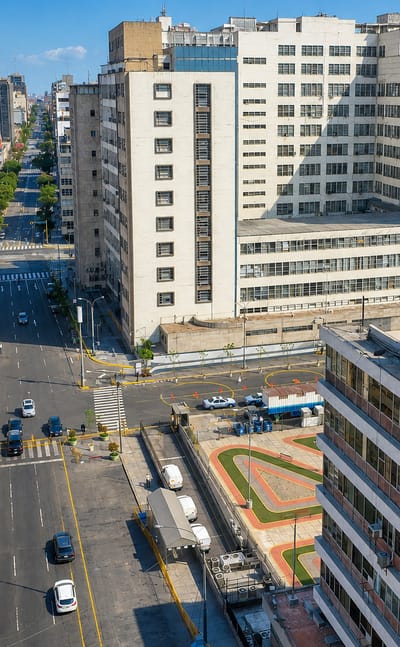
Mesa Redonda
Mesa Redonda is a dense commercial quarter of Lima, edging the historic core near the Basilica of Nuestra Señora de la Merced.Where to stay →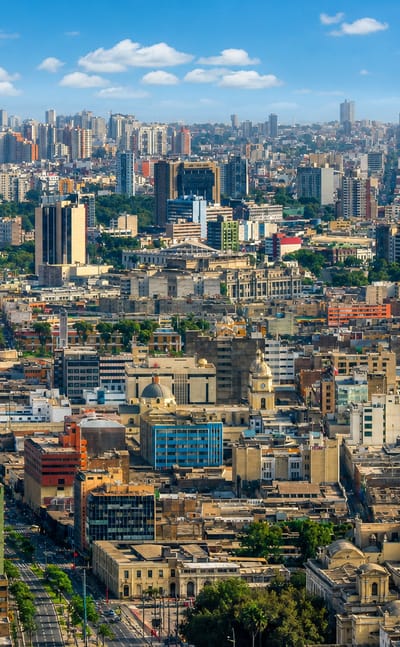 LimaPeru
Historic Centre of Lima
The Historic Centre of Lima is the colonial core of Lima, a walled grid of churches, plazas and convents in the Rímac Valley.Where to stay →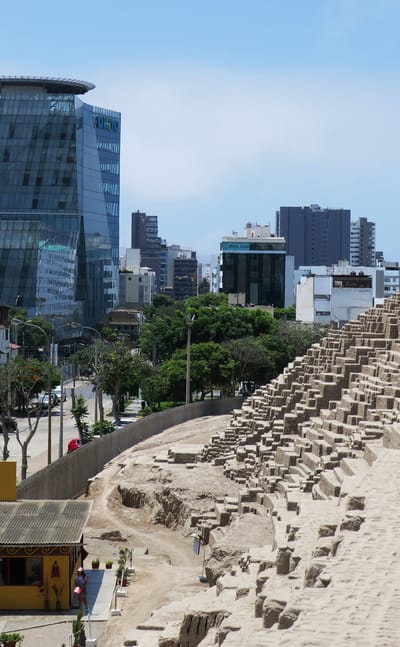 LimaPeru
Damero de Pizarro
Damero de Pizarro is the founding grid of Lima, the checkerboard of streets laid around the Cathedral of Lima.Where to stay → LimaPeru
Miraflores
Miraflores is a residential and upscale shopping district of Lima, Peru, lying south of the city's historic downtown.Where to stay → LimaPeru
Barranco
The sea is the front edge of Barranco, a district of Lima where artists, musicians and designers work and the Ermita de Barranco stands above the beaches.Where to stay →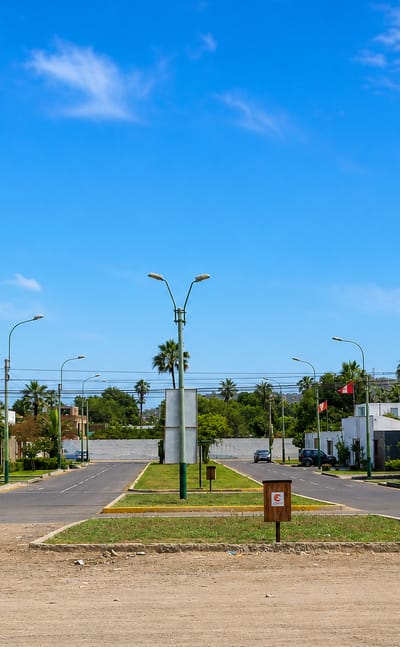 LimaPeru
La Encantada de Villa
La Encantada de Villa is a gated seaside urbanización of Lima, set beside the Pantanos de Villa wetlands.Where to stay →Hotel links are affiliate links: booking through them may earn us a commission, at no extra cost to you. It never affects how places are ranked. How this works
Find hotels in Lima
Direct booking searches for these neighbourhoods.
Historic centre
The old colonial core around the Cathedral of Lima and the Monastery of San Francisco, with the main sights within a short walk.Find hotels in Historic centresea air and clifftop walks above the PacificThe coast
The shoreline districts set above the Pacific, trading the colonial stonework of the centre for ocean views.Find hotels in The coastearly flights and sea arrivalsCallao
The port area beside the city holding Jorge Chávez Airport and the seaport, handy for a first or last night.Find hotels in CallaoHotel links are affiliate links: booking through them may earn us a commission, at no extra cost to you. It never affects how places are ranked. How this works
Things to do in Lima
Ranked by global recognition; descriptions from Wikidata (CC0).
Museums & Galleries
5- Museum of Italian Art Heritage
- Metropolitan Museum of Lima Heritage
- Museo de la Inquisición y del Congreso Heritage
- Museo del Banco Central de Reserva del Perú Heritage
- Museum of the Fighters of Morro de Arica Heritage
Churches & Religious Sites
8- Monastery of San Francisco UNESCO
- Cathedral of Lima Heritage
- Basilica and Convent of Santo Domingo Heritage
- Santuario de Santa Rosa de Lima Heritage
- Sanctuary of Las Nazarenas Heritage
Show 3 more →
- Basilica of Nuestra Señora de la Merced Heritage
- Church of San Agustín, Lima Heritage
- Ermita de Barranco Heritage
Castles & Historic Sites
3- Parque Reducto No. 2 Heritage
- equestrian statue of Simón Bolívar Heritage
- Casa Museo Ricardo Palma Heritage
Nature & Outdoors
1- Alameda Chabuca Granda
Landmarks & Notable Places
2- Casa Suárez Heritage
- Torre Begonias
worth knowingacross 5 categories in Lima
About Lima
What is Lima known for?
Lima is the capital and largest city of Peru, the dominant city of the whole country. Its historic centre is the great draw. Laid out in the colonial era, it gathers the Cathedral of Lima, the Monastery of San Francisco, and a cluster of old churches within a few walkable blocks.
The city is also a museum capital. The Larco Museum and the National Museum of Archaeology, Anthropology, and History of Peru hold some of the finest pre-Columbian collections anywhere.
What are the main landmarks in Lima?
Lima's landmarks cluster in the colonial centre. The Cathedral of Lima stands on the main plaza, beside the old churches and convents that filled the city under Spanish rule. The Monastery of San Francisco is the best known, famous for the bone-lined catacombs beneath it.
Nearby rise the Basilica and Convent of Santo Domingo, the Basilica of Nuestra Señora de la Merced, and the Church of San Agustín. Away from the churches, the Larco Museum and the National Museum of Archaeology, Anthropology, and History of Peru hold vast pre-Columbian collections, and the Museo de la Inquisición marks a darker chapter of the colonial past.
What is the history of Lima?
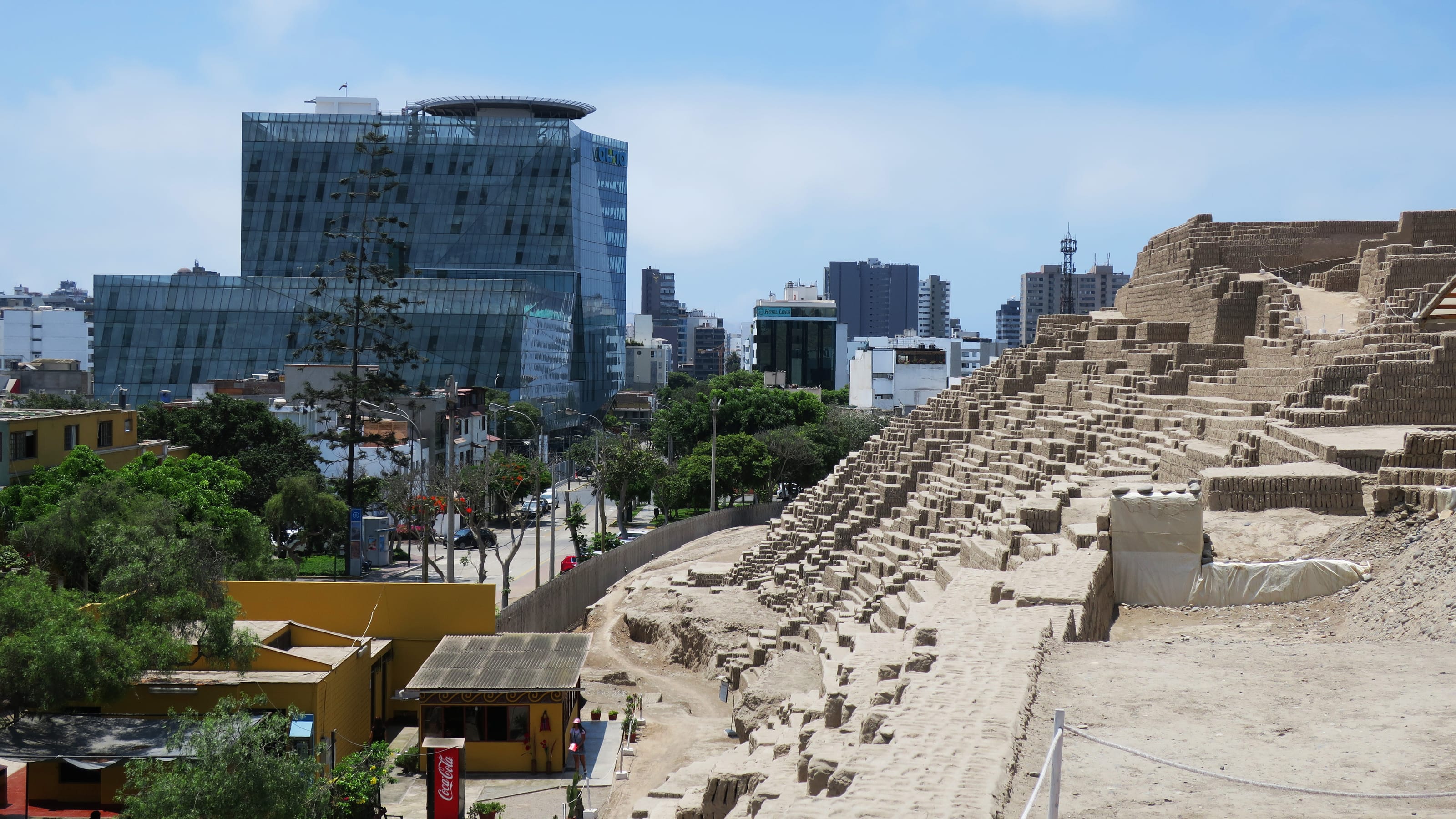
People built on this coast long before the Spanish came. The adobe mound of Huaca Santa Catalina, still standing among the modern streets, dates from those pre-Columbian centuries. The Spanish city was founded in 1535.
Francisco Pizarro laid it out beside the Rímac, and Lima soon became the centre of Spanish power on the Pacific side of South America. Wealth followed the power. The colonial city filled with churches, convents, and grand houses, and it drew the religious orders whose monasteries still line the old centre.
Across three hundred years Lima ruled as a colonial capital. Independence changed that. The equestrian statue of Simón Bolívar, raised to the liberator, marks the break with Spanish rule that made Peru a republic.
Through all of it the city kept its lead. Lima grew into the primate city of the country, far larger than any rival, gathering the government, the trade, and the cultural life of Peru into one place on the coast. The old and the new stand side by side.
Colonial towers rise a short way from glass office blocks such as the Torre Begonias.
Where is Lima?
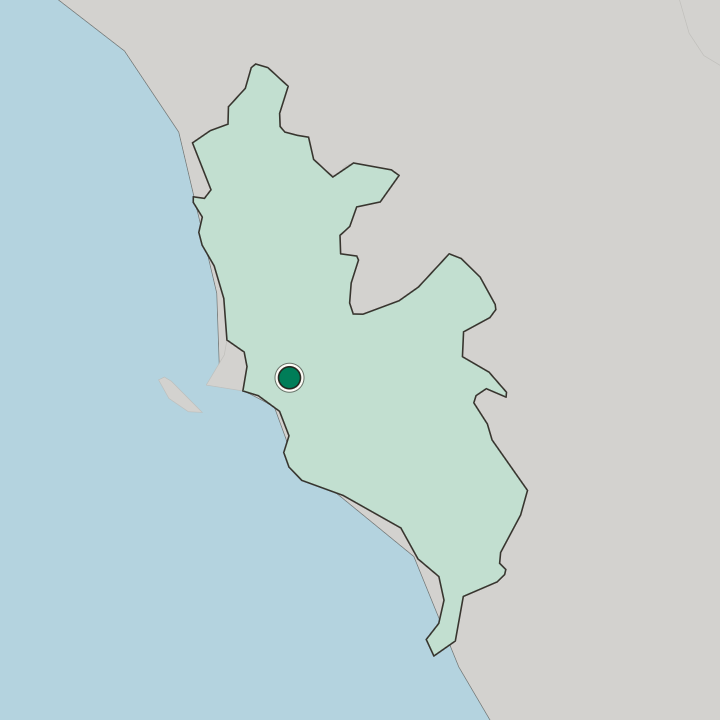
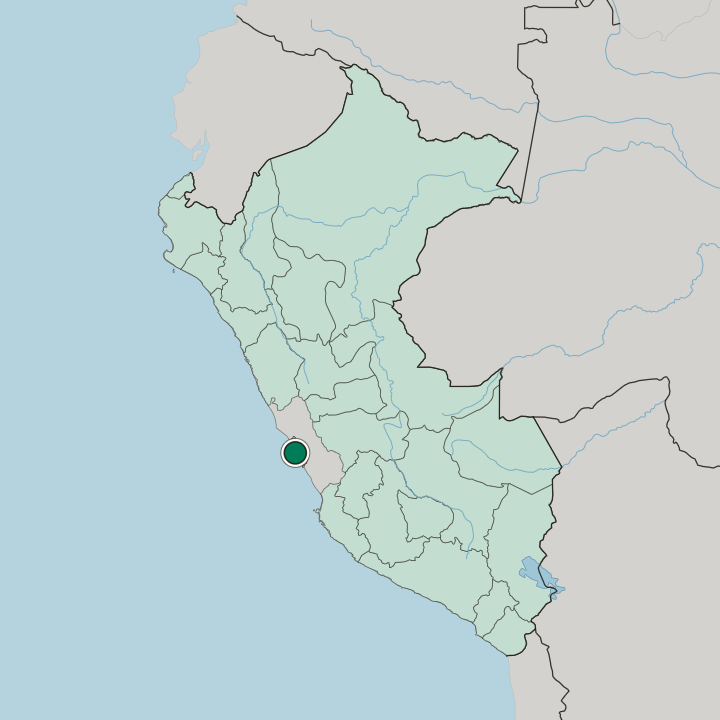
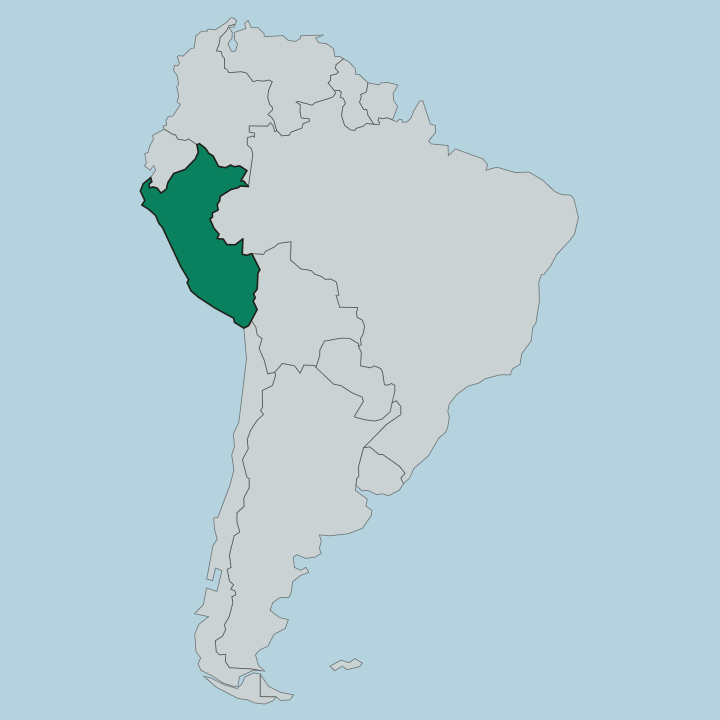
Lima stands on the desert coast of central Peru, overlooking the Pacific Ocean. The city grew in the valley of the Rímac, the river that crosses it, with the Chillón to the north and the Lurín to the south. Between the rivers the ground is dry desert, and the built-up city covers most of it.
To the west the land runs down to the sea at Callao, where the port and airport sit. Cliffs edge parts of the shore. Behind the city the coastal plain rises gently toward the interior.
What is the climate of Lima?
Lima has one of the driest climates of any great city. Rain is almost unknown here. The desert shows in the bare brown hills that ring the built-up area, and the Pacific offshore holds the temperature in a narrow band, mild rather than hot or cold through the year.
Winters bring a low grey overcast that can settle for weeks. Summers are brighter. It is mild, dry, and cloudy.
How do you get to Lima?
Lima is where almost every trip to Peru begins. International flights land at Jorge Chávez Airport, over on the coast at Callao, a short way west of the city centre. From the airport the historic centre is a straightforward drive across the built-up plain.
As the primate city, Lima is also the country's road hub, with highways running north and south along the coast and climbing east toward the interior. Callao adds the sea route. Getting in is easy; getting across the sprawl takes longer.
Common questions
What is the best area to stay in Lima?
Historic centre: colonial churches and museums on foot. The coast: sea air and clifftop walks above the Pacific. Callao: early flights and sea arrivals.
Good for
Updated October 2026