Peru · Provincia de Lima · Lima
Barranco, Lima — Area Guide & Where to Stay
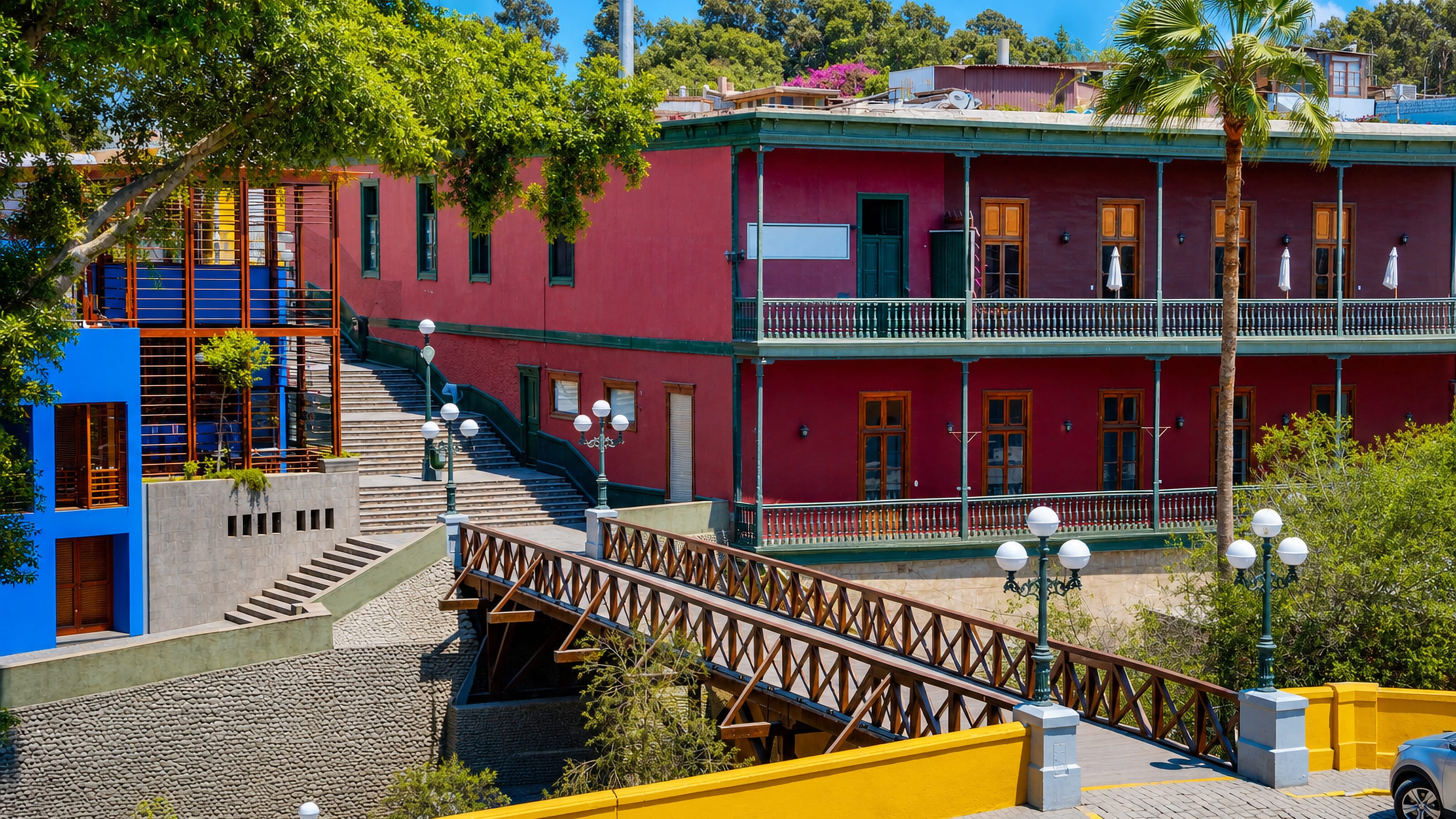
The sea is the front edge of Barranco, a district of Lima where artists, musicians and designers work and the Ermita de Barranco stands above the beaches.
Hotel links are affiliate links: booking through them may earn us a commission, at no extra cost to you. It never affects how places are ranked. How this works


Where to stay in Barranco
How the choice of base plays out on the ground.
The Ermita de Barranco is the point most stays orient on. Rooms sit in the blocks between it and the beaches, close to MAC Lima and the Museo de la Electricidad, which puts the district's galleries and its water within one walk. Lima's centre is elsewhere.
Barranco suits anyone here for the art, the surf or the marina rather than for the capital's official business, and the Obelisco a San Martín marks the civic end of the same few streets.
Find hotels in Barranco
Direct booking searches for these neighbourhoods.
Around the Ermita de Barranco
The Ermita de Barranco is the orientation point for Barranco, and the blocks around it fall between the galleries and the walk down to the beaches.Find hotels in Around the Ermita de BarrancoStays built around MAC Lima and the district's galleriesThe MAC Lima side
MAC Lima anchors the art side of Barranco, and rooms near it keep the Museo de la Electricidad on the same short circuit.Find hotels in The MAC Lima sideSurfing days and the Barranco marinaToward the beaches and the marina
Barranco's beaches and the marina finished in 2008 sit below the district, and beds on that side put the water first.Find hotels in Toward the beaches and the marinaHotel links are affiliate links: booking through them may earn us a commission, at no extra cost to you. It never affects how places are ranked. How this works
Things to do in and around Lima
Ranked by global recognition; descriptions from Wikidata (CC0).
Museums & Galleries
2- MAC Lima
- Museo de la Electricidad
Churches & Religious Sites
2- Ermita de Barranco Heritage
- Iglesia matriz de Barranco Heritage
Castles & Historic Sites
2- Monumento a Chabuca Granda, Lima
- Obelisco a San Martín
worth knowingacross 3 categories in and around Lima
About Barranco
What are the main landmarks in Barranco?
Barranco keeps six named sites in three square kilometres. MAC Lima carries the art side, the Museo de la Electricidad keeps the technical collection, and the Iglesia matriz de Barranco holds the parish at the centre of the district. The Ermita de Barranco anchors the list.
Monumento a Chabuca Granda stands in the open, while the Obelisco a San Martín marks the civic side of the same compact ground.
What is the history of Barranco?
Barranco dates from 1874. The district was drawn on the seaward edge of Lima and grew into the quarter where artists, musicians and photographers from across Peru came to work, which is the reputation it still carries. Its buildings record the sequence.
Ermita de Barranco and the Iglesia matriz de Barranco belong to the older layer, the Museo de la Electricidad and MAC Lima to a later one, and the marina finished in 2008 to the most recent.
Where is Barranco?
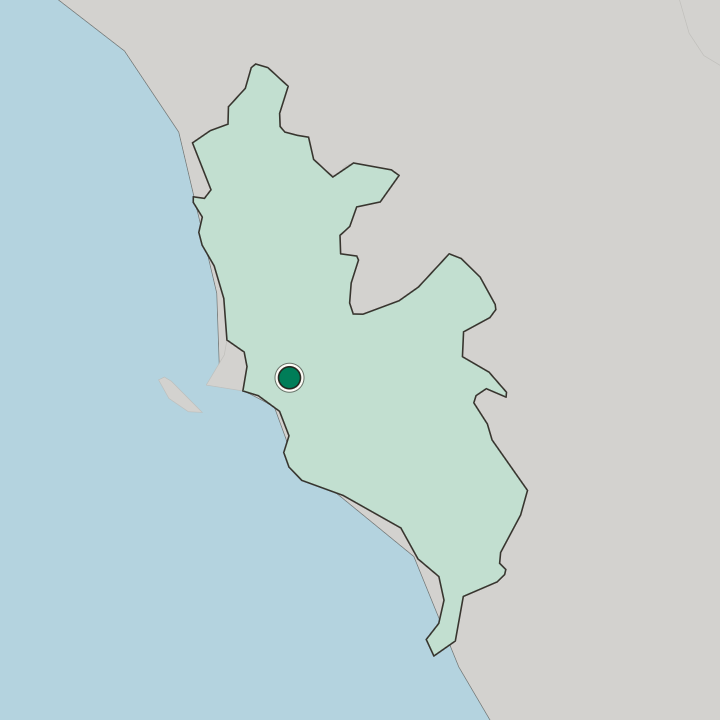
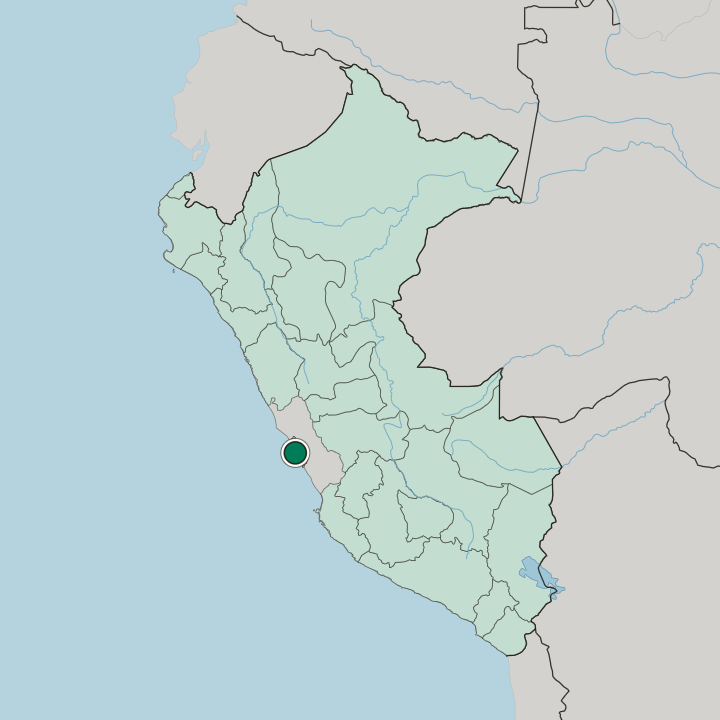
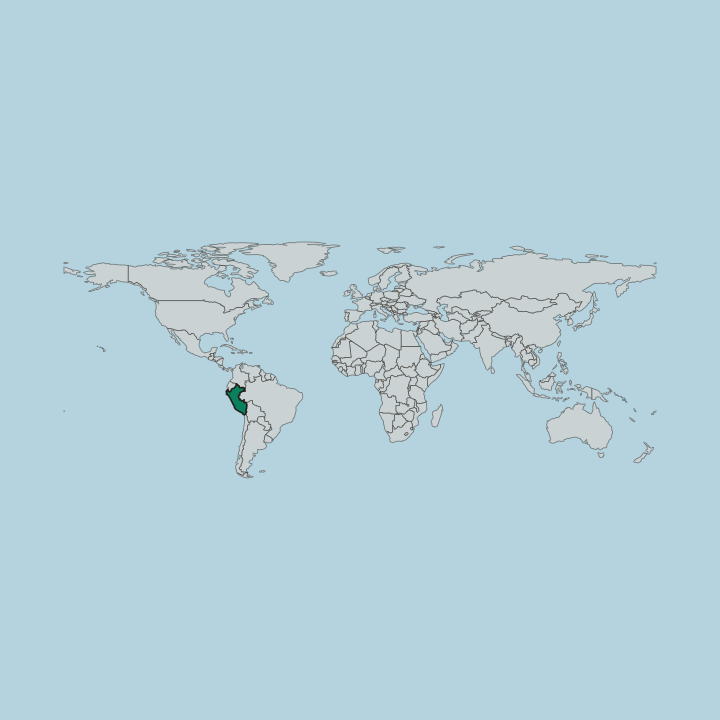
Barranco takes a seaside slice of Lima, a district of some three square kilometres whose edge is beach and whose marina was finished in 2008.
Common questions
What is the best area to stay in Barranco?
Around the Ermita de Barranco: Nights within sight of the Ermita de Barranco. The MAC Lima side: Stays built around MAC Lima and the district's galleries. Toward the beaches and the marina: Surfing days and the Barranco marina.
Good for
More areas in Lima
Updated October 2026