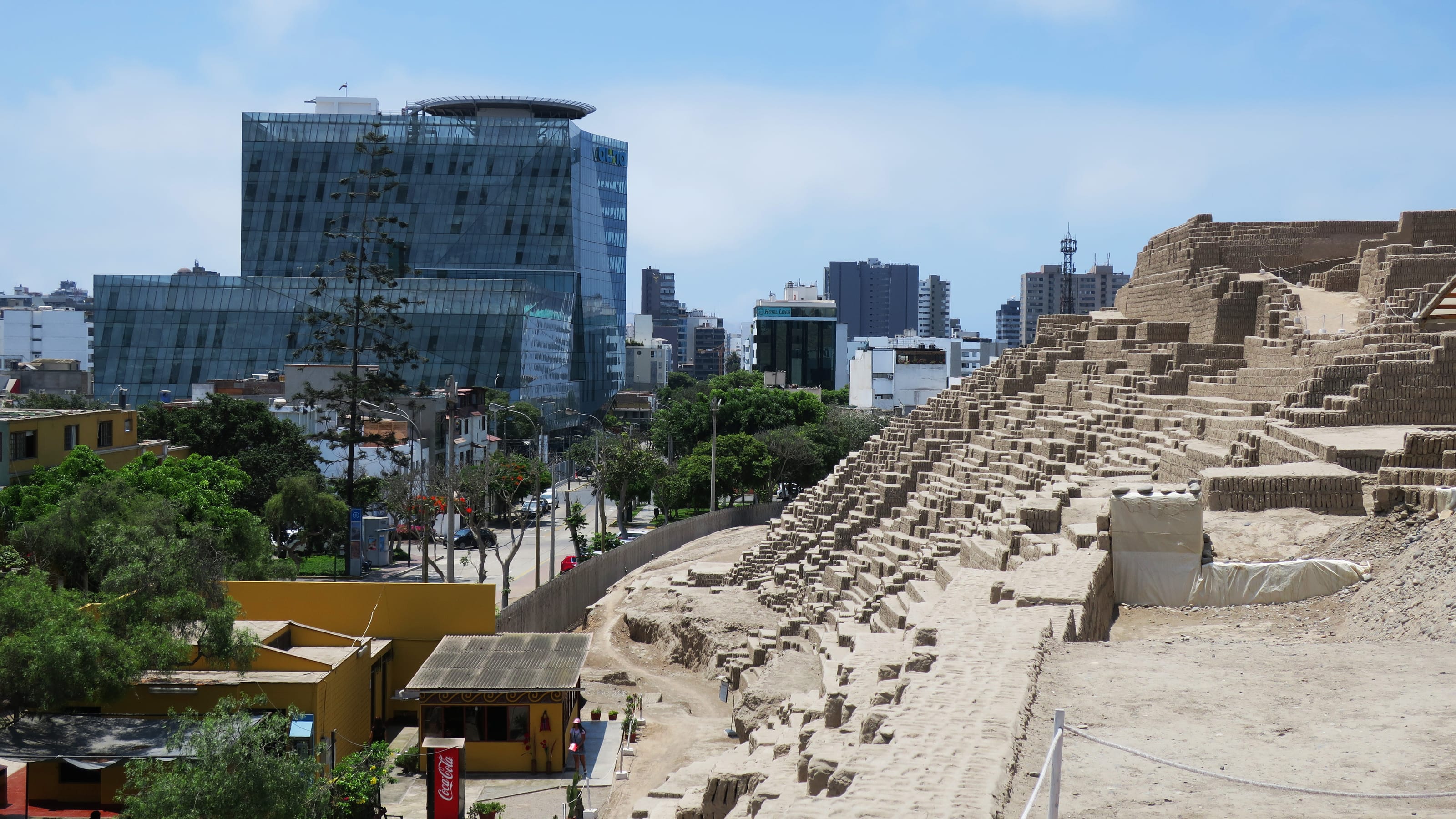
Peru
Provincia de Lima, Peru — Towns & Travel Guide
Provincia de Lima is the coastal desert province around Lima, the capital of Peru, on the Pacific shore fed by three river valleys.
Hotel links are affiliate links: booking through them may earn us a commission, at no extra cost to you. It never affects how places are ranked. How this works


Towns & cities in Provincia de Lima
One town here has its own guide — it links to where to stay.
 Peru
Peru
Lima
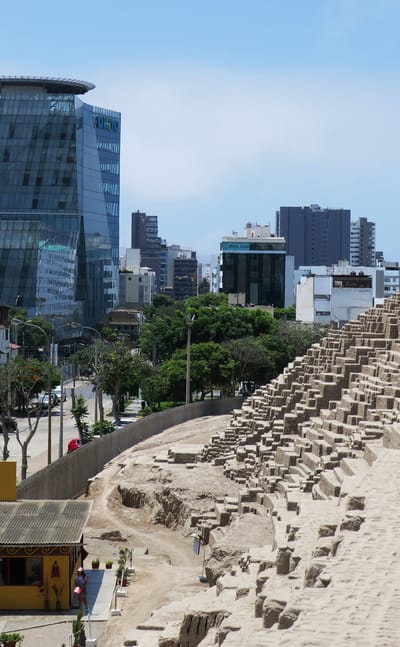
Lima spreads along Peru's desert coast above the Pacific, the national capital founded in 1535, its colonial core crowned by the Cathedral of Lima.Where to stay →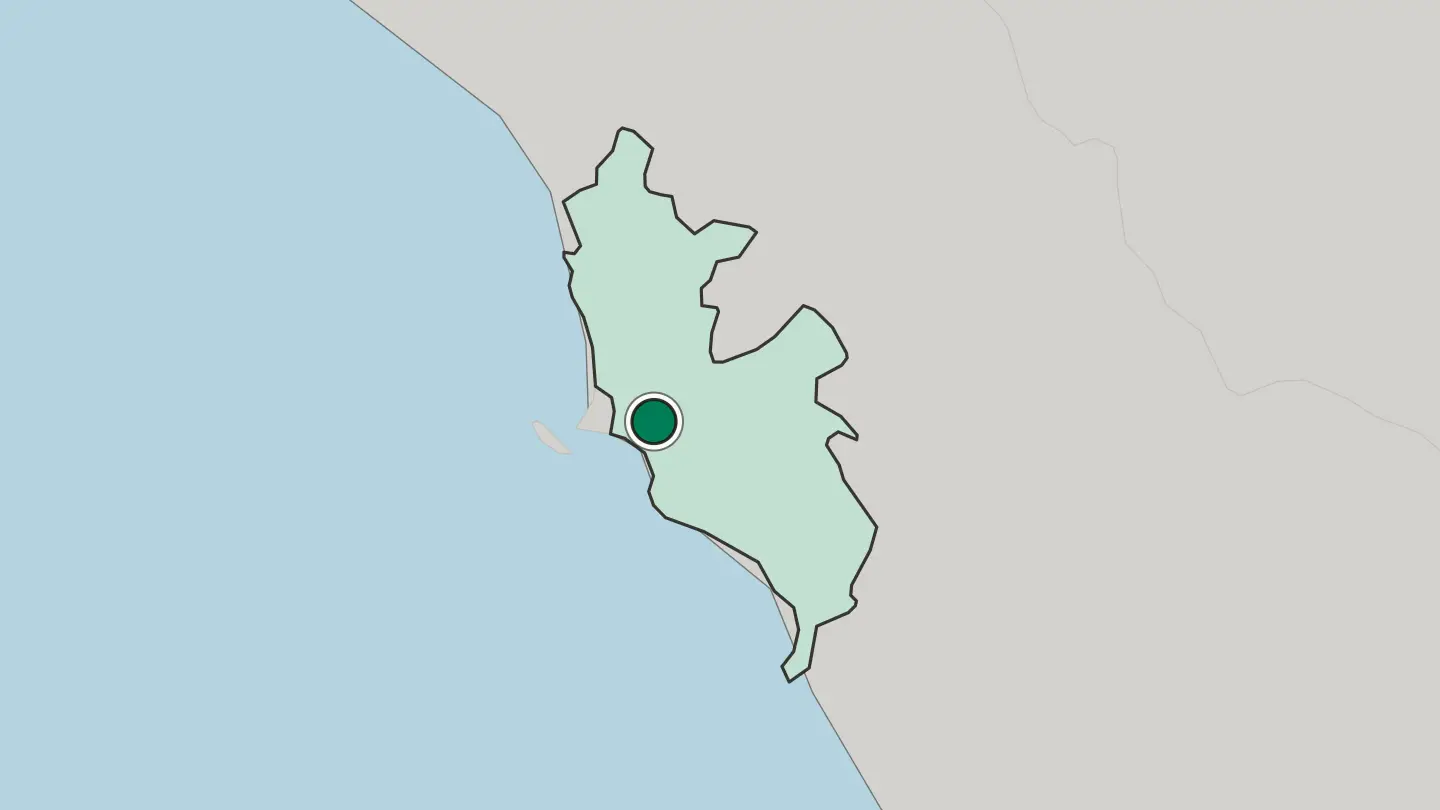
Hotel links are affiliate links: booking through them may earn us a commission, at no extra cost to you. It never affects how places are ranked. How this works
About Provincia de Lima
What is Provincia de Lima known for?
Provincia de Lima is known above all as the home of Lima, the capital of Peru. The city anchors the country. For three centuries it was the seat of Spanish rule, and its old core still holds the churches, cloisters, and monasteries of that colonial age.
West of the centre the province meets the Pacific at Callao, whose port and airport handle much of the nation's traffic with the wider world.
Where is Provincia de Lima?
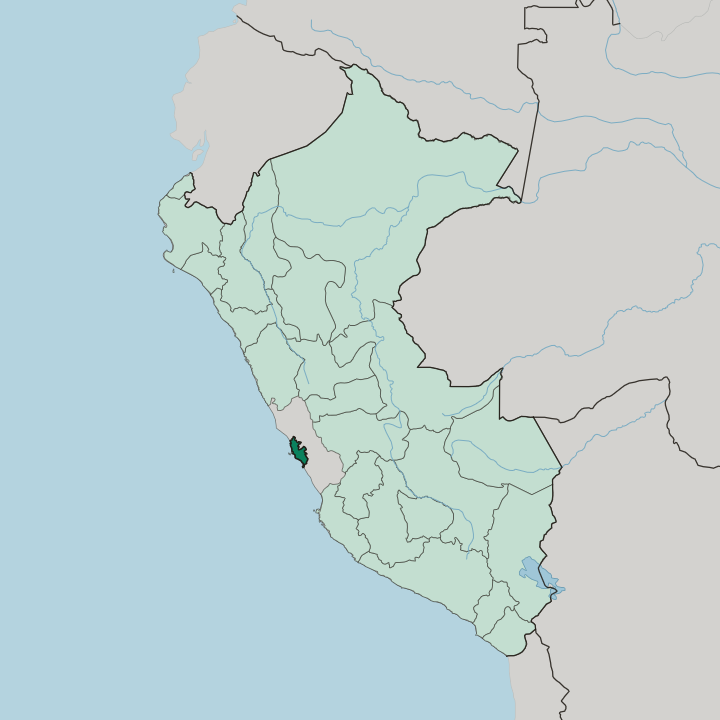
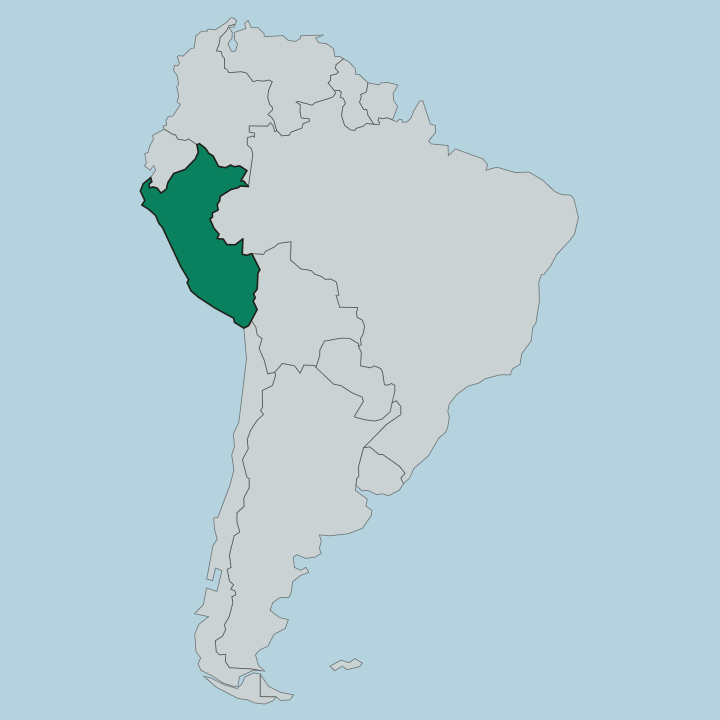
Provincia de Lima lies along the central coastal part of Peru, a desert province facing the Pacific Ocean. The setting is dry. This is a strip of the coastal desert that runs the length of the country, and rain is rare on the shore.
Three rivers cross it. The Chillón, the Rímac, and the Lurín each carve a green valley down through the desert to the sea, and the capital grew up in the valley of the Rímac. Those valleys are the fertile ground in an otherwise arid land.
Each one opens a route from the sea back into the interior, and settlement has always clung to their banks. The province takes in the city of Lima and reaches west to the Pacific at Callao, on the edge of the open ocean. Callao holds the seaport and the main airport, so most arrivals into the province land there.
Inland the ground climbs, and the rivers thread back toward higher country. Between the desert and the sea, the three valleys hold almost everything the province contains. It is a small region built around one great city.
What is Provincia de Lima like?
Provincia de Lima carries the culture of the Peruvian capital at its heart. Lima is the political, cultural, and financial centre of the whole country, and the province lives in its shadow. The deepest layer is colonial.
For three centuries Lima was the seat of Spanish rule, and that long age left the old town its great churches, cloisters, and monasteries, still standing in the historic core. Colonial architecture lines the downtown streets. Spanish is the language of daily life here, spoken across the province and out to the coast at Callao.
City culture dominates. Museums, churches, and the life of the capital set the tone far more than any rural tradition, since almost the whole province is taken up by the built-up coast around Lima. The sea matters too.
Callao and its port have tied the region to the wider world for centuries, drawing people and goods along the Pacific shore. What the province offers travellers is largely what the capital itself offers. It is an urban region, colonial at its root and Peruvian to its core.
What is the history of Provincia de Lima?
Provincia de Lima grew around a city far older than the modern province. Lima itself was founded in 1535 by the Spanish conquistador Francisco Pizarro, and for some three centuries it served as the seat of Spanish rule on this coast. The province as an administrative unit is far younger.
It gained its own regional government in 2002, long after the city at its centre had shaped the surrounding coast.
What is the climate of Provincia de Lima?
Provincia de Lima has a coastal desert climate. Rain almost never falls on the shore. The Pacific Ocean keeps the temperature mild through the year, without the extremes of the interior, and long spells of low grey cloud settle over the coast in the cooler months.
The river valleys stay a little greener than the bare desert around them. It is dry, mild, and often overcast.
How do you get to Provincia de Lima?
Provincia de Lima is the main point of entry into Peru, and most travellers arrive at Jorge Chávez Airport in Callao. The airport sits on the coast west of the capital, close to the seaport that handles the region's shipping. From there the city of Lima is a short drive inland.
Road and rail run out along the desert coast and up the river valleys toward the interior. Nearly everyone begins here.
Common questions
What is the best area to stay in Provincia de Lima?
Lima: first-timers and the colonial old town. Callao: arrivals by air and sea.
Good for
More regions in Peru
Updated September 2026