Philippines · Cagayan Valley
Where to Stay in Aparri, Cagayan Valley
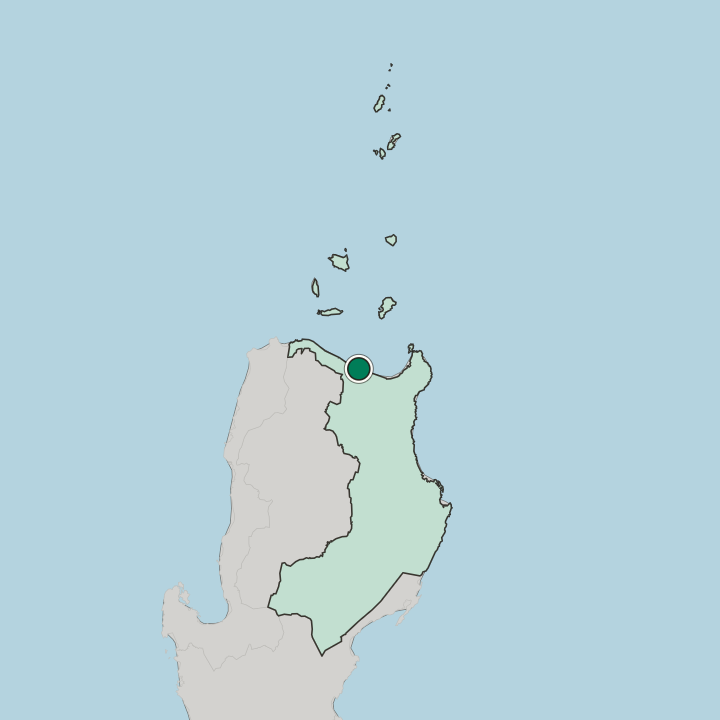
Aparri holds the Cagayan River's mouth. The river drains here into the Babuyan Channel, at the seaward end of Cagayan in the Cagayan Valley.
Hotel links are affiliate links: booking through them may earn us a commission, at no extra cost to you. It never affects how places are ranked. How this works


Where to stay in Aparri
The practical side of choosing where to sleep.
Rooms in Aparri sit on the mainland, near the point where the Cagayan River gives up its water to the Babuyan Channel. That is the working part of the town, and a bed there keeps a visitor within reach of the waterfront, the crossing places and whatever business the day on the river requires. Everything else is a boat ride.
Fuga Island is the complication worth planning for. It belongs to the Municipality of Aparri, and yet the island is handled as a separate destination rather than as an outlying neighbourhood, which means a night on the mainland and a day out on Fuga Island are two decisions, not one. Rooms out there are not a given.
Northern Cagayan does not offer many alternatives at this end of the valley. Aparri is the substantial place at the river mouth, so a traveller working along the coast of the Babuyan Channel or coming down the length of the Cagayan Valley will find the choice here rather than in the smaller settlements around, and the town's roughly 287 square kilometres of territory hold most of what there is. The river decides the rest of the layout.
Find hotels in Aparri
Direct booking searches for these neighbourhoods.
The Cagayan River mouth
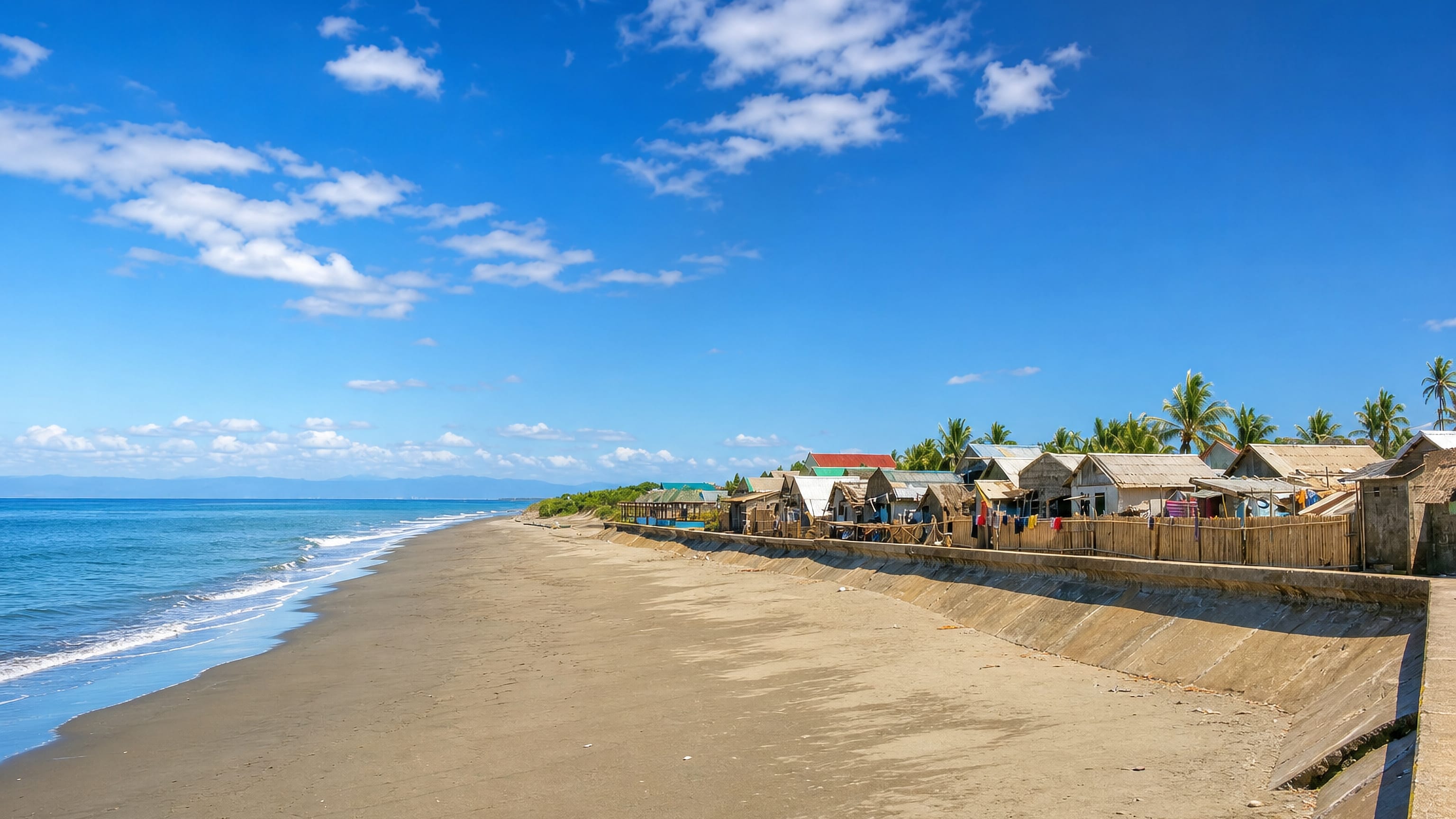
The mainland half of Aparri gathers around the river mouth, so a room here puts the water of the Babuyan Channel and the last reach of the Cagayan River within sight of each other.Find hotels in The Cagayan River mouthDays on Fuga Island, counted into Aparri but reached separatelyFuga Island
Fuga Island belongs to the Municipality of Aparri on the administrative record while being treated as its own destination, so beds there cannot be assumed. Rooms are few around here — worth securing early.Find hotels in Fuga IslandHotel links are affiliate links: booking through them may earn us a commission, at no extra cost to you. It never affects how places are ranked. How this works
About Aparri
The river mouth is the whole point.
What is Aparri known for?
Aparri stands where the Cagayan River finishes its run and drains into the Babuyan Channel, which fixes the town at the sea end of the river that shares its name with the Cagayan Valley region. Fuga Island complicates the map. The island belongs to the Municipality of Aparri on paper, yet it is treated as a destination in its own right, so the mainland part of the town is what a visitor usually means by Aparri.
What are the main landmarks in Aparri?
Water supplies the landmarks here. No monument is recorded for Aparri, so what a visitor looks at is the mouth of the Cagayan River, the open water of the Babuyan Channel beyond it, and Fuga Island lying offshore within the same municipal boundary. The record names nothing built.
Cagayan keeps its listed monuments elsewhere in the province.
What is the history of Aparri?
The Philippine record skips Aparri's founding date. Aparri appears on it as the Municipality of Aparri without the charter date that most towns of the Philippines carry, which leaves the geography to account for the settlement in place of a document. The Cagayan River accounts for it well enough.
A river mouth opening onto a channel is the sort of site that gets occupied early and stays occupied, because everything moving down the length of a valley has to arrive here before it reaches open water. Administration drew a wider line than the town itself. Fuga Island lies offshore and is counted into the municipality, so the Aparri of the record is larger than the Aparri anyone walks around, and the island is described separately from the mainland for exactly that reason.
The names repeat one another across the map. Cagayan is the province, Cagayan Valley the region, and the Cagayan River runs through both to reach the Babuyan Channel at this point. Roughly 287 square kilometres are held under the one municipal name.
What the record does not hold is a date for when any of it began.
Where is Aparri?
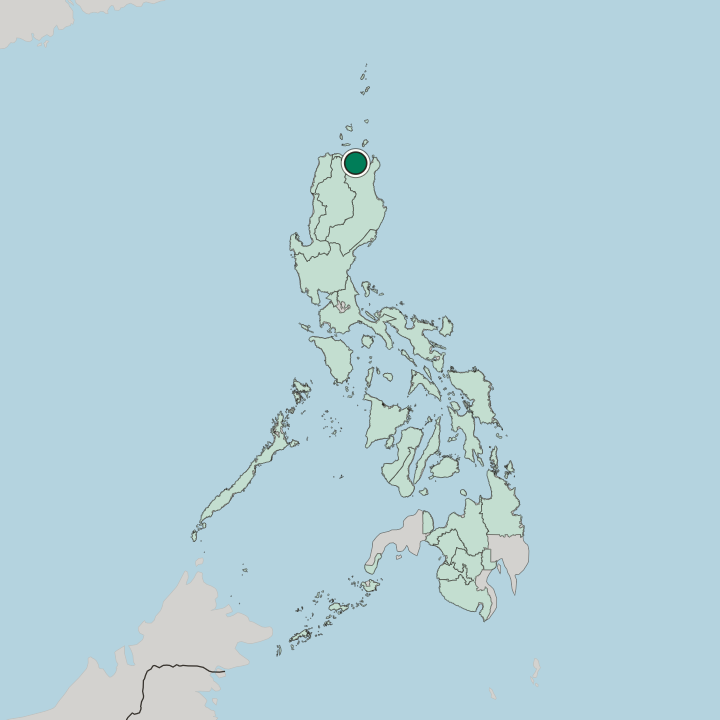
Two waters meet at Aparri. The Cagayan River arrives at the end of its course through the Cagayan Valley and empties into the Babuyan Channel, and the town spreads across roughly 287 square kilometres on the mainland side of that junction, with Fuga Island offshore inside the same boundary. Northern Cagayan ends at this shore.
The tropics take in all of it, well north of the equator.
What is the climate of Aparri?
The Babuyan Channel sets the terms. Open water on the seaward side keeps the range of temperature at Aparri narrower than anywhere inland along the Cagayan Valley, and what changes across the year is the rain rather than the heat. Wet and dry divide the calendar.
The Cagayan River carries the wet season down from the valley and delivers it here.
How do you get to Aparri?
The valley is the road in. Coming to Aparri overland means following the Cagayan River down the length of the Cagayan Valley until the province of Cagayan runs out at the Babuyan Channel, which is a long approach with the town at the end of it rather than on the way to anywhere. Fuga Island is the exception.
Reaching it takes a boat, since the island sits offshore despite belonging to the Municipality of Aparri.
Common questions
What is the best area to stay in Aparri?
The Cagayan River mouth: Nights at the point where the Cagayan River meets the Babuyan Channel. Fuga Island: Days on Fuga Island, counted into Aparri but reached separately.
Good for
More cities in Cagayan Valley
Updated September 2026