Philippines · Cagayan Valley
Where to Stay in Ilagan, Cagayan Valley
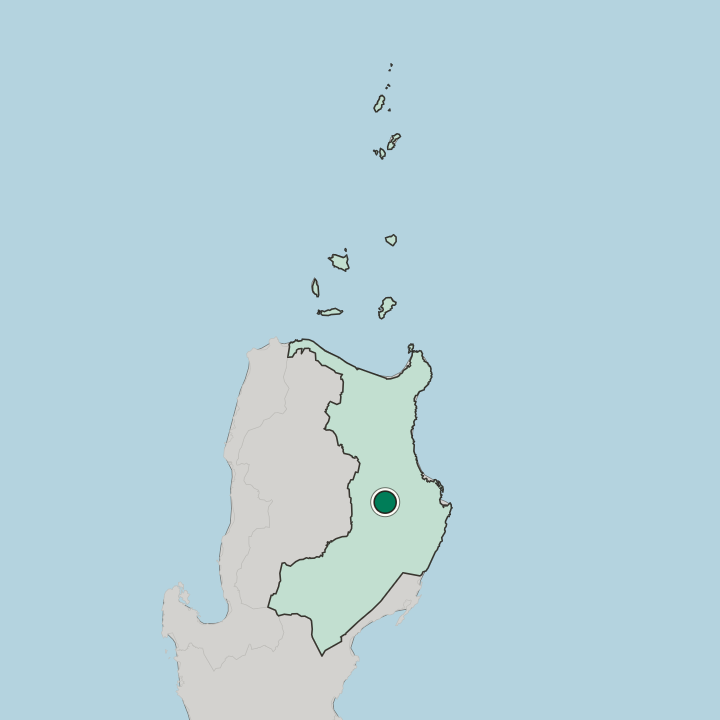
Ilagan is the capital of Isabela. It covers more than a thousand square kilometres of the Cagayan Valley, on the highway running to Tuguegarao.
Hotel links are affiliate links: booking through them may earn us a commission, at no extra cost to you. It never affects how places are ranked. How this works


Where to stay in Ilagan
The practical side of choosing where to sleep.
A city of more than a thousand square kilometres has one small centre, and in Ilagan that centre is where the government of Isabela sits. Rooms there put a visitor beside the provincial offices and inside the part of town that behaves like the small place the city still feels like. The rest is farmland and valley.
The highway is the other consideration. Traffic bound for Tuguegarao passes through the City of Ilagan, and a bed close to that road suits anyone whose plan is to be moving north through the Cagayan Valley again by morning rather than to spend a full day in Isabela. Convenience beats atmosphere on that side.
One city, two very different stays. Ilagan is second only to Tuguegarao City in the region for size of settlement, which means it carries more rooms than the towns around it while still being small enough that the choice comes down to the capital streets or the highway edge, with nothing much in between them. Anyone touring the province will find this the practical base, since a founding date of 1686 has given the place time to accumulate the services that a night's stop actually needs.
Find hotels in Ilagan
Direct booking searches for these neighbourhoods.
The Isabela capital streets
Isabela is governed from these few streets, the one compact quarter of a city whose boundary otherwise runs past a thousand square kilometres.Find hotels in The Isabela capital streetsOvernight stops on the road between Ilagan and TuguegaraoThe Tuguegarao highway edge
The main highway towards Tuguegarao passes this side of the City of Ilagan, which suits a traveller leaving early for the upper Cagayan Valley.Find hotels in The Tuguegarao highway edgeHotel links are affiliate links: booking through them may earn us a commission, at no extra cost to you. It never affects how places are ranked. How this works
About Ilagan
Extent is the surprise.
What is Ilagan known for?
Ilagan ranks among the largest cities in the Philippines by the ground it holds, more than a thousand square kilometres of the Cagayan Valley, and yet what the place actually feels like on the street is a small town with a tourism scene of its own. Isabela is governed from here. The main highway towards Tuguegarao runs through, which is how most people first meet the City of Ilagan.
What are the main landmarks in Ilagan?
Nothing built appears on the list. No monument is recorded for Ilagan, so the things worth looking at are the extent of the place itself, better than a thousand square kilometres of Cagayan Valley ground under a single city name, and the highway that carries the traffic of Isabela through it towards Tuguegarao. The valley supplies the views.
A city founded in 1686 has kept remarkably little on the register.
What is the history of Ilagan?
1686 is the founding date on the record. That places the beginnings of Ilagan in the seventeenth century, a long way before the province of Isabela took the shape it now has, and older by decades than most of the settlements strung along this part of the Cagayan Valley. The valley was the route inland.
A river valley running deep into the interior gets settled from both ends, and a site partway along it ends up with more ground under its name than any single town would need. The modern city inherited that extent. More than a thousand square kilometres now sit inside the boundary of the City of Ilagan, which is what puts it among the largest cities in the Philippines by area while leaving it, on foot, a small town.
Isabela made it the capital. Provincial government arrived with the title, and the offices that came with it are the reason the compact centre exists at all, though in the wider region only Tuguegarao City carries a larger settlement. Ilagan has held its position on the road to Tuguegarao since long before that road was paved.
Where is Ilagan?
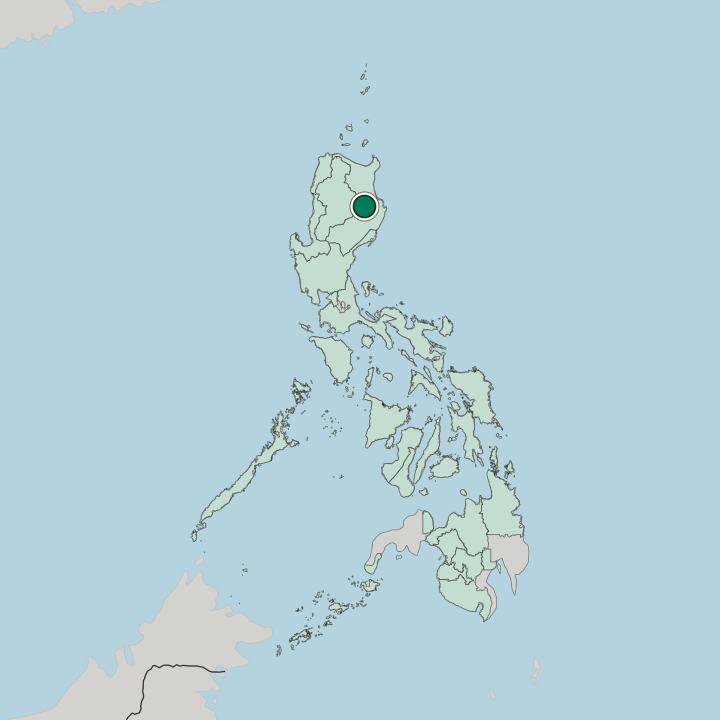
The Cagayan Valley holds it all. Ilagan lies along the floor of that valley within the province of Isabela, and the boundary of the city takes in more than a thousand square kilometres, so most of what is legally Ilagan is valley country rather than street. Tuguegarao lies further up the same valley.
All of it sits in the tropical band north of the equator.
What is the climate of Ilagan?
Valley ground runs warm. The floor of the Cagayan Valley traps the heat of the tropics rather than venting it, so Ilagan keeps a steadier and heavier warmth through the year than the higher country on either side of the province of Isabela. Rain marks the seasons instead.
Wet months and dry ones divide a calendar the thermometer barely troubles.
How do you get to Ilagan?
The main highway to Tuguegarao is the way in. It runs through Ilagan on its course up the Cagayan Valley, which means the city is passed through rather than turned off for, and a stop here needs no detour from the route north towards Tuguegarao City. Isabela funnels its traffic the same way.
Arrivals from the province converge on the capital before going anywhere else.
Common questions
What is the best area to stay in Ilagan?
The Isabela capital streets: Stays built around the provincial government of Isabela. The Tuguegarao highway edge: Overnight stops on the road between Ilagan and Tuguegarao.
More cities in Cagayan Valley
Updated September 2026