Philippines
Cagayan Valley, Philippines — Towns & Travel Guide
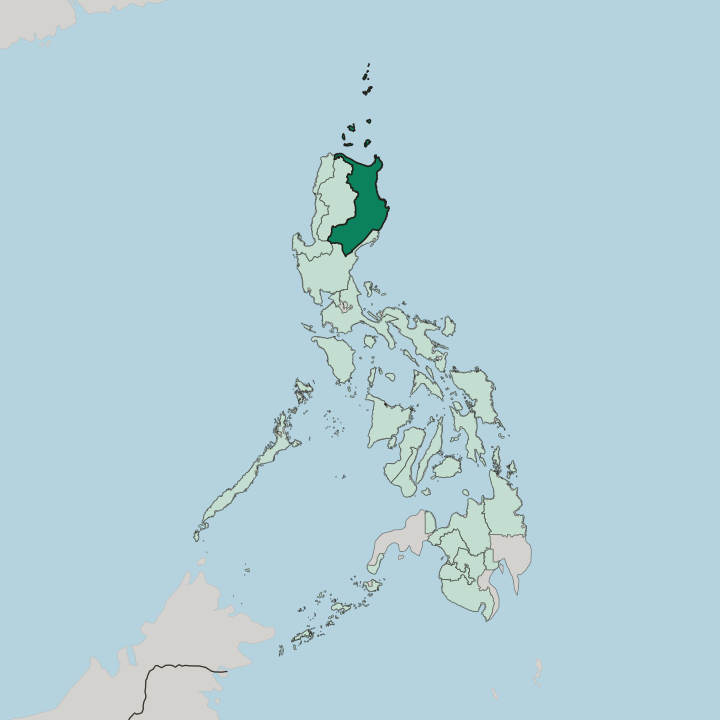
Cagayan Valley, Region II, fills the northeastern section of Luzon: five provinces, four chartered cities, and Batanes far out in the sea.
Hotel links are affiliate links: booking through them may earn us a commission, at no extra cost to you. It never affects how places are ranked. How this works


Towns & cities in Cagayan Valley
Pick a town or city — each links to where to stay.

 Philippines
Tuguegarao
Tuguegarao is the only city in Cagayan province, its capital, and the regional centre of Cagayan Valley, known for hot weather.Where to stay →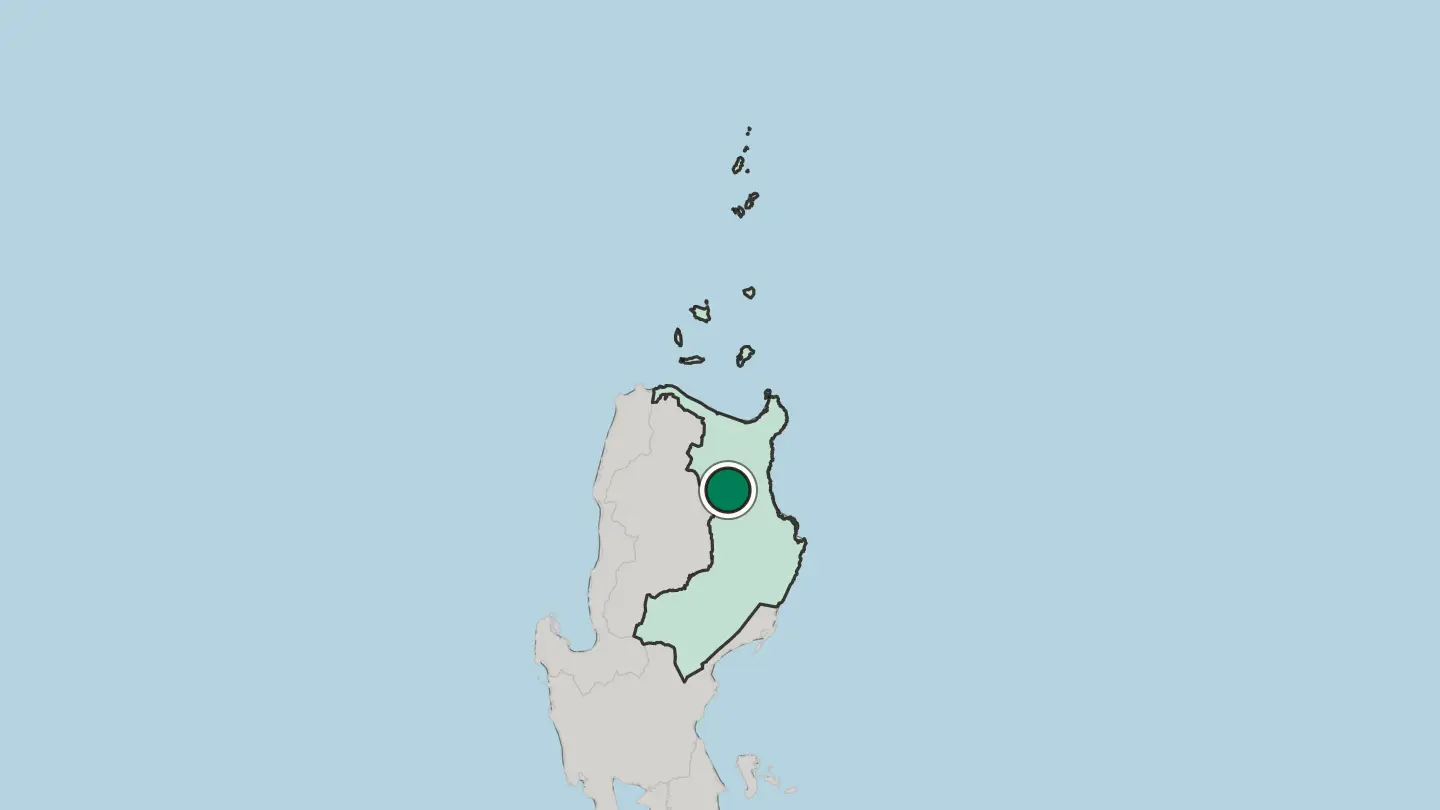 Philippines
Ilagan
Ilagan is the capital of Isabela. It covers more than a thousand square kilometres of the Cagayan Valley, on the highway running to Tuguegarao.Where to stay →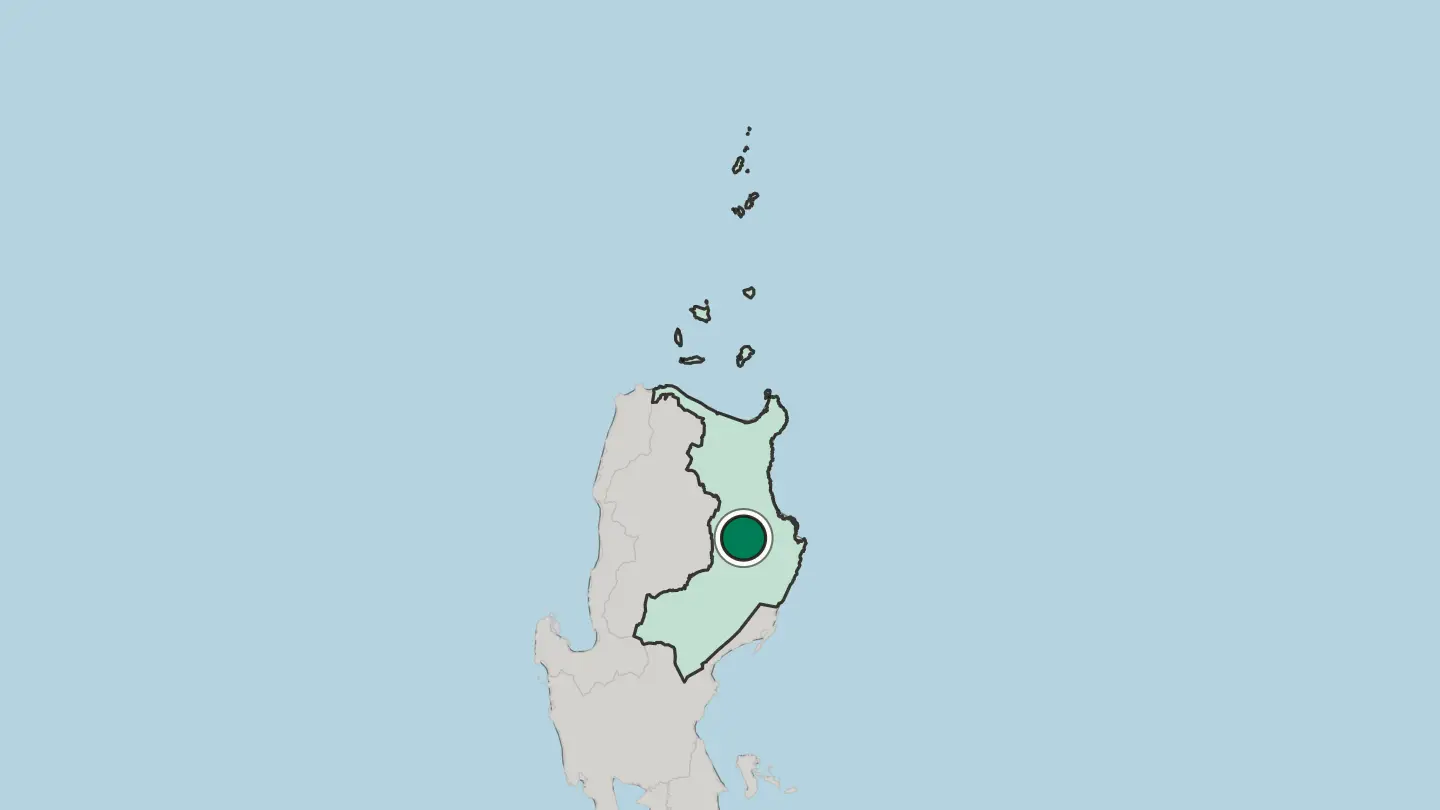 Philippines
Santiago
Santiago is landlocked. Dated to 1743, it ranks as an independent component city inside Isabela, in the Cagayan Valley region.Where to stay →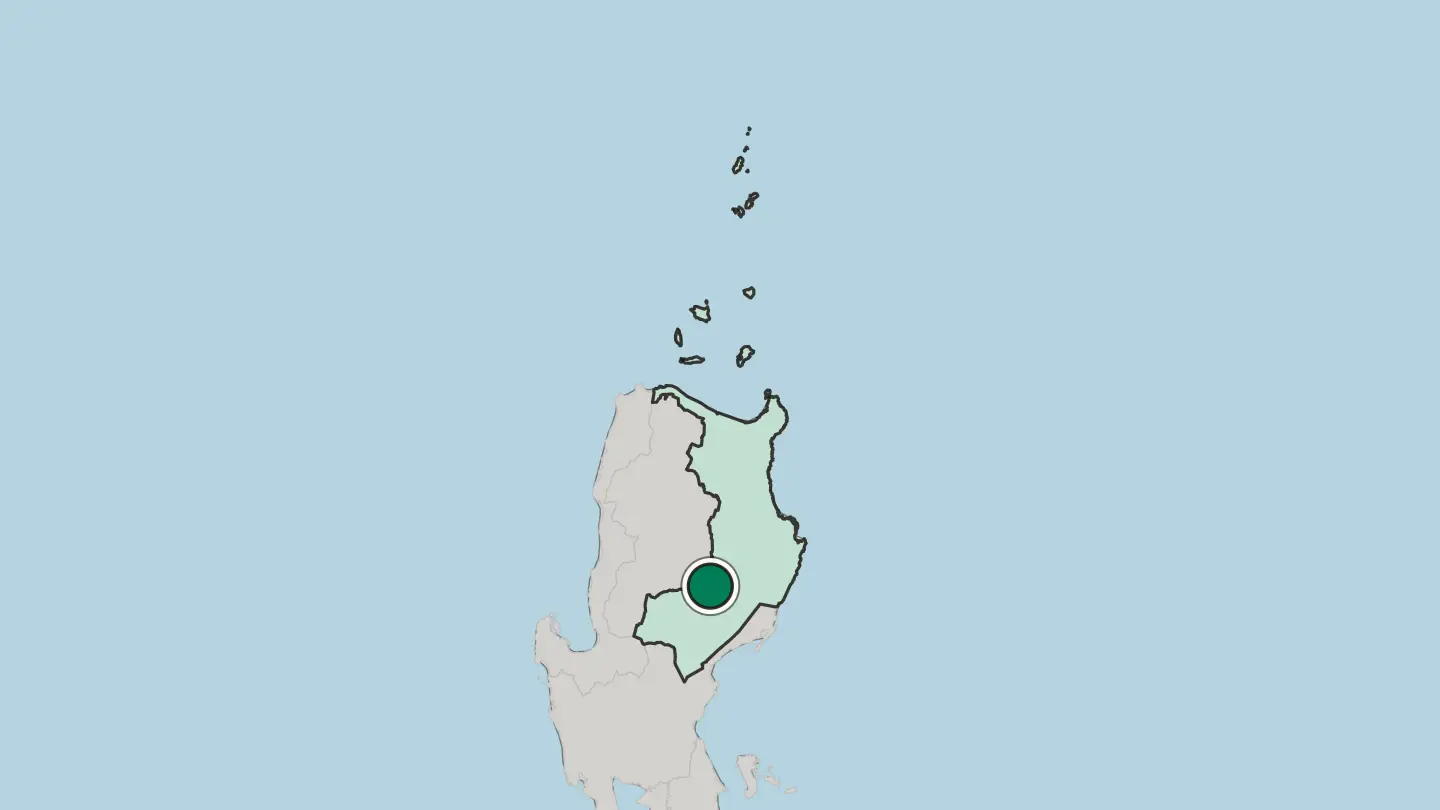
 Philippines
Aparri
Aparri holds the Cagayan River's mouth. The river drains here into the Babuyan Channel, at the seaward end of Cagayan in the Cagayan Valley.Where to stay →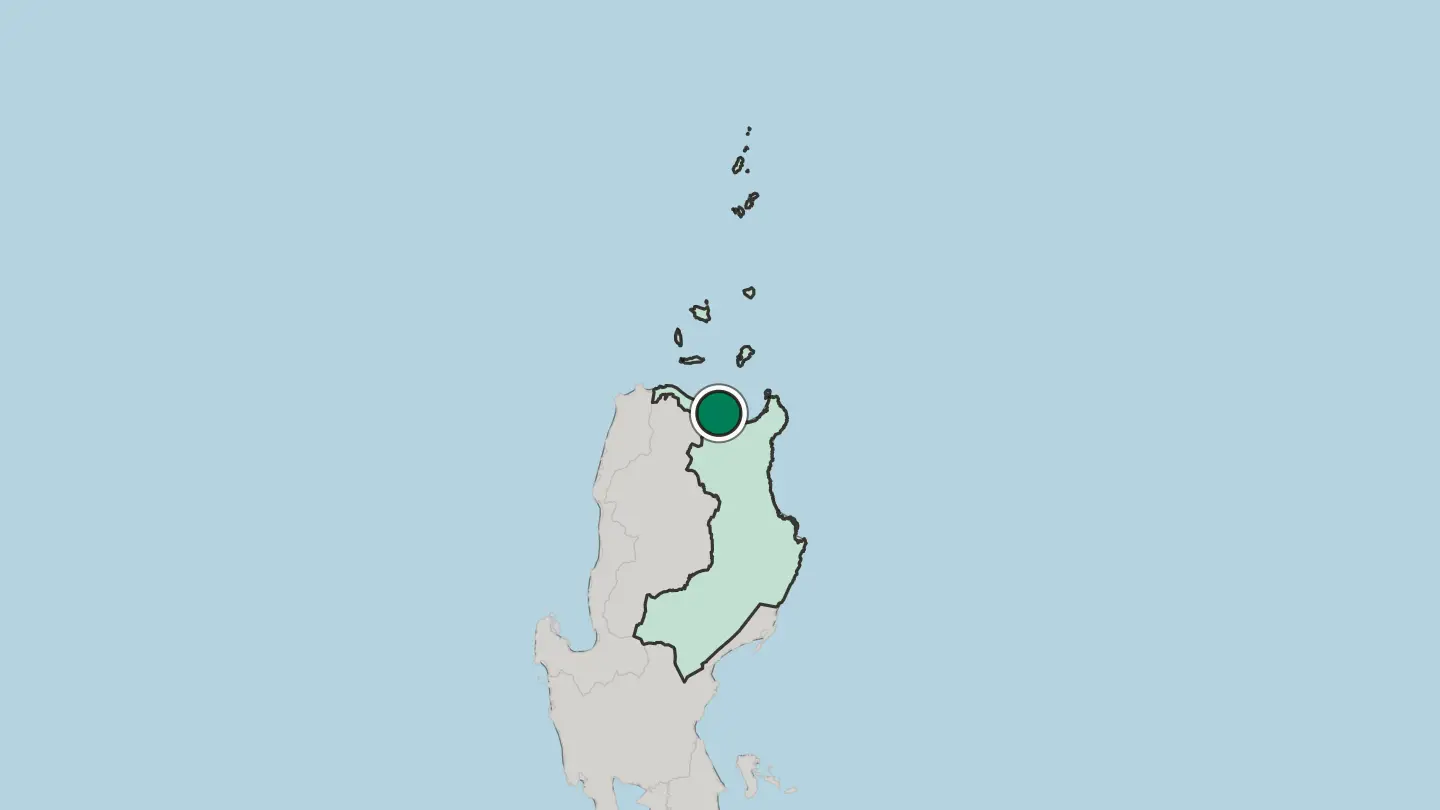
Hotel links are affiliate links: booking through them may earn us a commission, at no extra cost to you. It never affects how places are ranked. How this works
About Cagayan Valley
Four chartered cities, one valley.
What is Cagayan Valley known for?
Cauayan, Ilagan, Santiago, and Tuguegarao carry the region's urban weight, and Tuguegarao serves as the regional centre for the five provinces of Batanes, Cagayan, Isabela, Nueva Vizcaya, and Quirino. Batanes is the outlier. Travel guides pull it out of the region and handle it on its own, citing isolation and a culture that does not match the mainland's.
Where is Cagayan Valley?
A valley gives the region its name. Cagayan Valley occupies the northeastern section of Luzon, and the five provinces that compose it, Batanes, Cagayan, Isabela, Nueva Vizcaya, and Quirino, are not equally part of it in practice. Four sit on the mainland.
Batanes lies out in the sea beyond them, far enough that the standard travel treatment of the region leaves it aside and handles it as something separate. Urban weight is spread rather than concentrated. Cauayan, Ilagan, Santiago, and Tuguegarao all hold chartered-city status, which distributes the region's urban functions across four places instead of gathering them into a single centre with a long tail of towns behind it.
Tuguegarao is the regional centre all the same. The ground between the cities is provincial territory under Cagayan, Isabela, Nueva Vizcaya, and Quirino, and it is the valley form that ties those four together into anything a map would call one region. Batanes has no part in that.
The water is not a detail of the region's shape but the thing that splits it in two, and every practical account of Cagayan Valley ends up drawing the same line.
What is Cagayan Valley like?
Batanes is the culture story here. The travel literature separates it from Cagayan Valley outright, citing isolation and a distinct culture, which is a strong claim to make about a province that is administratively part of the same region as Cagayan and Isabela. Isolation is the reason given, not distance alone.
The split is editorial rather than administrative. The mainland reads differently, with four provinces sharing a valley, a road network, and the pull of Tuguegarao as the place where regional matters get settled. Chartered-city status shapes ordinary life more than the phrase suggests.
Cauayan, Ilagan, Santiago, and Tuguegarao each run their own affairs, which leaves the region with four urban centres of comparable standing rather than one dominant city that everything else defers to. Nueva Vizcaya and Quirino sit at the quieter end of that arrangement. English carries throughout.
That holds for the mainland provinces and for Batanes alike, even though little else about the two halves of Region II lines up, and it is the one thread a traveller can count on from the valley floor to the far islands.
What is the history of Cagayan Valley?
What survives here is mostly paperwork. Cagayan Valley was designated Region II and assembled from five provinces, Batanes, Cagayan, Isabela, Nueva Vizcaya, and Quirino, with four chartered cities inside it holding their status independently of the provincial governments around them. Batanes is the awkward fit in that list.
Its isolation is why the region's practical coverage stops at the mainland whatever the administrative roll says.
What is the climate of Cagayan Valley?
The valley is the shape to think about. Cagayan Valley is low ground held between higher ground, and the four mainland provinces sit inside that enclosure while Batanes stands on its own in open sea well beyond the shore. The two do not compare.
Whatever a traveller learns about conditions in Cagayan or Isabela stops being useful at the water, which is a large part of why Batanes gets handled as a region apart.
How do you get to Cagayan Valley?
Tuguegarao is where the region's traffic converges. The chartered cities of Cauayan, Ilagan, Santiago, and Tuguegarao give the mainland several possible entry points, and moving between Cagayan, Isabela, Nueva Vizcaya, and Quirino is a question of road time rather than of connections. Batanes is not on that network.
No road reaches it, which is the practical content of the isolation the guides cite, and it makes a visit there a separate trip planned on its own terms.
Common questions
What is the best area to stay in Cagayan Valley?
Tuguegarao: Business that runs through the regional centre of Cagayan Valley. Ilagan: A mainland alternative to Tuguegarao among the four chartered cities. Batanes: Island nights in the province that guides split off from Cagayan Valley.
More regions in Philippines
Updated September 2026