Philippines · Cagayan Valley
Where to Stay in Santiago, Cagayan Valley
Santiago is landlocked. Dated to 1743, it ranks as an independent component city inside Isabela, in the Cagayan Valley region.
Hotel links are affiliate links: booking through them may earn us a commission, at no extra cost to you. It never affects how places are ranked. How this works


Where to stay in Santiago
Where the beds are, and what that means for the visit.
Santiago City concentrates its rooms in one compact centre, which is what a landlocked city on roughly 255 square kilometres of valley floor tends to do with them. There is no waterfront to spread along and no coast road to follow, so the choice is between the middle of the City of Santiago and its outer edges. The middle wins for a first visit.
Outer Santiago works for drivers. Roads leave the city into the Cagayan Valley and towards the towns of Isabela, and a room out that way trades the centre's convenience for an easier start when the day begins with a long drive rather than with anything in the city itself. Parking is simpler there.
The independent component city status has a practical side worth knowing. Santiago runs its own affairs rather than reporting to the provincial machinery of Isabela, which concentrates offices, services and the traffic that follows them inside a city that a visitor can cross without much effort. A place dated to 1743 has had a long time to settle its own layout, and the result is a centre that works on foot and an edge that works on wheels.
Either choice leaves the Cagayan Valley a short drive away.
Find hotels in Santiago
Direct booking searches for these neighbourhoods.
The centre of the City of Santiago
Everything a landlocked valley city gathers sits in the middle of the City of Santiago, with the farmland of Isabela starting a short way past the last streets.Find hotels in The centre of the City of SantiagoDrivers carrying on into the Cagayan Valley and the towns of IsabelaThe Cagayan Valley road edge of Santiago
Roads out of Santiago run into the Cagayan Valley and across the province of Isabela, so the outer edge of the city suits a departure timed before the centre wakes up. Beds are limited here, so book early.Find hotels in The Cagayan Valley road edge of SantiagoHotel links are affiliate links: booking through them may earn us a commission, at no extra cost to you. It never affects how places are ranked. How this works
About Santiago
Its administrative standing is the first thing to know.
What is Santiago known for?
Santiago is an independent component city, a rank that separates it from the ordinary towns of Isabela even though the city sits squarely inside that province and takes its regional place under the Cagayan Valley. No part of it reaches the sea. The City of Santiago is landlocked on roughly 255 square kilometres of valley ground, and its beginnings are dated to 1743.
What are the main landmarks in Santiago?
Santiago City offers no monument to photograph. What the register gives Santiago City instead is a rank and a date, an independent component city founded in 1743, which is more than many places in the Cagayan Valley can show and less than a visitor hoping for a set-piece would want. Isabela surrounds it on every side.
Roughly 255 square kilometres of that valley ground carry the city's name.
What is the history of Santiago?
Everything starts from 1743. That is the year attached to Santiago on the record, which puts its founding in the middle of the eighteenth century, well before the province of Isabela or the modern region of the Cagayan Valley were drawn around it. The site is landlocked.
A settlement with no sea access grows on farmland and on roads instead of on a harbour, and the shape of the city still reflects that, spread across roughly 255 square kilometres of valley without a waterfront anywhere in it. The later change was administrative. Santiago City became an independent component city, a status that lifts it out of the ordinary provincial hierarchy of Isabela while leaving it geographically in the middle of that province, and the formal name on the paperwork is the City of Santiago.
Two names now describe one place. Locally it stays Santiago, on documents it is the longer version, and the region above both is the Cagayan Valley. Nothing older than 1743 is recorded for the site, so the eighteenth century is where the city's account of itself starts.
Where is Santiago?
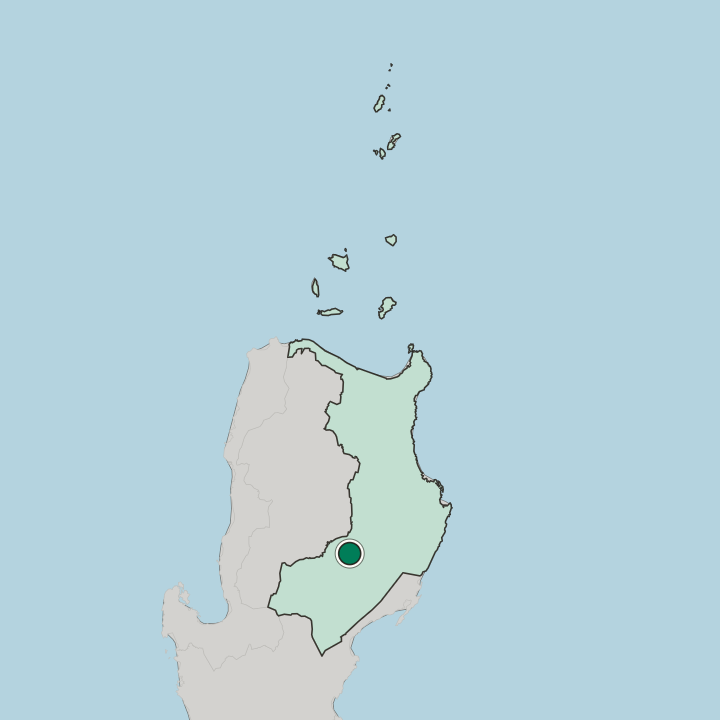
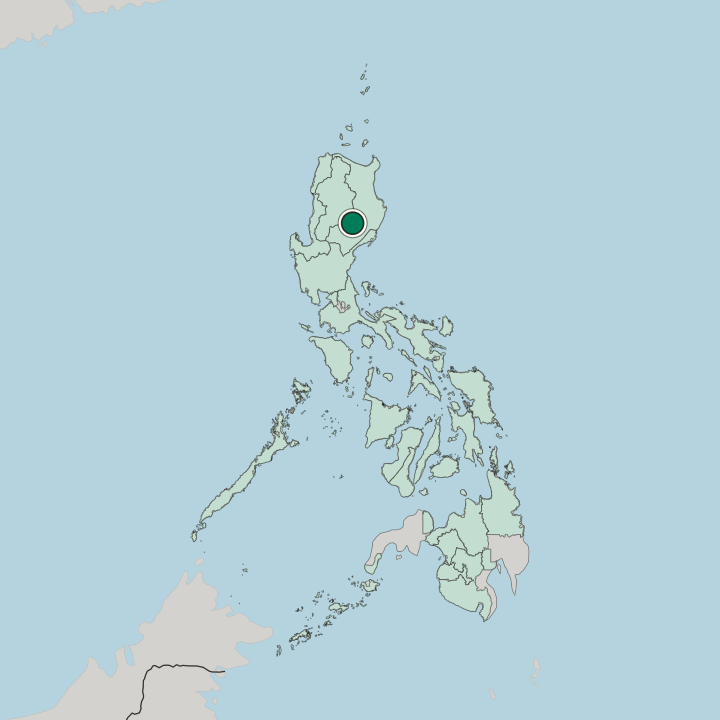
Land on every side. Santiago occupies roughly 255 square kilometres of the Cagayan Valley, enclosed by the province of Isabela and cut off from any coast, which makes it one of the few cities of the Philippines with no shoreline of its own at all. The valley floor carries it.
Everything here lies in the tropical band north of the equator.
What is the climate of Santiago?
No sea moderates Santiago City. Being landlocked in the middle of Isabela means the tempering influence that coastal towns get from open water never reaches here, so the warmth of the tropics sits on the valley more heavily and the daily swing between afternoon and night is wider than on any shore. Rain does the dividing instead.
The Cagayan Valley separates its year into wet stretches and dry ones.
How do you get to Santiago?
Roads are the only way in. A landlocked city takes no boats, so every approach to Santiago comes overland through Isabela or down the length of the Cagayan Valley, and the city's position inside the province makes it a natural stop rather than a terminus. The City of Santiago runs its own affairs.
Arrivals therefore find the services of an independent component city rather than a provincial branch office.
Common questions
What is the best area to stay in Santiago?
The centre of the City of Santiago: First nights inside the independent component city of Santiago. The Cagayan Valley road edge of Santiago: Drivers carrying on into the Cagayan Valley and the towns of Isabela.
More cities in Cagayan Valley
Updated September 2026