Philippines · Ilocos
Where to Stay in Lingayen, Ilocos
Lingayen is the capital of Pangasinan, a first-class municipality in Ilocos whose long, wide beach runs beside the provincial government offices.
Hotel links are affiliate links: booking through them may earn us a commission, at no extra cost to you. It never affects how places are ranked. How this works


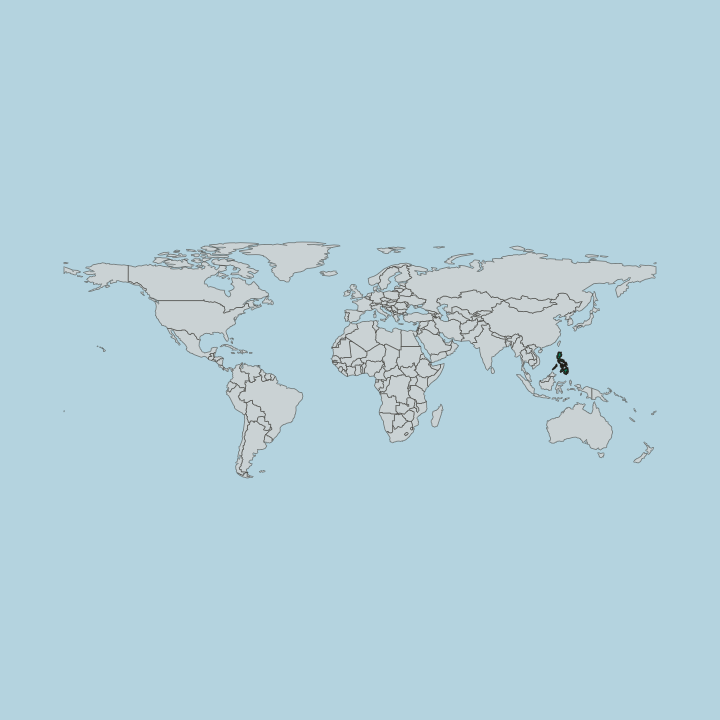
Where to stay in Lingayen
How the choice of base plays out on the ground.
The beach is the first decision. Rooms along the sand at Lingayen put a swim and the provincial offices inside the same short radius, which suits a trip that mixes one day of business in Pangasinan with an afternoon that has nothing to do with it. The town is not big.
Choosing the shore over the civic blocks around Casa Real changes the view from the window far more than it changes the walk to anything else. Official Lingayen is the other option. If you have come for the provincial offices, a bed among the blocks holding Casa Real and the Narciso Ramos Sports and Civic Center saves the morning walk and still leaves the sand within reach once the day ends.
Supply thins during provincial events. Dagupan then becomes the fallback, a short drive out with a far larger stock of rooms, and travellers who value choice over proximity often start there and treat Lingayen as the day out rather than the base. Either the sand or the offices should decide it, because almost nothing else in the municipality is far enough away to matter.
Find hotels in Lingayen
Direct booking searches for these neighbourhoods.
Lingayen beachfront
The long, wide strand that made the town's reputation, close enough in that the Parish Church of Saints Peter and Paul is still an easy walk from a room facing the water.Find hotels in Lingayen beachfrontpetitioners and officials with a docket at the Pangasinan capitalThe Casa Real blocks
Official Lingayen in a few streets, with Casa Real and the Narciso Ramos Sports and Civic Center standing between the desks and the sand.Find hotels in The Casa Real blocksanyone who wants a choice of rooms rather than a short walk to the Lingayen sandDagupan
The bigger neighbouring city a short drive from the capital, worth taking when a provincial event has emptied Lingayen of beds.Find hotels in DagupanHotel links are affiliate links: booking through them may earn us a commission, at no extra cost to you. It never affects how places are ranked. How this works
About Lingayen
Pangasinan runs its government from Lingayen.
What is Lingayen known for?
The municipality holds the provincial offices and institutions that make it the political and administrative centre of the province, so its weekday streets carry officials, petitioners and clerks arriving from towns all over Pangasinan. Its beach is the counterweight. Long and wide where it fronts the town, that stretch of sand is what draws visitors with no business at the provincial offices at all, and it lies near enough to them that a single trip can serve both.
What are the main landmarks in Lingayen?
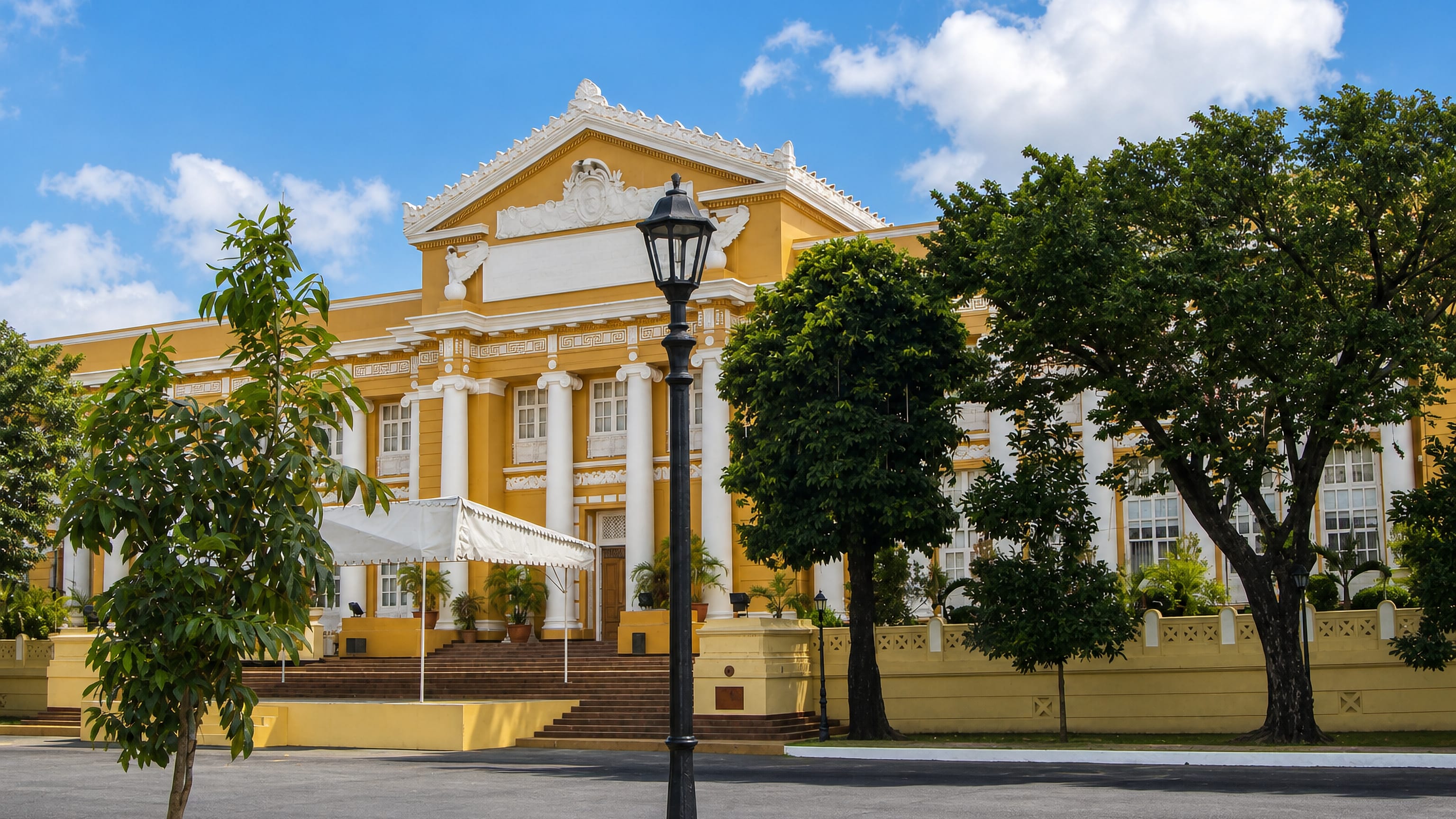
Three entries carry Lingayen's name on the heritage roll. The Parish Church of Saints Peter and Paul anchors the religious end of that list, Casa Real the civil one, and the Narciso Ramos Sports and Civic Center the modern one, which between them span four centuries of public building in the town. None is monumental.
What holds a visitor longer is the beach, wide enough to absorb a crowd and long enough that the far end stays quiet while the near end fills.
What is the history of Lingayen?
Lingayen's record begins in 1614. That date puts the foundation in the early seventeenth century, long before the provincial machinery the town now houses came into being, and the Parish Church of Saints Peter and Paul stands as the kind of institution such a founding usually leaves behind. Government arrived afterwards.
Lingayen took the seat of Pangasinan and never gave it up, which is why the municipality is described as the political, administrative and historical centre of the province rather than only its official address. Casa Real belongs to that second layer. The name marks a building on the town's heritage roll, one of the few structures that fix the older role of Lingayen in something visible rather than in the paperwork a provincial capital generates.
Later additions are civic. The Narciso Ramos Sports and Civic Center carries a personal name into the public architecture and shows how a capital keeps accumulating institutions for centuries after the church and Casa Real have taken their places on the same small map. None of it was built for visitors.
The beach was the ordinary working edge of a Pangasinan town for most of those four centuries, and its standing among travellers grew out of use rather than out of any plan to turn Lingayen into a resort.
Where is Lingayen?
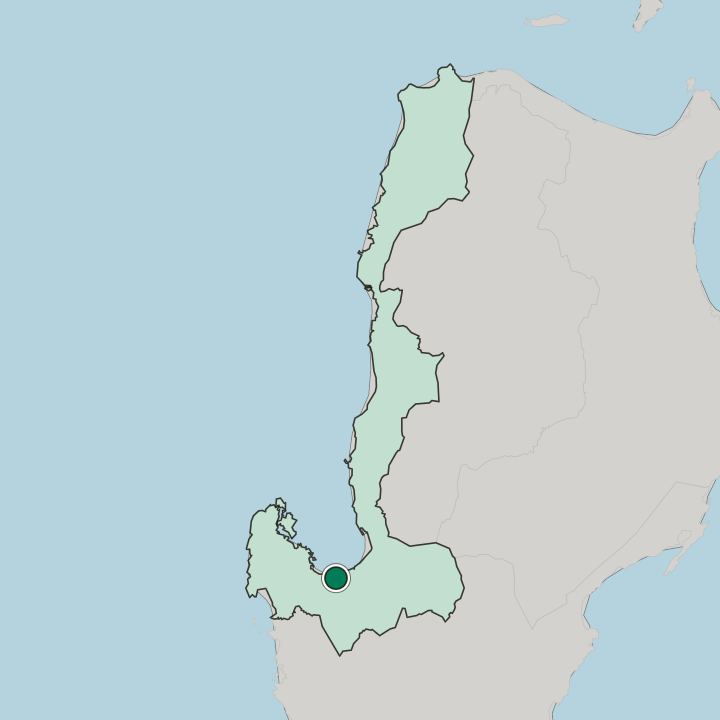
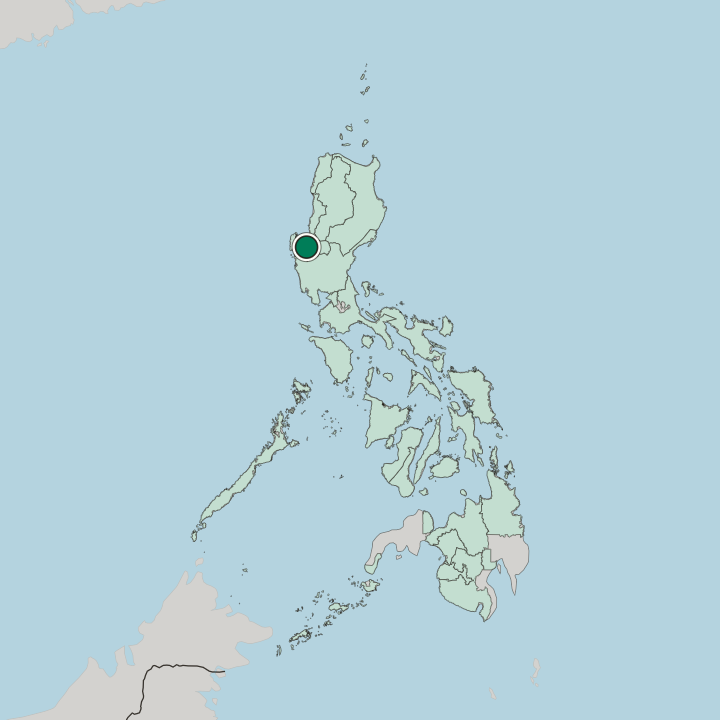
Water gives Lingayen its shape. The municipality covers roughly 62 square kilometres between the open water off its beach and the level ground behind the town, compact enough that walking from the sand to the provincial offices takes very little out of a morning. Dagupan lies close by.
Ilocos runs flat here, which leaves the horizon to the sea on one side and to roofs, fields and the road traffic of Pangasinan on the other.
What is the climate of Lingayen?
The sea tempers Lingayen more than the calendar does. Air moving off the water keeps the beach edge of the municipality a shade easier than the ground further inside Pangasinan during the hot months, and the tropical pattern here is steady warmth interrupted by heavy rain rather than by any cold season at all. Humidity never lifts.
Anyone splitting a day between the provincial offices and the sand does better to take the outdoor half early, before the heat settles over this part of Ilocos.
How do you get to Lingayen?
Everyone gets here by road. No airport or rail terminal appears on the record of the Municipality of Lingayen, so arrivals come overland across Pangasinan, very often by way of Dagupan a short drive off. Nothing inside town is far.
The provincial offices, the Parish Church of Saints Peter and Paul and the beach all fall within one walk of each other, which turns transport back into a question only on the day of leaving.
Common questions
What is the best area to stay in Lingayen?
Lingayen beachfront: sand in the morning and the Pangasinan provincial offices after lunch. The Casa Real blocks: petitioners and officials with a docket at the Pangasinan capital. Dagupan: anyone who wants a choice of rooms rather than a short walk to the Lingayen sand.
More cities in Ilocos
Updated September 2026