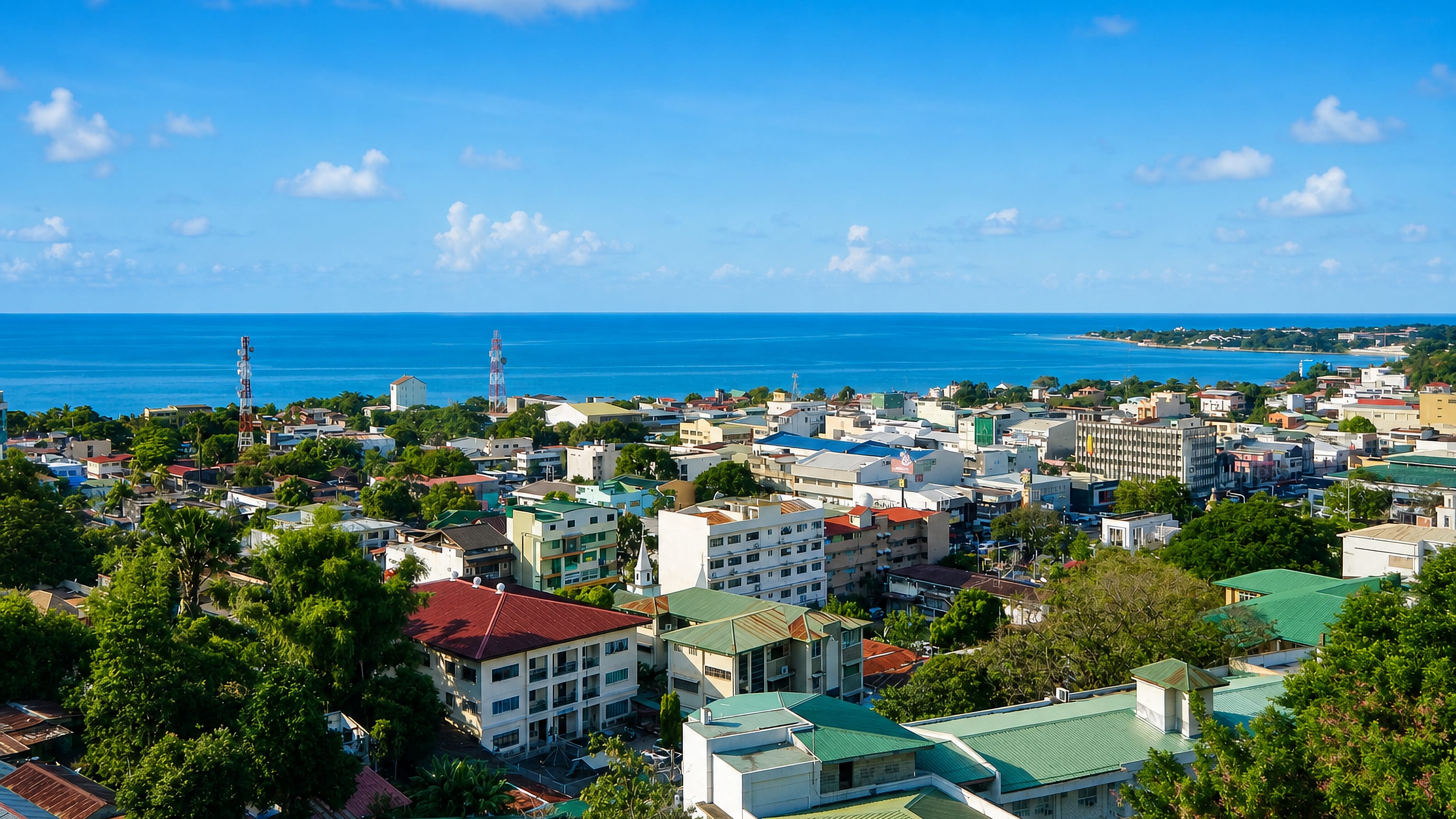
Philippines · Ilocos
Where to Stay in San Fernando, Ilocos
San Fernando is the capital of La Union and the administrative centre of the Ilocos Region, a component city written San Fernando, L.U.
Hotel links are affiliate links: booking through them may earn us a commission, at no extra cost to you. It never affects how places are ranked. How this works


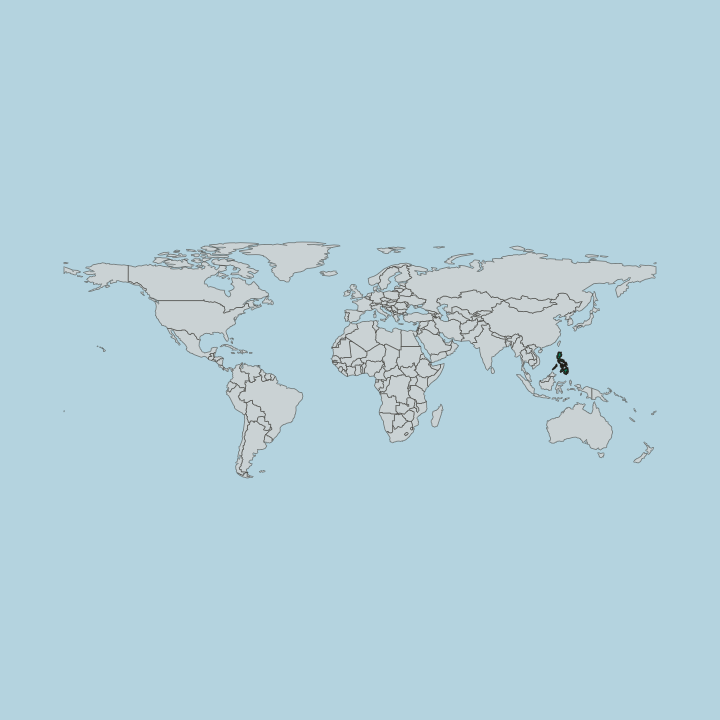
Where to stay in San Fernando
How the choice of base plays out on the ground.
Rooms follow the offices in San Fernando. The regional administration of Ilocos and the commercial trade of La Union occupy the same compact core, and nearly every bed a traveller finds sits within walking distance of both, which makes the decision less a matter of neighbourhood than of how far out of the traffic the night should be spent. Stay central for business.
A morning appointment at the Ilocos regional offices does not repay a long drive in from the quieter edges of the city. The alternative is to sleep out on the city's own outskirts. San Fernando administers roughly 102 square kilometres, so it is entirely possible to sleep well away from the commercial streets and still be inside the same city, which suits drivers crossing Ilocandia who would rather leave the car somewhere calm.
Nothing here is a resort strip. If you are passing through on the Luzon trade route, the honest question is whether the day begins at a desk or behind a steering wheel, because that answer settles core against edge better than any comparison of the rooms themselves would.
Find hotels in San Fernando
Direct booking searches for these neighbourhoods.
The Ilocos regional core
The few central blocks where the regional administration of Ilocos and the commercial trade of La Union sit on top of each other.Find hotels in The Ilocos regional coredrivers crossing Ilocandia who want the car parked somewhere quietThe outer La Union barangays
The calmer share of the 102 square kilometres San Fernando administers, out where La Union turns rural and the Luzon trade traffic thins. Beds are limited here, so book early.Find hotels in The outer La Union barangaysHotel links are affiliate links: booking through them may earn us a commission, at no extra cost to you. It never affects how places are ranked. How this works
About San Fernando
Two Philippine cities answer to the name San Fernando.
What is San Fernando known for?
This is the one behind La Union, and the shorthand that keeps the pair apart turns up wherever a mistake would cost something, because the other capital carrying the name belongs to Pampanga. The role here is regional. Ilocos keeps its administrative centre in this city, and the same streets carry the trade and commerce of a wide part of Luzon along with the cultural weight of Ilocandia.
What are the main landmarks in San Fernando?
Nothing on the heritage roll carries this city's name. The formal landmark list for San Fernando is empty, and what stands in its place is a claim of another kind altogether: the city is described as a centre for the culture and heritage of Ilocandia, an inheritance spread across a region rather than housed in one building. Look to the ordinary instead.
The offices of the Ilocos Region, the markets that supply La Union and the working streets between them hold more of the character here than a monument would.
What is the history of San Fernando?
The founding year on the record is 1850. That puts San Fernando among the settlements given formal shape in the middle of the nineteenth century, later than much of Ilocandia around it, and the city's subsequent standing owes more to administrative reorganisation than to any founding story worth retelling. La Union made it a capital.
The province placed its seat here, the wider Ilocos Region added its own functions on top, and the result is a city whose past is largely a record of official roles accumulating in one place. Commerce arrived alongside government. A provincial capital that also works as a trade hub for a broad stretch of Luzon pulls in business with no interest whatever in the offices, and those two strands have run together through the whole of the city's modern history.
Culture is the third strand. San Fernando is described as a centre for the heritage of Ilocandia, which means the older Ilocos world survives here as practice and institution rather than as a preserved quarter with a gate and an entrance queue. The name was never exclusive.
Pampanga has carried a San Fernando of its own through the same centuries, and the habit of writing this one as San Fernando, L.U. grew directly out of that overlap.
Where is San Fernando?
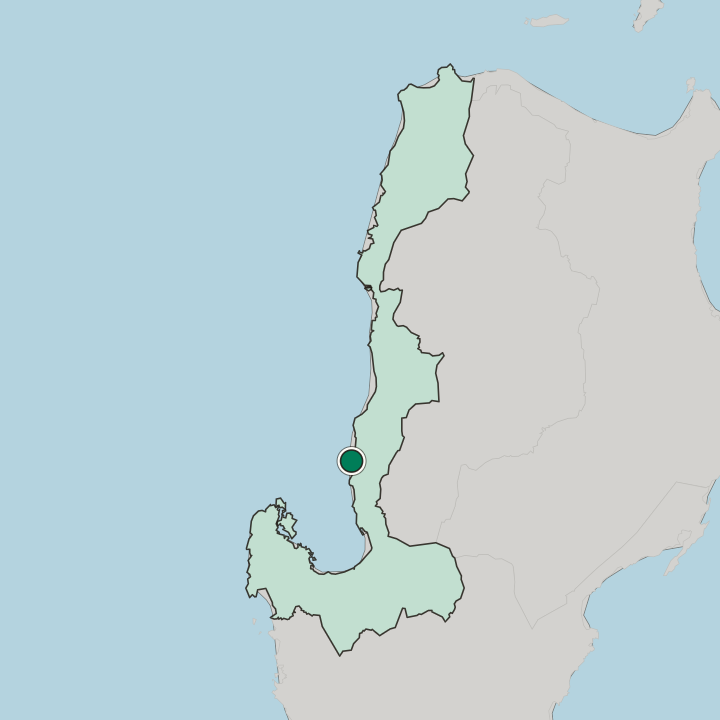
San Fernando spreads across roughly 102 square kilometres of La Union. Space is not scarce. The built-up core holding the regional offices is only one share of what the city administers, and the remainder runs out into quieter ground where the growth of tropical Ilocos takes over from streets and roofs.
Luzon keeps it green through the year.
What is the climate of San Fernando?
Heat is a constant here, never a season. La Union sits in the tropical band of Luzon, so the year divides into wet and less wet instead of warm and cold, and what a visitor actually notices is how much of each afternoon the rain takes away. Mornings are the usable hours.
Anyone with business at the Ilocos Region offices soon learns to move early and let the downpour pass indoors, which is roughly how the working day of the city arranges itself anyway.
How do you get to San Fernando?
Overland is the answer. The record for the City of San Fernando names no airport and no rail terminal, so the roads of La Union carry everything, including the commercial traffic that makes this city a hub for a wide stretch of Luzon. Remote it is not. Laoag lies far up the same run and Lingayen a good deal nearer, which leaves San Fernando somewhere in the middle of the Ilocos corridor rather than at either end of it.
Common questions
What is the best area to stay in San Fernando?
The Ilocos regional core: appointments at the Ilocos Region offices in the La Union capital. The outer La Union barangays: drivers crossing Ilocandia who want the car parked somewhere quiet.
More cities in Ilocos
Updated September 2026