Philippines · Ilocos
Where to Stay in Urdaneta, Ilocos
Urdaneta is a component city of Pangasinan where the MacArthur Highway throws off the junction to Dagupan, founded in 1858.
Hotel links are affiliate links: booking through them may earn us a commission, at no extra cost to you. It never affects how places are ranked. How this works


Where to stay in Urdaneta
How the choice of base plays out on the ground.
The MacArthur Highway settles most stays in Urdaneta. Hotels here exist for people moving goods or shopping rather than for holidaymakers, and the ones close to the junction trade quiet for the convenience of being back on the road a minute after checking out. Traffic noise is the trade-off.
A room deeper in the commercial core, among the public markets and the three malls, puts the day's errands within walking distance but adds a slow crawl through town whenever the car has to come out again. Pilgrims from across Pangasinan make the other case. Urdaneta lies close enough to Our Lady of Manaoag that a bed here works when the towns nearer the shrine have nothing left, and the same reasoning covers anyone bound for the Iglesia Ni Cristo churches in Laoac.
Rooms are plain, practical and built for short stays. If you want a wider choice than a trading city keeps, Dagupan sits at the far end of the junction road, though taking it means driving back into Pangasinan's commercial centre twice a day instead of walking to the markets each morning.
Find hotels in Urdaneta
Direct booking searches for these neighbourhoods.
The MacArthur Highway frontage
Rooms along the stretch of the MacArthur Highway that runs through Urdaneta, taken for the parking and the quick exit rather than for the outlook.Find hotels in The MacArthur Highway frontageshoppers working the three malls and the public markets on footUrdaneta market core
The trading heart of the city, where the public markets, the malls and the hotels that serve buyers from across Pangasinan stand a few streets apart.Find hotels in Urdaneta market corepilgrims timing an early arrival at Our Lady of ManaoagThe Manaoag approach
The Urdaneta end of the short run out to the shrine, worth taking when the towns beside Our Lady of Manaoag are full for a feast day. Rooms are few around here — worth securing early.Find hotels in The Manaoag approachHotel links are affiliate links: booking through them may earn us a commission, at no extra cost to you. It never affects how places are ranked. How this works
About Urdaneta
Trade is the business of Urdaneta.
What is Urdaneta known for?
Three malls and a run of public markets fill a city that works as the commercial centre for its share of Pangasinan, pulling in traders and shoppers from the towns around it rather than sightseers. The highway explains most of that. The MacArthur Highway passes straight through, throws off a junction toward Dagupan and carries on as the Manila North Road, which keeps a great deal of moving commerce going past the city every day.
What are the main landmarks in Urdaneta?
The roll attached to Urdaneta reaches past the city limits. Our Lady of Manaoag is the entry that actually draws people, a shrine whose name belongs to a neighbouring town rather than to Urdaneta itself, and the Iglesia Ni Cristo churches in Laoac make up the second entry on the same short list. Inside the city the sights are commercial.
Three malls, a run of public markets and the MacArthur Highway feeding both are what a visitor walks through here, which is honest enough for a place that never traded on monuments.
What is the history of Urdaneta?
Urdaneta's founding year is 1858. The date puts it among the Pangasinan towns given formal shape in the second half of the nineteenth century, well before the road network that now carries its economy existed in anything like its present form, and the settlement's early life turned on the land around it rather than on any passing trade. Roads changed that.
The MacArthur Highway running through the city, and the junction that peels off toward Dagupan, turned Urdaneta into a place where goods change hands rather than one they merely pass by. City status confirmed the shift. Urdaneta became a component city under the official style City of Urdaneta, which keeps it inside Pangasinan while giving it a charter and a council of its own, and growth into one of the larger local government units of the Ilocos Region followed the same commercial logic.
The malls came after the markets. Each stage of the city's modern history has added another layer of trade to the same junction, and the continuation of the route as the Manila North Road tied that trade to a much wider stretch of the country. Faith sits alongside commerce.
Our Lady of Manaoag draws people across this part of Pangasinan, and the shrine still appears on the roll of landmarks near Urdaneta even though it stands in another town.
Where is Urdaneta?
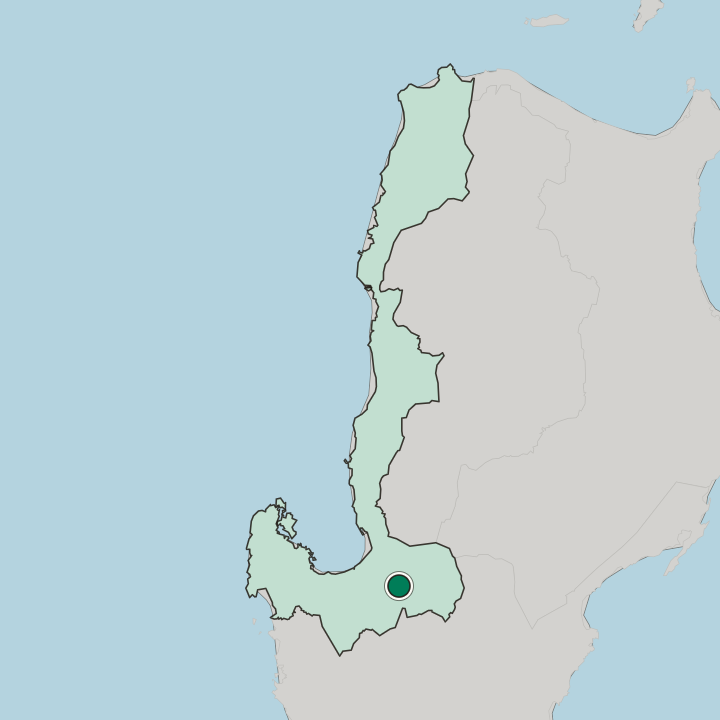
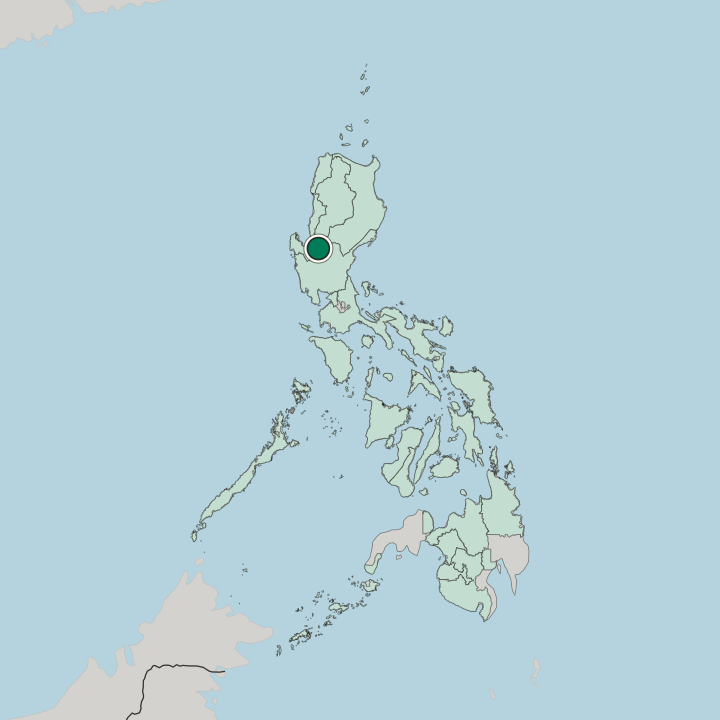
Urdaneta covers about 100 square kilometres of Pangasinan. Its shape follows the road. The MacArthur Highway and the junction toward Dagupan set the lines the built-up area has grown along, and the remainder of that territory is the quieter ground a component city carries well beyond its trading core.
Manaoag and Laoac are near enough for an afternoon.
What is the climate of Urdaneta?
Rain is what the markets watch. Pangasinan stays warm the whole year through, so the working difference between one month and the next is whether the downpour arrives in time to clear the stalls and the highway frontage, not whether anyone needs a jacket. Shade is the commodity.
Traders and shoppers both arrange the day around the covered parts of the malls and the public markets, and a visitor crossing Urdaneta on foot would do well to copy them.
How do you get to Urdaneta?
Everything runs on the highway. The MacArthur Highway passes through the City of Urdaneta and continues as the Manila North Road, while the junction inside the city turns off toward Dagupan, and between them those roads account for almost every arrival. No airport is listed here.
Road traffic is the whole story, so the useful question is never how to reach Urdaneta but how long the run across Pangasinan will take on the day.
Common questions
What is the best area to stay in Urdaneta?
The MacArthur Highway frontage: drivers who want to be back on the Manila North Road before breakfast. Urdaneta market core: shoppers working the three malls and the public markets on foot. The Manaoag approach: pilgrims timing an early arrival at Our Lady of Manaoag.
Good for
More cities in Ilocos
Updated September 2026