Philippines
Ilocos, Philippines — Towns & Travel Guide
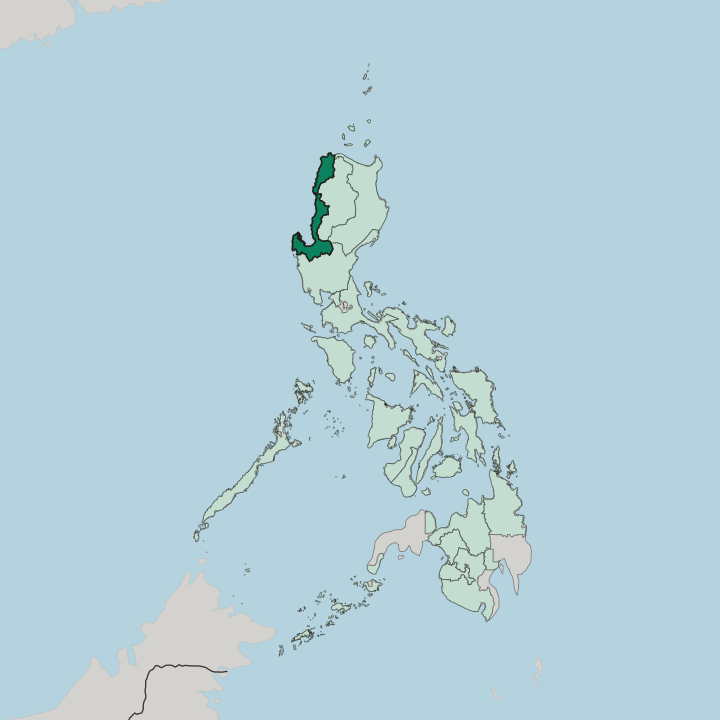
Ilocos, or Region I, occupies the northwest part of Luzon: four provinces along the West Philippine Sea, with San Fernando as regional centre.
Hotel links are affiliate links: booking through them may earn us a commission, at no extra cost to you. It never affects how places are ranked. How this works


Towns & cities in Ilocos
Pick a town or city — each links to where to stay.

 Philippines
Dagupan
Dagupan is the largest city of Pangasinan in the Ilocos Region, a milkfish producer sometimes called the Bangus Capital City.Where to stay →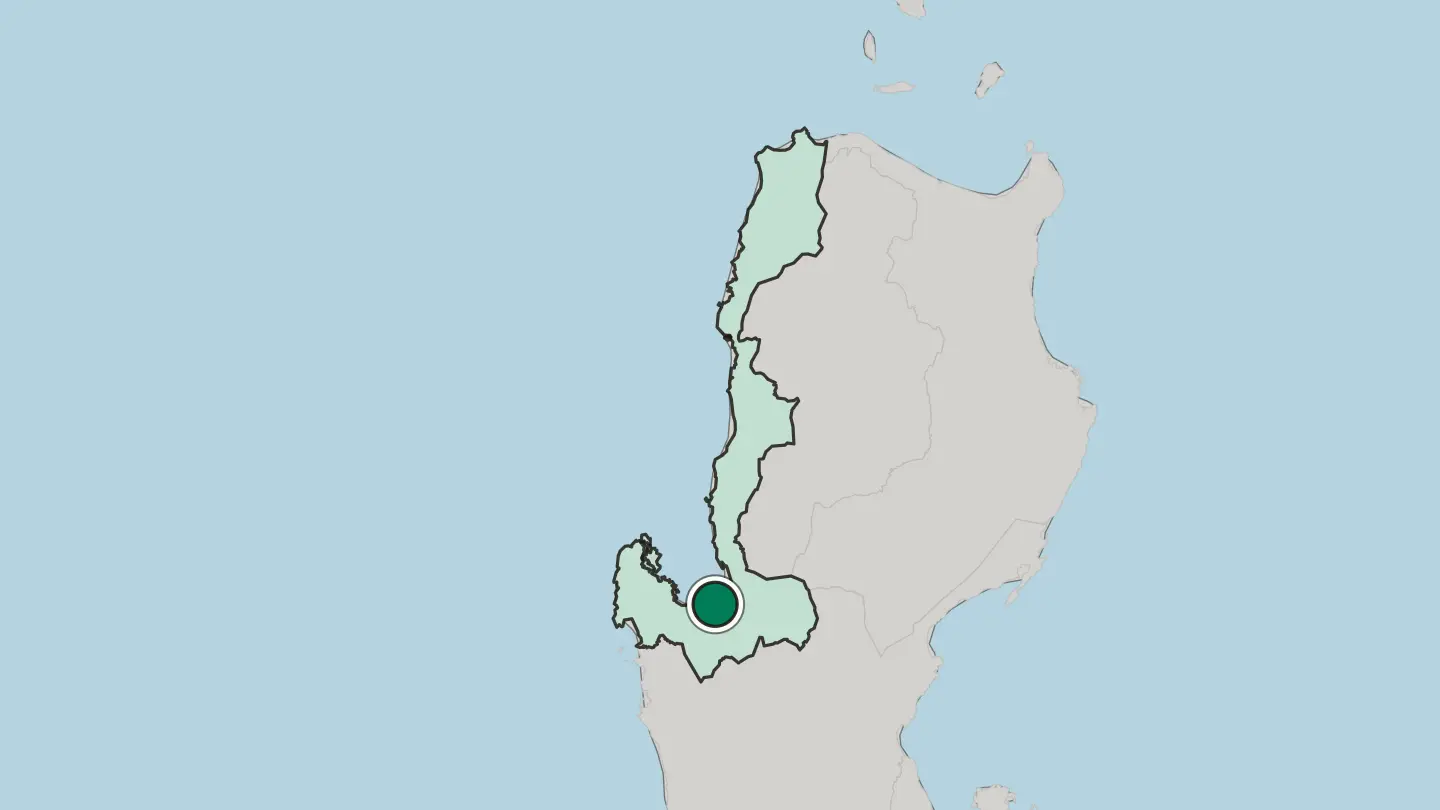 Philippines
Urdaneta
Urdaneta is a component city of Pangasinan where the MacArthur Highway throws off the junction to Dagupan, founded in 1858.Where to stay →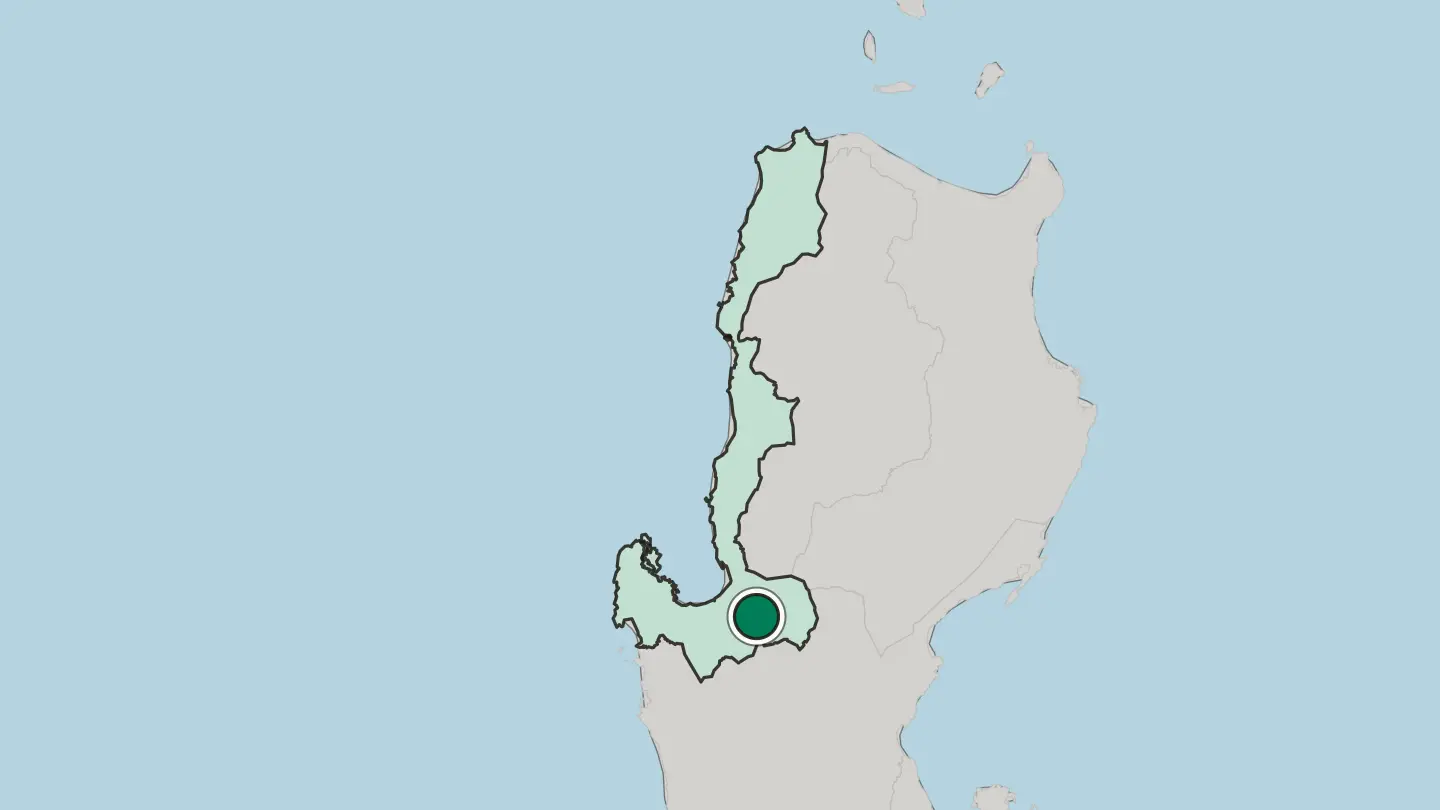
 Philippines
Laoag
Laoag is the capital of Ilocos Norte and the province's political, commercial and industrial hub, with Sarrat and San Nicolas next door.Where to stay →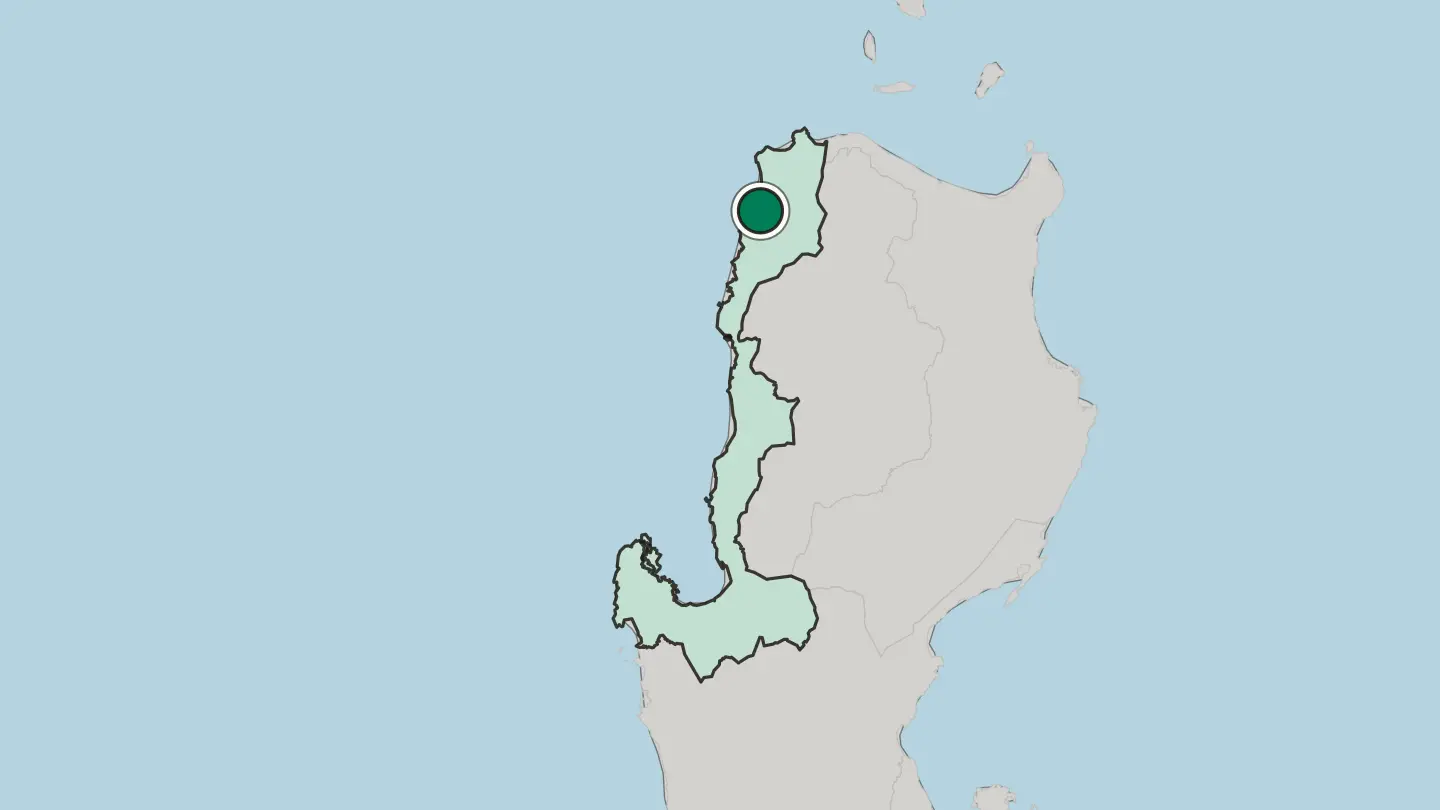
 Philippines
San Fernando
San Fernando is the capital of La Union and the administrative centre of the Ilocos Region, a component city written San Fernando, L.U.Where to stay →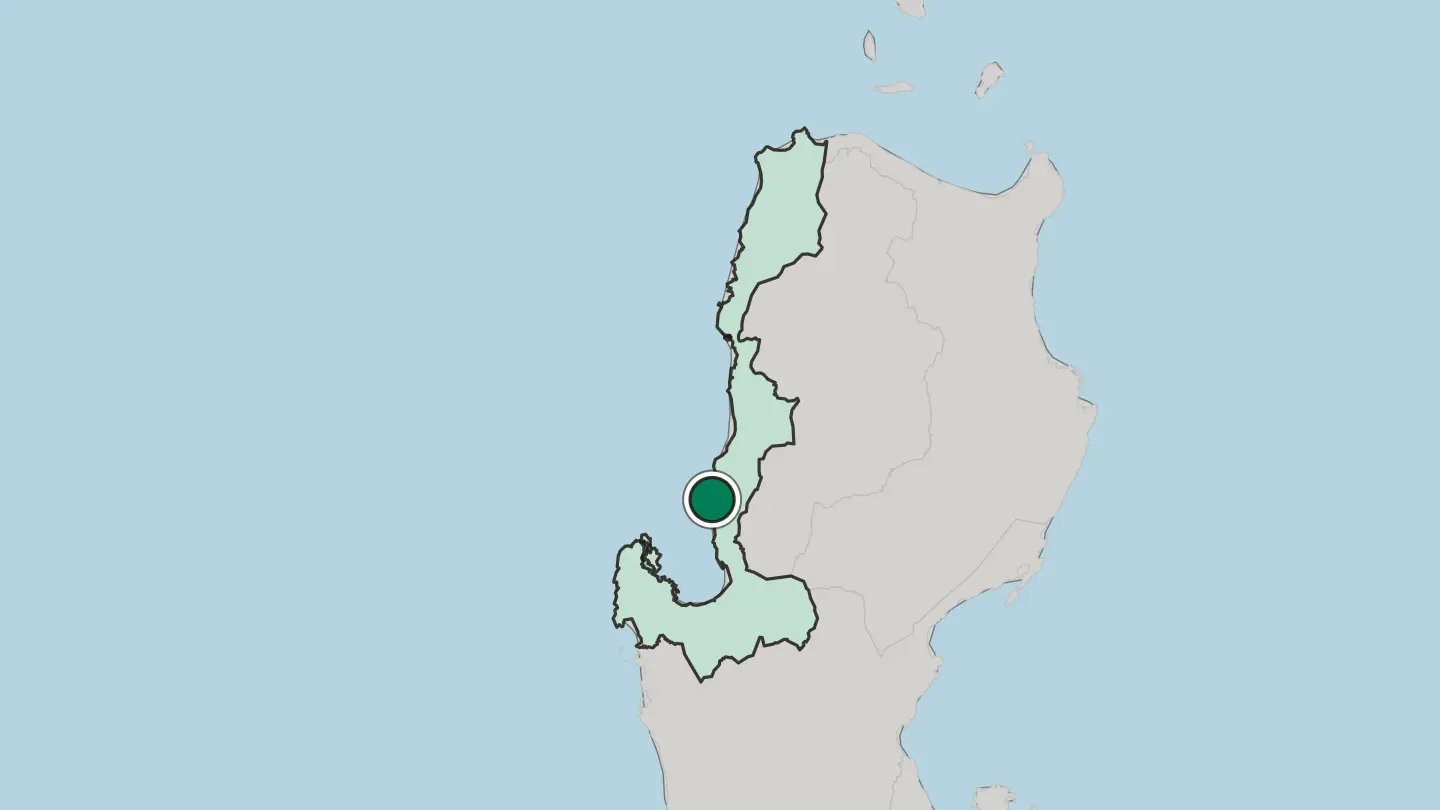
 Philippines
Lingayen
Lingayen is the capital of Pangasinan, a first-class municipality in Ilocos whose long, wide beach runs beside the provincial government offices.Where to stay →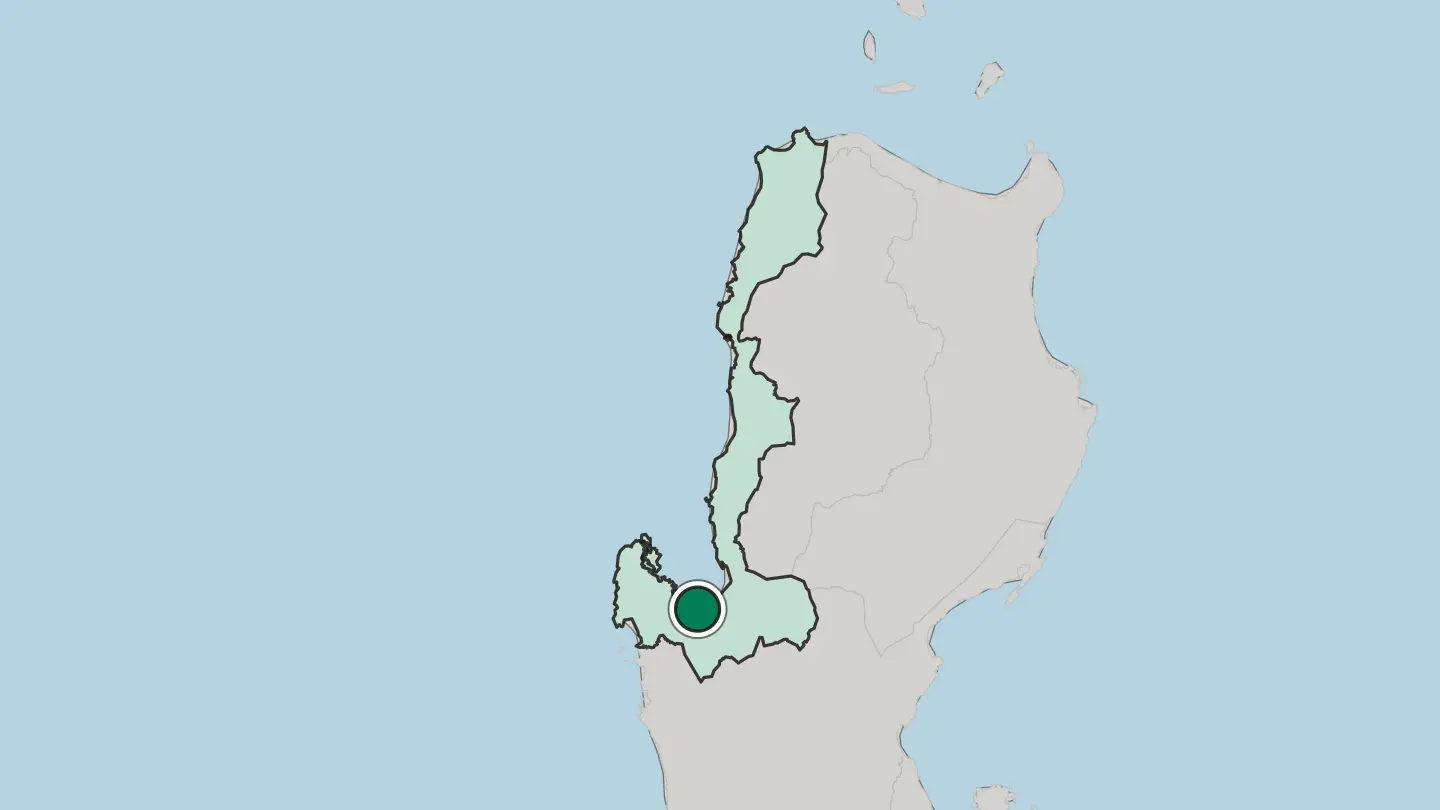
Hotel links are affiliate links: booking through them may earn us a commission, at no extra cost to you. It never affects how places are ranked. How this works
About Ilocos
What is Ilocos known for?
Four things account for most visits: old towns, historical sites, beaches and nature attractions. The coast supplies the second half of that list, running the length of the region against the West Philippine Sea, while the old towns and historical sites are spread among Ilocos Norte, Ilocos Sur, La Union and Pangasinan. Pangasinan is the southern weight.
San Carlos City there is the largest settlement in the region, and Dagupan City holds the rank of independent-component city.
Where is Ilocos?
Borders define the shape. Ilocos forms the northwest part of Luzon, with the Cordillera Administrative Region on its eastern side, the Cagayan Valley to the northeast and southeast, Central Luzon to the south and open water to the west. That water is the West Philippine Sea.
Cagayan Valley touches the region twice, to the northeast and again to the southeast, so the boundary with it is not a single line. The region sits between that sea and its inland neighbours, so its four provinces line up along the western side of Luzon rather than spreading out behind it. Ilocos Norte, Ilocos Sur, La Union and Pangasinan are the four.
San Fernando sits in La Union. It is the regional centre, the administrative hub that the four provinces of Ilocos answer to, and the seat sits inside La Union rather than in the region's largest settlement. Weight and rank do not coincide.
San Carlos City in Pangasinan is the largest settlement in the region, while Dagupan City, also in Pangasinan, holds the separate rank of independent-component city, and neither of them is the regional centre. Pangasinan therefore carries more of the urban mass than its name in the Ilocos title suggests.
What is Ilocos like?
The name repeats itself. Two of the four provinces are called Ilocos Norte and Ilocos Sur, so the region's title is also the title of half its constituent parts, a naming pattern that says something about where the identity was concentrated first. La Union and Pangasinan carry their own names.
Old towns and historical sites are what Ilocos is known for, alongside its beaches and nature attractions, and the first two of those are cultural property rather than scenery. That mix is unusual in one region. English is the language a traveller works in.
It runs through administration and tourism across Ilocos Norte, Ilocos Sur, La Union and Pangasinan alike, which keeps the practical side of a visit simple even where the four provinces differ in other respects. Cities sit outside that provincial frame. Dagupan City is an independent-component city, San Fernando is the regional centre, and San Carlos City is the largest settlement, so three different kinds of standing are spread across the region rather than gathered in one place.
Region I is the official shorthand, while Ilocos Region is the formal name and Ilocos alone is what most people say.
What is the history of Ilocos?
Administrative names carry the record here. Ilocos became the Ilocos Region in official use and Region I in the numbering that orders the administrative regions of the Philippines, and the four provinces of Ilocos Norte, Ilocos Sur, La Union and Pangasinan were gathered under that single heading. San Fernando took the centre.
Dagupan City kept a rank of its own as an independent-component city, standing apart from the provincial structure around it.
What is the climate of Ilocos?
The West Philippine Sea does the work. It lies along the whole western edge of Ilocos, so sea air reaches the four provinces before anything from the interior of Luzon does, and the coast feels that influence more than the ground behind the Cordillera Administrative Region. Weather arrives from the water.
Inland, toward the Cagayan Valley and Central Luzon, the same air has further to travel, and the coastal strip takes it first.
How do you get to Ilocos?
Approaches come overland from the south. Central Luzon borders Ilocos on that side, giving the region its southern land approach, while the Cagayan Valley and the Cordillera Administrative Region close it in from the east and provide the inland crossings. San Fernando is the administrative destination.
Once inside, the four provinces run one into the next along the coast, so moving between Ilocos Norte, Ilocos Sur, La Union and Pangasinan is a matter of following the western side of Luzon rather than doubling back inland.
Common questions
What is the best area to stay in Ilocos?
San Fernando: travellers basing themselves at the Region I administrative hub inside La Union. Dagupan City: stays at the Pangasinan end of Ilocos, within reach of San Carlos City.
Good for
More regions in Philippines
Updated September 2026