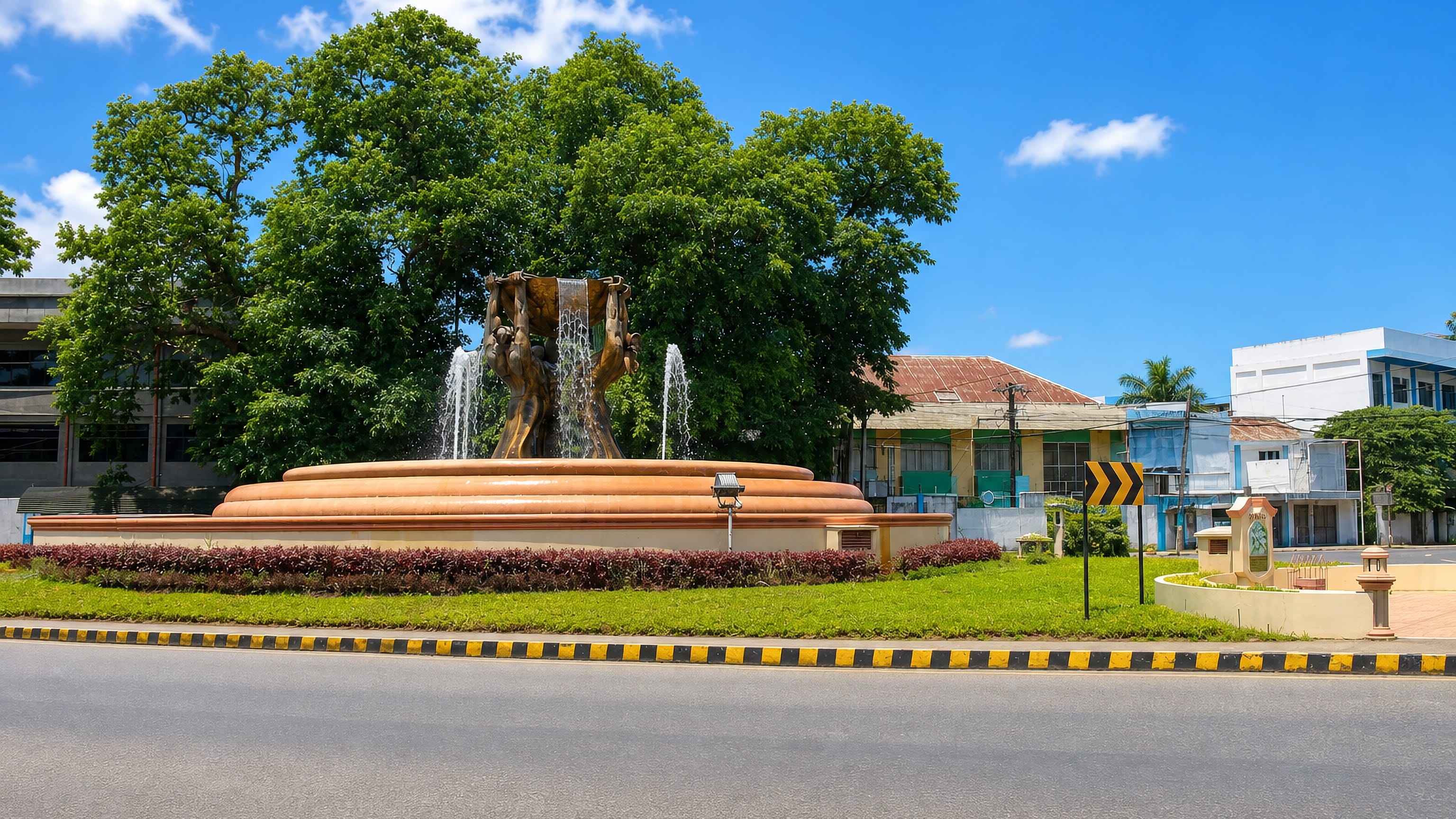
Philippines · Zamboanga Peninsula
Where to Stay in Dipolog, Zamboanga Peninsula
Dipolog is the capital of Zamboanga del Norte on Mindanao, a Philippine city whose sardine canneries earned it the name Bottled Sardines Capital.
Hotel links are affiliate links: booking through them may earn us a commission, at no extra cost to you. It never affects how places are ranked. How this works


Where to stay in Dipolog
The practical side of choosing where to sleep.
Dipolog gives a short list of choices, and the split runs between the streets near Zimerman and the beds out along the roads that leave the city for the rest of Zamboanga del Norte. Central rooms suit short stops. Anyone in the city for the provincial offices, the market, or a connection onward to Cebu will spend less time in transit by staying in the middle of things.
Zimerman sits in that stretch, and the offices of Zamboanga del Norte are the reason many arrivals need a night at all. The canneries work nearby. Further out, the city thins into the ordinary country of the Zamboanga Peninsula, and rooms there trade the noise of the centre for a quicker start on the road.
You will want that if your route continues into Mindanao rather than ending in Dipolog. Beds are plain either way. Many arrivals from Dumaguete and Manila are passing through rather than staying, and either side of the city serves that pattern.
The city works for a living, and the beds follow from that rather than from any visitor season the Zamboanga Peninsula might have.
Find hotels in Dipolog
Direct booking searches for these neighbourhoods.
Around Zimerman
Zimerman and the provincial offices stand in the same few streetsFind hotels in Around ZimermanRoutes carrying on into the Zamboanga Peninsula next morningThe road out of Dipolog
Rooms on the edge where Dipolog gives way to the peninsula road. Rooms are few around here — worth securing early.Find hotels in The road out of DipologHotel links are affiliate links: booking through them may earn us a commission, at no extra cost to you. It never affects how places are ranked. How this works
About Dipolog
Sardines built the name.
What is Dipolog known for?
Canneries along Dipolog pack the catch into tins that travel the length of the Philippines, and the city answers to the label Bottled Sardines Capital because of them. It is also the seat of Zamboanga del Norte, where provincial offices and markets serve the towns of the Zamboanga Peninsula. Routes run in from Dumaguete, Cebu and Manila.
What are the main landmarks in Dipolog?
Zimerman heads the short list of landmarks named in Dipolog. Around it the working city takes over, with canneries filling tins with sardines, the offices of Zamboanga del Norte nearby, and the ordinary market streets of a capital on the Zamboanga Peninsula. Monuments are few.
Travellers arriving from Dumaguete or Cebu tend to remember the sardine trade rather than any single building.
What is the history of Dipolog?
The year 1913 fixes Dipolog's founding. From that beginning the settlement grew into the administrative centre of Zamboanga del Norte, the province that holds the upper part of the Zamboanga Peninsula, and the business of that territory has been conducted from this city. Its formal name is City of Dipolog.
The rank behind that name is component city, which keeps Dipolog inside Zamboanga del Norte rather than standing apart from it. Mindanao holds the peninsula, the peninsula holds the province, and a capital at the head of that chain gathers the errands of every town in it. Sardines made the city's name.
Canning grew into the trade Dipolog is known for beyond Mindanao, and the tins that leave its factories carry the byname Bottled Sardines Capital far past the Zamboanga Peninsula. The catch comes in and the tins go out. Travel shaped the city as much as industry did, since routes from Dumaguete, Cebu and Manila all land at Dipolog and make it the point of entry for much of the province.
That trade is what most of the Philippines knows Dipolog for, ahead of its role as a provincial capital, and the two together have kept the city busier than its size alone would explain. Zamboanga del Norte still runs from here.
Where is Dipolog?
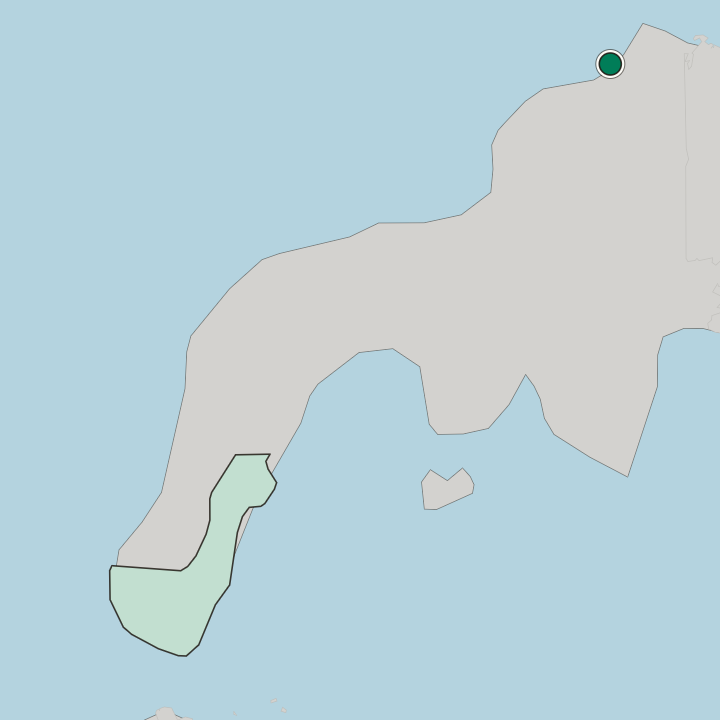
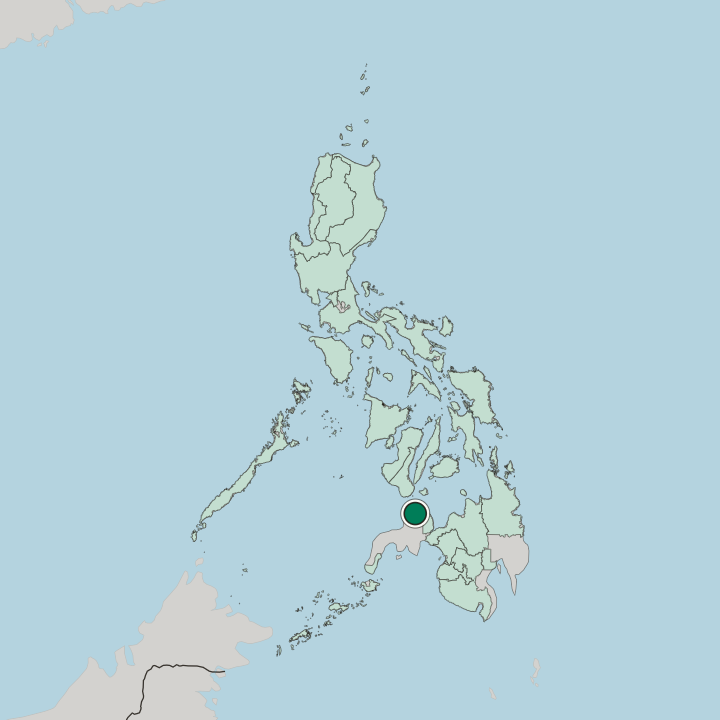
Dipolog covers about 241 square kilometres. The city holds the northern corner of the Zamboanga Peninsula, the long arm of Mindanao that runs out from the main body of the island, and Zamboanga del Norte is administered from here. Its ground lies within the tropics of the Philippines, warm through every month.
Dumaguete and Cebu lie within easy reach.
What is the climate of Dipolog?
Heat holds steady in Dipolog through every month, and the seasons register as wetter or drier rather than warmer or cooler, the pattern of the tropical belt that crosses Mindanao. No cold season interrupts it. Humidity comes off the water around the Zamboanga Peninsula, and the province of Zamboanga del Norte shares the same warm, damp regime from one end of its territory to the other.
How do you get to Dipolog?
Three approaches matter. Dumaguete, Cebu and Manila are the places Dipolog is reached from, and arriving from any of them sets a traveller down at the head of the Zamboanga Peninsula in a single leg. Onward travel into Zamboanga del Norte starts in the city, since the province's towns look to their capital for connections.
Mindanao begins here for many arrivals.
Common questions
What is the best area to stay in Dipolog?
Around Zimerman: Nights spent on Zamboanga del Norte business in Dipolog. The road out of Dipolog: Routes carrying on into the Zamboanga Peninsula next morning.
Good for
More cities in Zamboanga Peninsula
Updated September 2026