Philippines · Zamboanga Peninsula
Where to Stay in Zamboanga, Zamboanga Peninsula
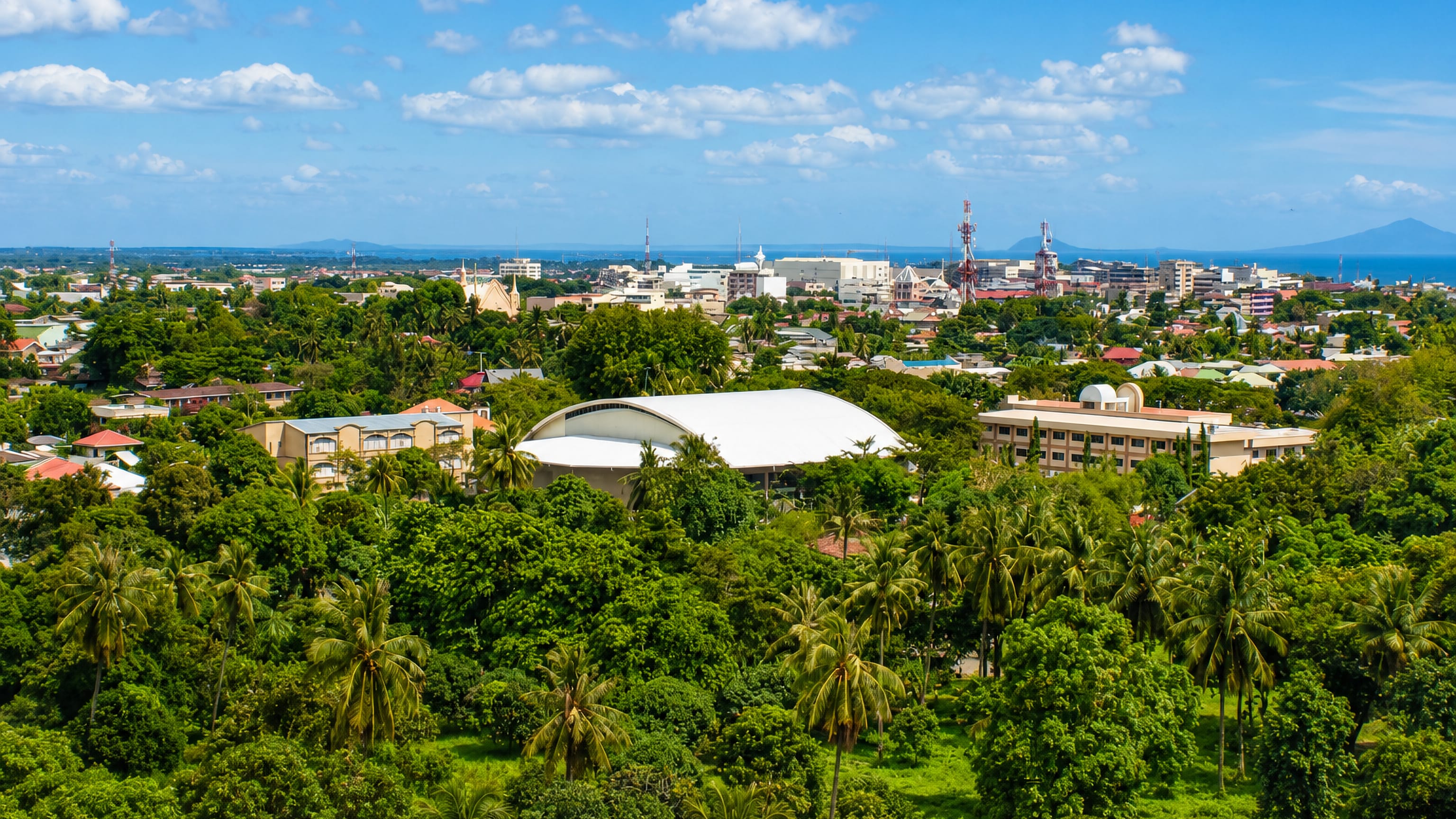
Zamboanga is a port city at the end of the Zamboanga Peninsula, known through the Philippines as the City of Flowers and guarded by Fort Pilar.
Hotel links are affiliate links: booking through them may earn us a commission, at no extra cost to you. It never affects how places are ranked. How this works


Where to stay in Zamboanga
Where visitors usually base themselves, and why.
Zamboanga is big enough that the choice is about which part of the city a stay belongs to, and land area alone puts it third in the Philippines. Fort Pilar anchors one answer. Rooms near the fort put Fort Pilar and the harbour within a short move, which suits anyone here for a day or two between boats.
Trade never stops there. Islands lie off the coast, and a stay by the water is the one that makes reaching them straightforward. The other choice belongs to the arenas, where the Zamboanga City Coliseum fills on event nights and the crowds it draws set the tone of the streets around it.
Sport pulls its own visitors. You will find that side of Zamboanga easier if the trip is built around a fixture rather than around Fort Pilar or the water. Zamboanga is a commercial and industrial centre before it is a destination, and rooms follow that order.
City of Flowers is the label, but the working port is the reality most stays run into, and the two coexist across a territory as large as this one.
Find hotels in Zamboanga
Direct booking searches for these neighbourhoods.
Near Fort Pilar
Fort Pilar and the port trade give this side of Zamboanga its characterFind hotels in Near Fort PilarTrips timed to a fixture at the Zamboanga City ColiseumBy the Zamboanga City Coliseum
Rooms within reach of the arena crowds the Coliseum brings inFind hotels in By the Zamboanga City ColiseumHotel links are affiliate links: booking through them may earn us a commission, at no extra cost to you. It never affects how places are ranked. How this works
About Zamboanga
Ships and flowers carry the name.
What is Zamboanga known for?
Zamboanga works as one of the busiest ports in the Philippines, and the harbour trade sets the pace of a city that also serves as the commercial and industrial centre of the Zamboanga Peninsula. The nickname is City of Flowers. Fort Pilar heads its landmarks, and by land area only two cities in the country are larger.
What are the main landmarks in Zamboanga?
Fort Pilar is the name that carries Zamboanga's past. Zamboanga's roster of sights is short. Two arenas complete it, the Zamboanga City Coliseum and the sports complex named for Joaquin Enriquez, both of them places where the city gathers for games rather than for sightseeing.
Flowers explain the rest of the reputation, since City of Flowers is the label that follows Zamboanga through the Philippines and the Zamboanga Peninsula alike.
What is the history of Zamboanga?
Zamboanga's founding is dated to 1635, and the official name it carries is City of Zamboanga. Centuries separate that date from the highly urbanized city the place became, and the long stretch between is written into Fort Pilar, the fortification that still heads the city's list of landmarks. The harbour did the work.
Trade through the port turned Zamboanga into the commercial and industrial centre of the Zamboanga Peninsula, which is the role the city still fills. The rank it holds is highly urbanized city. Growth was never only municipal, since the port drew trade from across the Zamboanga Peninsula and the islands off the coast, and the city's business spread with it.
Scale came with the trade. By land area Zamboanga ranks third in the Philippines, and in Mindanao only Davao City has more people, a standing that follows from a territory taking in coast and islands as well as streets. Flowers gave the other name.
City of Flowers attached itself to Zamboanga alongside the harder facts of the port, and both descriptions are used of the same place without contradiction. Fort Pilar still anchors the older half of that story, and the port carries the newer one.
Where is Zamboanga?
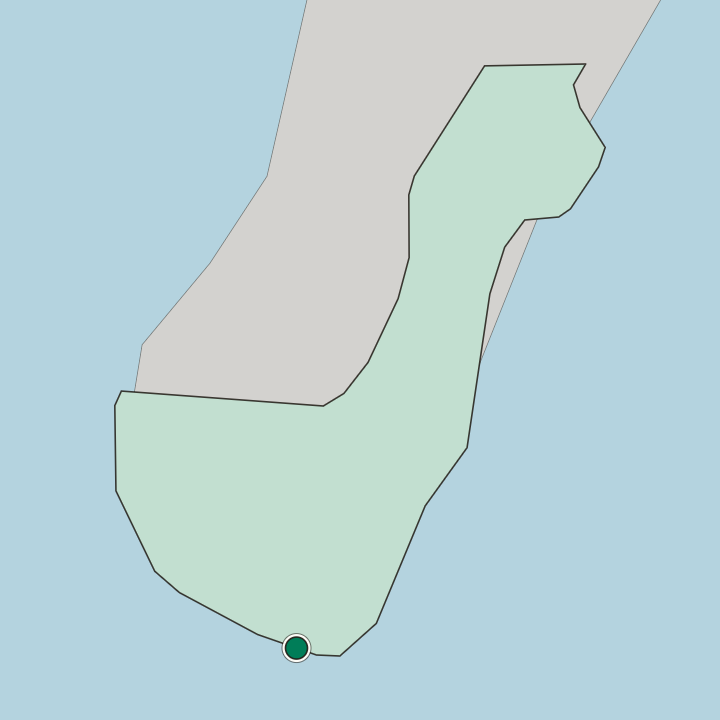
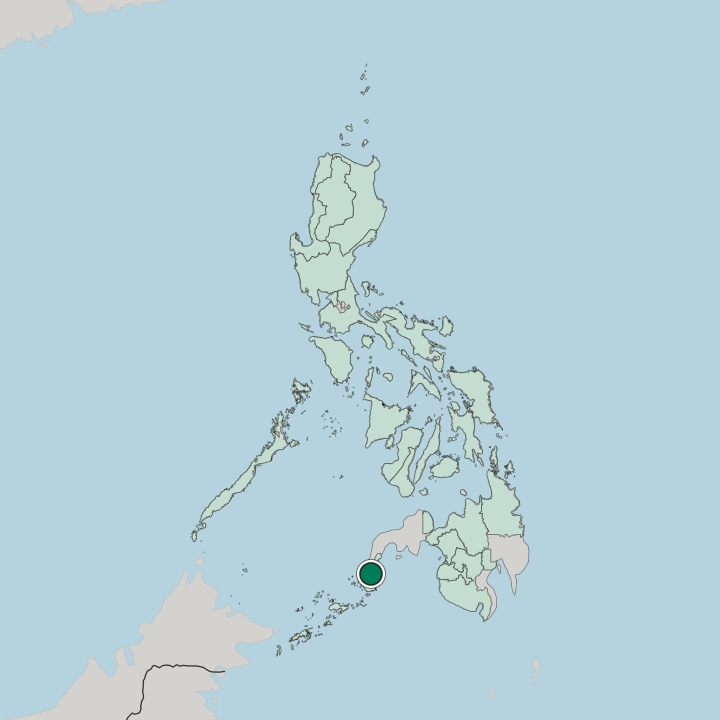
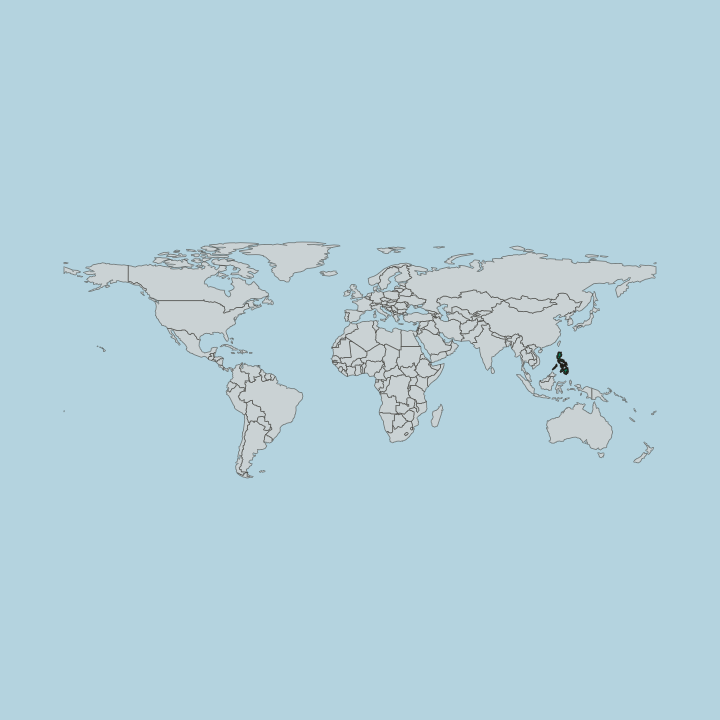
Water frames Zamboanga on the coast at the end of the Zamboanga Peninsula, and islands lie off its shore within a territory large enough to rank third in the Philippines by land area. Heat rules the year. Mindanao carries the city, and Davao City stands on the same island.
Coast and island together decide what the city can do with its ground, and the sea is never far from any part of it.
What is the climate of Zamboanga?
The sea moderates Zamboanga, so the tropical heat of Mindanao arrives here with the edge taken off it by wind coming across the water, month after month, without a cold season anywhere in the calendar. Rain marks the difference. Wet and dry spells replace the seasons that colder places keep, and the Zamboanga Peninsula stays green through both.
How do you get to Zamboanga?
The port is the way in for much of what reaches Zamboanga, since the harbour that made the city one of the busiest in the Philippines still handles the traffic that the Zamboanga Peninsula sends and receives. Arrivals come by water. Roads run in from the rest of Mindanao, and Davao City is the other large centre on the island.
Common questions
What is the best area to stay in Zamboanga?
Near Fort Pilar: Days spent between Fort Pilar and the Zamboanga harbour. By the Zamboanga City Coliseum: Trips timed to a fixture at the Zamboanga City Coliseum.
Good for
More cities in Zamboanga Peninsula
Updated September 2026