Philippines · Zamboanga Peninsula
Where to Stay in Pagadian, Zamboanga Peninsula
Pagadian, capital of Zamboanga del Sur and regional centre of the Zamboanga Peninsula, climbs the ridges that earned it the Little Hong Kong name.
Hotel links are affiliate links: booking through them may earn us a commission, at no extra cost to you. It never affects how places are ranked. How this works


Where to stay in Pagadian
The practical side of choosing where to sleep.
Height decides more than anything else in Pagadian, because the flat ground carrying the provincial and regional offices is a small share of a city that otherwise runs up the ridges of Zamboanga del Sur. Low rooms save the legs. Anyone here on Zamboanga del Sur business will lose the least time on the level ground, where the offices, the market streets and the regional functions of the Zamboanga Peninsula sit close together.
Traffic funnels through it. Zamboanga del Sur keeps its capital here, and the beds follow the offices. Higher up, the streets that gave Pagadian its Little Hong Kong of the South name look back over the built-up ground, and rooms there trade convenience for the view down the slope.
The walk back up is the cost. Beds thin out on the ridges, so a stay above the centre suits visitors who have their own transport rather than those working from the offices below. Pagadian is a working capital rather than a resort, and the choice between low ground and ridge is really a choice about how much climbing a day should involve.
Find hotels in Pagadian
Direct booking searches for these neighbourhoods.
The Zamboanga del Sur office flat
The level ground where Pagadian keeps its provincial and regional officesFind hotels in The Zamboanga del Sur office flatStays wanting Pagadian's hillside outlook over the built-up groundThe Little Hong Kong ridges
The climbing streets that gave Pagadian its Little Hong Kong of the South name. Lodging is scarce in this area; reserve in advance.Find hotels in The Little Hong Kong ridgesHotel links are affiliate links: booking through them may earn us a commission, at no extra cost to you. It never affects how places are ranked. How this works
About Pagadian
Two titles attach to Pagadian.
What is Pagadian known for?
It is the capital of Zamboanga del Sur and the regional centre of the Zamboanga Peninsula, though Zamboanga, an independent city, is the larger of the two. Hills run through the streets. The nickname Little Hong Kong of the South comes from that mountainous terrain, and the climb is the first thing arrivals notice.
What are the main landmarks in Pagadian?
No monument stands out in Pagadian. The sight is the city itself, stacked up the slopes of Zamboanga del Sur so that the road climbs almost everywhere it goes within the built-up area. Terrain does the work here.
That shape is what the name Little Hong Kong of the South refers to, and the regional offices of the Zamboanga Peninsula sit among it rather than in any monumental quarter.
What is the history of Pagadian?
Pagadian dates from 1937. What began then became the capital of Zamboanga del Sur, and the offices of that province have been kept on these hillsides ever since. Rank came on top of that role.
The Zamboanga Peninsula made Pagadian its regional centre, an administrative weight that the city carries although Zamboanga, independent of any province, remains the larger place in the region. City status went with the formal name City of Pagadian, and the rank of component city keeps it within Zamboanga del Sur. A later document changed the terms.
Proclamation 1247, signed by President Rodrigo Duterte in November 2021, set out the city's conversion into a highly urbanized city, a change that takes effect only after a plebiscite ratifies it. Until that vote is held the city keeps its component rank inside Zamboanga del Sur. A regional centre draws offices and traffic from beyond its own province, and Zamboanga del Sur is only part of what Pagadian serves.
Growth explains the paperwork. Pagadian took on the trade and administration of the whole Zamboanga Peninsula while the ridges kept the built-up area folded into narrow ground, which is how the Little Hong Kong of the South label stuck.
Where is Pagadian?
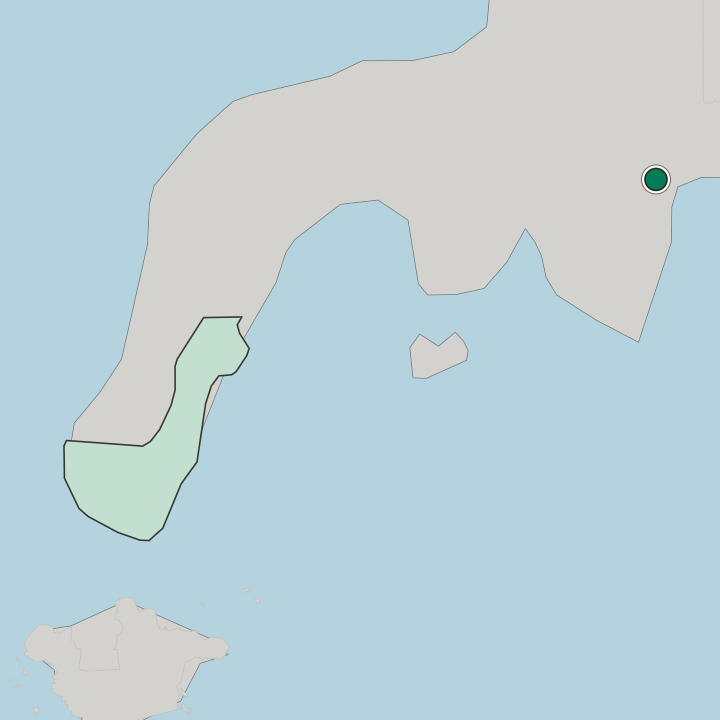
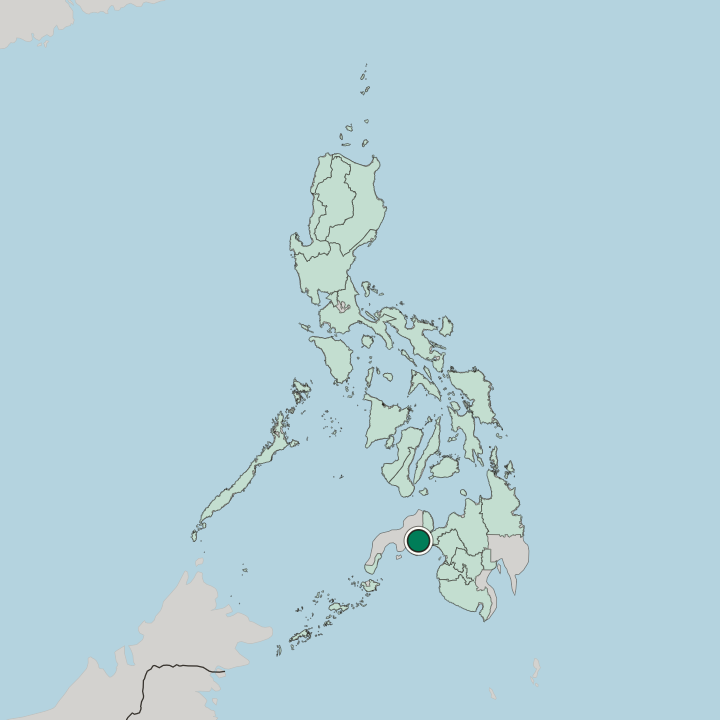
Mountainous terrain defines Pagadian, whose 378 square kilometres tilt from low ground up into the ridges that carry its streets at awkward angles, and the whole of it lies on the Zamboanga Peninsula. Flat land is scarce. Zamboanga del Sur surrounds the city, and the tropics of the Philippines set the terms for everything that grows on those slopes.
What is the climate of Pagadian?
The tropics keep Pagadian warm in every month, and the ridges that give the city its Little Hong Kong of the South nickname take the edge off the heat as the ground rises. Rain is the variable, not warmth. Weather that crosses the Zamboanga Peninsula meets high ground here, and Zamboanga del Sur takes its wet and dry spells on much the same schedule.
How do you get to Pagadian?
Everything in Zamboanga del Sur converges on its capital, so arrivals into the province tend to pass through Pagadian whether the province is the destination or not. The climb starts on arrival. Zamboanga, the independent city of the region, is the other pole of traffic on the Zamboanga Peninsula.
Common questions
What is the best area to stay in Pagadian?
The Zamboanga del Sur office flat: Business with the Zamboanga del Sur provincial administration. The Little Hong Kong ridges: Stays wanting Pagadian's hillside outlook over the built-up ground.
Good for
More cities in Zamboanga Peninsula
Updated September 2026