Philippines
Zamboanga Peninsula, Philippines — Towns & Travel Guide
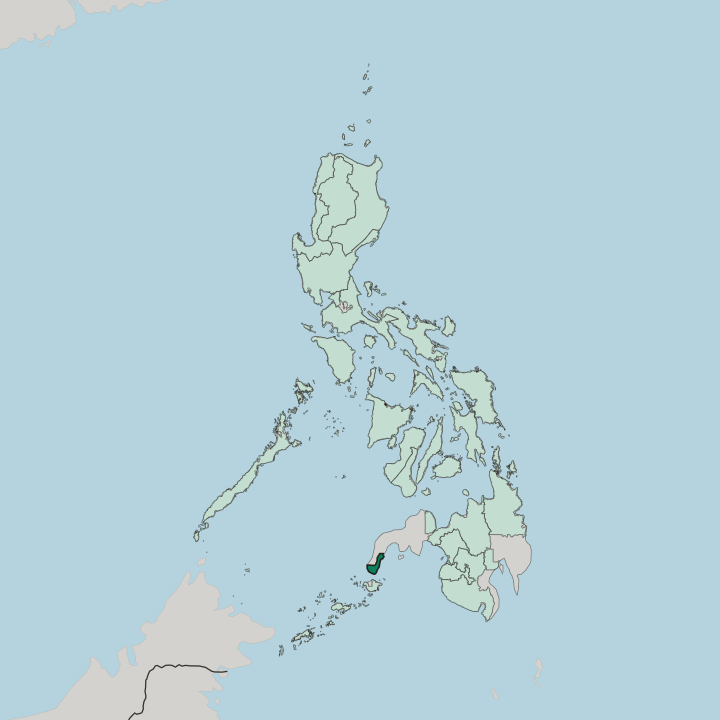
Region IX of the Philippines. The Zamboanga Peninsula reaches out from the island of Mindanao, gathering four provinces and two cities.
Hotel links are affiliate links: booking through them may earn us a commission, at no extra cost to you. It never affects how places are ranked. How this works


Towns & cities in Zamboanga Peninsula
Pick a town or city — each links to where to stay.

 Philippines
Zamboanga
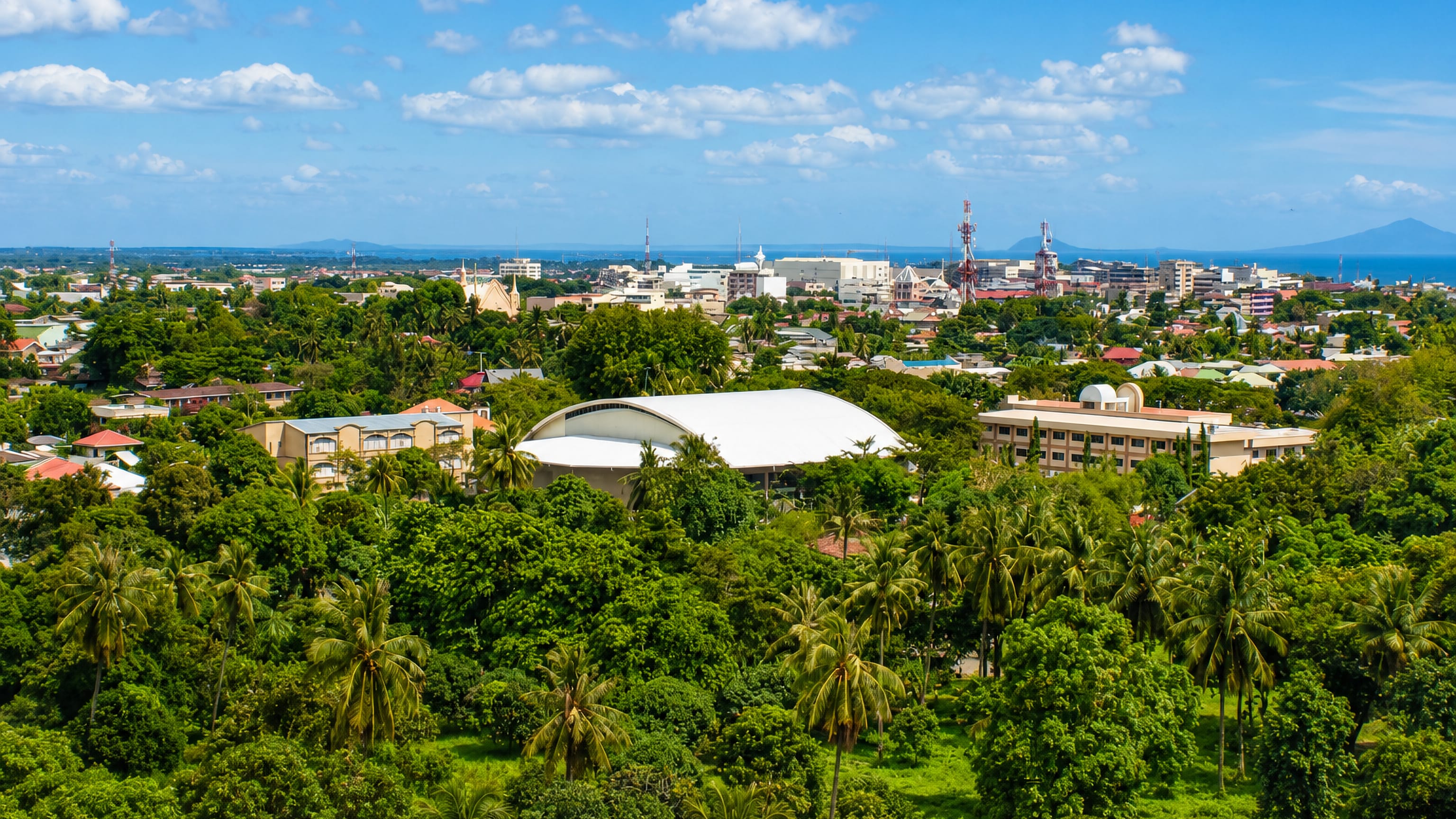
Zamboanga is a port city at the end of the Zamboanga Peninsula, known through the Philippines as the City of Flowers and guarded by Fort Pilar.Where to stay →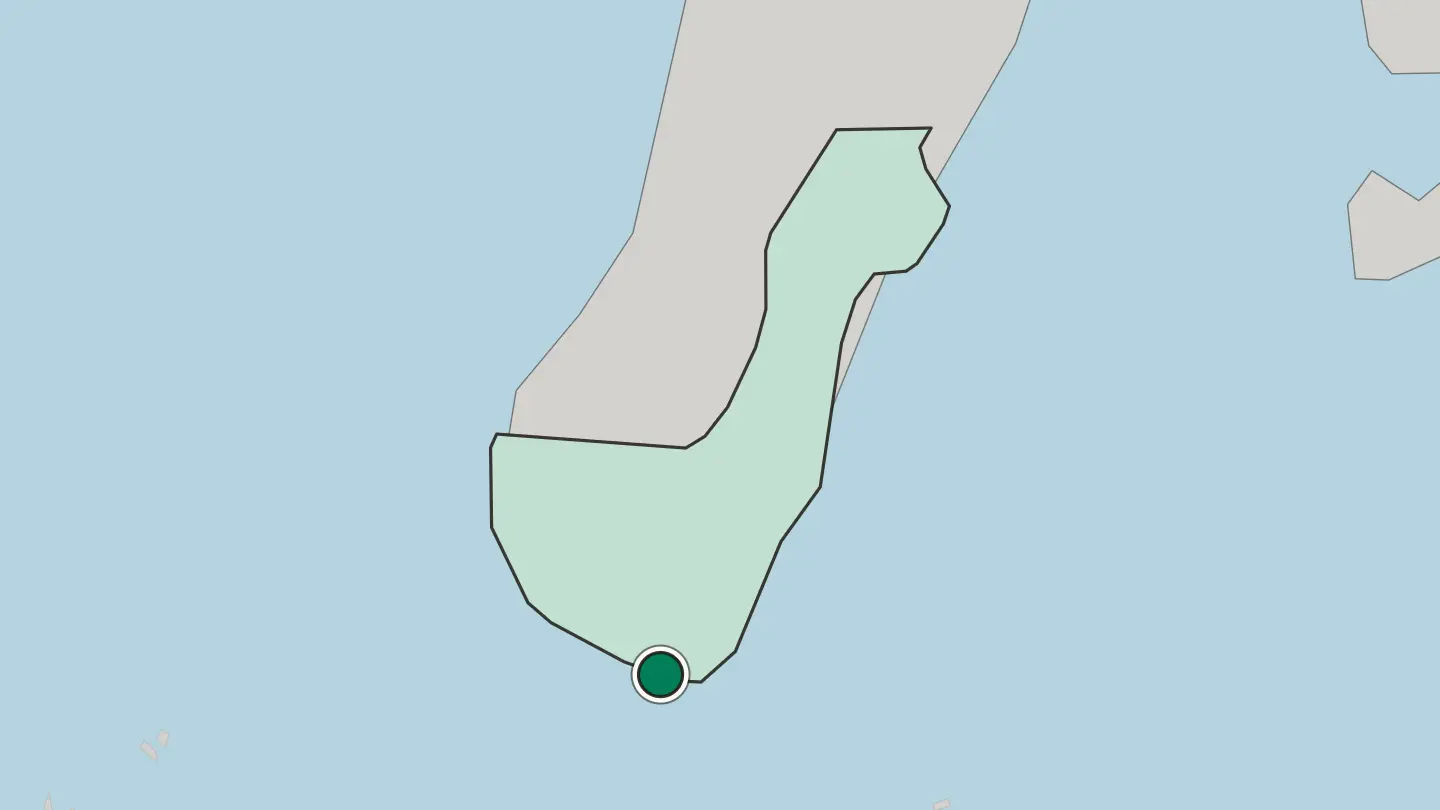 Philippines
Pagadian
Pagadian, capital of Zamboanga del Sur and regional centre of the Zamboanga Peninsula, climbs the ridges that earned it the Little Hong Kong name.Where to stay →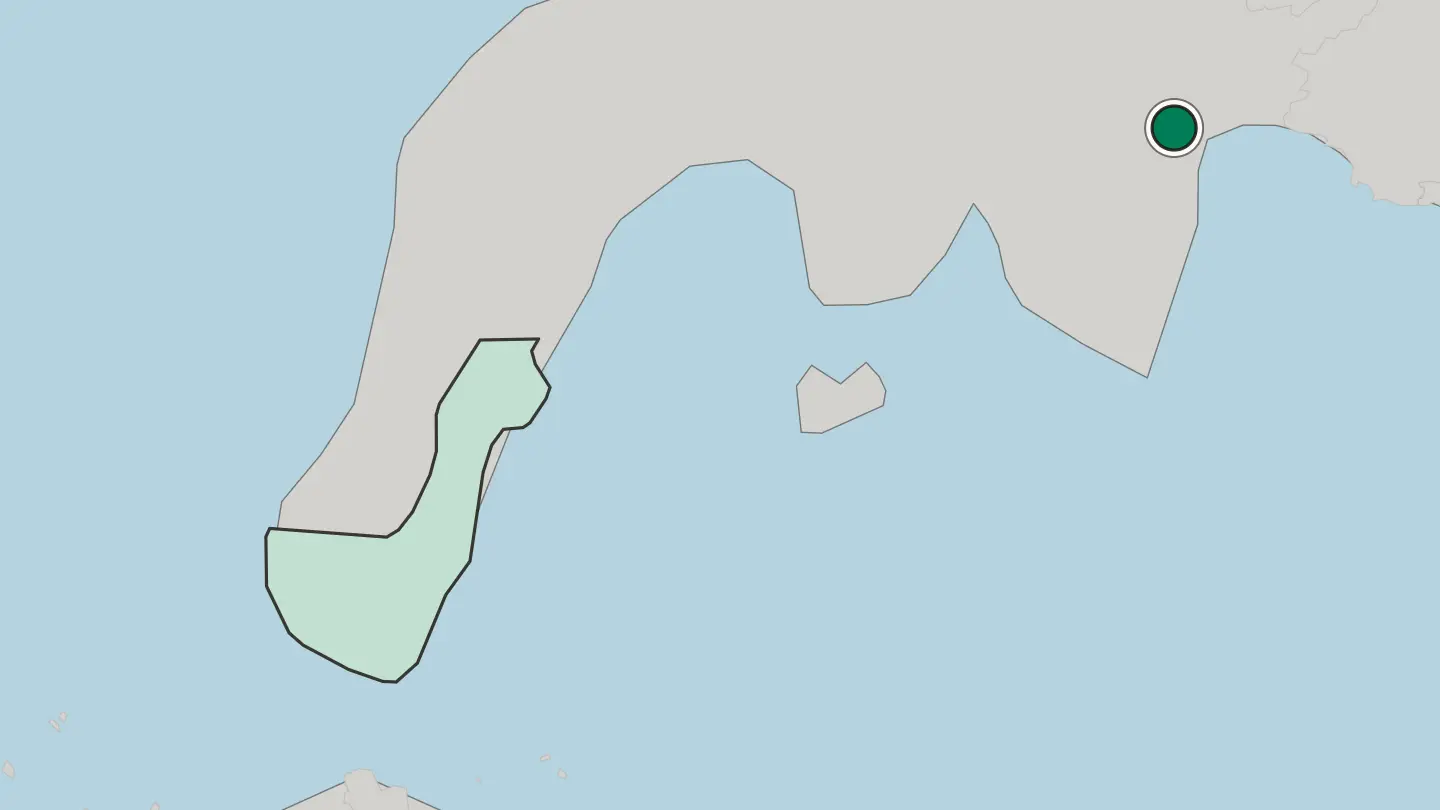
 Philippines
Dipolog
Dipolog is the capital of Zamboanga del Norte on Mindanao, a Philippine city whose sardine canneries earned it the name Bottled Sardines Capital.Where to stay →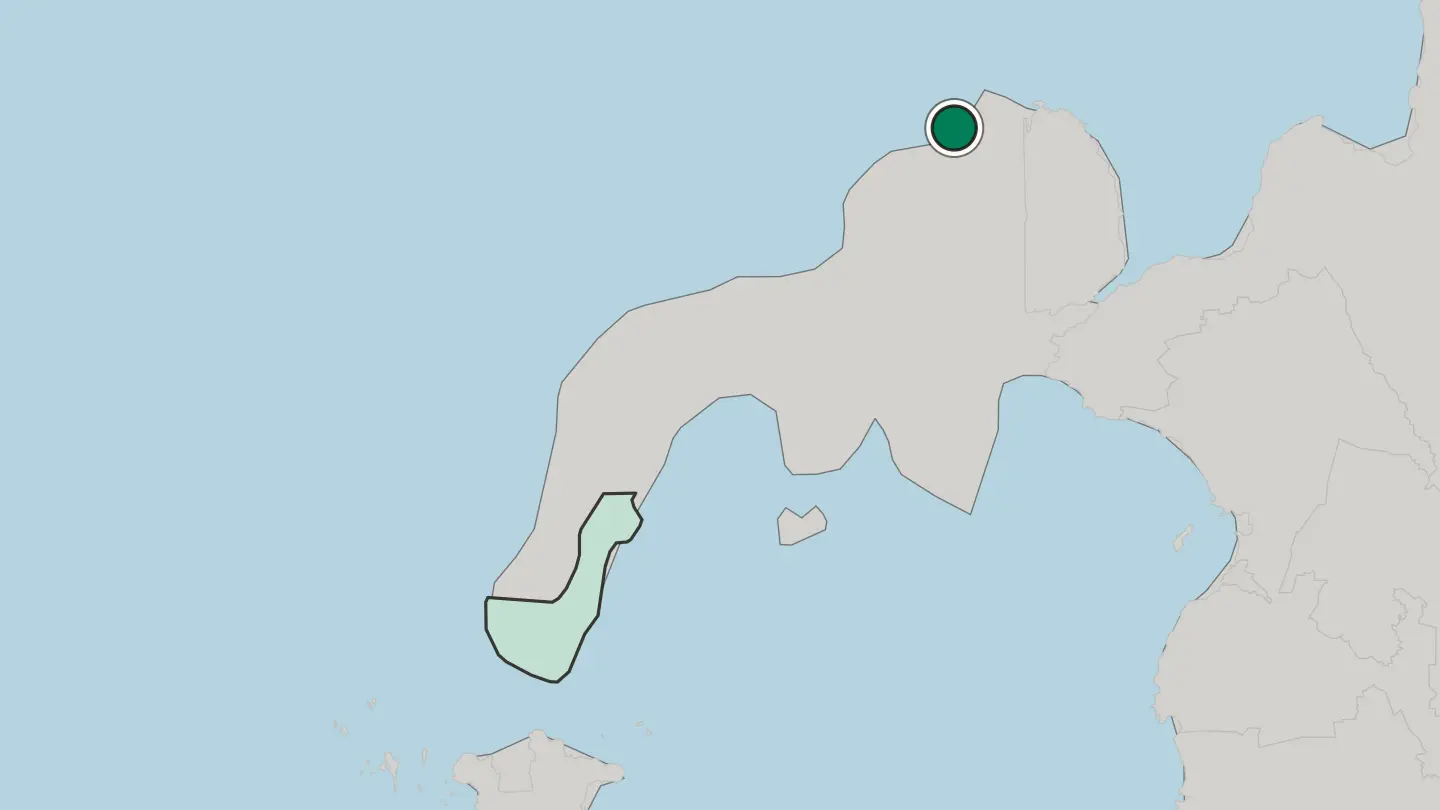
 Philippines
Dapitan
Dapitan, the Shrine City of the Philippines, is a city of Zamboanga del Norte on Mindanao, holding the Jose Rizal Memorial Protected Landscape.Where to stay →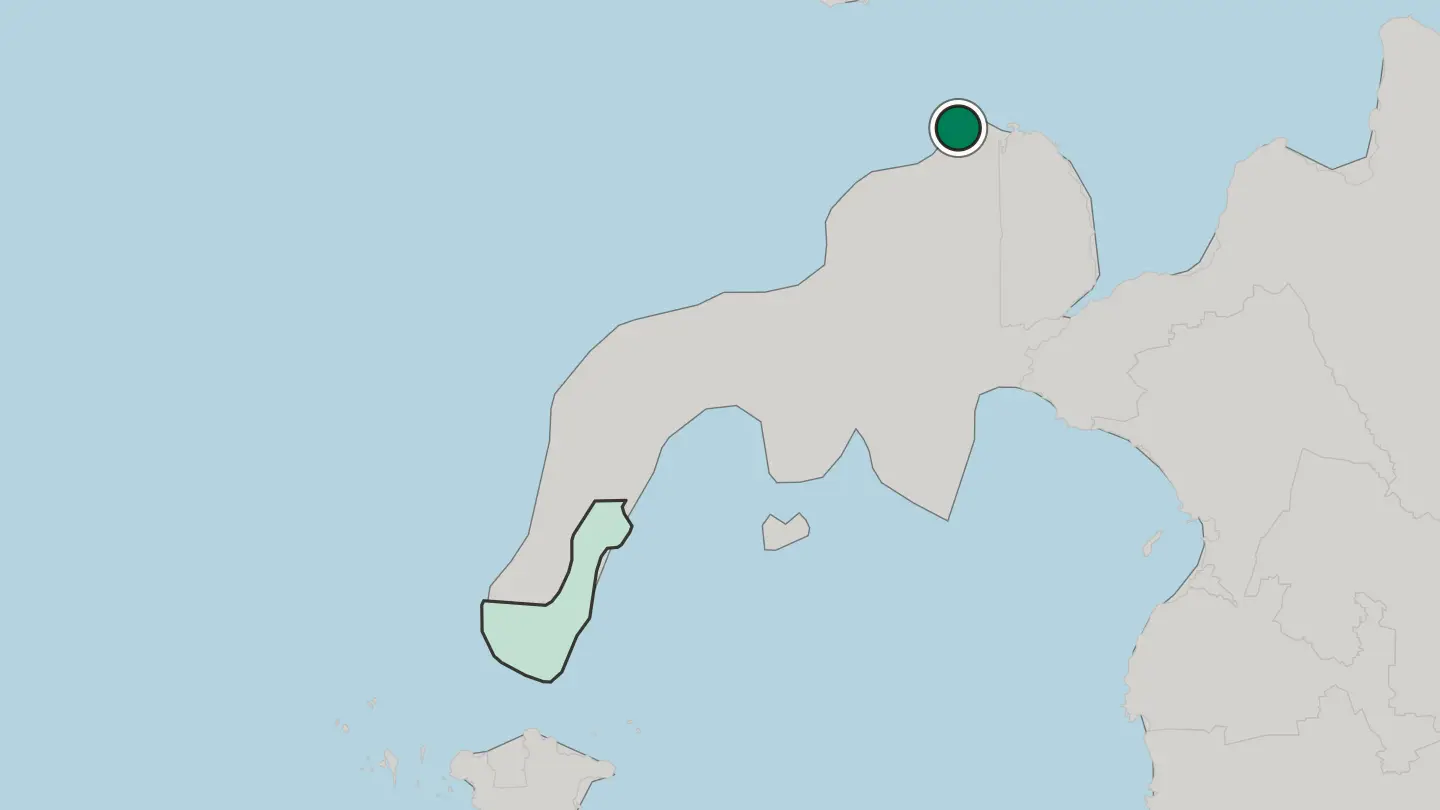
Hotel links are affiliate links: booking through them may earn us a commission, at no extra cost to you. It never affects how places are ranked. How this works
About Zamboanga Peninsula
Four provinces and two cities answer to one region here.
What is Zamboanga Peninsula known for?
Zamboanga Peninsula carries the designation Region IX, and its roll is Zamboanga del Norte, Zamboanga Sibugay, Zamboanga del Sur and Sulu, with the cities of Zamboanga and Isabela alongside them. Mindanao is the island underneath. The peninsula itself is the through-line, a long limb of land that gives the region its name and its shape.
Where is Zamboanga Peninsula?
The name describes the land. A peninsula runs out from the body of Mindanao, and the region built on it takes both its name and its outline from that single arm of ground reaching into the sea. Region IX is the administrative label.
Under it sit Zamboanga del Norte, Zamboanga Sibugay and Zamboanga del Sur, three provinces strung along the peninsula, together with Sulu and the cities of Zamboanga and Isabela. Roughly seventeen thousand square kilometres fall inside those boundaries, mainland and coast together. Coast dominates the shape of it.
A limb of land that narrow keeps water close on either side along most of its length, and the sea is as much a part of the region's working geography as the ground itself. Mindanao supplies the base. The peninsula joins the larger island at its root, so Region IX reads as both a part of Mindanao and a distinct piece of it, attached at one end and open to water elsewhere.
Six named units make up the region. Zamboanga del Norte, Zamboanga Sibugay, Zamboanga del Sur and Sulu are the provinces, and Zamboanga and Isabela are the cities.
What is Zamboanga Peninsula like?
One name repeats across the map here. Four provinces, two cities, one label. Zamboanga del Norte, Zamboanga Sibugay and Zamboanga del Sur all carry it, and so does the city of Zamboanga, which makes the regional identity unusually legible on paper.
The peninsula supplies the rest. Everything under the Region IX heading is understood in relation to that arm of Mindanao, and the shared name works as a kind of shorthand for a place that is otherwise a collection of separate provinces and cities. Sulu breaks the pattern.
The province sits on the same regional roll without carrying the Zamboanga name, and its presence is a reminder that Region IX was drawn as an administrative unit rather than as one cultural block. Isabela does something similar. The city appears beside Zamboanga in the region's list of cities, and the two of them stand apart from the four provinces in status if not in geography.
Mindanao is the larger frame. Region IX is the administrative name the peninsula goes by there, and it is the label that carries the Zamboanga name outward to the rest of the Philippines.
What is the history of Zamboanga Peninsula?
Region IX is a designation before it is anything else. The peninsula long predates the label, and the region's present shape comes from the decision to group Zamboanga del Norte, Zamboanga Sibugay, Zamboanga del Sur and Sulu with the cities of Zamboanga and Isabela under one administrative heading. Mindanao held the ground throughout.
That grouping is what the record carries.
What is the climate of Zamboanga Peninsula?
The sea sets the terms on a peninsula. Water lies close on either side of the arm of Mindanao that Region IX occupies, so the maritime influence reaches almost everywhere in the region rather than stopping at a coastal strip. Interior distance is short.
Nowhere in Zamboanga del Norte, Zamboanga Sibugay or Zamboanga del Sur is far from the coast, and the shape of the peninsula is what governs the pattern.
How do you get to Zamboanga Peninsula?
Zamboanga shares its name with the region. The city is one of the two named on the Region IX roll, and an approach to the peninsula usually resolves into a choice between it and Isabela before any onward leg begins. The neck is the land door.
Overland routes into Zamboanga del Norte, Zamboanga Sibugay and Zamboanga del Sur run down the peninsula from the rest of Mindanao, and everything else arrives by sea or by air.
Common questions
What is the best area to stay in Zamboanga Peninsula?
Zamboanga: Stays anchored to the city that gives Region IX its name. Isabela: The second city option on the Region IX list. Zamboanga del Sur: Trips working the provincial side of the peninsula. Zamboanga del Norte: Onward runs back towards the rest of Mindanao.
Good for
More regions in Philippines
Updated September 2026