Pakistan · Gilgit-Baltistan
Where to Stay in Gilgit, Gilgit-Baltistan
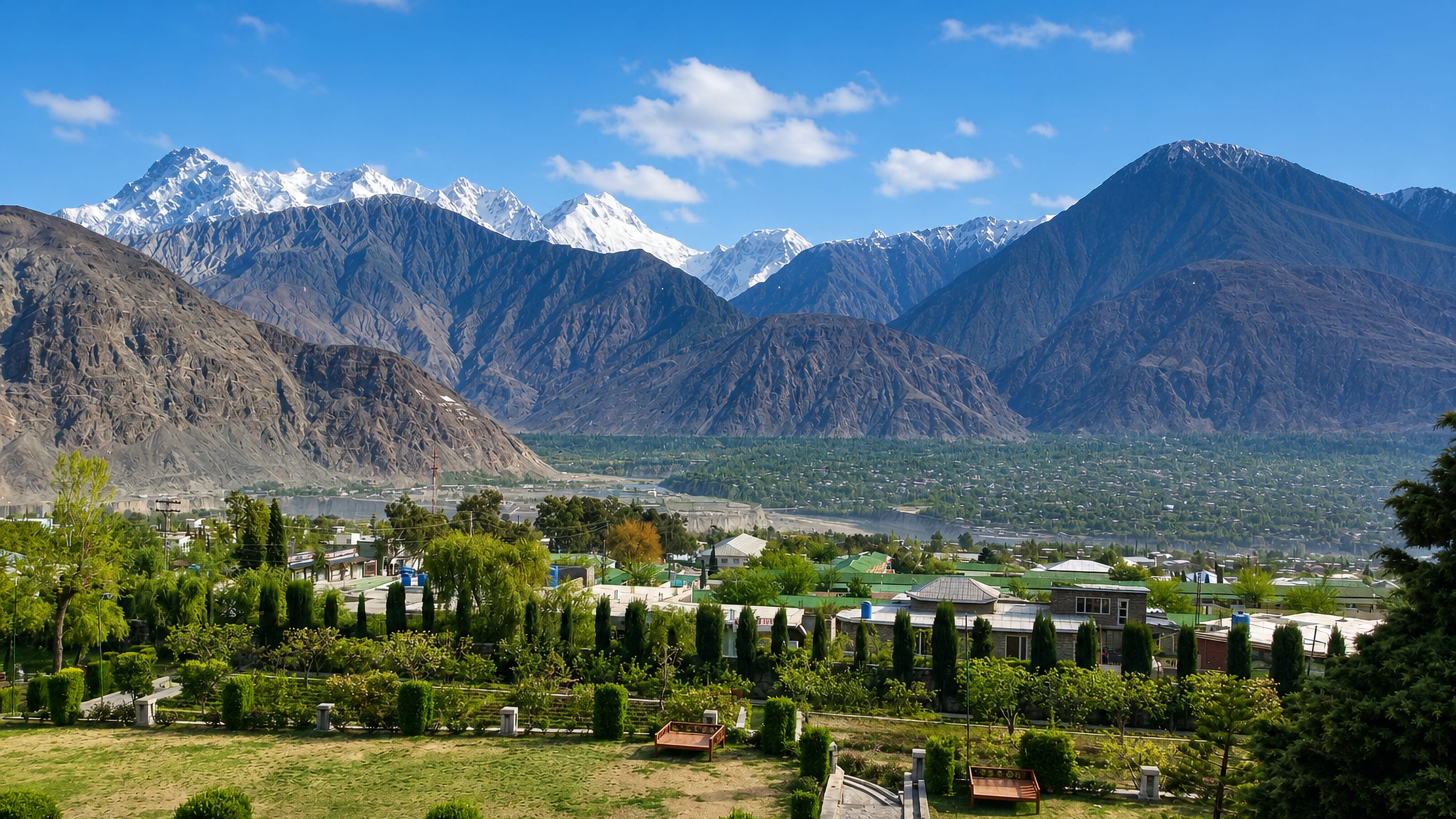
Gilgit fills the broad Gilgit Valley where the Gilgit and Hunza rivers meet, capital of Gilgit-Baltistan and the staging town for the Karakoram.
Hotel links are affiliate links: booking through them may earn us a commission, at no extra cost to you. It never affects how places are ranked. How this works


Where to stay in Gilgit
How the choice of base plays out on the ground.
A bed in Gilgit is chosen against the Karakoram, not against a street plan. Most rooms lie in the town itself on the valley floor, near where the Gilgit and Hunza rivers come together, and they exist largely because expeditions and overland travellers need somewhere to stop before or after the mountains. Nights here are practical.
You will get the most out of a stay by treating it as a base to research the onward route, meet other travellers, or simply rest between long days on the road. Kargah Buddha and the Alam Bridge inscriptions are the two things worth an afternoon when the weather closes the higher ground, and both sit close enough to Gilgit that a room in town covers them. Rakaposhi draws climbers past.
The Gilgit Valley is broad, so the town spreads rather than stacks, and the difference between one address and another is measured in walking minutes rather than in character. Gilgit-Baltistan has no larger town. Traffic bound for China uses the same road, which keeps beds in demand through the climbing season and quiet outside it. Urdu is the working language of the counters.
Find hotels in Gilgit
Direct booking searches for these neighbourhoods.
Gilgit town by the river confluence
The valley floor near the meeting of the Gilgit and Hunza rivers, where the outfitters and the onward transport sitFind hotels in Gilgit town by the river confluenceQuieter nights within reach of the Kargah BuddhaThe Kargah side
The edge of Gilgit where the side valley climbs away, nearer the Kargah Buddha than the bazaar. Few places to stay nearby — book ahead.Find hotels in The Kargah sideHotel links are affiliate links: booking through them may earn us a commission, at no extra cost to you. It never affects how places are ranked. How this works
About Gilgit
Mountains bring people to Gilgit.
What is Gilgit known for?
Climbers and trekkers stage here for the Karakoram, and Rakaposhi is close enough that the town works as a starting point for parties heading up to it. The Kargah Buddha sits outside the town. Anyone travelling the Pakistani Himalayas, or moving between Pakistan and China along that road, tends to break the journey in Gilgit for at least a night.
What are the main landmarks in Gilgit?
Two named sites belong to Gilgit. The Kargah Buddha is the one most visitors make time for, while the Alam Bridge inscriptions are the other entry on the list, and neither is a museum piece so much as something left where it was made. Rakaposhi outranks both.
Climbers arriving for the Karakoram treat the town as a staging post rather than a destination, and the sites fill the days when the weather refuses the mountains.
What is the history of Gilgit?
Inscribed stone is the oldest evidence here. Kargah Buddha and the Alam Bridge inscriptions are the oldest legible things around Gilgit, marks left by people who worked this valley long before any administration wrote its name onto a map. Routes explain them.
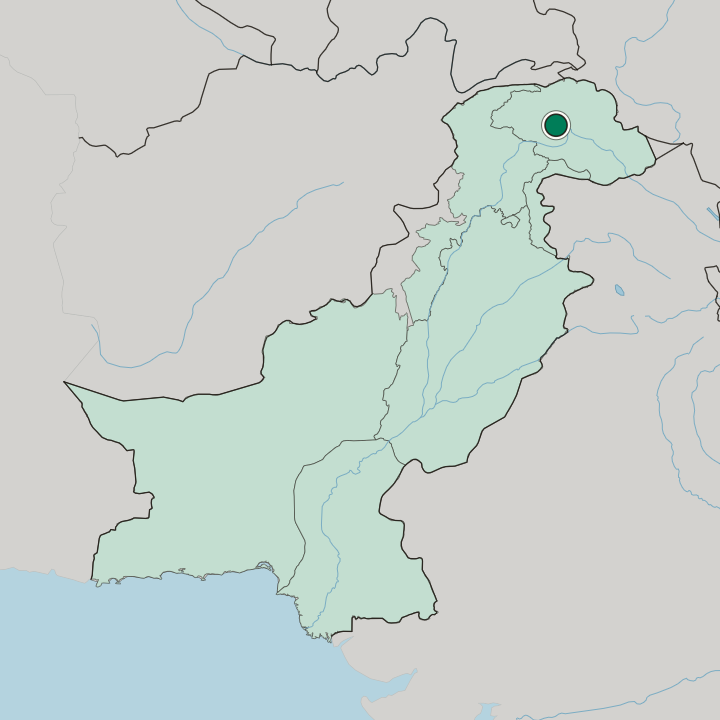
A broad valley at the meeting of the Gilgit and Hunza rivers gathers traffic from several directions at once, and movement through mountains has always concentrated wherever the ground allows a crossing. Gilgit is the capital of Gilgit-Baltistan, a territory administered by Pakistan within the disputed Kashmir region, and it is the largest town in that territory. Sovereignty there remains contested.
What is not in question is the town's practical role, which is to supply and dispatch the expeditions that work the Karakoram and the Pakistani Himalayas, and to keep the road toward China open to the vehicles that use it. Rakaposhi stands within that circuit. The Gilgit Valley has therefore been a place of arrival and departure far more than a place of settlement for its own sake, and its buildings reflect that.
Urdu is written on its signs.
Where is Gilgit?
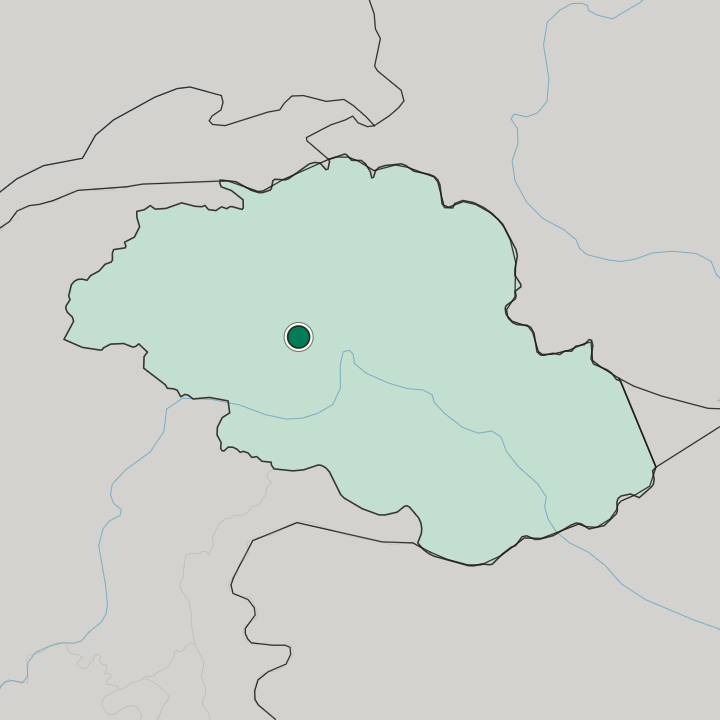
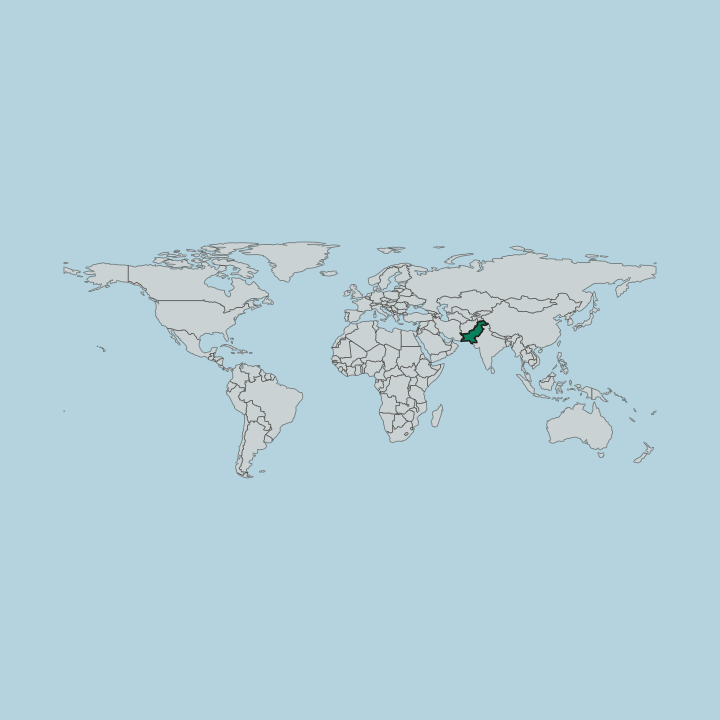
The Gilgit Valley is broad where the town sits. Two rivers meet close by, the Gilgit and the Hunza, and the flat ground their confluence leaves is the only part of this country level enough to hold a town of any size. Mountains take everything else.
Rakaposhi stands near enough for climbers to start here, and the Karakoram lies past it, which is why the valley reads as a corridor rather than as open country.
What is the climate of Gilgit?
The Karakoram sets the calendar. Height and shelter both matter in the Gilgit Valley, where a temperate band on the map means little beside the altitude of the ranges that stand over the town on every side. Winters shut the high passes.
Climbing parties bound for Rakaposhi work within a narrow season, and anyone routing through Gilgit toward China plans around the months when the road is reliable.
How do you get to Gilgit?
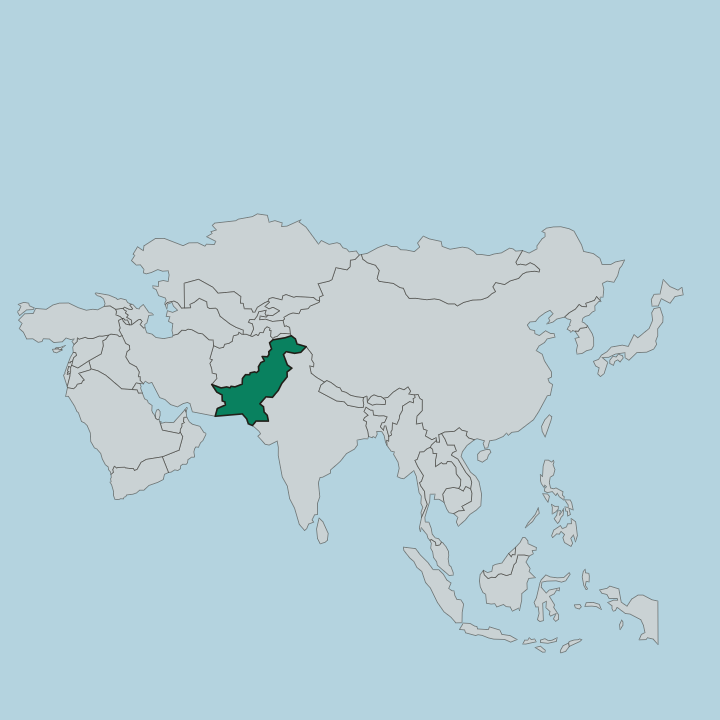
Nearly all visitors turn up overland. Gilgit sits on the overland route between Pakistan and China, and travellers moving in either direction along it usually stop for at least one night before continuing. The Gilgit Valley funnels that traffic.
Expedition parties come in for the Karakoram and for Rakaposhi, while the Pakistani Himalayas draw others further on, so arrivals and departures at Gilgit tend to share one line of road.
Common questions
What is the best area to stay in Gilgit?
Gilgit town by the river confluence: Expedition parties staging for the Karakoram and Rakaposhi. The Kargah side: Quieter nights within reach of the Kargah Buddha.
Good for
Another city in Gilgit-Baltistan
Updated September 2026