Pakistan · Gilgit-Baltistan
Where to Stay in Skardu, Gilgit-Baltistan
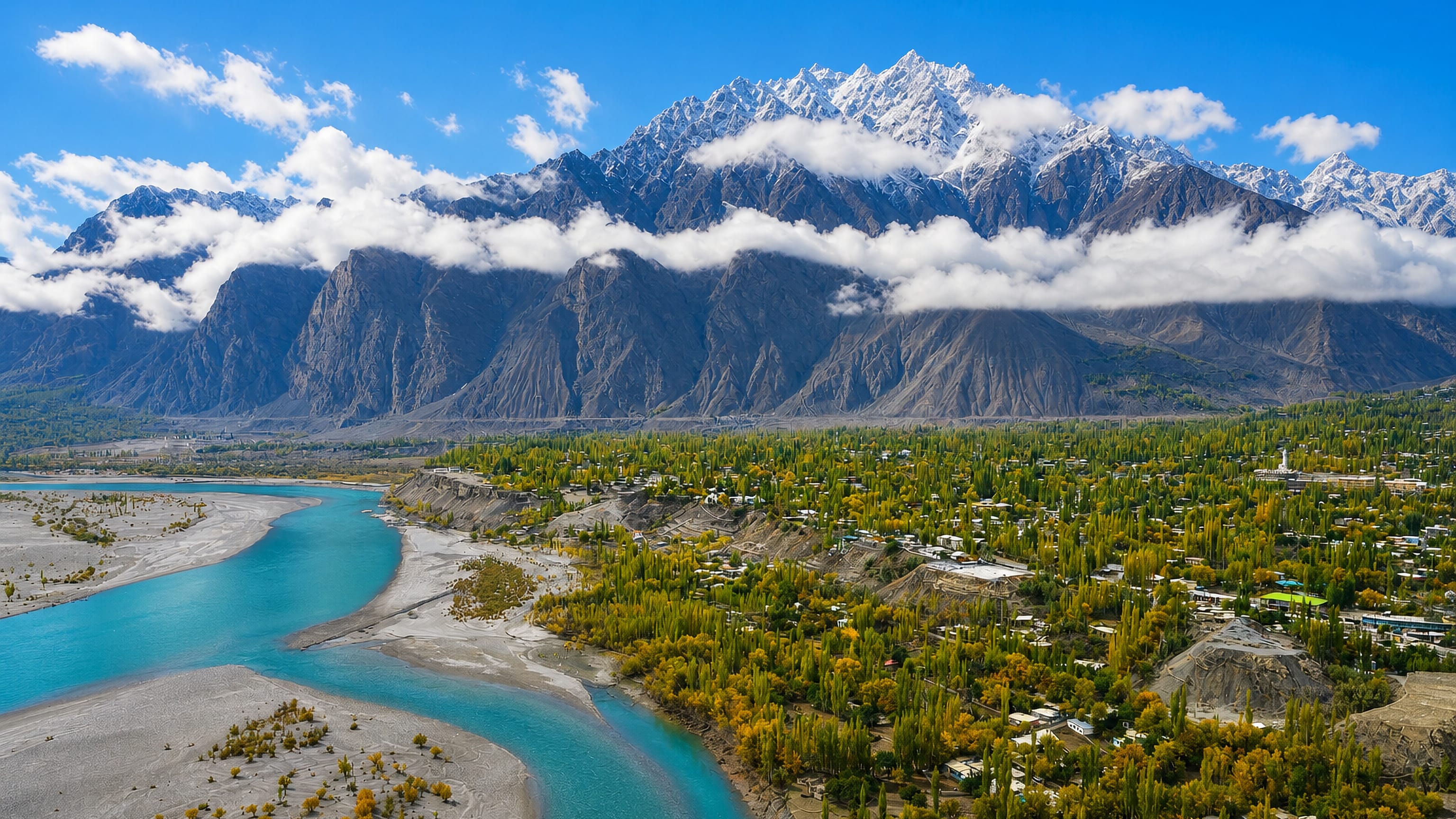
Skardu holds the Skardu Valley floor where the Indus takes in the Shigar, capital of Baltistan Division and the town below Skardu Fort.
Hotel links are affiliate links: booking through them may earn us a commission, at no extra cost to you. It never affects how places are ranked. How this works


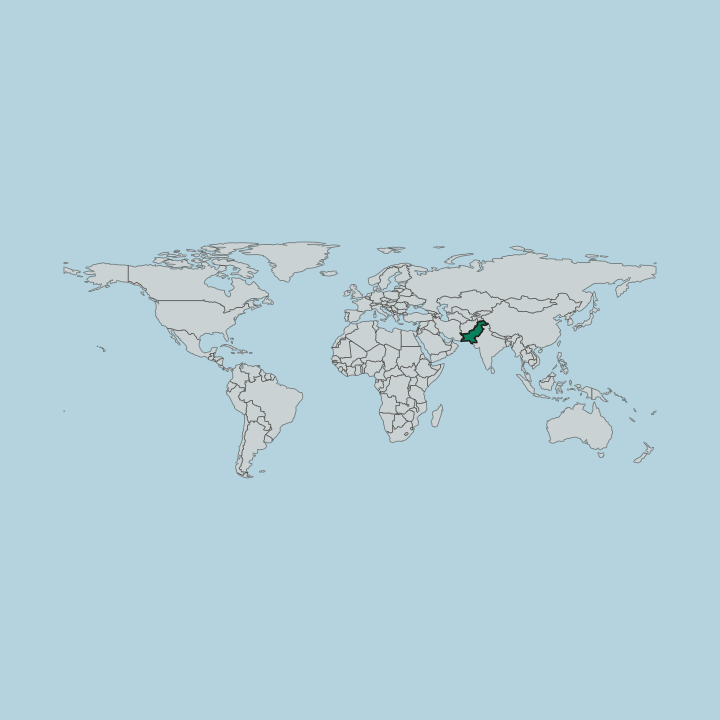
Where to stay in Skardu
The practical side of choosing where to sleep.
Skardu Fort is the fixed point most stays orient themselves against. Rooms gather on the valley floor below it, within reach of the confluence where the Indus takes in the Shigar, and that flat ground is the only part of the Skardu Valley wide enough to hold much of anything. Skardu offers little to choose between.
You will do better planning a stay around the season and the road than around any distinction between one part of town and another, since Skardu functions as a base rather than as a place with quarters. Baltistan Division business brings its own arrivals, and Skardu District keeps its offices here, so beds fill with official travel as well as with visitors who have come for the mountains around the Skardu Valley. Both share the same short list. Gilgit-Baltistan is thinly served for rooms outside its few towns, which makes a night in Skardu the practical anchor for anything attempted further up the Indus or the Shigar.
The fort repays an hour. Pakistan administers this part of the disputed Kashmir region, and the town's role as an administrative seat is as much a part of why it has beds as any scenery is. Urdu handles the paperwork.
Find hotels in Skardu
Direct booking searches for these neighbourhoods.
Below Skardu Fort
The valley floor directly under Skardu Fort, where the town's beds and its division offices sit togetherFind hotels in Below Skardu FortEarly departures up the Shigar from SkarduThe Shigar end of the valley
The end of the Skardu Valley facing the Shigar, taken for the start it gives rather than for the town. Rooms are few around here — worth securing early.Find hotels in The Shigar end of the valleyHotel links are affiliate links: booking through them may earn us a commission, at no extra cost to you. It never affects how places are ranked. How this works
About Skardu
Skardu Fort watches the town.
What is Skardu known for?
The valley below it holds the meeting of the Indus and the Shigar, which is the arrangement that gave Skardu its reason to exist and its administrative weight within Gilgit-Baltistan. Mountains close the horizon. Skardu District and the wider Baltistan Division are both run from here, so the town carries more official function than its size in the Skardu Valley would suggest.
What are the main landmarks in Skardu?
Skardu's tally of monuments stops at the fort. Skardu Fort belongs to the town at the confluence of the Indus and the Shigar, and it is the single named monument the Skardu Valley offers a visitor. Everything else is mountain and river.
Baltistan Division has no comparable structure on its register, so a day in Skardu usually pairs the fort with whatever the river ground and the surrounding heights provide.
What is the history of Skardu?
A fort names the town's oldest layer. Skardu Fort is the structure that carries whatever record the Skardu Valley kept before administrative boundaries were drawn across it, and no founding year is attached to the settlement itself. Rivers set the terms.
Anywhere the Indus takes in a tributary the size of the Shigar there is flat ground, and flat ground in this country is rare enough that people have always used it. Administration arrived with names that still apply. Skardu is the capital of Skardu District and of the Baltistan Division, which places it above the other settlements of Baltistan in official terms whatever their relative size.
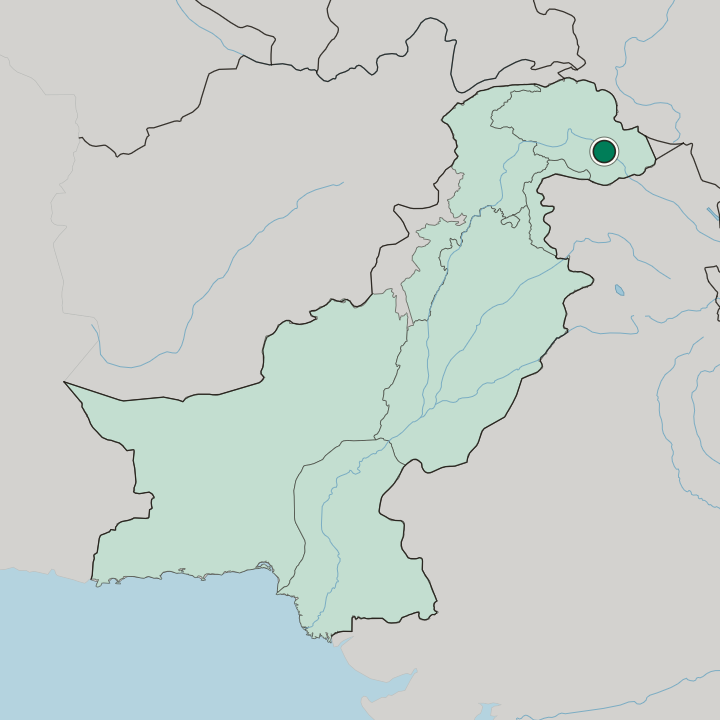
Pakistan administers Gilgit-Baltistan. The territory forms part of the disputed Kashmir region, and sovereignty over it is contested, while the practical business of the valley continues through the offices and the road that serve it. Baltistan Division answers to Skardu, and Skardu District's villages send their business down to the same offices at the confluence.
Elevation shortens the year here. Urdu is the language of record across the division, and the fort remains the oldest thing standing in Skardu.
Where is Skardu?
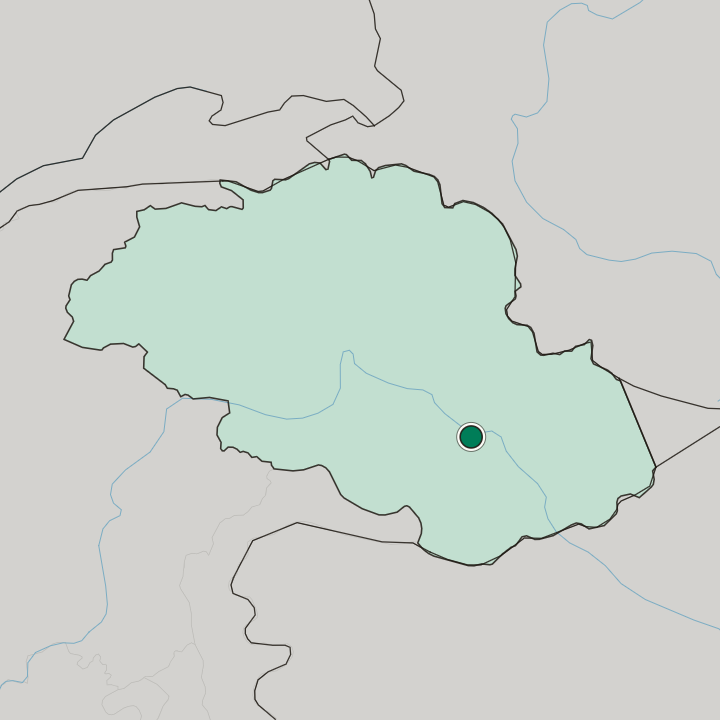
Two rivers make the site. The Indus arrives from one direction and the Shigar from another, and the ground they leave between them is the Skardu Valley floor that the town occupies. Steepness accounts for the rest.
Skardu sits well above sea level in country that rises sharply from the water, which is why the valley's flat share is small and why Skardu District's settlements string along the rivers rather than spread.
What is the climate of Skardu?
Altitude, not the temperate band, rules the year in Skardu. Cold arrives early and stays late in a valley this high, and the Indus runs through Skardu carrying the temper of the country upstream rather than anything the town itself generates. Summer is the working window.
Roads into the Skardu Valley and onward from Skardu District close when the weather decides, which shapes both official travel and any visit built around Skardu Fort.
How do you get to Skardu?
Roads follow the rivers. Access to Skardu runs along the Indus and up from the Shigar side, and the Skardu Valley is entered rather than crossed, which makes arrival a matter of one route being open. Weather closes them.
Baltistan Division traffic and Skardu District business both use the same approaches, so the town's connection to the rest of Gilgit-Baltistan is a single thread rather than a network.
Common questions
What is the best area to stay in Skardu?
Below Skardu Fort: Stays that want Skardu Fort and the Indus confluence on foot. The Shigar end of the valley: Early departures up the Shigar from Skardu.
Good for
Another city in Gilgit-Baltistan
Updated September 2026