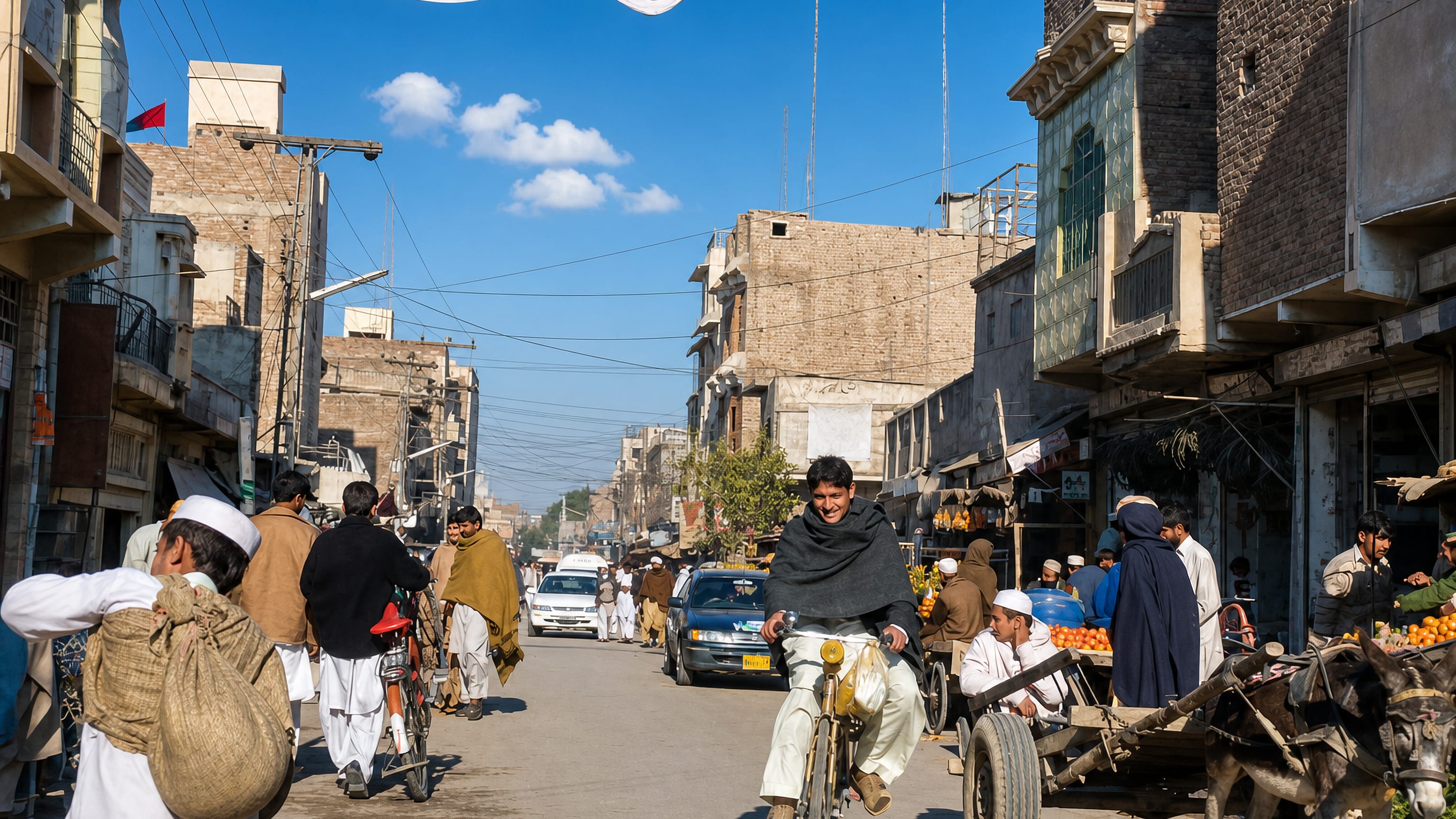
Pakistan · Khyber Pakhtunkhwa Province
Where to Stay in Bannu, Khyber Pakhtunkhwa Province
The Kurram River shapes it. Bannu, also called Bani Gul, is the seat of Bannu Division in Khyber Pakhtunkhwa, Pakistan.
Hotel links are affiliate links: booking through them may earn us a commission, at no extra cost to you. It never affects how places are ranked. How this works


Where to stay in Bannu
Where visitors usually base themselves, and why.
The Bannu Museum end of town is the useful anchor. Rooms here are few and plain, and the sensible approach is to pick for proximity to the divisional offices and the museum rather than for anything a listing promises, since the town does not run a visitor trade. Bannu is a working divisional seat.
Beds exist because officials, traders, and families travelling within the Bannu Division need them, which sets the standard and also keeps the arithmetic simple. The Kurram River side suits a short stay. Being near the water gives somewhere to walk at the end of a day, and it puts the museum within reach without committing you to the busiest streets.
Distances inside the town are small. Whichever part you choose, the divisional offices, the museum, and the river are all close enough that transport within Bannu is rarely the deciding factor, so the honest question is what you came for. If your reason is work with the Bannu Division, stay near the offices and treat the Kurram River as the evening walk; if it is the Bannu Museum and the country around it, take a room on the river side and cross town when you need to.
Find hotels in Bannu
Direct booking searches for these neighbourhoods.
Around the Bannu Museum
The streets nearest Bannu's museum, where the town's short list of rooms sits within walking distance of the Bannu Division offices. Beds are limited here, so book early.Find hotels in Around the Bannu Museumshort stays wanting the Kurram River within an evening's walkKurram River side
Bannu's quieter edge along the Kurram River, off the busiest streets and still an easy crossing from the museum. Beds are limited here, so book early.Find hotels in Kurram River sideHotel links are affiliate links: booking through them may earn us a commission, at no extra cost to you. It never affects how places are ranked. How this works
About Bannu
Bannu answers to more than one name.
What is Bannu known for?
Bani Gul and Bani both attach to the same town on the Kurram River, and the Banuchi tribe who make up most of it speak Baniswola, a dialect of Pashto close to the Waziristani speech further out. The Bannu Museum holds the town's one formal collection. Language is the marker here, and people of the town are called Banusi or Banuchi whatever tribe they belong to.
What are the main landmarks in Bannu?
The Bannu Museum is the fixed point. Its rooms hold the collection that stands for the town, and for a place whose other marks are the Kurram River and the working streets of the Bannu Division seat, that single institution carries a lot. Little else is built for looking at.
The river itself is the other thing to walk to, and it does more for an hour outdoors than any monument the town has.
What is the history of Bannu?
Names carry the record here. The town answers to Bannu, to Bani Gul, and to Bani, three forms that have stayed in use together rather than replacing one another, which is the sort of layering that happens where one community holds a place for a long stretch. The Banuchi tribe make up most of it.
Their speech, Baniswola, is a dialect of Pashto rather than a language apart, and it sits close enough to the Waziristani dialect that the two are heard as neighbours. Administration came to rest here. Bannu is the capital of the Bannu Division, which makes it the place where the paperwork of a wide stretch of Khyber Pakhtunkhwa is done, and that role has shaped its streets as much as any older trade did.
The Kurram River explains the siting. A settlement of this size on this ground depends on water, and the river gave the reason for building where the town stands rather than a few hours in any other direction. The Bannu Museum keeps what survives.
Its collection is the town's formal memory, and for a visitor it is the one place where the longer story of the ground around the Kurram River is set out in order.
Where is Bannu?
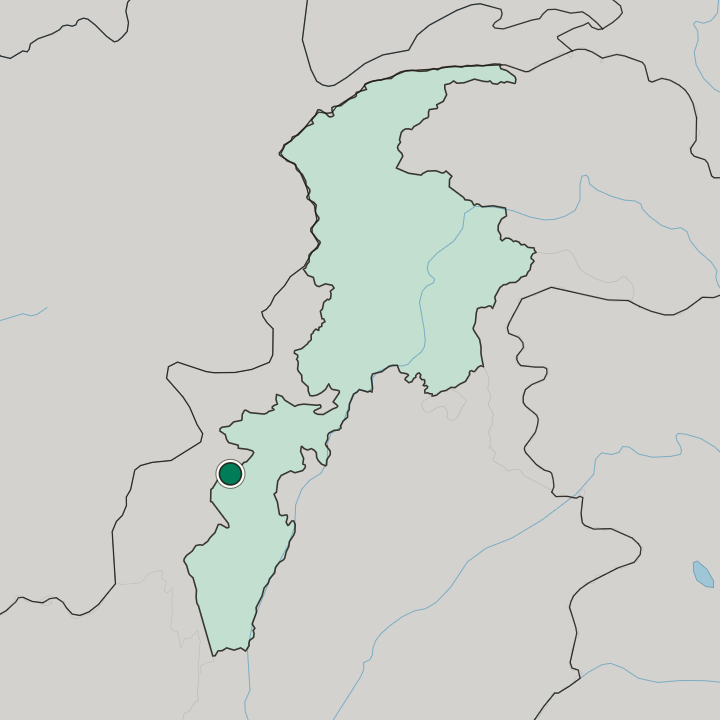
The Kurram River is the organising fact. Bannu lies along it, on ground the river waters, and the surrounding country belongs to the Bannu Division that the town administers. Khyber Pakhtunkhwa stretches away around that.
The subtropical band gives it long heat, and the Kurram River is the one reliable green line in the country around.
What is the climate of Bannu?
Summer here does not hurry off. Bannu falls in the subtropical band, and the middle of the year settles heavy over the Kurram River and the open country it crosses, which shapes a day's plan more than any calendar month does. The river is the relief.
Shade, water, and early hours carry visitors through the hottest stretch, and the Bannu Museum is one of the few indoor stops when the sun is at its worst.
How do you get to Bannu?
Roads do it all. Bannu is the seat of the Bannu Division, so the routes across that part of Khyber Pakhtunkhwa converge on it, and arriving means a road journey rather than a choice between modes. The Kurram River marks the approach.
Anyone coming in for the Bannu Museum or for business with the divisional offices ends up on the same few streets, which keeps the last stage of the trip short whatever the first was.
Common questions
What is the best area to stay in Bannu?
Around the Bannu Museum: visits centred on the Bannu Museum and the divisional offices. Kurram River side: short stays wanting the Kurram River within an evening's walk.
More cities in Khyber Pakhtunkhwa Province
Updated September 2026