Pakistan · Khyber Pakhtunkhwa Province
Where to Stay in Peshawar, Khyber Pakhtunkhwa Province
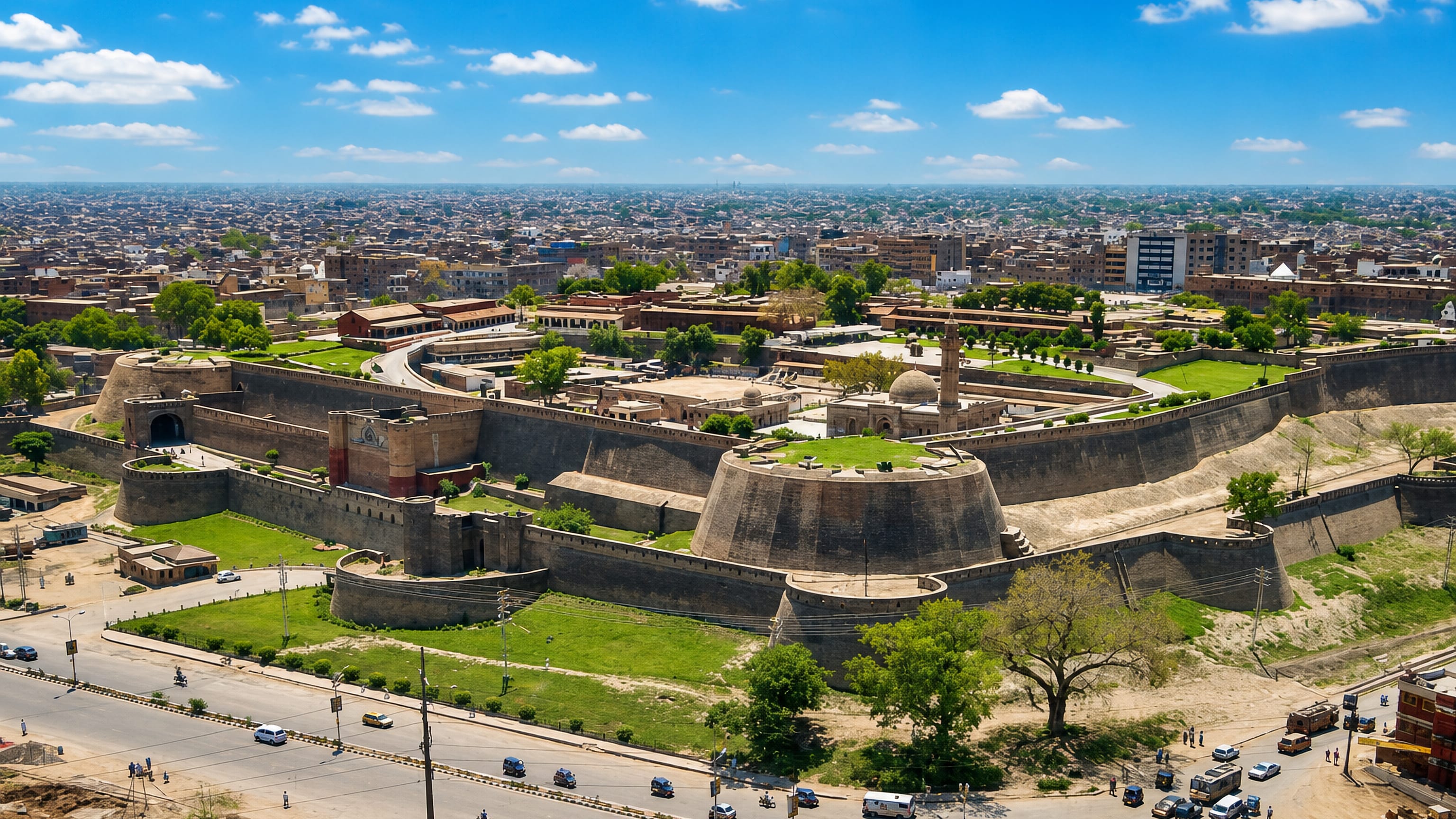
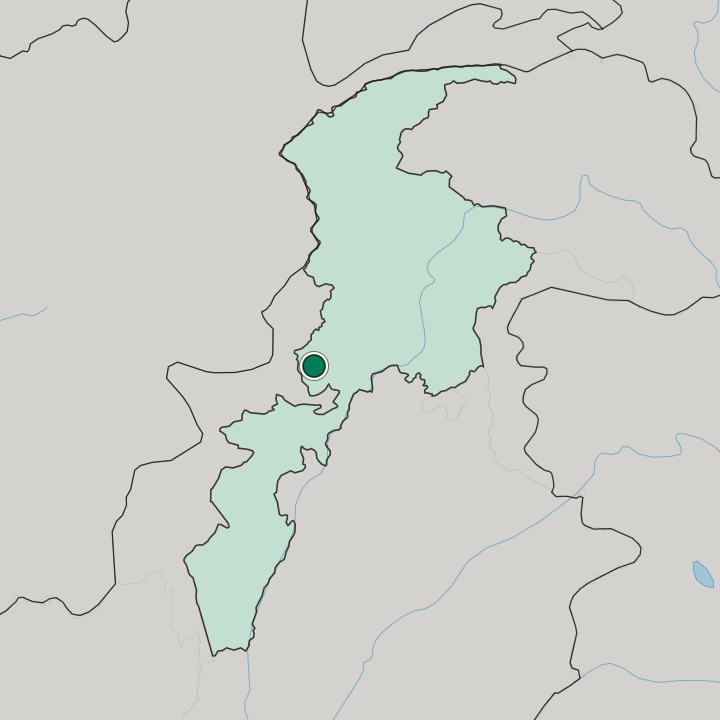
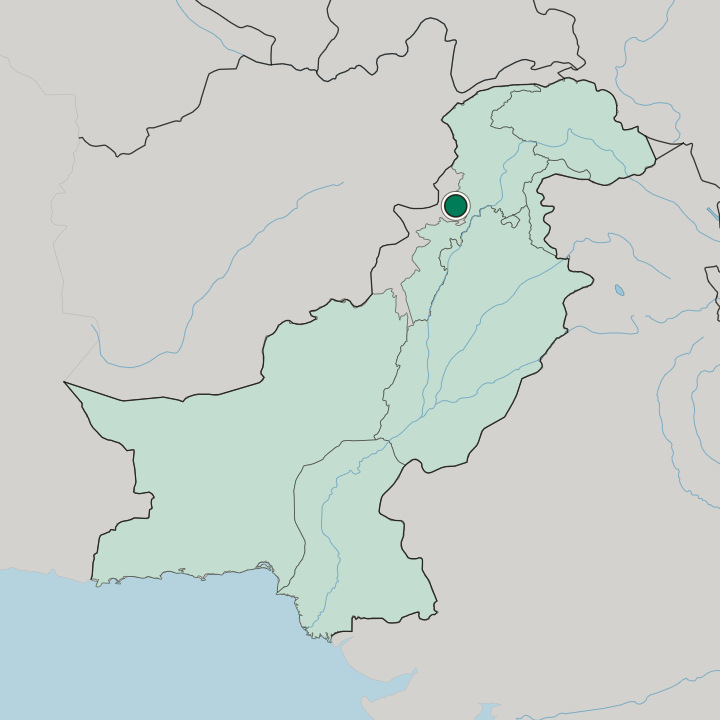
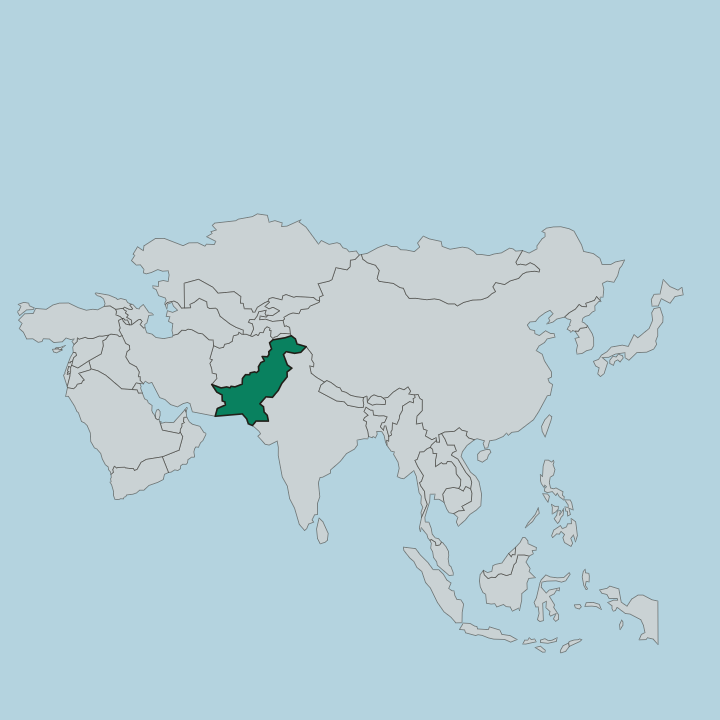
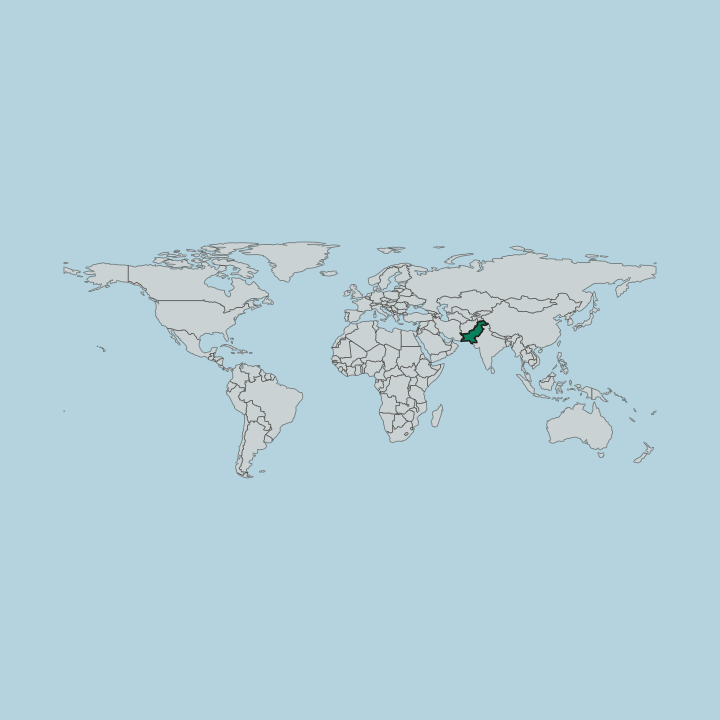
Peshawar spreads across its broad valley in north-western Pakistan, the capital of Khyber Pakhtunkhwa, a frontier city east of the Khyber Pass.
Hotel links are affiliate links: booking through them may earn us a commission, at no extra cost to you. It never affects how places are ranked. How this works


Where to stay in Peshawar
One neighbourhood here has its own guide — here's what it is best for.

 PeshawarPakistan
Hayatabad
Hayatabad is a residential suburb on the edge of Peshawar in Khyber Pakhtunkhwa, named after the politician Hayat Sherpao.Where to stay →Hotel links are affiliate links: booking through them may earn us a commission, at no extra cost to you. It never affects how places are ranked. How this works
Find hotels in Peshawar
Direct booking searches for these neighbourhoods.
The Walled Old City
Tight lanes wind around the caravanserai courtyard of Gorkhatri and the storytellers' quarter, within walking reach of the Peshawar Museum.Find hotels in The Walled Old CityQuieter mid-range nightsThe Cantonment
Wide colonial avenues around All Saints Church hold most of the mid-range beds and the calmer administrative end of Peshawar.Find hotels in The CantonmentMatch-day sports crowdsStadium fringe
The edges of town gather Arbab Niaz Stadium for cricket and the Tehmas Khan Football Stadium for football, out where the valley opens up.Find hotels in Stadium fringeHotel links are affiliate links: booking through them may earn us a commission, at no extra cost to you. It never affects how places are ranked. How this works
Things to do in Peshawar
Ranked by global recognition; descriptions from Wikidata (CC0).
Museums & Galleries
3- Peshawar Museum
- Gorkhatri
- City Museum, Gorkhatri
Churches & Religious Sites
1- All Saints Church, Peshawar
Castles & Historic Sites
1- Shaji-ki-Dheri
Stadiums & Sports
2- Arbab Niaz Stadium
- Tehmas Khan Football Stadium
Landmarks & Notable Places
1- House of Dilip Kumar
worth knowingacross 5 categories in Peshawar
About Peshawar
What is Peshawar known for?
Peshawar is best known as the capital of Khyber Pakhtunkhwa and as an ancient frontier city shaped by its position on the trade route near the Afghan border. It is old. Border trade gives the bazaars a distinct Afghan flavour, and deep antiquity sits under the streets, gathered at Gorkhatri and displayed through the Gandhara sculpture of the Peshawar Museum.
All Saints Church marks a strand of colonial history, cricket fills Arbab Niaz Stadium, and the low mound of Shaji-ki-Dheri recalls the great stupa that once stood above the plain here.
What are the main landmarks in Peshawar?
Peshawar's landmarks reach from ancient Gandhara down to the colonial city. They span millennia. The Peshawar Museum holds one of the great collections of Gandhara Buddhist sculpture.
Gorkhatri crowns a rise at the heart of the old city with its Mughal caravanserai and the City Museum housed within it, while the mound of Shaji-ki-Dheri marks the site of a once-towering stupa. All Saints Church blends local and Christian forms, and the House of Dilip Kumar preserves the birthplace of the film star in the old quarter.
What is the history of Peshawar?
Peshawar counts among the oldest living cities of the region, its story running back through the Gandhara civilisation of the Valley of Peshawar. That depth is unusual. Under Gandhara the plain grew a flourishing Buddhist culture, and the mound of Shaji-ki-Dheri marks the ground where one of the ancient world's tallest stupas once rose above the settlement.
Layers of empire followed across the centuries, and the sacred rise of Gorkhatri passed from hand to hand as the city changed rulers. The Mughals left a caravanserai at Gorkhatri, and later the colonial period stamped a cantonment and a set of institutions onto the western edge of the empire, from the Peshawar Museum's Gandhara galleries to the arches of All Saints Church. Trade through the Khyber Pass tied the city to the lands beyond the frontier and drew the Afghan character that still runs through its bazaars.
As capital of Khyber Pakhtunkhwa, Peshawar has stayed the anchor of Pakistan's north-west, a frontier market and administrative seat rather than a modern planned city.
Where is Peshawar?
Peshawar sits in the Valley of Peshawar, a broad plain in north-western Pakistan just east of the Khyber Pass. The valley walls it in. Hills and the mountain barrier of the frontier close off the west, where the pass cuts the only easy route toward the lands beyond, while the plain opens east and south across Khyber Pakhtunkhwa.
This valley setting, between the mountains and the open country, has fixed the city's role as a gateway on the western edge for as long as it has existed.
What is the climate of Peshawar?
Peshawar has a hot subtropical climate, dry through much of the year with a summer monsoon. Summers run fierce. The valley traps heat through the long dry months before the monsoon breaks over the Valley of Peshawar, and dust can hang over the plain in the hottest weeks.
Winters turn cool and short, colder than the lowland south but milder than the mountains that stand behind the Khyber Pass to the west.
How do you get to Peshawar?
Peshawar is served by its own international airport on the edge of the city, the main air gateway for Khyber Pakhtunkhwa. Rail reaches it too. The old railway runs east across the plain toward the rest of Pakistan and once climbed west through the Khyber Pass on a famous mountain line, and the main highways still fan out from the valley in the same directions.
Buses and shared vehicles connect the bazaars with towns across the province.
Common questions
What is the best area to stay in Peshawar?
The Walled Old City: Bazaar walkers and street-food eaters. The Cantonment: Quieter mid-range nights. Stadium fringe: Match-day sports crowds.
Good for
More cities in Khyber Pakhtunkhwa Province
Updated September 2026