Pakistan · Khyber Pakhtunkhwa Province
Where to Stay in Kohat, Khyber Pakhtunkhwa Province
A fort sits at its middle. Kohat is the capital of the Kohat District in Khyber Pakhtunkhwa, Pakistan, and its bazaars ring a British-era fort.
Hotel links are affiliate links: booking through them may earn us a commission, at no extra cost to you. It never affects how places are ranked. How this works


Where to stay in Kohat
Where the beds are, and what that means for the visit.
The fort and the bazaars around it fix the choice. Rooms in Kohat sit close to that centre, because the market streets are where the town's business happens and because the alternative, the quieter ground near the military cantonment, is not laid out for visitors. The list of rooms is thin.
Kohat works as a district capital rather than a destination, so what is available answers the needs of traders and officials moving through the Kohat District. Staying by the bazaars puts everything in walking range. The fort, the stalls, and the offices are all within a few streets of one another, which matters more here than any difference between one room and the next, and it saves arranging transport for errands that take ten minutes on foot.
Pashto and Kohati Hindko carry the market. Neither is a barrier to a short stay, and both are worth an ear in the bazaars where most of the town's dealing is done. If you are here to trade or to see the British-era fort, take a room among the bazaars and accept the noise; if your business is with the military cantonment, stay out that way and come in for the evening.
Find hotels in Kohat
Direct booking searches for these neighbourhoods.
Bazaars around the fort
Kohat's market core, where the stalls press up against the old fort and most of the town's rooms are found. Lodging is scarce in this area; reserve in advance.Find hotels in Bazaars around the fortstays tied to the Kohat cantonment rather than the bazaar tradeCantonment side
The quieter ground beside Kohat's military cantonment, out of the market noise but a short run back to the fort. Rooms are few around here — worth securing early.Find hotels in Cantonment sideHotel links are affiliate links: booking through them may earn us a commission, at no extra cost to you. It never affects how places are ranked. How this works
About Kohat
Bazaars are the reason people come.
What is Kohat known for?
Kohat's markets spread out from the British-era fort at the centre, and the trade in them is what the town is known for across the Kohat District. A military cantonment sits alongside. Two languages carry the business done here, Pashto and the Kohati dialect of Hindko, and hearing both in one row of stalls is ordinary.
What are the main landmarks in Kohat?
The British-era fort is the one set piece. Everything else worth walking to in Kohat is trade: the bazaars that wrap around the fort, where the buying for much of the Kohat District still gets done, and the streets between them. The military cantonment holds the other half of the plan.
Its lines are the visible remainder of the garrison years, and together with the fort they give the town the shape a visitor actually sees.
What is the history of Kohat?
The fort explains the town. Kohat's centre is a British-era fort, and a garrison work of that kind is built where a route needs holding, which says most of what the site was for before it became a district capital. The 19th century was not quiet here.
Kohat's immediate environs saw repeated armed skirmishes between British colonial forces and local tribesmen through the middle and later decades of that century, and the fort and the military cantonment beside it are what remains in stone from those years. Trade outlasted the garrison. The bazaars that grew up around the fort are still the town's working core, and they are where the Kohat District does its buying and selling rather than in anything purpose-built since.
Two tongues meet in them. Pashto and the Kohati dialect of Hindko are the main languages spoken in Kohat, and the survival of a distinct local dialect alongside a much larger regional language is itself a piece of the record. Offices came after.
Kohat became the capital of the Kohat District within Khyber Pakhtunkhwa, which fixed the courts, the record rooms, and the roads that serve them onto the same ground the fort had chosen.
Where is Kohat?
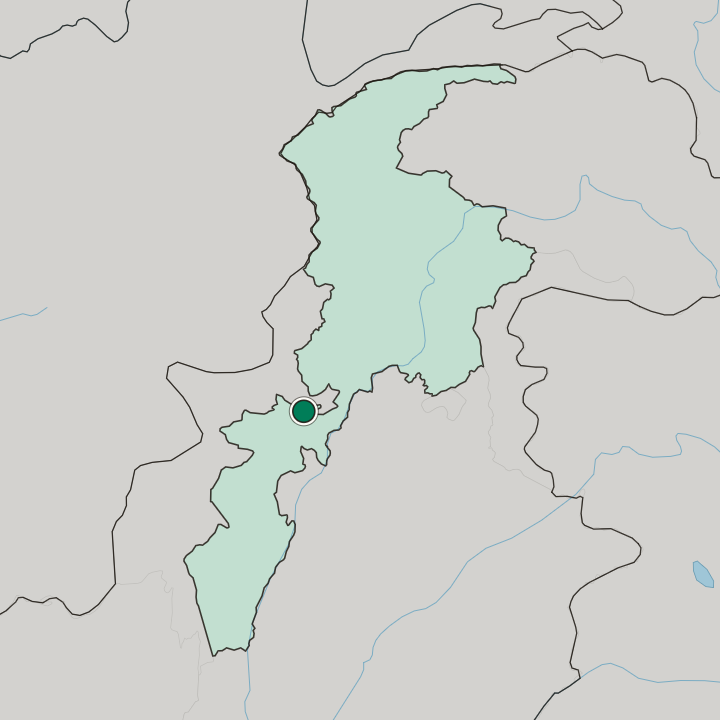
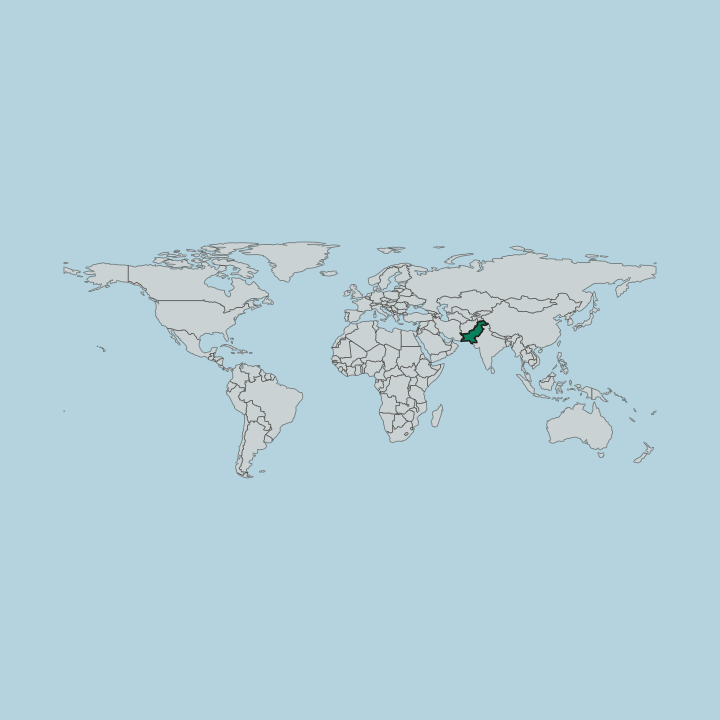
The town is built around its fort. Kohat sits inland in Khyber Pakhtunkhwa, within the subtropical band, and the ground under it carries the seat of the Kohat District along with the military cantonment that shares the site. Everything faces inward.
What passes for the centre is the British-era fort, with the bazaars pressed up against it and the rest of the Kohat District running out from that point.
What is the climate of Kohat?
Kohat's bazaars set the rhythm. The town sits well inland in the subtropical band, so the middle of the year turns heavy and the close rows of the market do more for a visitor than any open ground would. Mornings are the working hours.
Anyone with business at the fort or in the military cantonment learns to front-load the day and leave the afternoon to the stalls.
How do you get to Kohat?
Roads converge on the fort. Kohat is the capital of the Kohat District, so the routes that cross this part of Khyber Pakhtunkhwa run through it rather than past it, and any approach ends among the bazaars at the centre. The military cantonment sits on its own ground.
Arrivals with business there follow the same roads in, then peel off before the market streets, which is the only real distinction the journey makes.
Common questions
What is the best area to stay in Kohat?
Bazaars around the fort: traders and anyone wanting Kohat's British-era fort and market streets on foot. Cantonment side: stays tied to the Kohat cantonment rather than the bazaar trade.
Good for
More cities in Khyber Pakhtunkhwa Province
Updated September 2026