Poland · Greater Poland Voivodeship
Where to Stay in Kalisz, Greater Poland Voivodeship
Kalisz is one of the oldest cities in Poland, a river town of Greater Poland long linked to the ancient amber trade.
Hotel links are affiliate links: booking through them may earn us a commission, at no extra cost to you. It never affects how places are ranked. How this works


Where to stay in Kalisz
The practical side of choosing where to sleep.
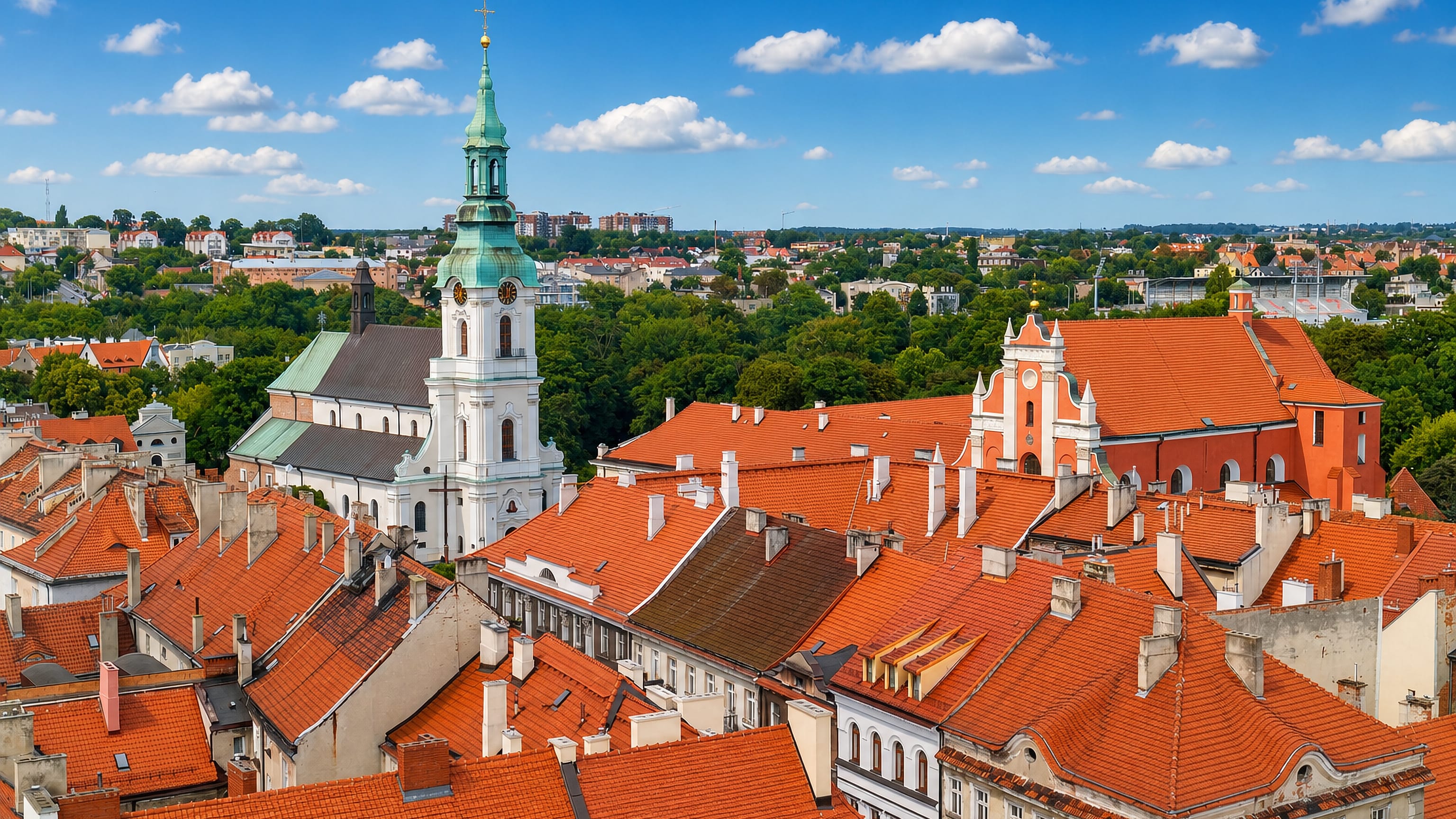
Kalisz sorts its rooms by how close they sit to the old market square. The streets around the market square and the cathedral keep the churches, the museum, and the river within a walk, and staying downtown suits anyone here for the old city. Bridges cross the arms of the Prosna.
Small hotels stand near the square. Out toward Zawodzie and the newer districts, the town spreads along the river. A room by the river trades the old streets for the parks, the stronghold mound, and the walks along the Prosna.
Green riverside meadows open past the edge. Stay by the square for the churches, or by the river for the parks. The old market square is a short walk off.
Find hotels in Kalisz
Direct booking searches for these neighbourhoods.
The old town
Around the market square within a walk of the riverFind hotels in The old townStays wanting the parks and the stronghold moundThe riverside
Toward Zawodzie along the ProsnaFind hotels in The riversideHotel links are affiliate links: booking through them may earn us a commission, at no extra cost to you. It never affects how places are ranked. How this works
Things to do in Kalisz
Ranked by global recognition; descriptions from Wikidata (CC0).
Museums & Galleries
3- Archaeological reserve Zawodzie in Kalisz
- Muzeum Okręgowe Ziemi Kaliskiej
- Centrum Rysunku i Grafiki im. Tadeusza Kulisiewicza
Churches & Religious Sites
8- Saint Nicholas Cathedral in Kalisz Heritage
- Church of the Assumption in Kalisz Heritage
- Saints Adalbert and Stanislaus church in Kalisz Heritage
- Saint Stanislaus church in Kalisz Heritage
- Adalbert of Prague church in Kalisz Heritage
Show 3 more →
- Saint Godehard church in Kalisz Heritage
- Church of the Visitation in Kalisz Heritage
- Saints Joseph and Peter of Alcantara church in Kalisz Heritage
Castles & Historic Sites
3- 5 Saint Joseph Square in Kalisz Heritage
- Royal Castle, Kalisz
- Book memorial in Kalisz
Landmarks & Notable Places
4- 4 Mostowa Street in Kalisz Heritage
- 3 Jana Pawła II Square in Kalisz Heritage
- 6 Kazimierzowska Street in Kalisz Heritage
- 7 Saint Joseph Square in Kalisz Heritage
worth knowingacross 4 categories in Kalisz
About Kalisz
Kalisz is the oldest town of Poland.
What is Kalisz known for?
On the Prosna in the heart of Greater Poland, it is thought to be the Calisia that a Roman geographer set on the amber road two thousand years ago, and it keeps an old cathedral, a ring of Baroque churches, and the earthen stronghold of Zawodzie where the town began. The Prosna winds through the centre. Amber-road history marks the town.
What are the main landmarks in Kalisz?
The old cathedral stands at the heart of Kalisz. The tall church of Saint Nicholas, with its Baroque front and a famous old painting, rises among the streets by the Prosna, a mark of the town, in the centre. An ancient mound lies east of the river.
The Zawodzie reserve shows the earthen ramparts and church of the first stronghold, and the town's Baroque churches ring the old market square.
What is the history of Kalisz?
Kalisz claims the longest memory of any town in Poland. Two thousand years ago a Greek geographer of Rome marked a place called Calisia on the amber road that ran from the Baltic to the empire, and many take it for Kalisz on the Prosna. A stronghold rose by the river.
In the early Piast days a fortified town grew at Zawodzie beside the water, the seed from which the city sprang. Kalisz grew into a town of trade and law. Kings gave it charters and privileges, and it prospered on cloth and the roads of Greater Poland, gathering churches, a college, and a fine market square.
War and fire scarred it more than once. The town was burned to the ground in the Great War and rebuilt, yet it kept its old churches and its long descent from Calisia. The old stronghold mound still rises by the river.
Kalisz holds its churches and its ancient name on the Prosna.
Where is Kalisz?
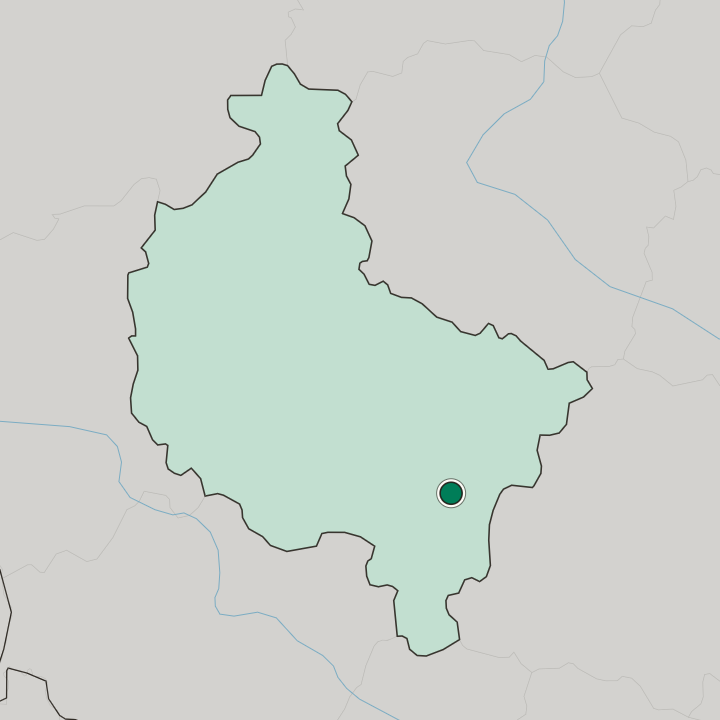
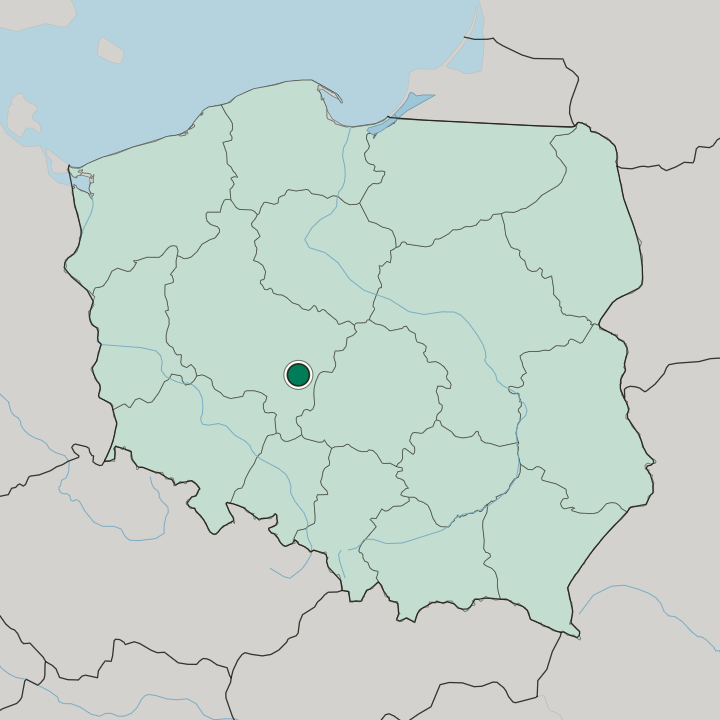
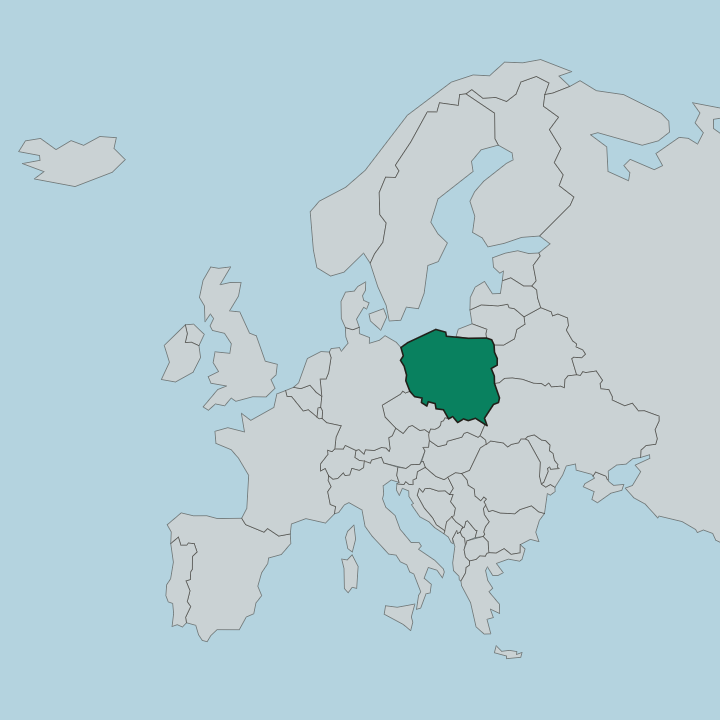
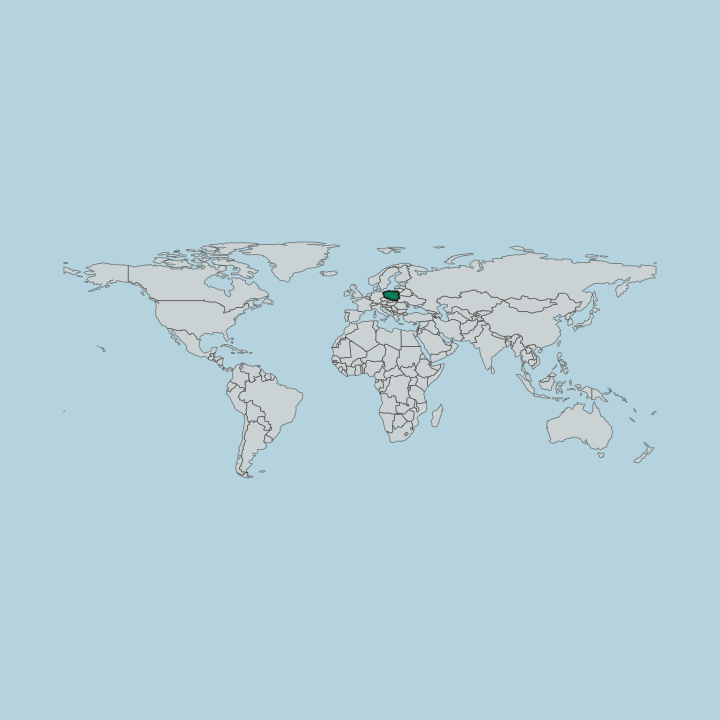
Kalisz lies on the Prosna river in the heart of Greater Poland, in central Poland. The town sits on a broad and gentle lowland of fields and meadows, where several arms of the river thread the old centre, southeast of Poznań. Flat farmland spreads around.
The Prosna runs north to the Warta.
What is the climate of Kalisz?
Kalisz has a temperate lowland climate. Warm summers and cold winters cross the plain, and rain falls fairly evenly through the year, with snow and frost in the cold months and mild springs. River mists rise on autumn mornings.
The Prosna meadows green in April.
How do you get to Kalisz?
Kalisz lies in central Poland, southeast of Poznań. Roads and rail run to it from Poznań, Łódź, and Wrocław across the plain, and local lines reach the towns of Greater Poland. Branch roads run out to the country towns.
Poznań is the nearest large city, to the northwest.
Common questions
What is the best area to stay in Kalisz?
The old town: Visitors here for the cathedral, churches, and museum. The riverside: Stays wanting the parks and the stronghold mound.
Good for
More cities in Greater Poland Voivodeship
Updated October 2026