Poland
Greater Poland Voivodeship, Poland — Towns & Travel Guide
Greater Poland is the cradle of the Polish state, a flat lowland along the Warta with Poznań at its heart.
Hotel links are affiliate links: booking through them may earn us a commission, at no extra cost to you. It never affects how places are ranked. How this works


Towns & cities in Greater Poland Voivodeship
Pick a town or city — each links to where to stay.
 Poland
Poznań
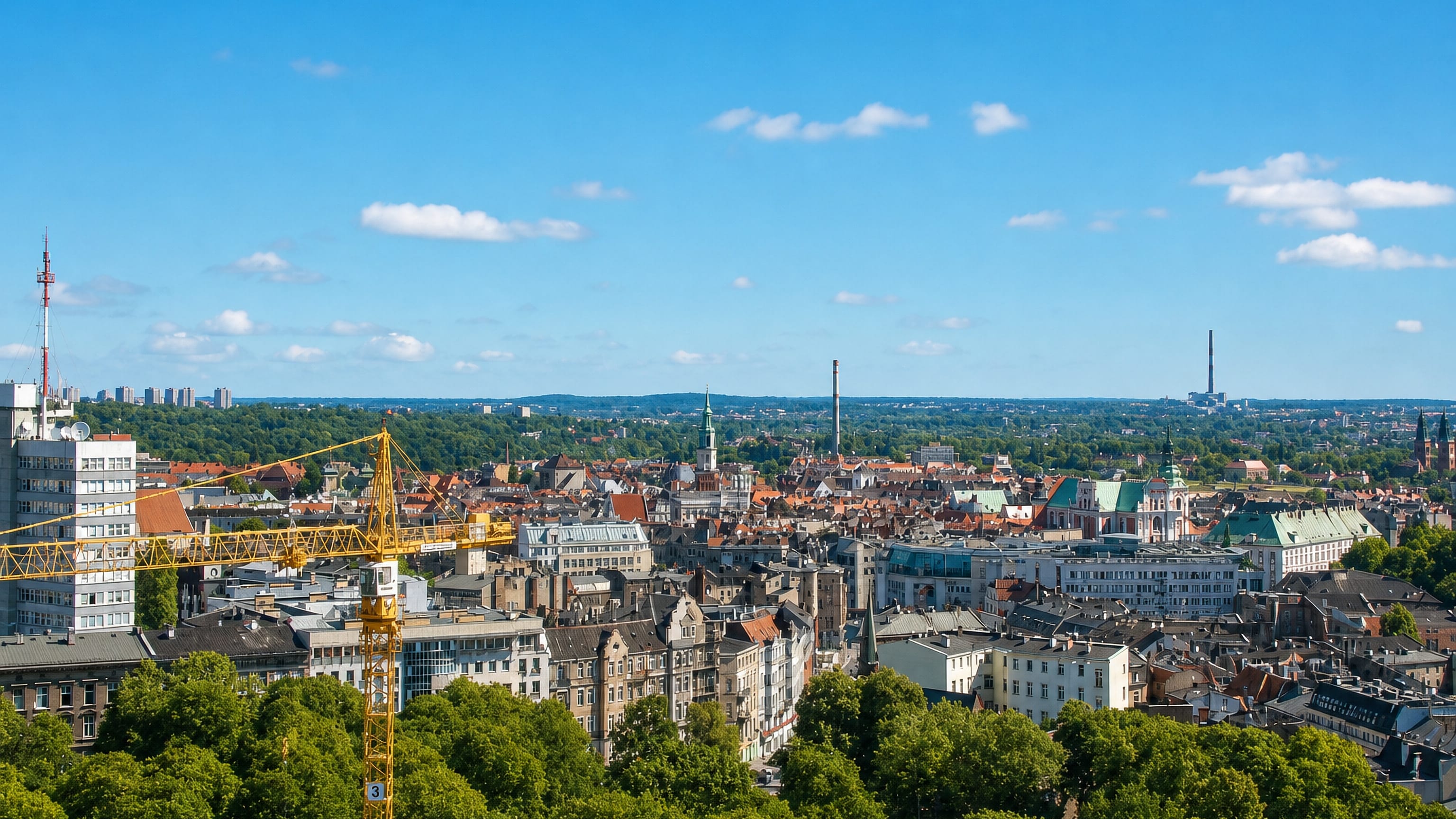
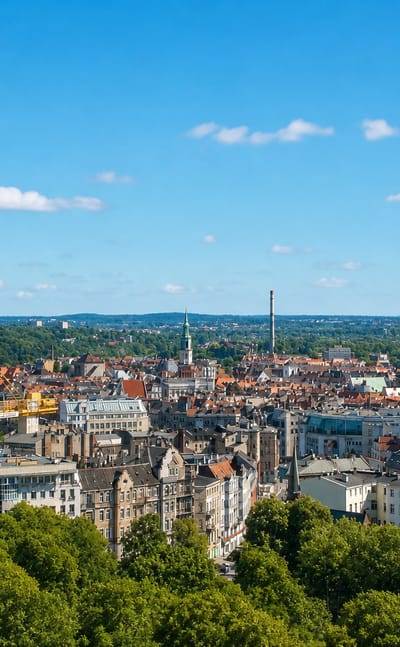
Merchant houses ring the square at Poznań, the largest city of western Poland and capital of Greater Poland Voivodeship, known for its Old Market Square.Where to stay →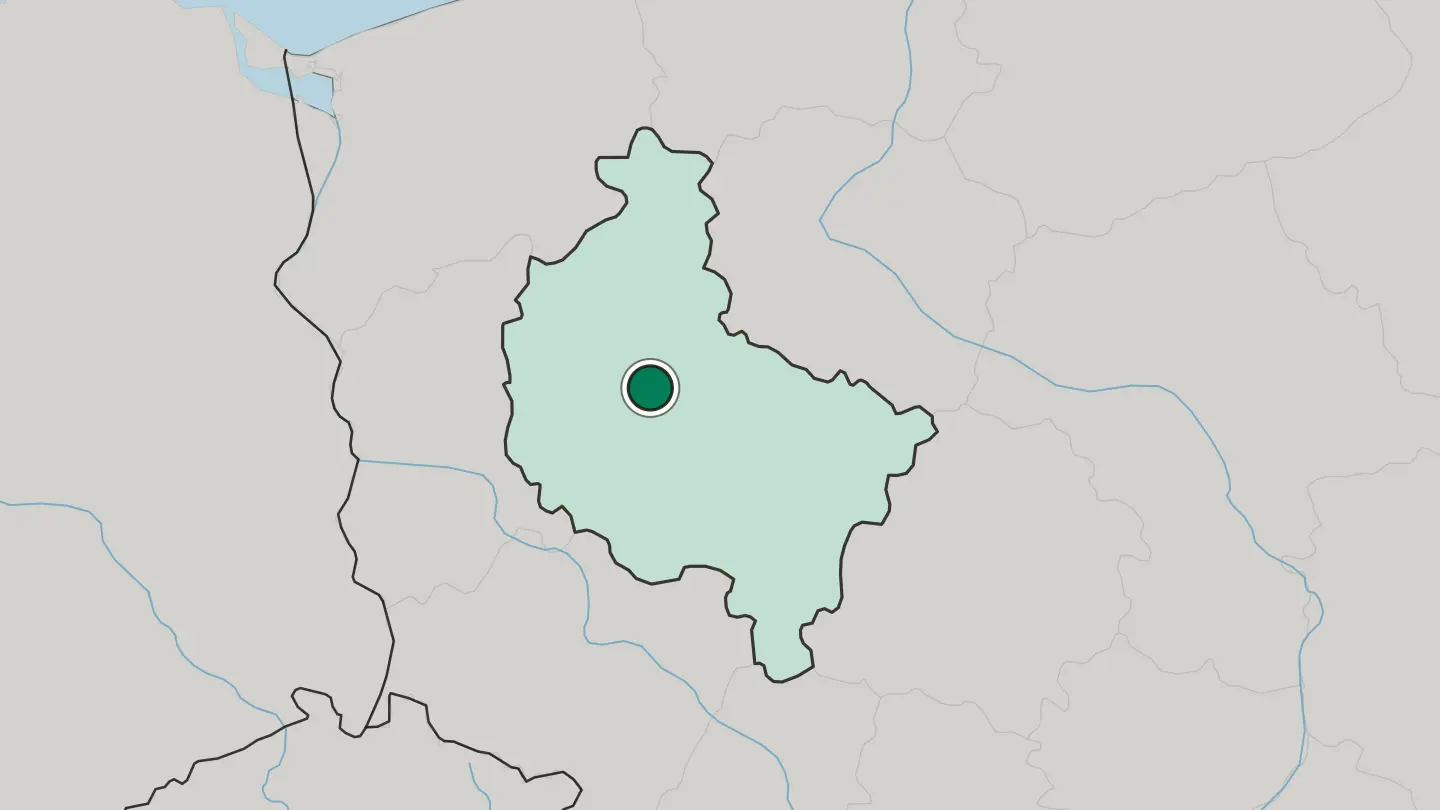
 Poland
Kalisz
Kalisz is one of the oldest cities in Poland, a river town of Greater Poland long linked to the ancient amber trade.Where to stay →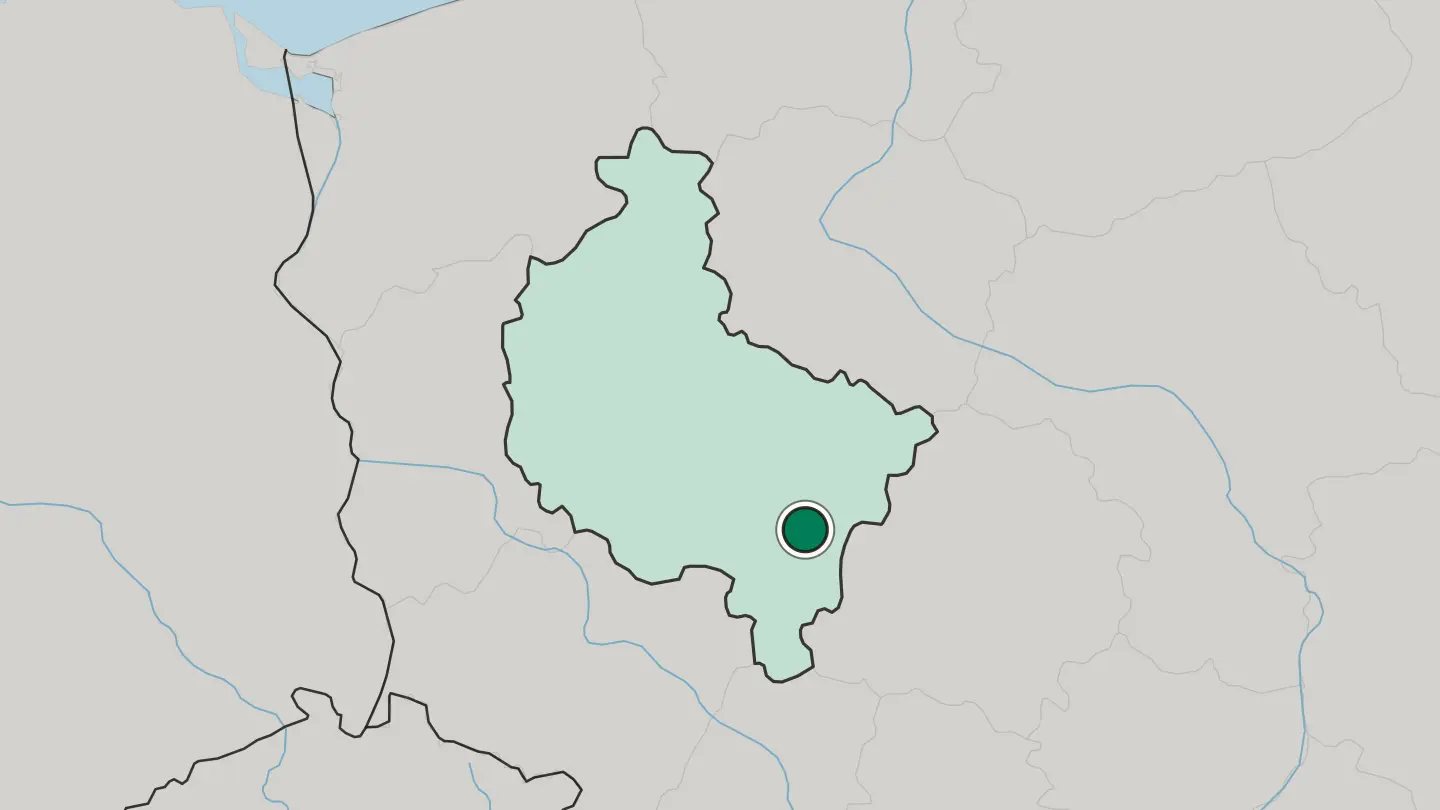
 Poland
Konin
Konin dates from 1283 and stands on the Warta in Greater Poland, where the Milestone in Konin survives from Roman times.Where to stay →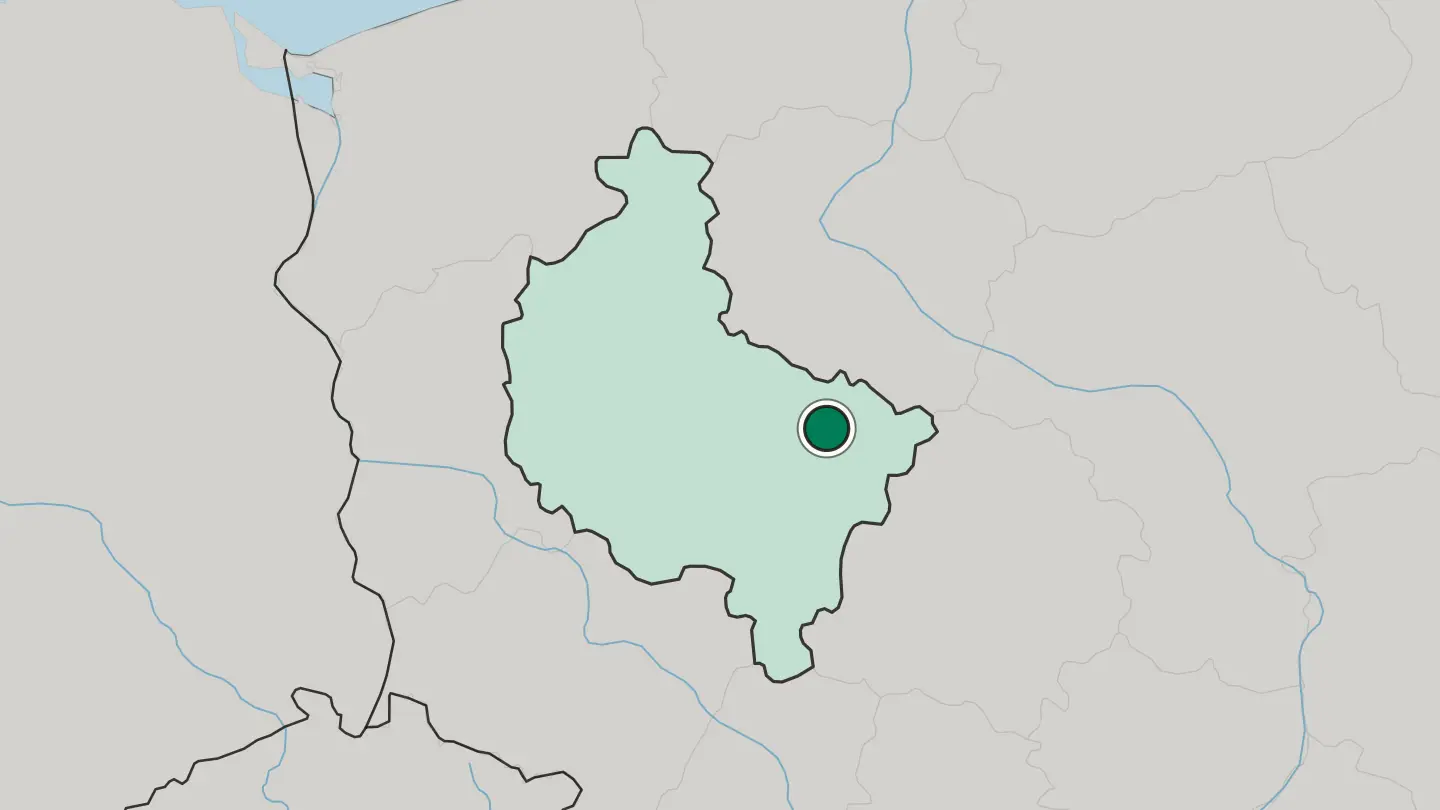 Poland
Piła
Piła stands on the Gwda in Greater Poland, capital of Piła County, a city of parks and forest edges also recorded as Schneidemühl.Where to stay →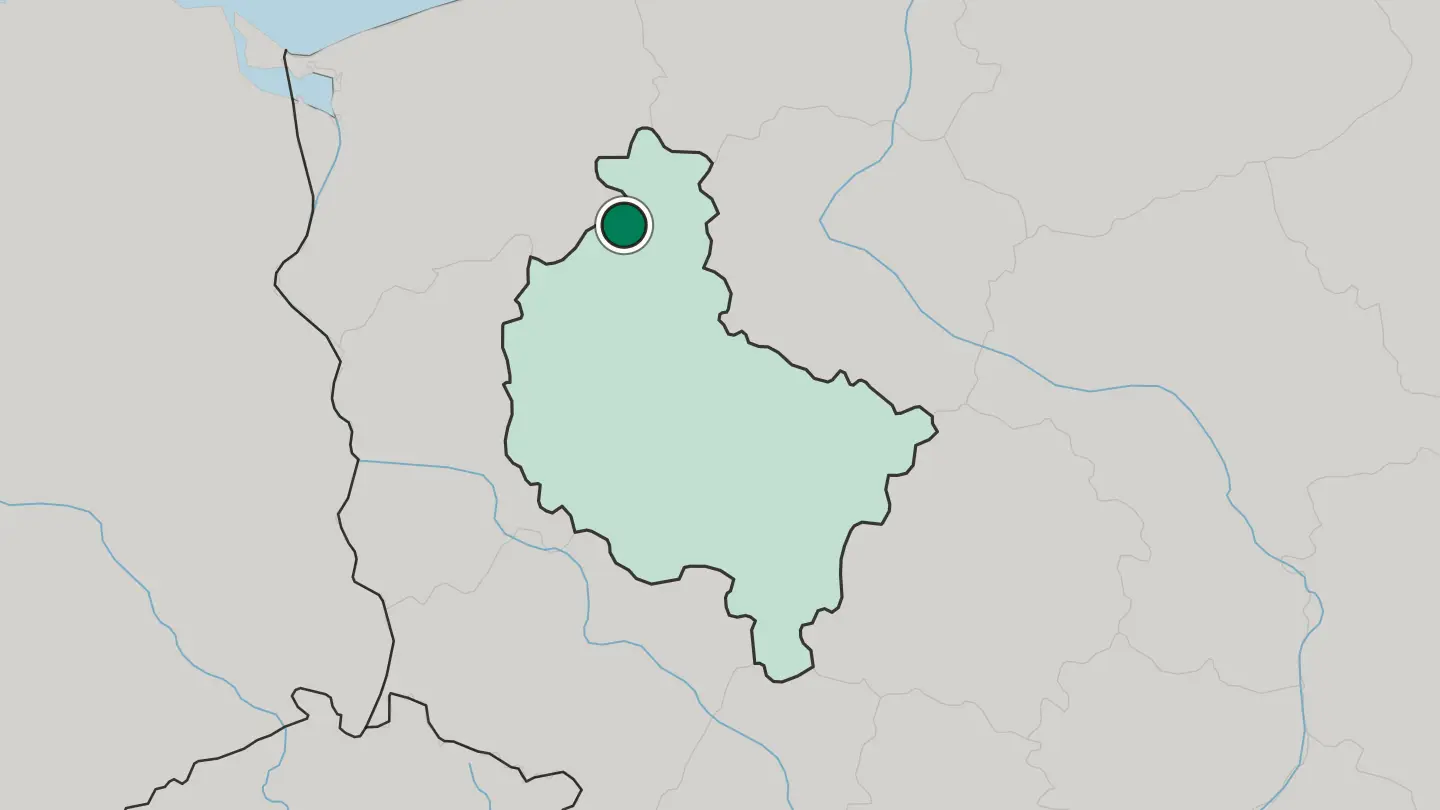
 Poland
Ostrów Wielkopolski
Ostrów Wielkopolski took city rights in 1711 and administers Ostrów County, a Wielkopolska town of listed streets and one concathedral.Where to stay →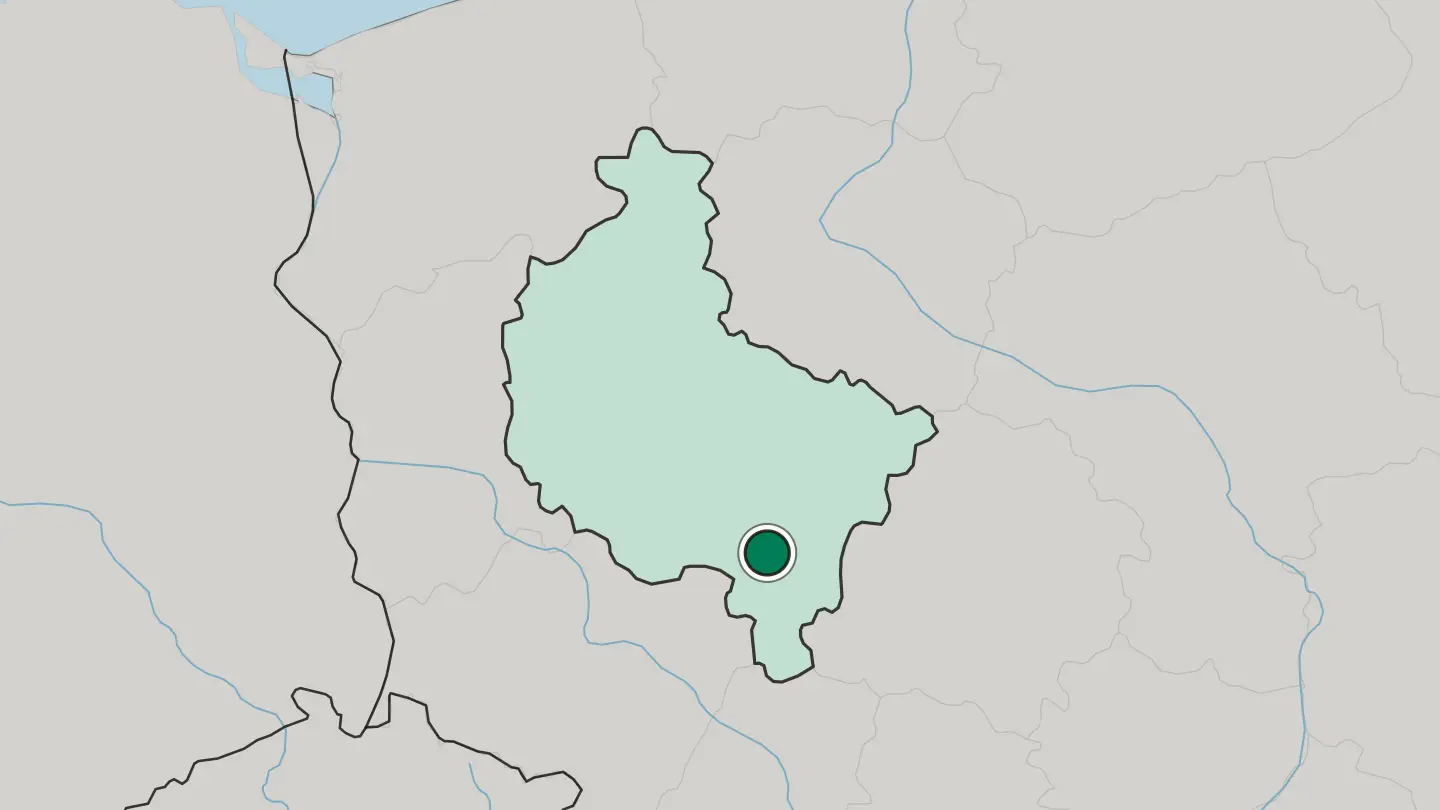 Poland
Gniezno
Gniezno is the first capital of Poland, an ancient city in the Greater Poland region and the cradle of the Polish state.Where to stay →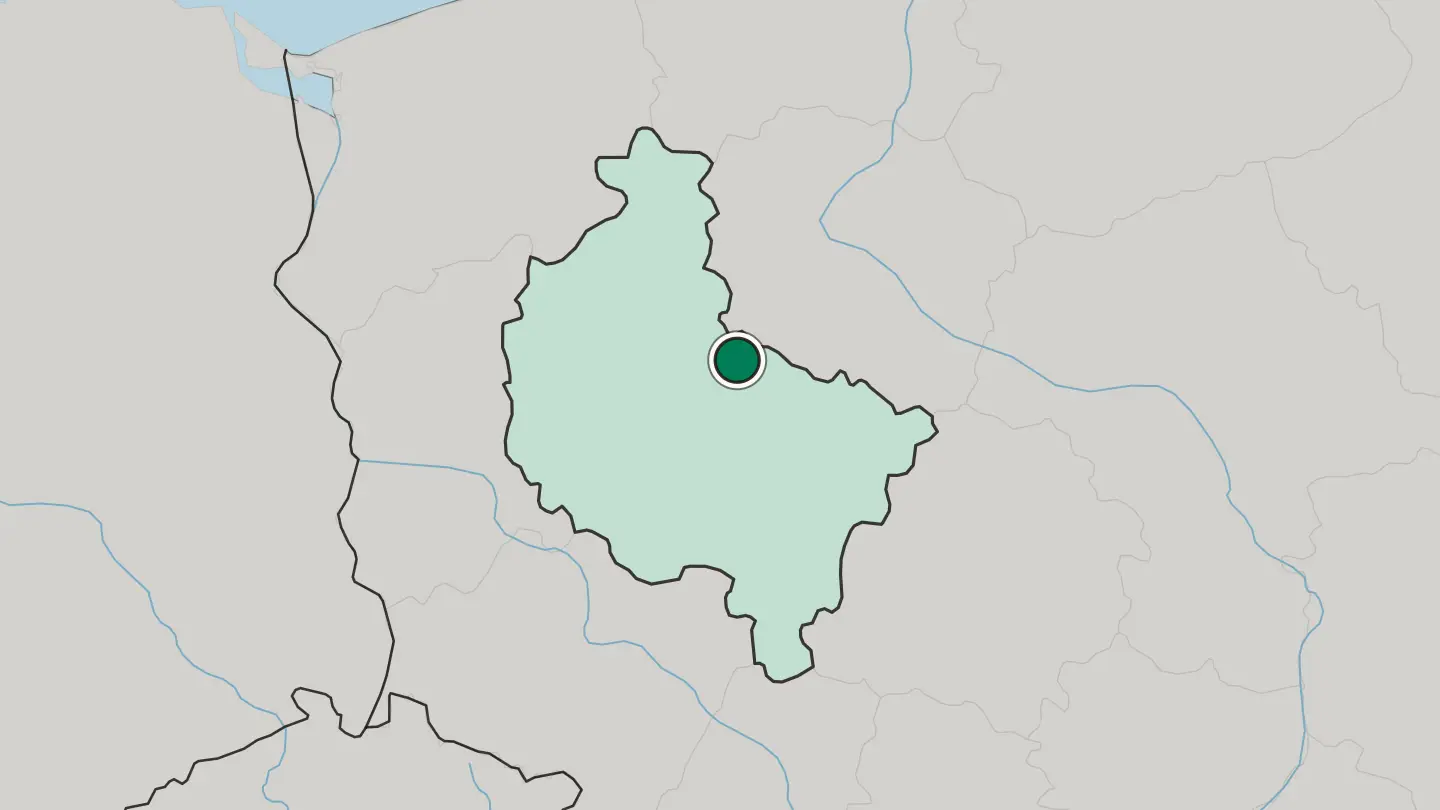
 Poland
Leszno
Leszno, also called Lissa, heads Leszno County in Greater Poland, its listed centre gathered around Market Square in Leszno.Where to stay →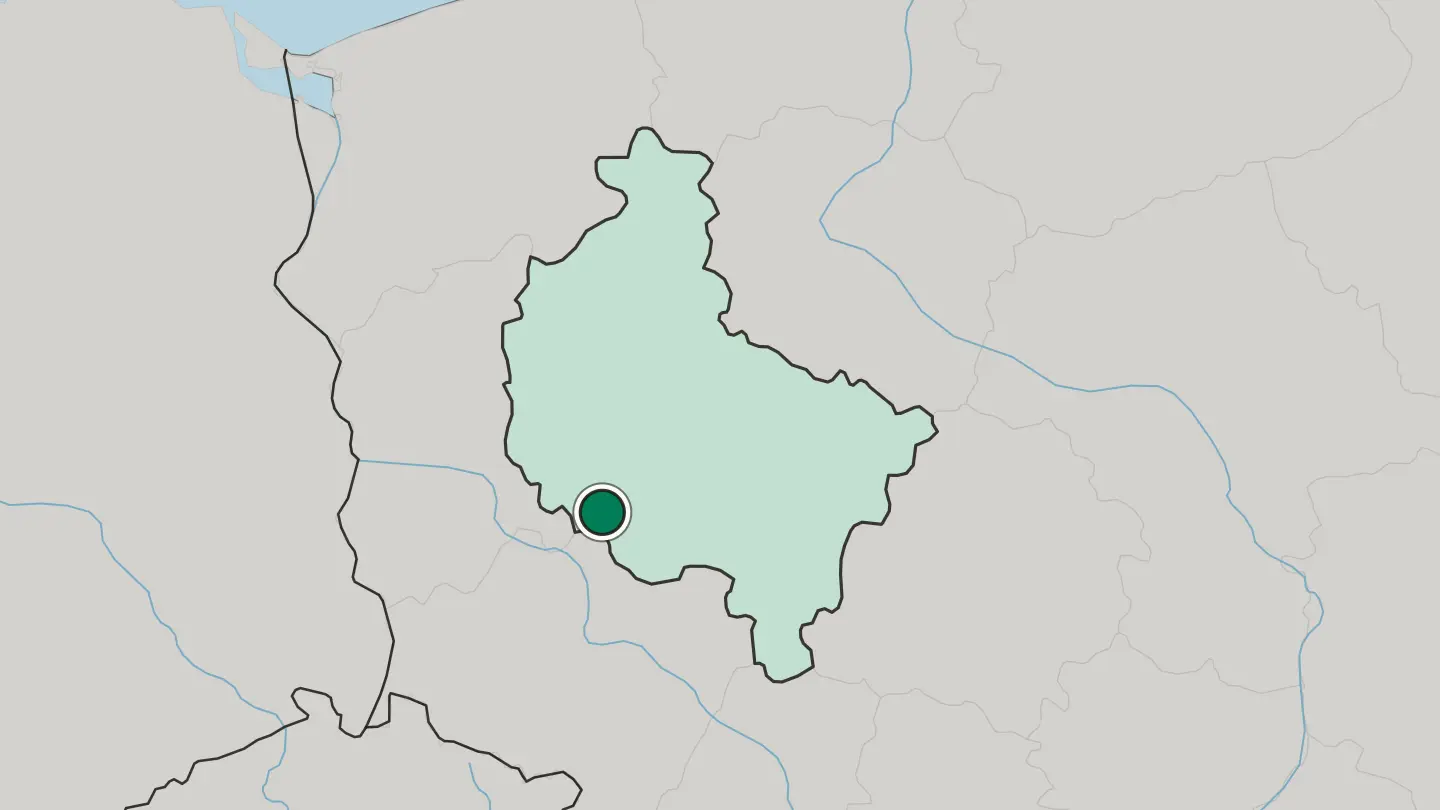
Hotel links are affiliate links: booking through them may earn us a commission, at no extra cost to you. It never affects how places are ranked. How this works
About Greater Poland Voivodeship
This is where Poland began.
What is Greater Poland Voivodeship known for?
The Polans settled the flatlands around Gniezno and Poznań in the tenth century, and the first Piast rulers made Gniezno their seat. Poznań is the capital and largest city, strung along the Warta near the region's centre. Kalisz claims to be the oldest town in the country.
Travellers come for that founding history, for the Renaissance market square at the heart of Poznań, and for the lakes and river valleys of the surrounding plain.
Where is Greater Poland Voivodeship?
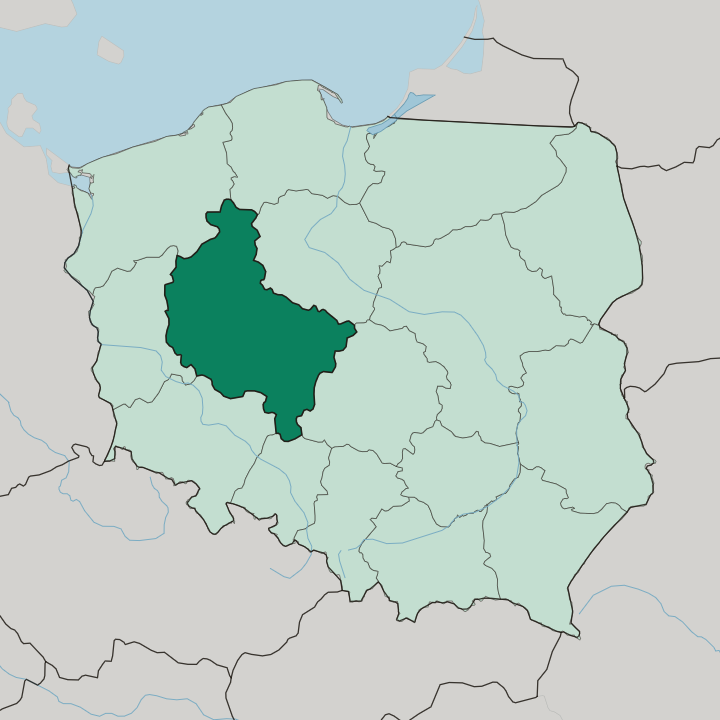
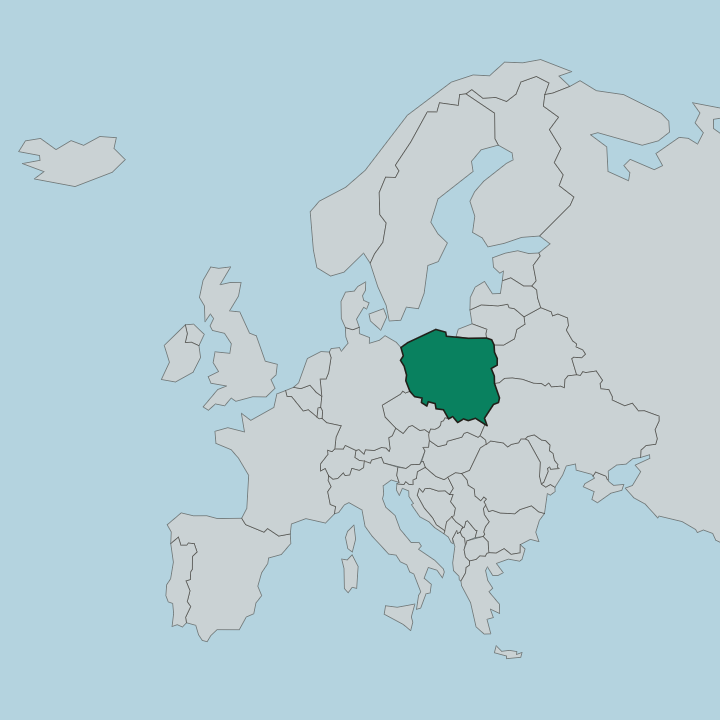
Greater Poland fills the west-central part of the country, a broad lowland second in area only to Masovia among Poland's voivodeships. Greater Poland lies flat across its lowland plain. It sits within the Great Poland Lakeland, a plain the Baltic glaciers left dissected by river valleys and dotted with lakes, thickest around Poznań and Gniezno.
Almost all of its surface water drains one way, into the basin of the Warta, which rises in the centre of the country and meanders north-west across the plain before joining the Oder at Kostrzyn nad Odrą on the German border. The Warta is the second-longest river inside Poland, after the Vistula, and Poznań grew up on its banks. Relief here is gentle rather than dramatic.
The highest ground, Greater Kobyla Mountain in the Ostrzeszów hills of the south, barely tops 284 metres, and the lowest lies where the Noteć meets the Warta in the north-west. Gniezno stands about fifty kilometres east of Poznań, and Kalisz well to the south-east on the Prosna. Lakes, low ridges, and slow rivers set the rhythm of the whole region.
What is Greater Poland Voivodeship like?
Greater Poland wears its founding role plainly. This was the first heartland of the Polish state, and the sense of being where things started runs through its towns and churches. Ostrów Tumski, the cathedral island in Poznań, holds the tombs of the earliest Piast rulers and marks the spot where the Christian kingdom took root.
Gniezno keeps the older claim still, its cathedral the seat of the primate of Poland and the oldest archdiocese in the land. History here is worn, not staged. Daily culture is quieter and just as distinctive.
The people of Poznań keep a reputation for thrift, order, and hard work, a legacy of the years under Prussian rule. On the eleventh of November the whole city eats the rogal świętomarciński, a horseshoe of pastry filled with white poppy seed, almonds, and walnuts, made only in and around Poznań and protected under its own name across Europe. Two mechanical goats butt heads on the town hall every day at noon, drawing a crowd to the Old Market Square.
Kalisz adds a deeper layer again, an old cloth-making town that traces its roots to antiquity.
What is the history of Greater Poland Voivodeship?
The story starts here. The Polans built their strongholds at Giecz, Gniezno, and Poznań in the early tenth century, and from them the Piast rulers forged the first Polish state. Mieszko I, baptised in 966, brought the young realm into Christian Europe, and his son was crowned its first king.
Gniezno received the country's first archdiocese in the year 1000. Centuries later the region passed to Prussia in the partitions of Poland, and its people held to their language and faith until it returned to a reborn Polish state after the First World War.
What is the climate of Greater Poland Voivodeship?
Greater Poland is one of the driest corners of the country. The flat inland plain, far from the sea and out of the reach of the mountains, sees less rain than almost anywhere else in Poland, thinning further toward the east. Its summers turn warm.
They shift from day to day. Winters are long, cold, and grey, with snow that comes and goes over the lakes around Poznań and Gniezno. Rain falls light through the year rather than in one heavy season.
How do you get to Greater Poland Voivodeship?
Most travellers fly into Poznań-Ławica, the region's airport just west of the city and one of the oldest in the country. Fast trains reach Poznań from Warsaw, Berlin, and Wrocław, putting it on the main line that runs between the Polish and German capitals. From the city, regional rail and road fan out to Gniezno in the east and Kalisz in the south-east.
The Warta carries little traffic now. Getting around the flat plain is easy by train or car.
Good for
More regions in Poland
Updated September 2026