Poland · Greater Poland Voivodeship
Where to Stay in Piła, Greater Poland Voivodeship
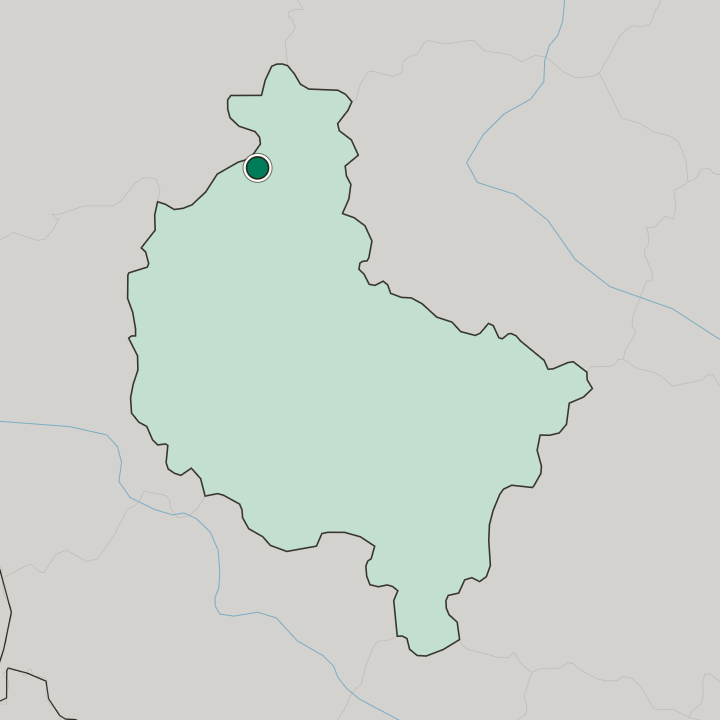
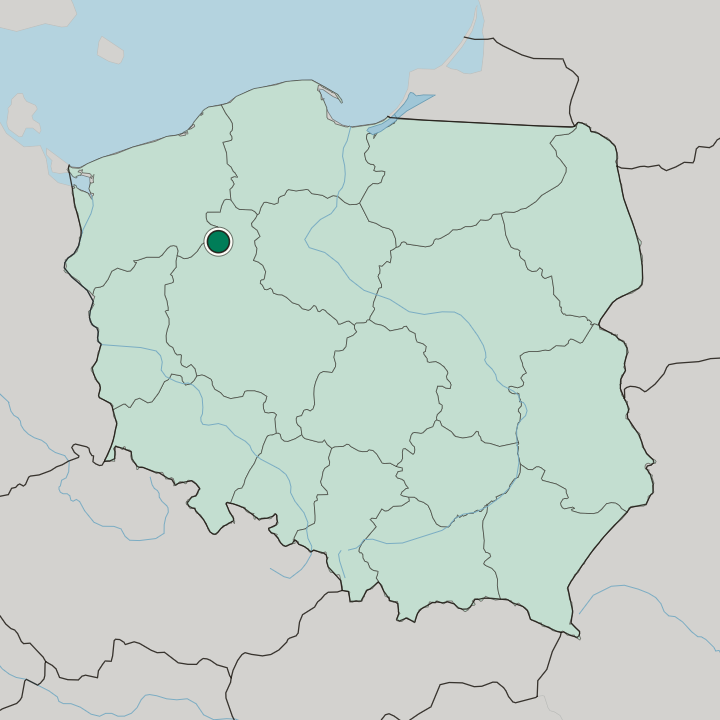
Piła stands on the Gwda in Greater Poland, capital of Piła County, a city of parks and forest edges also recorded as Schneidemühl.
Hotel links are affiliate links: booking through them may earn us a commission, at no extra cost to you. It never affects how places are ranked. How this works


Where to stay in Piła
The practical side of choosing where to sleep.
The Gwda splits the choice. Rooms near the river put the parks that Piła is known for within a few minutes, and the Stanisław Staszic Museum in Piła and the Muzeum Okręgowe w Pile both sit on the same central ground. The parks are the reason.
Chopina Street is central too. 1 Chopina Street in Piła carries a register entry, and Saint Stanislaus Kostka church in Piła anchors the streets around it. A hundred square kilometres is a lot of city. Piła spreads much further than its centre, so a room on the outer side means forest and open ground on the doorstep and a longer run back in to the museums.
Families take that trade. The register reaches out there too, with Saint Anthony of Padua church in Piła and the Sala gimnastyczna przy Alei Wojska Polskiego w Pile among the entries. Piła County has no larger town.
That makes the city the practical base for anything in the county, and the Kasyno oficerskie w Pile and the Loża masońska Borussia give a stay two more listed buildings to find. Two nights covers it. The Pilskie Muzeum Wojskowe fills the second morning.
The Gwda runs through all of it.
Find hotels in Piła
Direct booking searches for these neighbourhoods.
The Gwda banks
The central stretch where Piła meets the Gwda, with green ground held on both banksFind hotels in The Gwda banksShort central nights near Saint Stanislaus Kostka church in PiłaChopina Street
The streets around 1 Chopina Street in Piła, inside the listed part of the city. Few places to stay nearby — book ahead.Find hotels in Chopina StreetLonger stays with forest ground and parking beyond the centreAleja Wojska Polskiego
The outer avenue that carries the Sala gimnastyczna przy Alei Wojska Polskiego w Pile. Beds are limited here, so book early.Find hotels in Aleja Wojska PolskiegoHotel links are affiliate links: booking through them may earn us a commission, at no extra cost to you. It never affects how places are ranked. How this works
Things to do in Piła
Ranked by global recognition; descriptions from Wikidata (CC0).
Museums & Galleries
3- Pilskie Muzeum Wojskowe
- Muzeum Okręgowe w Pile
- Muzeum Stanisława Staszica w Pile
Churches & Religious Sites
3- Saint Anthony of Padua church in Piła Heritage
- Saint Stanislaus Kostka church in Piła Heritage
- Kościół św. Jana Bosko w Pile
Landmarks & Notable Places
4- 1 Chopina Street in Piła Heritage
- Consulate in Piła Heritage
- Wieża wodna Heritage
- Wieża wodna ze stacją pomp Heritage
worth knowingacross 3 categories in Piła
About Piła
Green ground and water towers.
What is Piła known for?
Piła is known for its parks and the forests close by, and its listed skyline takes in both the Wieża wodna ze stacją pomp and the wieża ciśnień na terenie dawnej gazowni w Pile. Museums cover the past. The Stanisław Staszic Museum in Piła, entered also as Muzeum Stanisława Staszica w Pile, works alongside the Muzeum Okręgowe w Pile and the Pilskie Muzeum Wojskowe.
What are the main landmarks in Piła?
Two water towers make the list. Wieża wodna ze stacją pomp and the wieża ciśnień na terenie dawnej gazowni w Pile are the industrial entries, and the Consulate in Piła and the Kasyno oficerskie w Pile the civic ones. Churches follow.
Saint Stanislaus Kostka church in Piła and Saint Anthony of Padua church in Piła stand alongside the Zespół Królewskiego Katolickiego Seminarium Nauczycielskiego and the Loża masońska Borussia.
What is the history of Piła?
No charter year appears in the record. Piła carries a second name, Schneidemühl, and the buildings on its register are mostly institutional rather than medieval. Institutions dominate.
The Zespół Królewskiego Katolickiego Seminarium Nauczycielskiego, the Kasyno oficerskie w Pile and the Consulate in Piła are all entries of that kind, and the Loża masońska Borussia adds another. Water and gas left towers. Wieża wodna ze stacją pomp pairs a tower with its pumping station, and the wieża ciśnień na terenie dawnej gazowni w Pile stands on the ground of a former gasworks.
Both are listed. They carry the industrial side of the city's history between them, with little else of that kind on the register. Stanisław Staszic gives the museum its name.
The Stanisław Staszic Museum in Piła appears in the record also as Muzeum Stanisława Staszica w Pile, and the Muzeum Okręgowe w Pile and the Pilskie Muzeum Wojskowe complete the city's collections. Churches came with the parishes. Saint Stanislaus Kostka church in Piła and Saint Anthony of Padua church in Piła are the two on the register, and 1 Chopina Street in Piła is among the few private addresses beside them.
Where is Piła?
The Gwda runs through Piła. Its valley gives the city the parks and green edges it is known for, and beyond them a hundred square kilometres of municipal ground carry forest as much as street. Piła County spreads out around it.
The built-up centre is small against that total, which is why the outer districts sit closer to woodland than to the museums.
What is the climate of Piła?
Forest and river set the tone. Piła runs a temperate year with no coast and no mountain range in reach, so the Gwda valley holds cold winters, warm summers and the damp that dense woodland keeps around a city. Parks fill the warm months.
The Muzeum Okręgowe w Pile and the Pilskie Muzeum Wojskowe absorb the rest.
How do you get to Piła?
Piła is the county capital. Everything in Piła County runs to it, and the city is large enough to serve as the practical stop for this stretch of Greater Poland even without powiat rights of its own. Poznań and Kalisz are the bigger cities. The Gwda, the parks and the two water towers are what the arrival is actually for.
Common questions
What is the best area to stay in Piła?
The Gwda banks: Stays wanting the river parks and the Muzeum Okręgowe w Pile on one walk. Chopina Street: Short central nights near Saint Stanislaus Kostka church in Piła. Aleja Wojska Polskiego: Longer stays with forest ground and parking beyond the centre.
Good for
More cities in Greater Poland Voivodeship
Updated September 2026