Poland · Greater Poland Voivodeship
Where to Stay in Poznań, Greater Poland Voivodeship
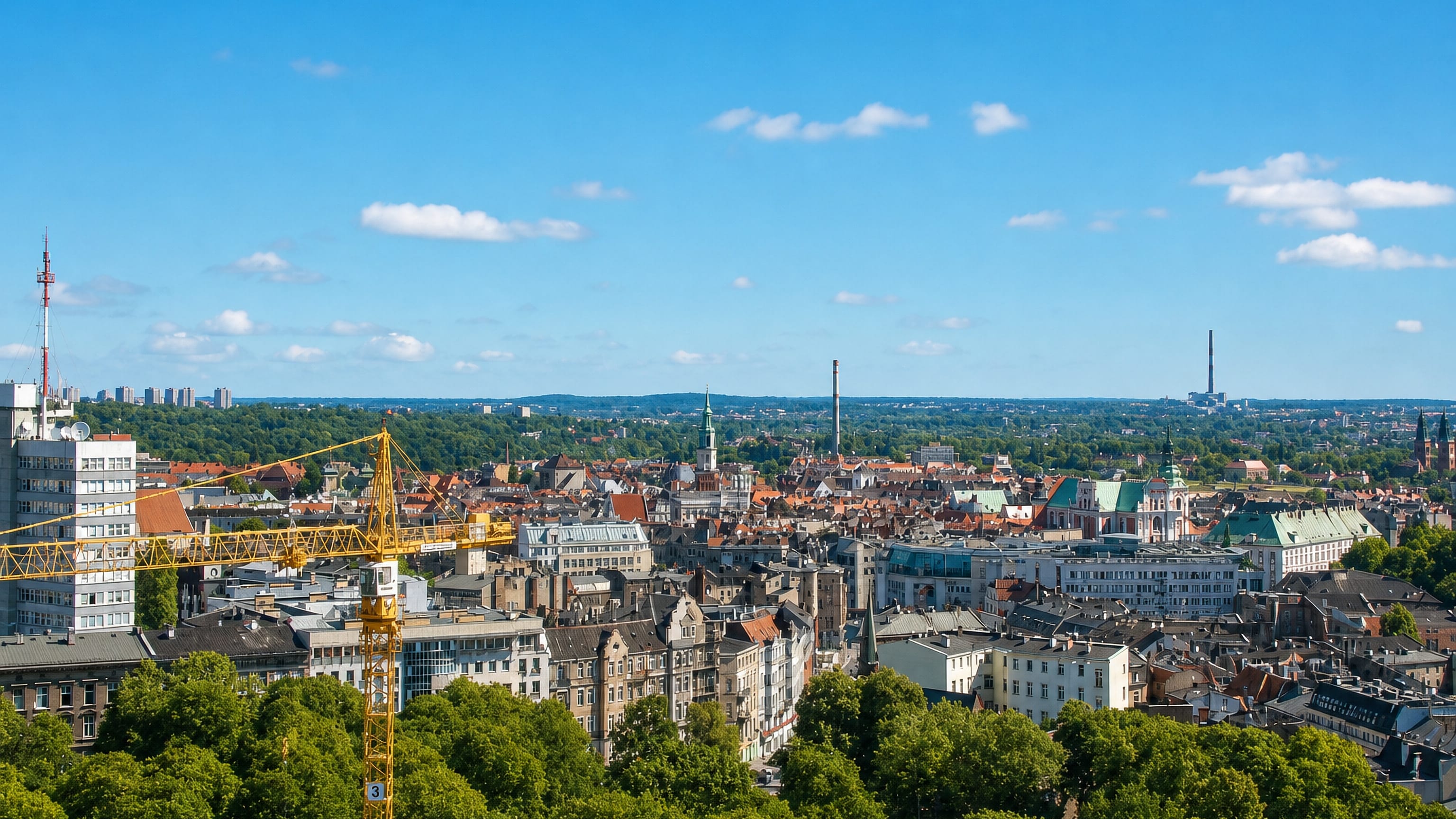
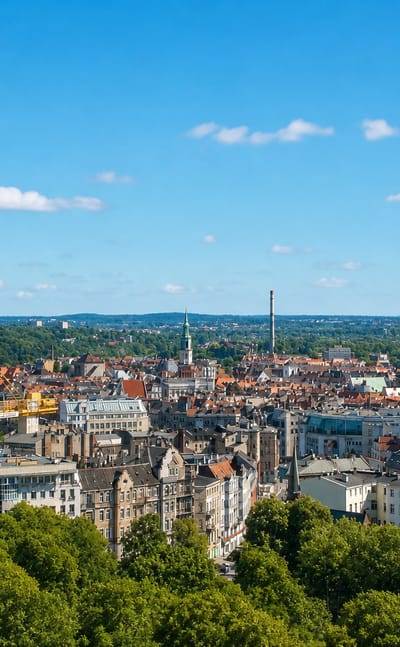
Merchant houses ring the square at Poznań, the largest city of western Poland and capital of Greater Poland Voivodeship, known for its Old Market Square.
Hotel links are affiliate links: booking through them may earn us a commission, at no extra cost to you. It never affects how places are ranked. How this works


Where to stay in Poznań
Each area has its own feel; here's who each one suits.
 PoznańPoland
Chwaliszewo
Chwaliszewo was an island town in the Warta for three and a half centuries, and it is now a part of Poznań's Stare Miasto.Chwaliszewo →PoznańPolandPoznań Old Town
Stare Miasto is the centremost neighbourhood of Poznań, the walled medieval town of 1253 laid out around its Old Market Square.Poznań Old Town →PoznańPolandDzielnica Cesarska w Poznaniu
Two steel crosses, the Poznańskie Krzyże, rise over plac Adama Mickiewicza in Dzielnica Cesarska, a quarter Prussia laid out on Poznań's razed ramparts.Dzielnica Cesarska w Poznaniu →PoznańPolandPiotrowo
Lecture halls line both sides of ulica Piotrowo in Piotrowo, a Poznań quarter given to the modernist Politechnika Poznańska campus called Poligród.Piotrowo →PoznańPolandŚródka
Śródka faces the cathedral island of Ostrów Tumski across the Warta, a historic right-bank neighbourhood of Poznań.Śródka →PoznańPolandŚwięty Roch
Red brick and a squat tower mark the Church of Saint Roch in Święty Roch, a right-bank quarter of Poznań that was once a chartered town of its own.Święty Roch →PoznańPolandWilda
Wilda is the southern dzielnica of Poznań, smallest of the five the city kept on its books.Wilda →PoznańPolandOsiedle Piastowskie
The oldest of the Rataje estates, Osiedle Piastowskie is a housing estate of Poznań, Poland, on the lower terrace above the Warta, begun in 1966.Osiedle Piastowskie →PoznańPolandJeżyce
A market still trades on Rynek Jeżycki, the square at the middle of Jeżyce, the Poznań quarter whose tenement grid was finished by 1910.Jeżyce →PoznańPolandKomandoria
Romanesque brick stands at Saint John of Jerusalem Outside the Walls in Komandoria, a district of Poznań named for the Hospitaller commandery there.Komandoria →PoznańPolandOsiedle Jagiellońskie
Osiedle Jagiellońskie is a 1969 housing estate on the Rataje terrace in Poznań, twenty-four low blocks and one tower around Rynek Jagielloński.Osiedle Jagiellońskie →PoznańPolandSzeląg
Szeląg is a small part of Poznań on the left bank of the Warta, pinned between the river and Wzgórze Winiarskie, with Park Szelągowski on its slope.Szeląg →All neighbourhoods (67)
PoznańPolandOsiedle Pod Lipami
Five thirteen-storey blocks rise over Osiedle Pod Lipami, the first estate built on Poznań's Winogrady, begun in 1968 beside Park Kosynierów.Osiedle Pod Lipami →PoznańPolandOsiedle Oświecenia
Osiedle Oświecenia is a housing estate on the lower terrace of Rataje in Poznań, fifteen five-storey blocks and three eighteen-storey towers.Osiedle Oświecenia →PoznańPolandRataje
Rataje is a part of Poznań on the right bank of the Warta, built as dense housing estates on the site of a village recorded in 1245 as Villa Colonorum.Rataje →PoznańPolandOsiedle Przyjaźni
The mooring blocks of a Zeppelin hangar survive in Park Władysława Czarneckiego on Osiedle Przyjaźni, a Winogrady housing estate in Poznań, Poland.Osiedle Przyjaźni →PoznańPolandOsiedle Rzeczypospolitej
Osiedle Rzeczypospolitej is a housing estate on Rataje in Poznań, spread across two of the city's own information units.Osiedle Rzeczypospolitej →PoznańPolandŁazarz
Łazarz is Poznań's pre-war tenement quarter south-west of the centre, its monument-listed streets set around the lawns of Wilson Park.Łazarz →PoznańPolandOsiedle Powstań Narodowych
Osiedle Powstań Narodowych is a Rataje housing estate in Poznań, ten blocks on the lower terrace east of the Warta, named for Poland's uprisings.Osiedle Powstań Narodowych →PoznańPolandSołacz
Sołacz is a villa quarter in north-western Poznań, laid out along the Bogdanka valley around Park Sołacki and the chestnuts of aleja Wielkopolska.Sołacz →PoznańPolandWinogrady
Winogrady is a part of Poznań's Stare Miasto district, north of the Cytadela park, named for the vineyards that once grew on this ground.Winogrady →PoznańPolandOsiedle Maltańskie
Osiedle Maltańskie is the northern part of Malta in Poznań, boxed in by ulica Warszawska, ulica Krańcowa, ulica Grodzieńska and ulica Termalna.Osiedle Maltańskie →PoznańPolandMalta
Malta is a district of Poznań, Poland, set on both shores of Jezioro Maltańskie, with Poznań Nowe Zoo beyond its eastern end.Malta →PoznańPolandOsiedle Zwycięstwa
Thirteen sixteen-storey towers rise over Osiedle Zwycięstwa, a large-panel estate on Winogrady in Poznań, Poland, finished in 1984.Osiedle Zwycięstwa →PoznańPolandOsiedle Tysiąclecia
Ponds hold the Piaśnica at Osiedle Tysiąclecia, a housing estate of Chartowo in Poznań, Poland, whose modernist park has held a newt reserve since 2011.Osiedle Tysiąclecia →PoznańPolandOsiedle Lecha
A row of sculptures lines the walk to the school at Osiedle Lecha, a housing estate in the Chartowo quarter of Poznań, Poland, begun on 13 March 1974.Osiedle Lecha →PoznańPolandOsiedle Armii Krajowej
Four eighteen-storey towers rise over Osiedle Armii Krajowej, a housing estate of Poznań, Poland, laid out in Rataje between Hetmańska and Pawia.Osiedle Armii Krajowej →PoznańPolandOsiedle Warszawskie
Large gardens separate the villas of Osiedle Warszawskie, a district of Poznań, Poland, drawn from scratch to Sylwester Pajzderski's 1927 plan.Osiedle Warszawskie →PoznańPolandOsiedle Wichrowe Wzgórze
Osiedle Wichrowe Wzgórze stacks 15 sixteen-storey towers over Winogrady in Poznań, a large-panel estate ringed by al. Solidarności and ul. Lechicka.Osiedle Wichrowe Wzgórze →PoznańPolandOsiedle Kosmonautów
Eight thirteen-storey towers stand over Osiedle Kosmonautów, a Winogrady estate in Poznań, Poland, named for the cosmonauts of the space race.Osiedle Kosmonautów →PoznańPolandOstroróg
Ostroróg is Władysław Czarnecki's wedge of low interwar houses in Poznań, monument-listed since 1982, between ulica Grochowska and ulica Marcelińska.Ostroróg →PoznańPolandChartowo
Concrete slabs and towers stand over park ponds at Chartowo, an eastern part of Poznań laid out around Fort IIa and the Chartynia stream.Chartowo →PoznańPolandWilczy Młyn
Wilczy Młyn is a corner of Wilczak in Poznań, near ulica Lechicka, built as detached and terraced houses.Wilczy Młyn →PoznańPolandOsiedle Orła Białego
Osiedle Orła Białego is a housing estate in the Żegrze quarter of Poznań, Poland, built as five falowce and ten blocks of eighteen storeys.Osiedle Orła Białego →PoznańPolandOsiedle Czecha
Fort IIa keeps its brick vaults and a park inside Osiedle Czecha, a housing estate of Poznań, Poland, whose fourteen blocks went up from July 1975.Osiedle Czecha →PoznańPolandMiłostowo
Miłostowo is a wooded eastern part of Poznań, taken up mostly by green space and by the municipal cemetery opened there in 1943.Miłostowo →PoznańPolandGrunwald
Grunwald is the western Poznań quarter strung along ulica Grunwaldzka, from Willa Flora out to rondo Jana Nowaka-Jeziorańskiego.Grunwald →PoznańPolandOsiedle Rusa
Eighteen doorways open along one block at Osiedle Rusa, a panel-built quarter of eastern Poznań and the site of the longest building in the city.Osiedle Rusa →PoznańPolandKarolin
Karolin is an industrial quarter on the Warta's right bank at Poznań's north-eastern edge, its power-station chimney a city skyline landmark.Karolin →PoznańPolandStare Miasto
Stare Miasto is the largest district of Poznań, running from Stary Rynek north past Park Cytadela to the meteorite craters at Morasko.Stare Miasto →PoznańPolandStarołęka
Brick workshop fronts line ulica Starołęcka in Starołęka, a former village in southern Poznań, with Fort I and Fort Ia standing on its outer edge.Starołęka →PoznańPolandDębina
Dębina carries the oak floodplain forest of Poznań, a left-bank stretch of the Warta split between Wilda and Zielony Dębiec.Dębina →PoznańPolandRaszyn
Raszyn is a part of Poznań where villa streets give way to 1960s blocks and Fort VIIIa stands walled inside Park Raszyński.Raszyn →PoznańPolandMarcelin
Asparagus test fields and Fort VIIa survive at Marcelin, a former farm estate in western Poznań now filled with offices and apartment blocks.Marcelin →PoznańPolandFranowo
Wagons roll over the sorting hump at Franowo, a part of Poznań, Poland, where a marshalling yard, a tram depot and big-box retail share the ground.Franowo →PoznańPolandPogodno
Pogodno is a small quarter of Poznań between ulica Grunwaldzka and ulica Macieja Palacza, holding the Adam Mickiewicz University observatory.Pogodno →PoznańPolandGórczyn
Górczyn is a district of western Poznań, gathered where ulica Głogowska lifts onto the Wiadukt Kosynierów Górczyńskich above its own railway station.Górczyn →PoznańPolandNowe Miasto
Nowe Miasto is Poznań east of the Warta, running from the cathedral island of Ostrów Tumski out to the regatta course on Lake Malta.Nowe Miasto →PoznańPolandAntoninek
A glassworks has stood in Antoninek since 1933, an eastern quarter of Poznań whose streets carry Slavic given names above the Cybina woods.Antoninek →PoznańPolandPiątkowo
Piątkowo is a part of northern Poznań made of two council estates, Osiedle Piątkowo and Osiedle Piątkowo Północ, first written down in 1253 as Panthcow.Piątkowo →PoznańPolandPodolany
Podolany is a garden suburb of Poznań laid out for railway workers to Jan Rakowicz's 1923 plan, with many streets named for Polish spa towns.Podolany →PoznańPolandDębiec
Dębiec is a historical southern part of Poznań, Poland, holding Fort I, Fort IX and Corpus Christi Cemetery on the run out to Luboń.Dębiec →PoznańPolandUmultowo
A late Classicist manor stands at ulica Umultowska 127 in Umultowo, a district in northern Poznań holding the east side of Kampus Morasko.Umultowo →PoznańPolandŁawica
Ławica took its name from sandy ground, a western district of Poznań around ulica Złotowska and the airfield opened on its meadows in 1913.Ławica →PoznańPolandJunikowo
Pine and birch fill the cemetery at Junikowo, a district on Poznań's western edge grown from one-hectare plots carved out of a manor farm in 1906.Junikowo →PoznańPolandSzczepankowo (Poznań)
Three watercourses rise in Szczepankowo, a market-garden quarter on Poznań's south-eastern edge whose streets carry fruit names.Szczepankowo (Poznań) →PoznańPolandFabianowo
Fabianowo is a farm-edged quarter of south-western Poznań, where the Szachty clay pits lie flooded beneath a viewing tower off ulica Mieleszyńska.Fabianowo →PoznańPolandKotowo
Clay pits hold water north of ulica Kotowo, the axis of Kotowo, a brickmakers' part of Poznań that gave the Kotówka stream its name.Kotowo →PoznańPolandStrzeszyn
Woods around Jezioro Strzeszyńskie fill western Strzeszyn, a north-west district of Poznań whose estate streets are named for writers.Strzeszyn →PoznańPolandKrzyżowniki
Reed beds edge the Krzyżanka where it runs into Lake Kierskie at Krzyżowniki, a western district of Poznań named for its Hospitaller lords.Krzyżowniki →PoznańPolandKrzesiny
A timber church from 1912 stands in the old manor park at Krzesiny, a south-eastern part of Poznań known for its F-16 airfield.Krzesiny →PoznańPolandSpławie
Spławie gathers around a neo-Gothic parish church at ulica Spławie 86, a village quarter on Poznań's south-eastern fields, on the Dworski Rów.Spławie →PoznańPolandGłuszyna
Brickwork in Wendish bond carries the Gothic church of old Głuszyna, a village quarter on the rim of Poznań and the birthplace of Paweł Edmund Strzelecki.Głuszyna →PoznańPolandPsarskie
Ducal houndsmen bred hunting dogs at Psarskie, a part of Poznań on the city's north-western edge where village frontages still line ulica Psarskie.Psarskie →PoznańPolandWielkie
A manor in its park and a farmyard of outbuildings make up Wielkie, a part of Poznań whose one named street is ulica Nad Przeźmierką.Wielkie →PoznańPolandSmochowice
Poznań's last trolleybus turned at ulica Santocka in Smochowice, a western district of single-family houses and forest between Krzyżowniki and Wola.Smochowice →PoznańPolandŁacina
A brick windmill of 1910 stands on Milczańska in Łacina, an area unit of Poznań inside Osiedle Rataje, known for Posnania and its apartment estates.Łacina →Hotel links are affiliate links: booking through them may earn us a commission, at no extra cost to you. It never affects how places are ranked. How this works
Things to do in Poznań
Ranked by global recognition; descriptions from Wikidata (CC0).
Museums & Galleries
3- Pałac Górków w Poznaniu Heritage
- Luboń Żabikowo Heritage
- Fort VII concentration camp
Churches & Religious Sites
8- Archcathedral Basilica of St. Peter and St. Paul Heritage
- Poznań Fara Heritage
- Saint Mary church in Poznań (Ostrów Tumski) Heritage
- Church of St. John of Jerusalem Outside the Walls Heritage
- Church of St. Adalbert Heritage
Show 3 more →
- Corpus Christi church in Poznań Heritage
- Kościół św. Franciszka Serafickiego w Poznaniu Heritage
- Kościół Najświętszego Zbawiciela w Poznaniu Heritage
Castles & Historic Sites
3- Imperial Castle in Poznań Heritage
- Royal Castle, Poznań Heritage
- Palace in Radojewo Heritage
Nature & Outdoors
2- Wilson Park in Poznań Heritage
- Sołacz Park Heritage
Stadiums & Sports
1- Dębińska Road Stadium
Parks & Gardens
1- Botanical garden in Poznań Heritage
Landmarks & Notable Places
8- Poznań Croissant Museum Heritage
- 16 Bema Street in Poznań Heritage
- 2 Wincentego Street in Poznań Heritage
- 70 Przemysłowa Street in Poznań Heritage
- Armii Poznań 51a Heritage
Show 3 more →
- Budynek mieszkalno-administracyjny (dom dyrektora) Heritage
- Dom mieszkalny I Heritage
- Dom mieszkalny II Heritage
worth knowingacross 7 categories in Poznań
About Poznań
What is Poznań known for?
Poznań is known as the largest city of western Poland and the capital of Greater Poland Voivodeship. The old square defines it. Its Old Market Square and Renaissance Town Hall stand at the historic core on the River Warta, roughly midway between Warsaw and Berlin, and the city gave Poland the Saint Martin's croissant and the Poznań International Trade Fair.
Commerce runs deep here.
What are the main landmarks in Poznań?
Poznań gathers its landmarks around the Old Market Square and the cathedral island. The old core stands close. The Old Market Square holds the Renaissance Town Hall, while the Archcathedral Basilica of St. Peter and St. Paul rises on its island in the River Warta.
Two castles mark the city. The Royal Castle and the Imperial Castle guard the higher ground, and the Enigma Cipher Center records the codebreakers of Poznań.
What is the history of Poznań?
Poznań rose on the River Warta in western Poland as one of the earliest seats of the Polish state. The island came first. On the cathedral island between the branches of the Warta the first stronghold and the Archcathedral Basilica of St. Peter and St. Paul were raised, and the settlement grew there as an early religious and princely centre of the country.
The town later shifted to the western bank. Merchants built the square. Around the Old Market Square the trading town took its Renaissance shape.
Fairs made the city rich. Standing on the routes between Warsaw and Berlin, Poznań drew merchants and craftsmen to its market and its Town Hall, and the city grew into a great fair and trade centre of the region. The Royal Castle and later the Imperial Castle marked the shifts of rule over the centuries.
War scarred the city hard, and the rebuilt streets of Poznań now carry that long story through the heart of Greater Poland Voivodeship.
Where is Poznań?
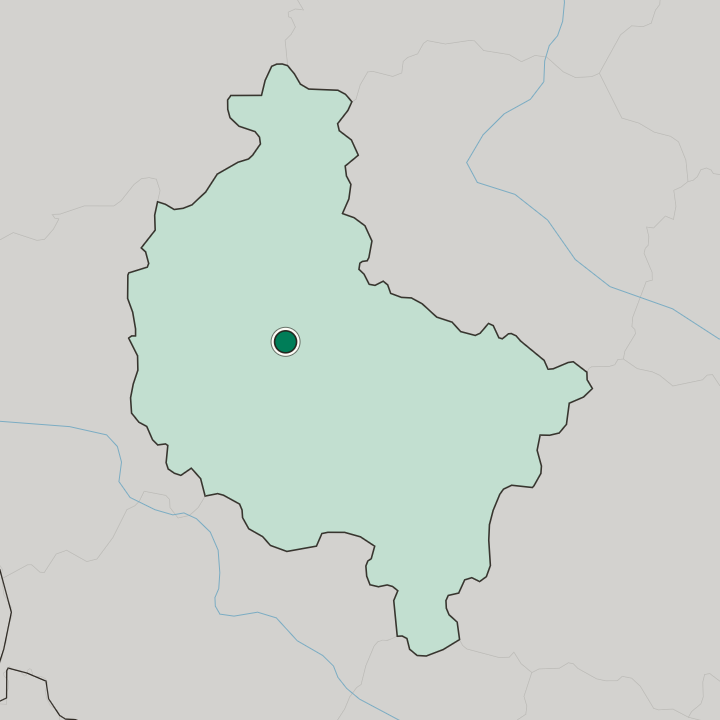
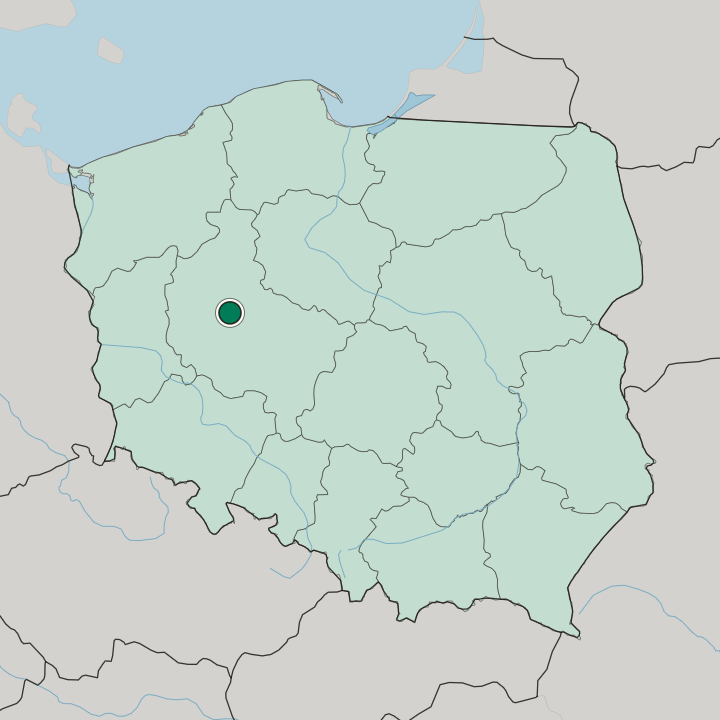
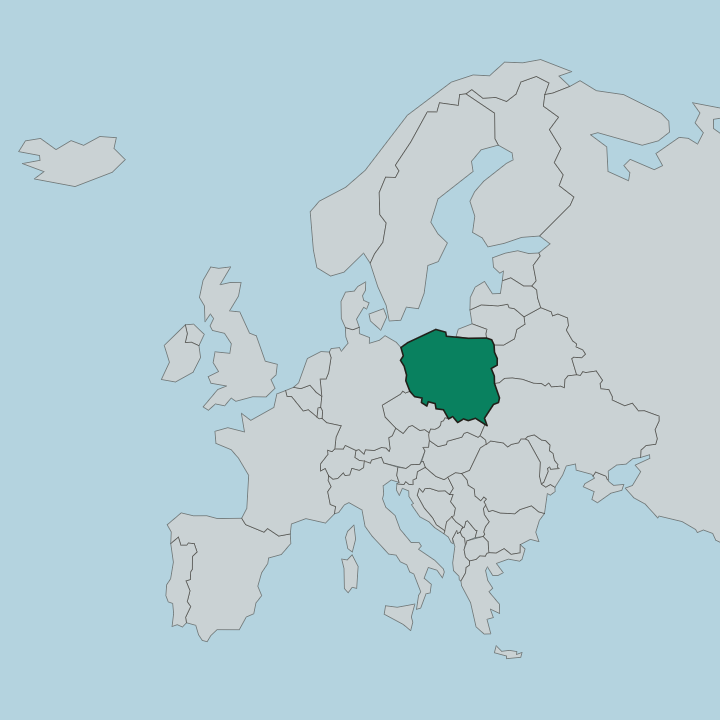
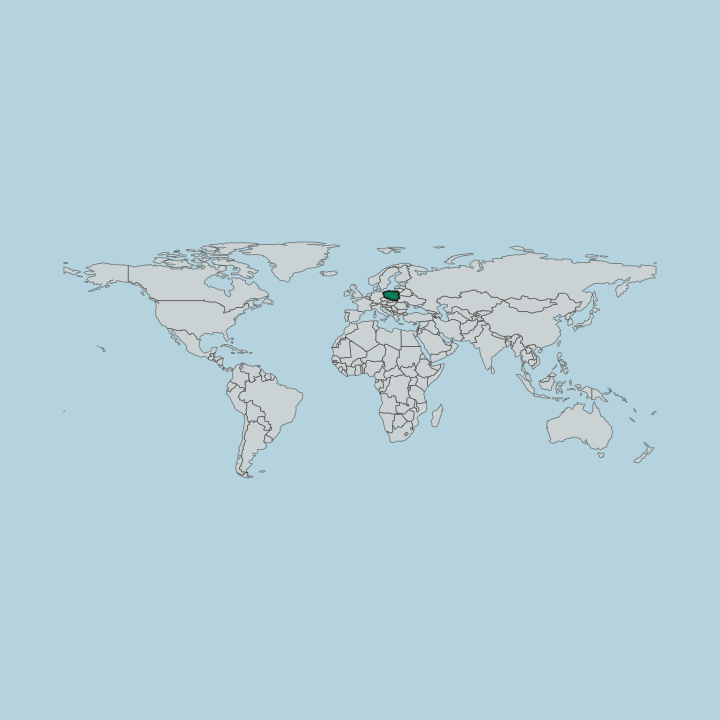
Poznań lies on the River Warta in western Poland, in the heart of Greater Poland Voivodeship. The Warta runs through the middle of Poznań, dividing it in two. The Old Market Square sits on the western bank while the cathedral island stands in the stream, and the wider districts of Poznań spread out across the low plain between Warsaw and Berlin.
What is the climate of Poznań?
Poznań has a temperate climate with a continental edge, typical of the plains of western Poland. The seasons pull apart. Cold and frost settle over the River Warta and the Old Market Square through the winter months, while summers turn warm across Greater Poland Voivodeship, the open lowland giving the year a moderate swing between them.
How do you get to Poznań?
Poznań is reached by road, by rail, and by air from across western Poland. The lines converge on the city. Sitting on the main corridor between Warsaw and Berlin, Poznań gathers trains, flights, and motorways from across Greater Poland Voivodeship, carrying travellers in toward the Old Market Square and the River Warta at the centre.
Good for
More cities in Greater Poland Voivodeship
Updated October 2026