Poland · Kuyavian-Pomeranian Voivodeship
Where to Stay in Grudziądz, Kuyavian-Pomeranian Voivodeship
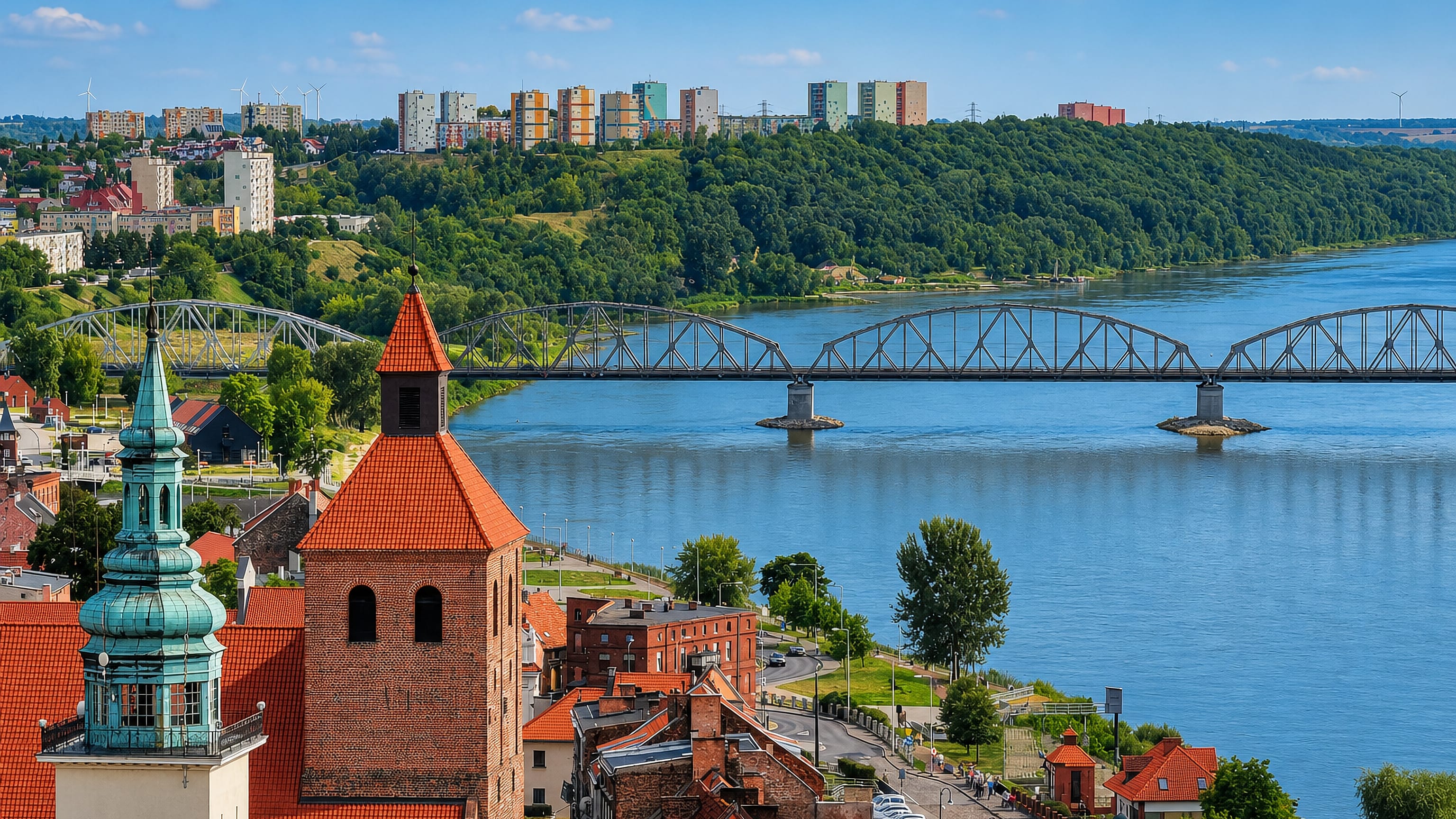
Grudziądz is an old town on the Vistula in northern Poland, famed for the great wall of medieval granaries that lines its river front.
Hotel links are affiliate links: booking through them may earn us a commission, at no extra cost to you. It never affects how places are ranked. How this works


Where to stay in Grudziądz
How the choice of base plays out on the ground.
Lodging in Grudziądz splits between the old town under the granaries and the districts set back from the river. The streets around the market square keep the granaries, the church, and the castle hill within a walk, and staying downtown suits anyone here for the old town. The granaries loom over the river.
Guesthouses fill the old streets. Out toward the river and the newer districts, the town spreads back from the bank. A room away from the centre trades the old streets for space, the parks, and the view across the wide Vistula.
The wide river opens past the bank. Stay downtown for the granaries, or by the river for the views. The granaries stand a short walk down.
Find hotels in Grudziądz
Direct booking searches for these neighbourhoods.
The old town
Around the market square within a walk of the river frontFind hotels in The old townStays wanting space and the Vistula viewsThe riverside
Back from the bank toward the parks and the riverFind hotels in The riversideHotel links are affiliate links: booking through them may earn us a commission, at no extra cost to you. It never affects how places are ranked. How this works
Things to do in Grudziądz
Ranked by global recognition; descriptions from Wikidata (CC0).
Museums & Galleries
2- Museum in Grudziądz
- Miejskie Muzeum Starożytności
Churches & Religious Sites
8- Saint Nicholas church in Grudziądz Heritage
- Barokowy zespół pojezuicki w Grudziądzu Heritage
- Church of the Immaculate Heart of St. Mary in Grudziądz Heritage
- Benedictine Monastery in Grudziądz Heritage
- Former Holy Cross church in Grudziądz Heritage
Show 3 more →
- Saint John Evangelical-Augsburg church in Grudziądz Heritage
- Saint James church in Wielki Lubień Heritage
- Church of St. Francis Xavier in Grudziądz Heritage
Castles & Historic Sites
3- Relics of the eastern part of the south wing in Grudziądz Heritage
- Relics of the western part of the south wing, Zamkowa in Grudziądz Heritage
- Polish Soldier Monument
Parks & Gardens
2- Ogród Botaniczny w Grudziądzu Heritage
- City Park in Grudziądz Heritage
Landmarks & Notable Places
4- 20 Market Square in Grudziądz Heritage
- 18 Toruńska Street in Grudziądz Heritage
- Dom towarowy Korzeniewskich Heritage
- 3 Staszica Street in Grudziądz Heritage
worth knowingacross 5 categories in Grudziądz
About Grudziądz
Grudziądz is the granary town of the Vistula.
What is Grudziądz known for?
On a high bank of the great river in the north, it turns to the water a long wall of tall brick granaries, raised in the middle ages and unlike anything else on the river, and it keeps a Gothic church, an old Jesuit college, and the ruins of a Teutonic castle above the town. The wide Vistula runs below. Brick granaries wall the river.
What are the main landmarks in Grudziądz?
The wall of granaries is the emblem of Grudziądz. A long row of tall brick warehouses, raised on the river bank as a fortified front, rises sheer above the Vistula, the mark of the town, over the water. A castle hill stands behind.
On the height above the granaries lie the ruins of the Teutonic castle and its tower, while the Gothic church, the old college, and the museum mark the streets of Grudziądz.
What is the history of Grudziądz?
Grudziądz rose as a Teutonic river fortress. The Knights of the Teutonic Order took the high bank in the thirteenth century and built a castle and a walled town to guard the Vistula crossing, and the town grew rich on the grain trade of the river. Great granaries walled the water side.
Along the top of the river bank the townsfolk raised a long row of tall brick granaries that doubled as a wall, storing the grain that barges carried down to Gdańsk. The town passed through many hands. Grudziądz came under Poland, then Prussia, then Germany, and returned to Poland in the last century, keeping its granaries through it all.
Soldiers made it a cavalry town. Between the wars it held the great cavalry school of the Polish army, and horsemen filled its barracks and riding grounds. The granaries still stand over the river.
Grudziądz keeps its granaries and its castle hill on the Vistula.
Where is Grudziądz?
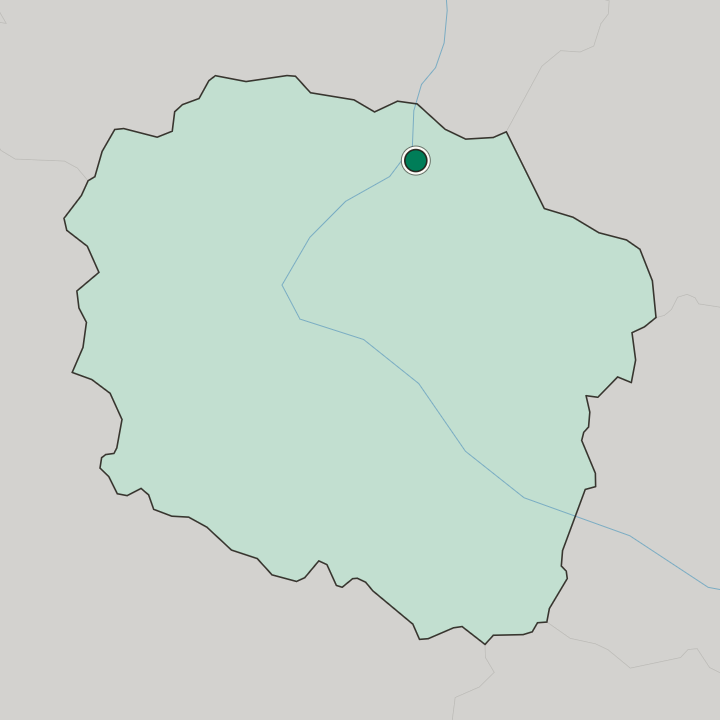
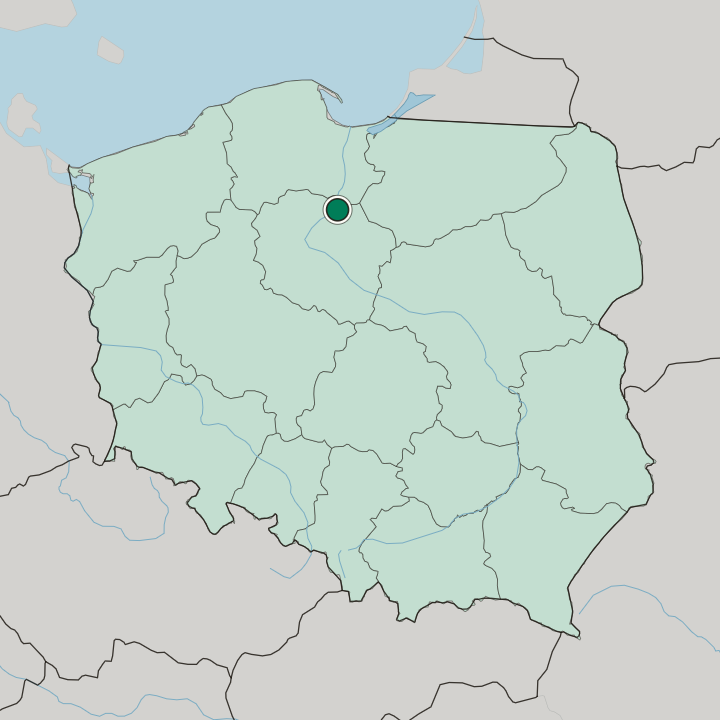
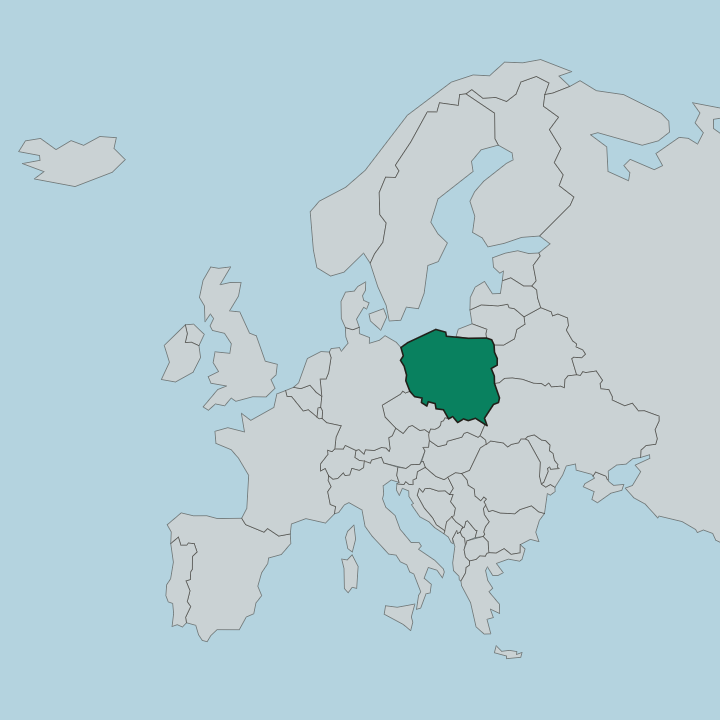
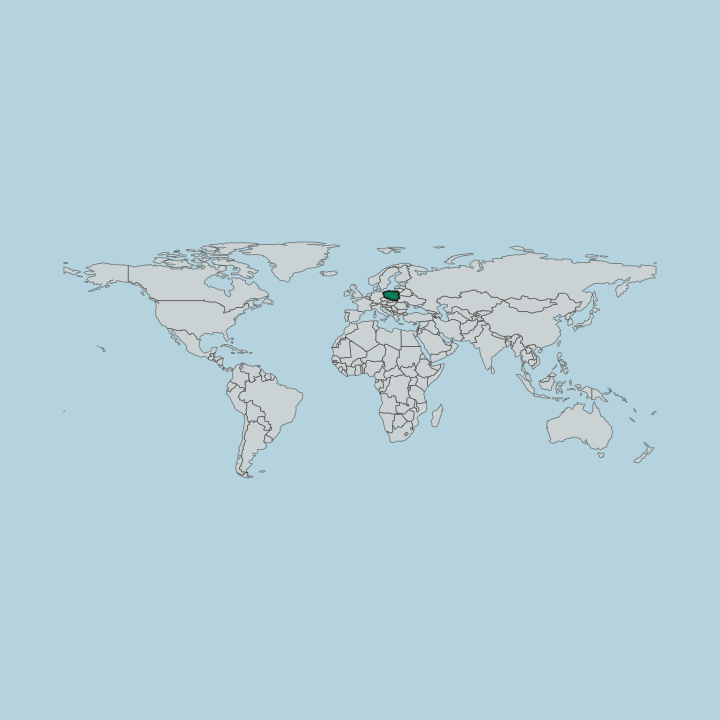
Grudziądz lies on the Vistula in northern Poland, in the Kuyavian lowland. The town sits on a high bluff above the river's right bank, where the wide Vistula bends through a broad valley of fields and old channels, north of Toruń. Flat farmland spreads around.
The great river runs on to the sea.
What is the climate of Grudziądz?
Weather in Grudziądz runs continental and temperate. Warm summers and cold, snowy winters cross the river valley, and rain falls fairly evenly through the year, with frost and snow in the long winter. Fog rises off the Vistula on autumn mornings.
The river freezes at the banks in a hard winter.
How do you get to Grudziądz?
Grudziądz lies in northern Poland, on the Vistula north of Toruń. Roads and rail run to it from Toruń and Gdańsk along the river, and a bridge crosses the Vistula here. Riverside roads link the valley towns.
Toruń lies about an hour up the river.
Common questions
What is the best area to stay in Grudziądz?
The old town: Visitors here for the granaries, church, and castle hill. The riverside: Stays wanting space and the Vistula views.
Good for
More cities in Kuyavian-Pomeranian Voivodeship
Updated September 2026