Poland
Kuyavian-Pomeranian Voivodeship, Poland — Towns & Travel Guide
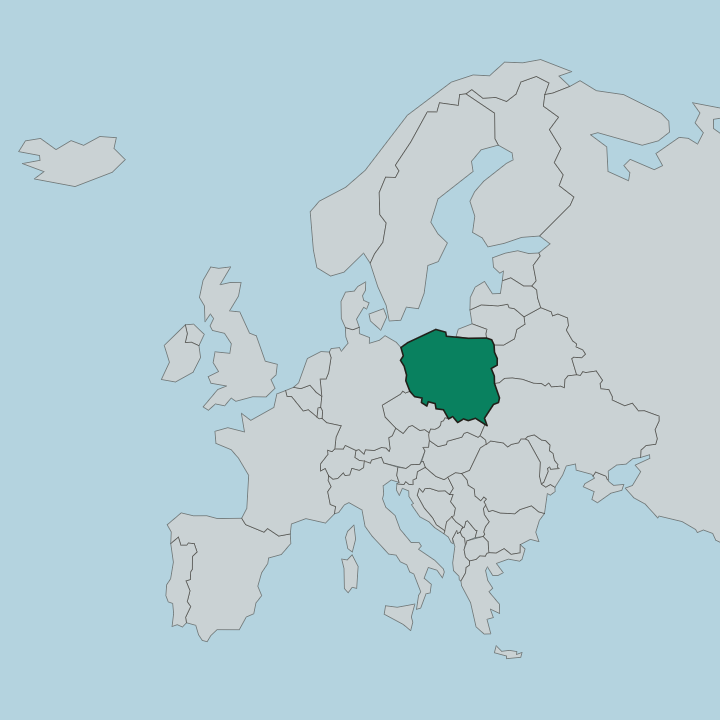
Kuyavian-Pomeranian Voivodeship spans mid-northern Poland along the Vistula, sharing two capitals: Gothic Toruń and larger Bydgoszcz.
Hotel links are affiliate links: booking through them may earn us a commission, at no extra cost to you. It never affects how places are ranked. How this works


Towns & cities in Kuyavian-Pomeranian Voivodeship
Pick a town or city — each links to where to stay.
 Poland
Bydgoszcz
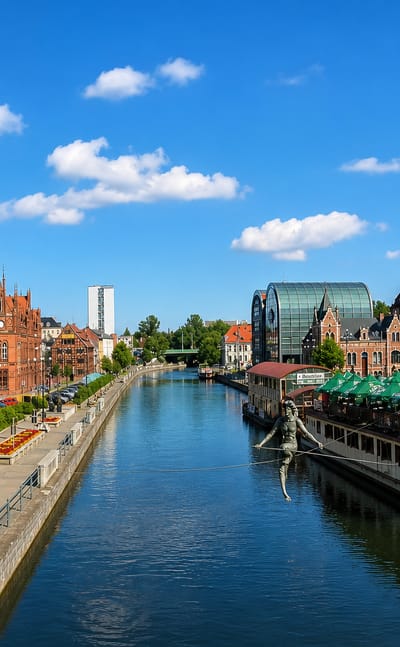
The Brda runs through the heart of Bydgoszcz in northern Poland, an old inland port in Kuyavia lined with nineteenth-century houses along its banks.Where to stay →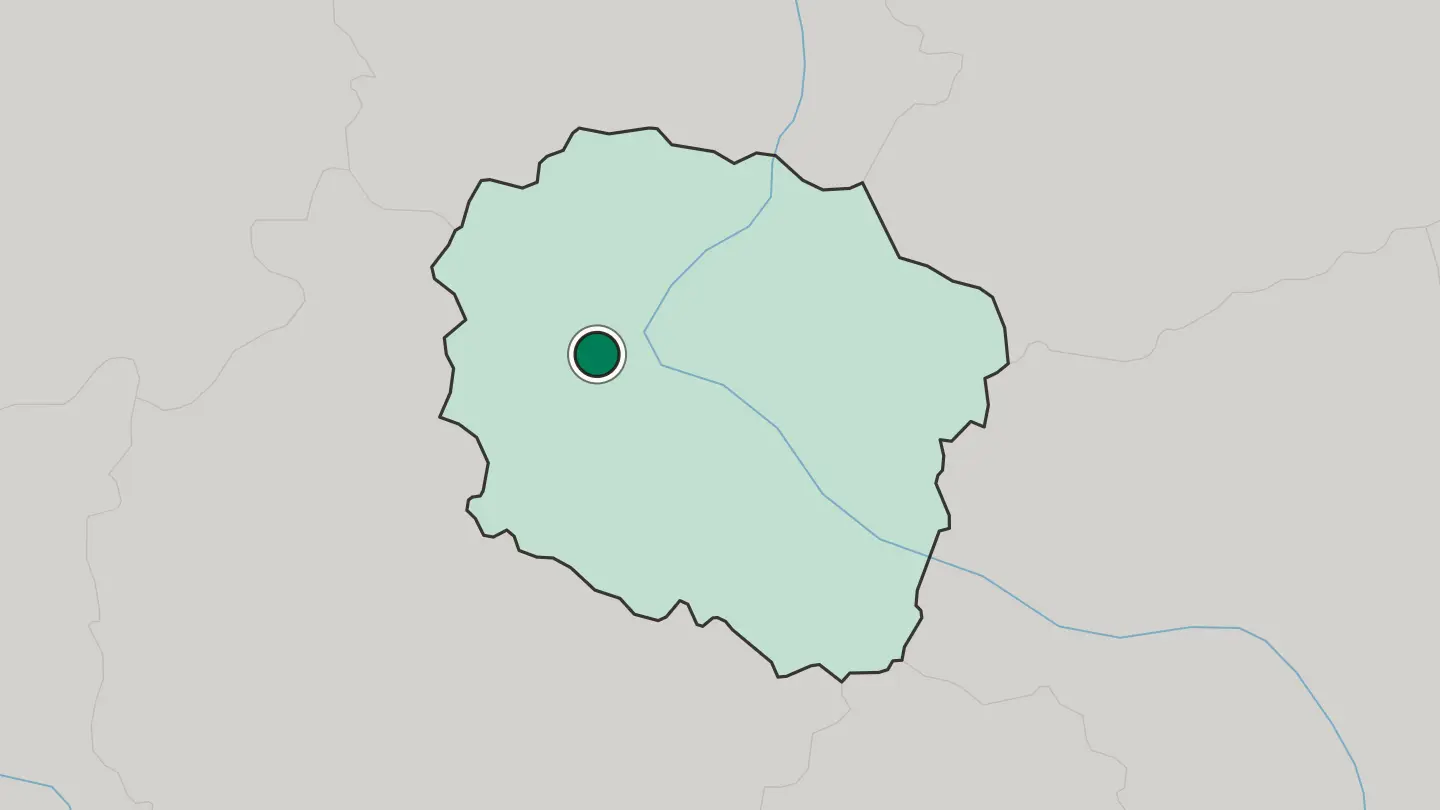
 Poland
Toruń
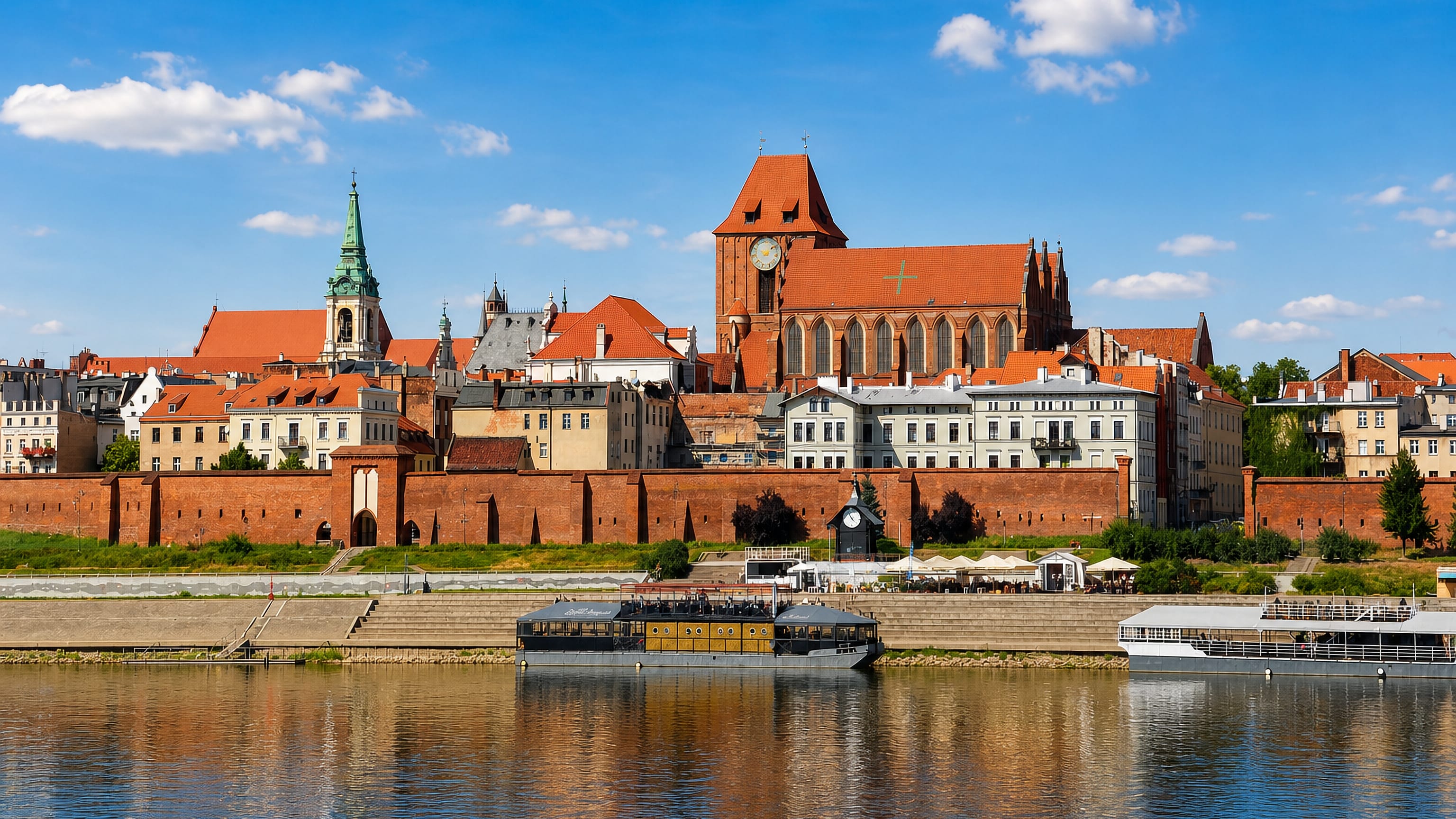
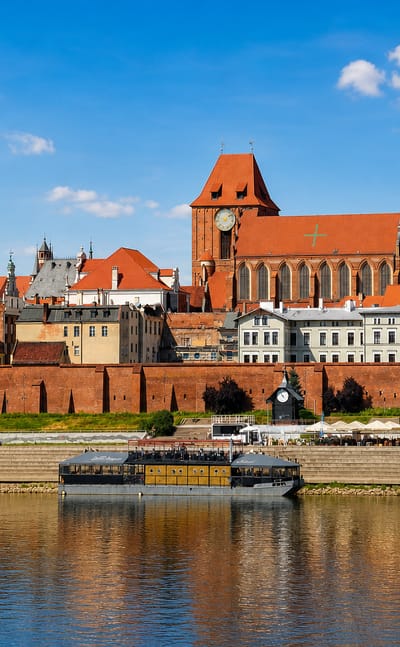
Gothic brick towers rise over the Vistula at Toruń in north-central Poland, a walled UNESCO old town and the birthplace of Nicolaus Copernicus.Where to stay →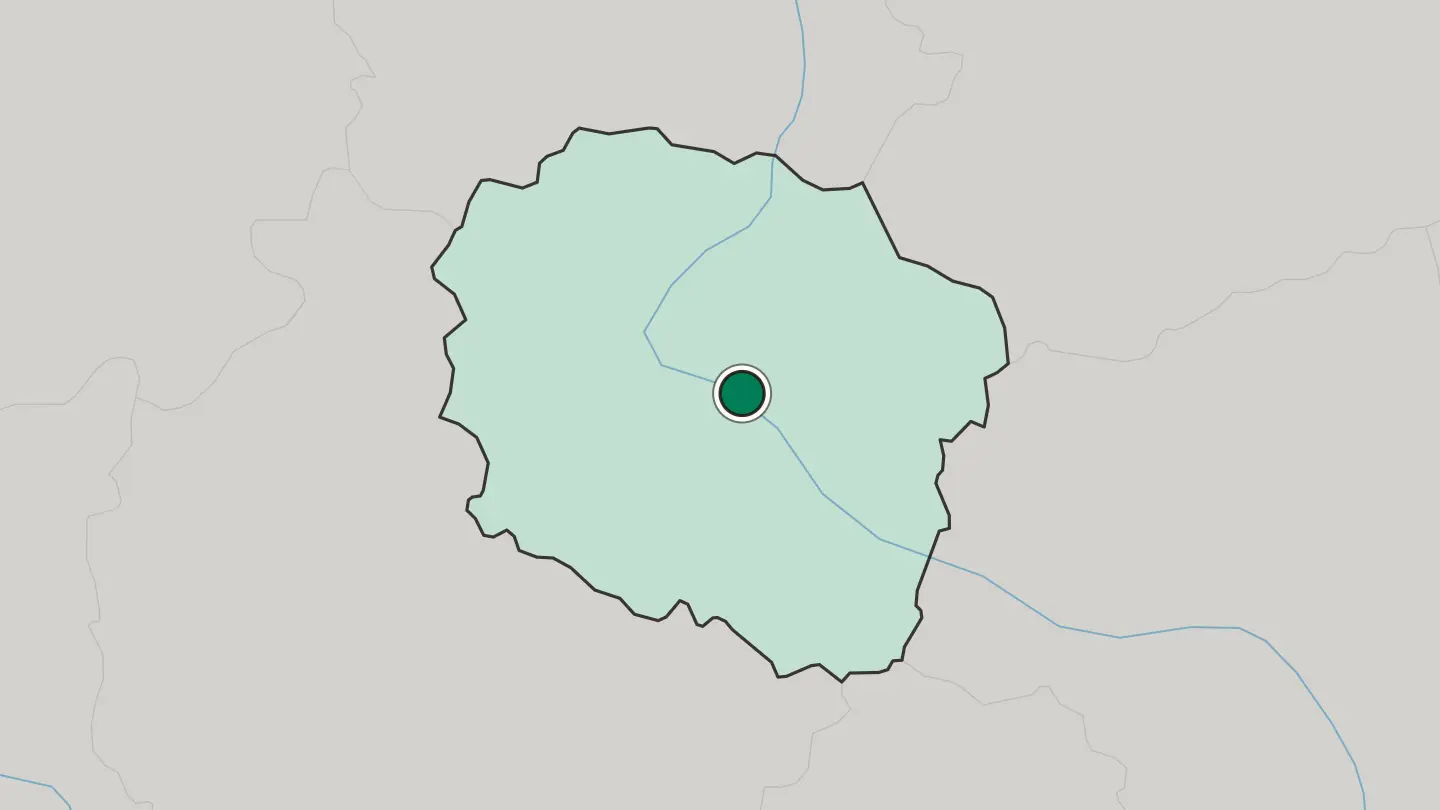
 Poland
Włocławek
Włocławek is an old cathedral city of central Poland, a town on the Vistula in Kuyavia, famous for its Gothic cathedral and its painted pottery.Where to stay →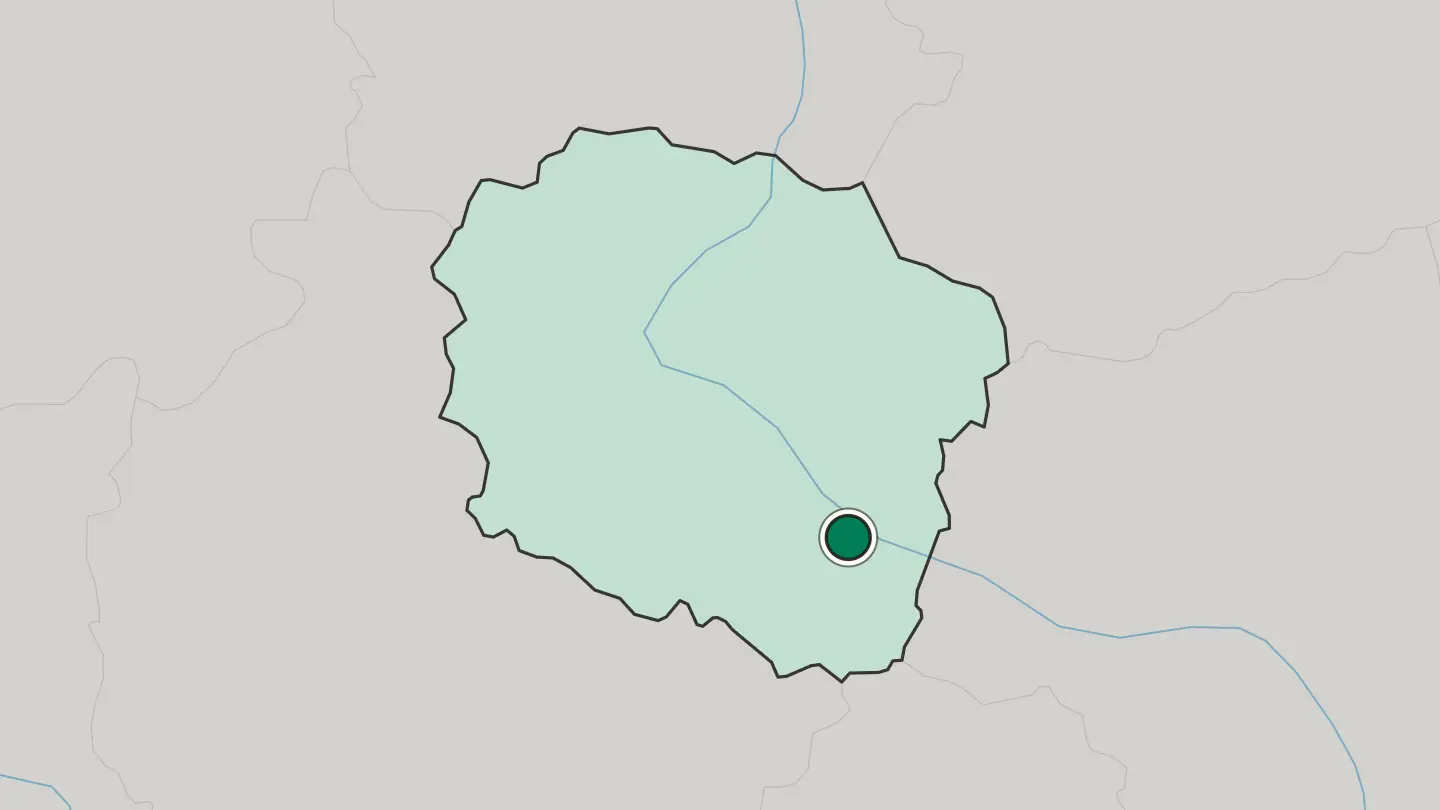
 Poland
Grudziądz
Grudziądz is an old town on the Vistula in northern Poland, famed for the great wall of medieval granaries that lines its river front.Where to stay →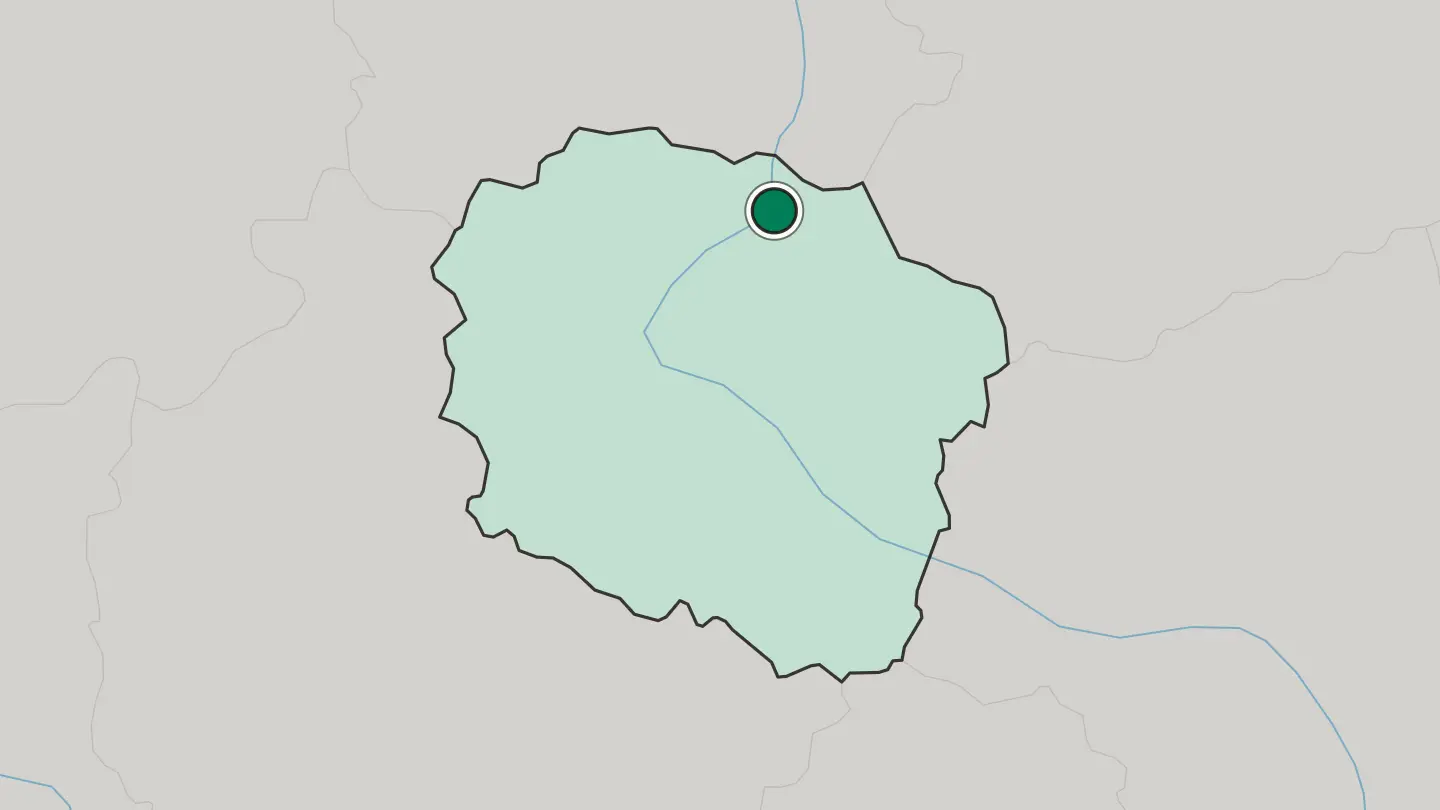 Poland
Inowrocław
Inowrocław, on record since 1120, is one of the principal towns of Kuyavia, holding seven churches and a ruined castle within a compact plan.Where to stay →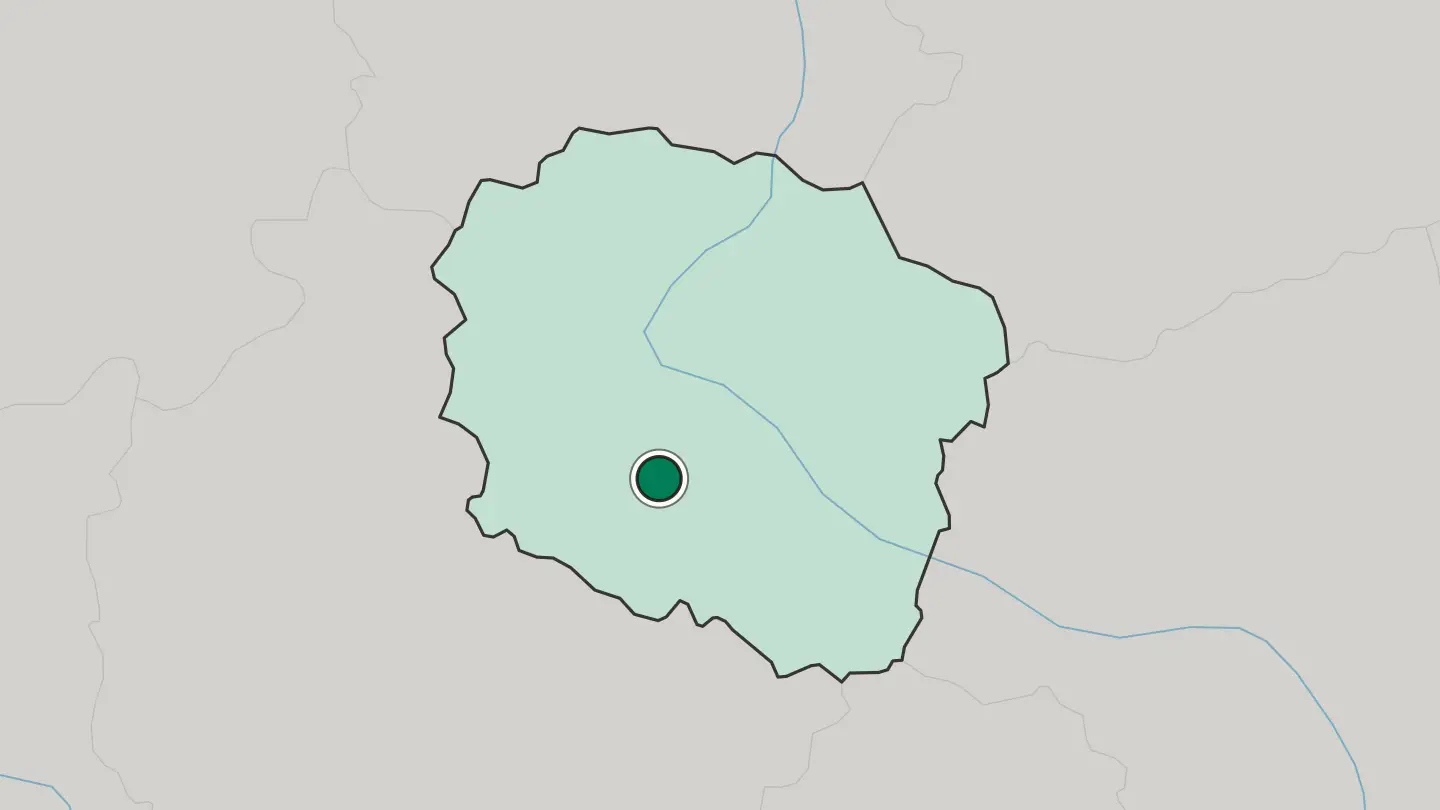
Hotel links are affiliate links: booking through them may earn us a commission, at no extra cost to you. It never affects how places are ranked. How this works
About Kuyavian-Pomeranian Voivodeship
What is Kuyavian-Pomeranian Voivodeship known for?
Toruń carries the region's fame. Its medieval old town, built in Gothic brick and threaded with narrow streets, entered the UNESCO World Heritage List in 1997 and gave the world the astronomer Nicolaus Copernicus. Toruń also bakes the gingerbread that Poland associates with the city.
Bydgoszcz, the larger of the two capitals, sits where the Brda joins the Vistula and shows off Art Nouveau facades along its granaries. Copernicus was born here.
Where is Kuyavian-Pomeranian Voivodeship?
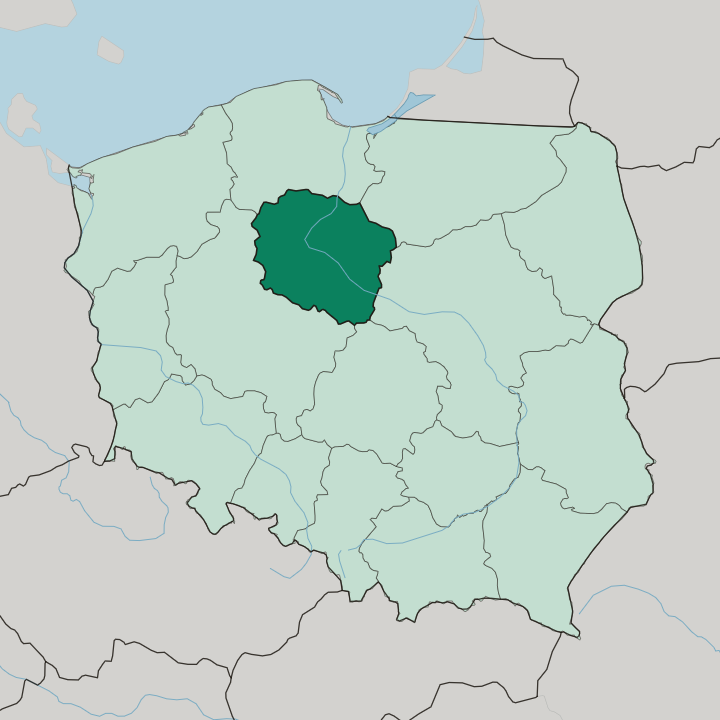
Kuyavian-Pomeranian Voivodeship occupies mid-northern Poland, straddling the boundary between two historic lands that lend it their names. Kuyavia lies to the south. Pomerania stretches away toward the north.
The Vistula, Poland's longest river, cuts through the province on its way from the mountains to the Baltic, and Toruń, Bydgoszcz, and the spa town of Ciechocinek all grew up on or near its banks. Five other voivodeships wrap around it: Pomeranian to the north, Warmian-Masurian to the north-east, Masovian to the east, Łódź across a short line to the south, and Greater Poland to the south and west. The land itself is low and glacial.
Flat farm plains of Kuyavia give way to lake belts, pine forests, and the winding valleys of the Brda, the Drwęca, and the Noteć. The Brda meets the Vistula at Bydgoszcz, where an old canal links the Vistula basin westward to the Noteć and the Warta beyond. None of the terrain rises far.
This is a province of rivers and level ground rather than hills.
What is Kuyavian-Pomeranian Voivodeship like?
The province wears its dual identity openly. Its very name joins Kuyavia and Pomerania, two lands with distinct pasts, and its two capitals split the roles of government between them rather than crown a single seat. Bydgoszcz holds the governor; Toruń holds the regional assembly.
That balance runs through daily life, and neither city concedes the top billing to the other. Toruń is the cultural heart. The birthplace of Nicolaus Copernicus keeps his memory in a house-museum, a planetarium, and a university that bears his name, while its bakeries still press the spiced gingerbread the town has sold for centuries.
Bydgoszcz answers with music. Its opera on the Brda and a busy concert life give the larger city a stage. Polish is the everyday language across the whole voivodeship.
Beyond the two cities, village churches, wooden manor houses, and the salt-cure traditions of Ciechocinek fill out a culture rooted in the river plains.
What is the history of Kuyavian-Pomeranian Voivodeship?
The province is new. It was drawn up in 1999 from the earlier Bydgoszcz, Toruń, and Włocławek voivodeships, joining the historic regions of Kuyavia and Pomerania under one administration. Long before that, the Teutonic Knights raised brick castles and walled towns along the Vistula, and Toruń grew rich on the river's grain trade as a member of the Hanseatic League.
Copernicus was born into that trading city in 1473. Chełmno and Grudziądz still keep their medieval walls.
What is the climate of Kuyavian-Pomeranian Voivodeship?
The weather is transitional and changeable. Sitting inland between maritime and continental air, the province sees warm summers along the Vistula and cold, sometimes snowy winters that freeze the smaller lakes. Kuyavia counts among the driest corners of Poland, its flat plains shielded from much of the rain that falls further north.
Spring and autumn turn mild over the river valleys. Pack for shifting skies.
How do you get to Kuyavian-Pomeranian Voivodeship?
For most, the rail line into Bydgoszcz and Toruń is the way in. Bydgoszcz sits on the main line running north from Warsaw toward Gdańsk and the Baltic coast, and Toruń lies a short hop east of it, so either capital is reachable in a few hours from the country's larger hubs. Bydgoszcz keeps a small regional airport for the handful of flights that serve the province directly.
Roads follow the Vistula and old canal. From within Poland, the drive up from Warsaw or Poznań is straightforward.
Good for
More regions in Poland
Updated September 2026