Poland · Kuyavian-Pomeranian Voivodeship
Where to Stay in Włocławek, Kuyavian-Pomeranian Voivodeship
Włocławek is an old cathedral city of central Poland, a town on the Vistula in Kuyavia, famous for its Gothic cathedral and its painted pottery.
Hotel links are affiliate links: booking through them may earn us a commission, at no extra cost to you. It never affects how places are ranked. How this works


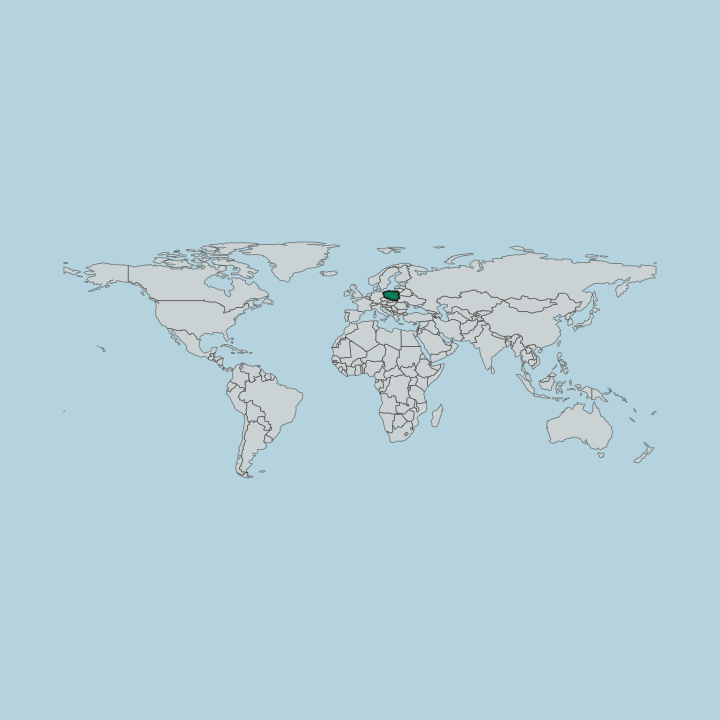
Where to stay in Włocławek
How the choice of base plays out on the ground.
Where you stay in Włocławek turns on the old town or the river. The streets around the cathedral keep the market square, the museums, and the churches within a walk, and staying downtown suits anyone here for the old city. Spires rise over the roofs.
The river runs close by. Out along the Vistula and the boulevard, the town gives way to the riverside walks, the green banks, and the quiet plains. A room by the river trades the streets for the wide Vistula, the willow banks, and the long views over the water.
The plains run flat and green. Stay downtown for the cathedral, or by the river for the walks. The centre sits just a few streets back from the Vistula.
Find hotels in Włocławek
Direct booking searches for these neighbourhoods.
The old town
Around the cathedralFind hotels in The old townStays wanting the Vistula walksThe riverside
Along the river boulevardFind hotels in The riversideHotel links are affiliate links: booking through them may earn us a commission, at no extra cost to you. It never affects how places are ranked. How this works
Things to do in Włocławek
Ranked by global recognition; descriptions from Wikidata (CC0).
Museums & Galleries
1- Diocesan Museum in Włocławek
Churches & Religious Sites
6- Basilica Cathedral of St. Mary of the Assumption Heritage
- All Saints church in Włocławek Heritage
- St. Vitalis Church in Włocławek Heritage
- Saint John the Baptist church in Włocławek Heritage
- Saint Stanislaus church in Włocławek Heritage
Show 1 more →
- Lutheran church in Włocławek Heritage
Castles & Historic Sites
3- Monument to the Fallen of the Polish-Soviet War in Włocławek Heritage
- Pomnik Żołnierza Polskiego we Włocławku
- Stanisław Bechi monument in Włocławek
Stadiums & Sports
1- Hala Mistrzów
Landmarks & Notable Places
1- 12 Królewiecka Street in Włocławek Heritage
worth knowingacross 5 categories in Włocławek
About Włocławek
Włocławek is the cathedral city of the Vistula.
What is Włocławek known for?
On the great river in the plains of Kuyavia in central Poland, it has been a bishop's seat for eight centuries, and it keeps its tall brick Gothic cathedral above the water, the old market square and townhouses, the painted faience pottery that made its name, and the wide Vistula flowing past below. The river runs broad and slow. The flat plains reach the sky.
What are the main landmarks in Włocławek?
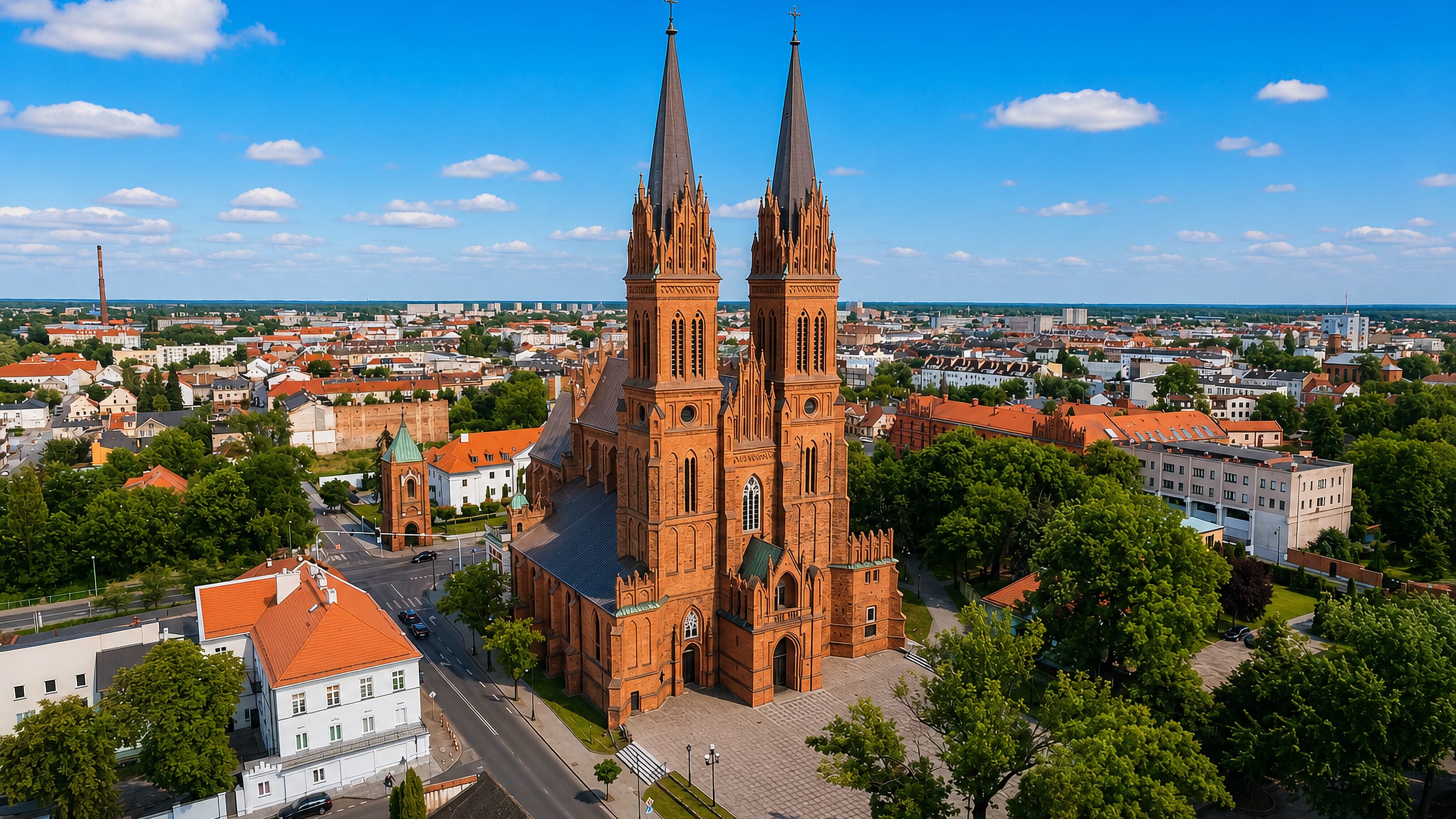
The cathedral is the glory of Włocławek. The tall brick Gothic church of Saint Mary, its twin spires rising over the river, stands by the old town, the emblem of the city, on the Vistula. Bright pottery fills the shops.
The painted faience of Włocławek, flowered in blue and white, is sold through the town, while the old market square, the ethnographic museum, and the river boulevard mark the country around Włocławek.
What is the history of Włocławek?
Włocławek grew as a bishop's town. Eight hundred years ago it became the seat of a bishop on the Vistula, and a great brick cathedral rose over the river, one of the oldest of its kind in the land. The river made it rich.
On the Vistula the town grew as a grain port, loading the corn of Kuyavia onto barges bound downstream for the sea. Crafts and mills came later. In time the town became known for its painted faience, the folk pottery of bright flowers that carried its name across Poland, and factories rose along the river.
The cathedral kept its watch. Through wars and changing rulers the tall Gothic church stood on above the water, and Włocławek held to its faith, its river trade, and its pottery, growing into a busy town of Kuyavia. The old spires still rise by the Vistula.
Włocławek keeps its cathedral and its river in the heart of Kuyavia.
Where is Włocławek?
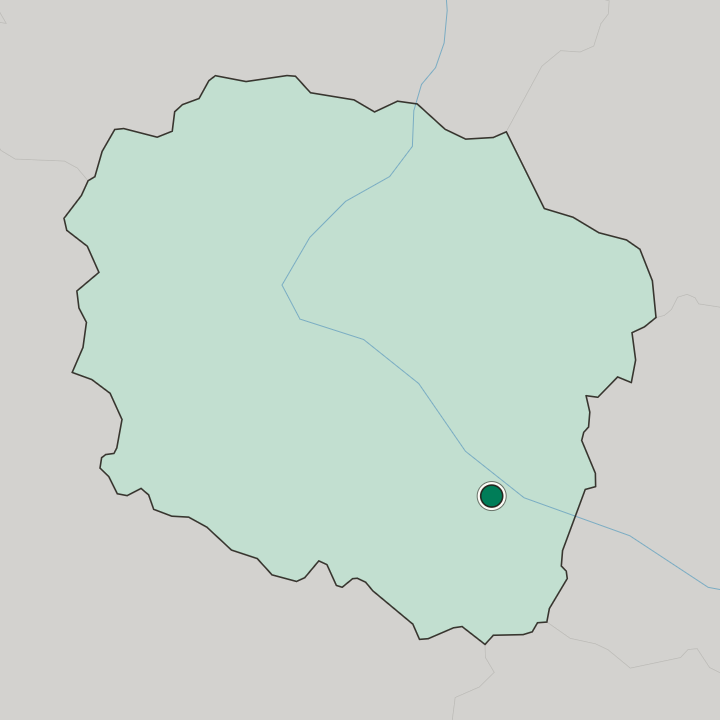
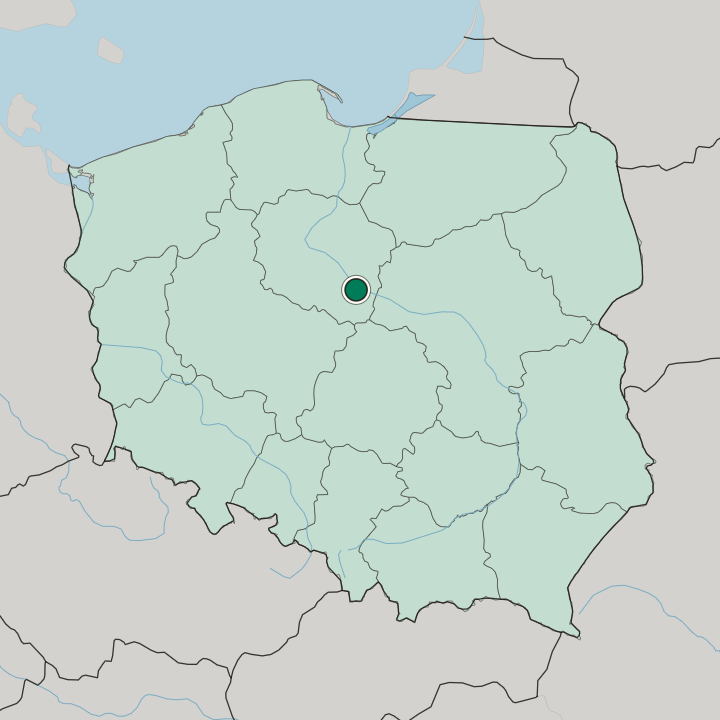
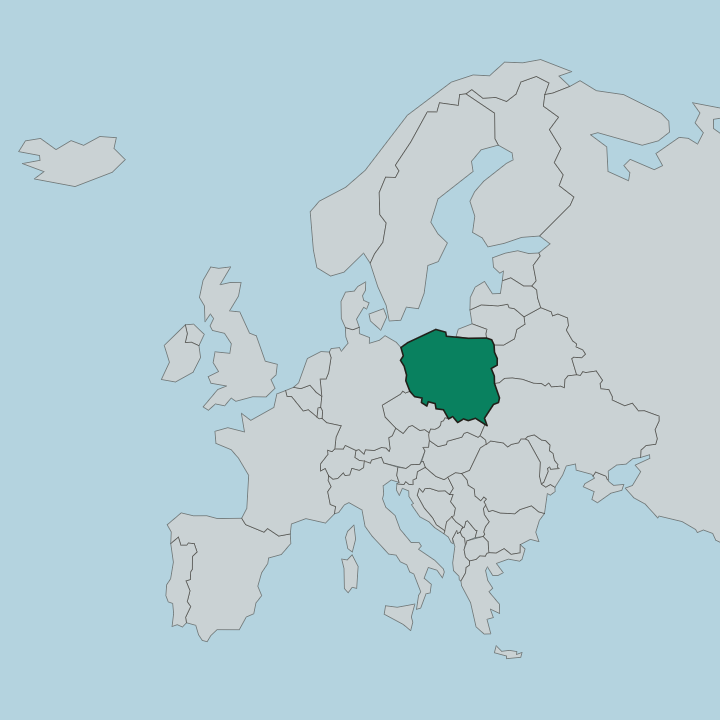
Włocławek lies in central Poland, on the lower Vistula in the flat land of Kuyavia. The town spreads along the left bank of the great river where it bends north toward the sea, on low plains of field and meadow, with a dam and reservoir upstream and level farmland all around. The broad river slides past.
Flat fields run to the edge.
What is the climate of Włocławek?
Włocławek has a cool, damp temperate climate. Warm summers and cold snowy winters cross the plains, with mild rainy summers and hard frost and snow in the winter months. The winter turns grey and cold.
Summer brings soft green days.
How do you get to Włocławek?
Włocławek lies in central Poland, on the Vistula between Toruń and Warsaw. Roads and rail run to it along the river and down from the capital, and the highway passes close by. Barges once worked the river.
Warsaw lies southeast by road.
Common questions
What is the best area to stay in Włocławek?
The old town: Visitors here for the cathedral and market square. The riverside: Stays wanting the Vistula walks.
Good for
More cities in Kuyavian-Pomeranian Voivodeship
Updated October 2026