Poland · Kuyavian-Pomeranian Voivodeship
Where to Stay in Toruń, Kuyavian-Pomeranian Voivodeship
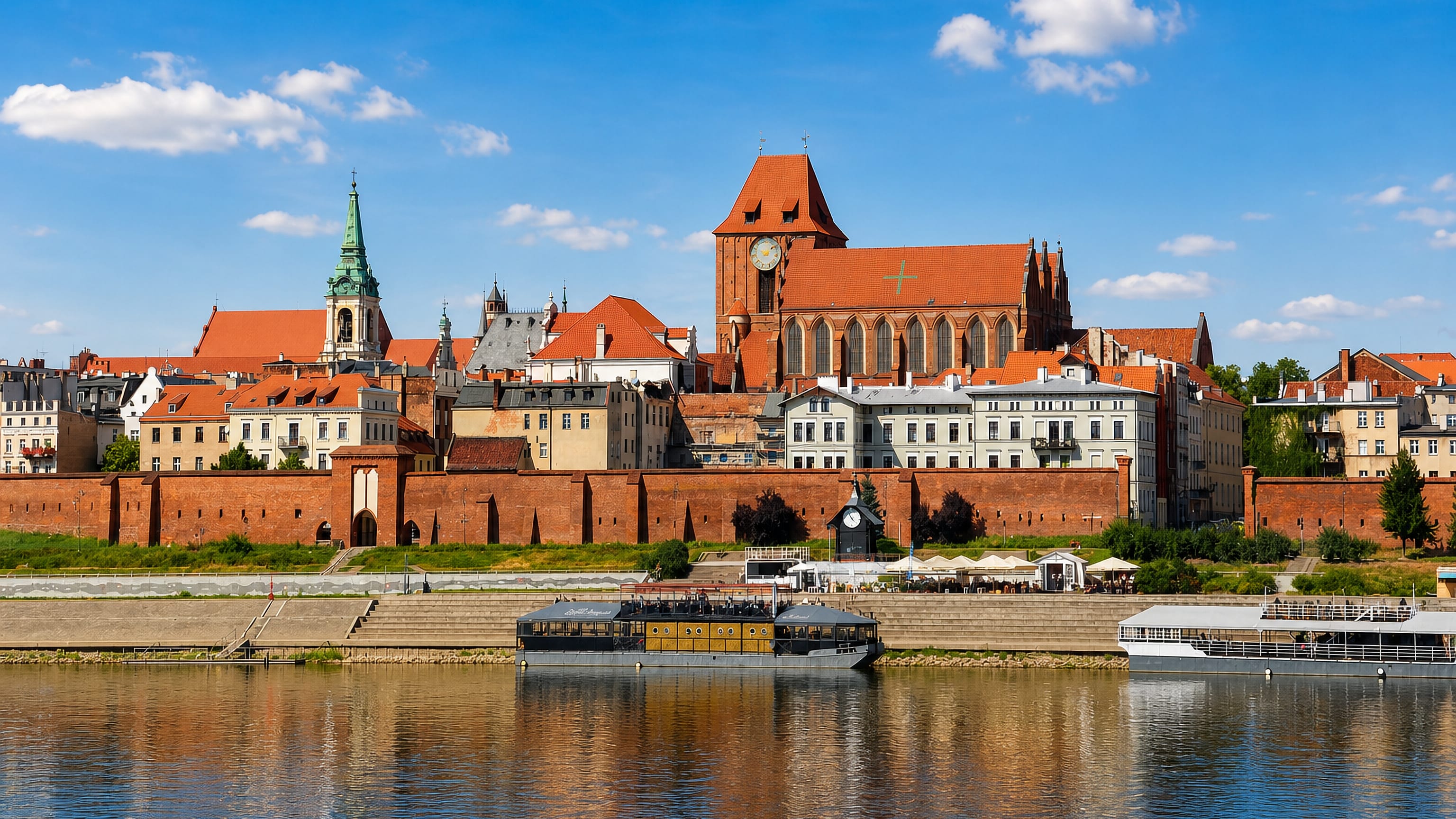
Gothic brick towers rise over the Vistula at Toruń in north-central Poland, a walled UNESCO old town and the birthplace of Nicolaus Copernicus.
Hotel links are affiliate links: booking through them may earn us a commission, at no extra cost to you. It never affects how places are ranked. How this works


Where to stay in Toruń
Where visitors usually base themselves, and why.
Toruń keeps most of its beds inside the walled old town above the Vistula, in north-central Poland. The walls hold the rooms. Around the Artus Court and the market, the Gothic streets gather hotels within reach of Toruń Cathedral and the Copernicus house, and travellers who come for the medieval town tend to settle here first.
The old town comes first. Down along the river, the quarter by the walls offers a quieter base. The Vistula runs below.
Under the Bridge Gate and the Crane Tower, the riverside streets hold lodgings a little apart from the busy market, often at a lower cost than rooms in the heart of the old town. Room rates fall the farther you move from the walls. Out beyond the walls, the wider districts of Toruń spread cheaper rooms across the Kuyavian-Pomeranian Voivodeship, linked back to the market square by bus and the bridges over the Vistula.
Things to do in Toruń
Ranked by global recognition; descriptions from Wikidata (CC0).
Museums & Galleries
3- Tony Halik Explorers’ Museum Heritage
- District Museum in Toruń
- Muzeum Twierdzy Toruń
Churches & Religious Sites
5- Toruń Cathedral Heritage
- Church of the Assumption of Our Lady in Toruń Heritage
- Church of Saint James the Greater Heritage
- Church of the Holy Trinity in Toruń Heritage
- Providence of God church in Toruń Heritage
Castles & Historic Sites
3- Toruń Castle Heritage
- Dybów Castle Heritage
- Dąmbski Palace in Toruń Heritage
Stadiums & Sports
1- Kujawsko-Pomorska Arena Toruń
Landmarks & Notable Places
3- Leaning Tower of Toruń Heritage
- Artus Court in Toruń Heritage
- House Under the Star in Toruń Heritage
worth knowingacross 5 categories in Toruń
About Toruń
What is Toruń known for?
Toruń is known as a Gothic town on the Vistula in the Kuyavian-Pomeranian Voivodeship, north-central Poland. Its old town survived the wars. The brick streets escaped the bombing, and their Gothic churches and merchant houses stand as a UNESCO World Heritage Site, gathered around Toruń Cathedral, the Leaning Tower of Toruń, and the house where Nicolaus Copernicus was born, while the city's gingerbread has been baked here for centuries.
Toruń is one of the two capitals of its voivodeship.
What are the main landmarks in Toruń?
Toruń gathers its landmarks inside the walled old town above the Vistula. The Gothic core holds them. Toruń Cathedral and the Church of Saint James the Greater rise over the streets, the Leaning Tower of Toruń and the Convent Gate stand by the walls, the Artus Court fronts the market, and the Copernicus house and the Muzeum Piernika keep the story of the astronomer and the city's gingerbread.
What is the history of Toruń?
Toruń grew on the Vistula in north-central Poland, a town chartered in 1233 under the Teutonic Order. The river made it a port. Rising on the trade road that followed the Vistula, the town joined the Hanseatic network, and its merchants raised the Gothic churches, granaries, and gabled houses that still fill the old town.
Wealth came with the grain and the river. It became a walled brick city. The Teutonic knights held Toruń Castle above the water until the townspeople rose against the order, and the town later passed to the Polish crown.
Nicolaus Copernicus was born in one of its houses. Held in turn by the powers that ruled a shifting region, Toruń kept its Gothic core through each change, its walls and gates and churches standing where the bombing of later wars never reached. The medieval town came through whole.
Its Gothic streets were named a UNESCO World Heritage Site, and Toruń remains one of the two capitals of the Kuyavian-Pomeranian Voivodeship, its brick towers still rising over the Vistula.
Where is Toruń?
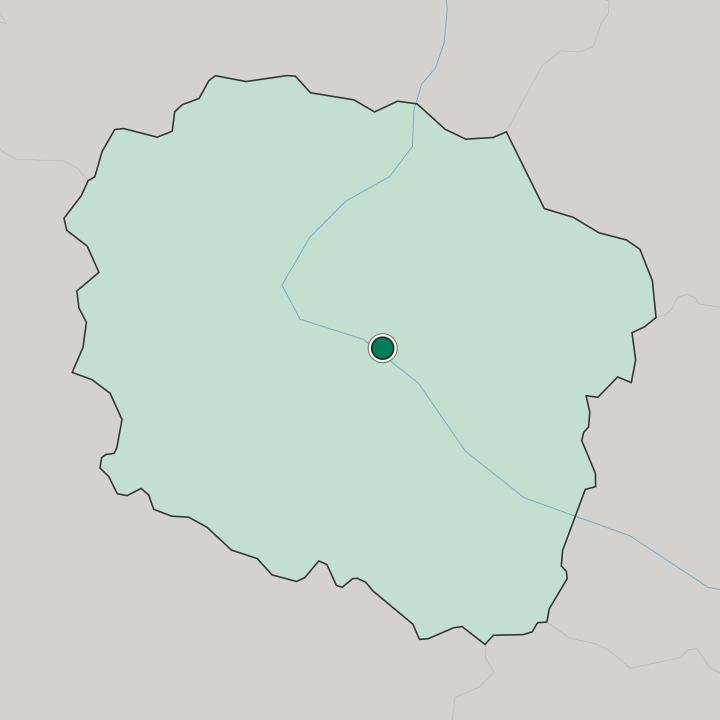
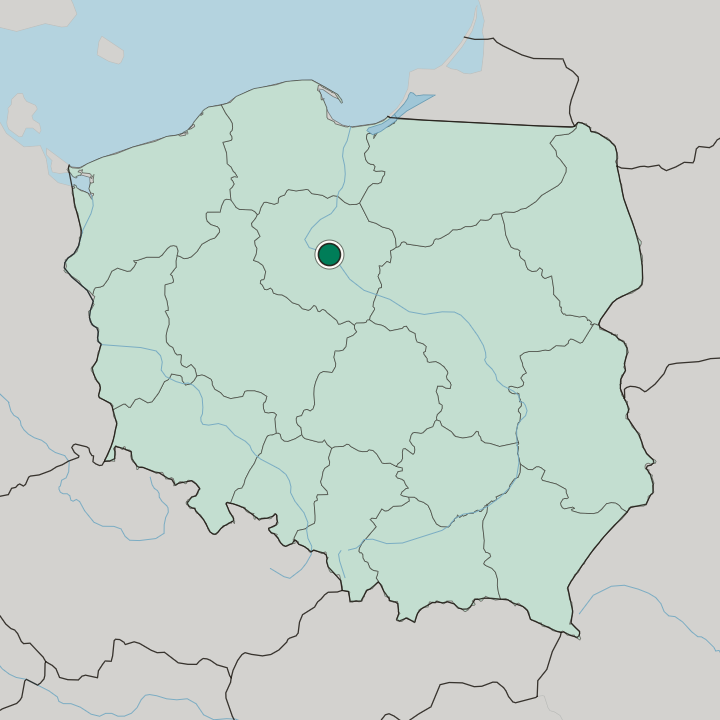
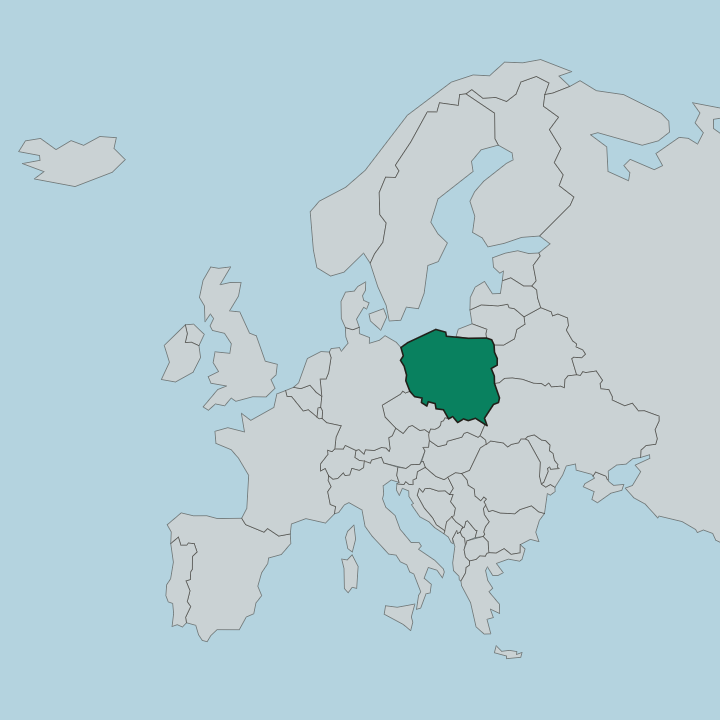
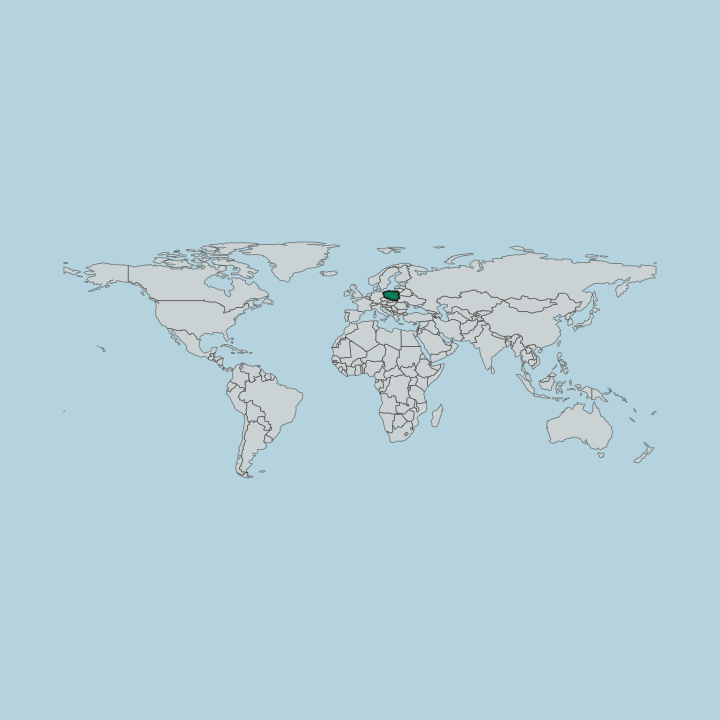
Toruń lies on the Vistula in the Kuyavian-Pomeranian Voivodeship, in north-central Poland. The river bends past the walls. Standing on the right bank where the Vistula turns through the lowlands, Toruń spreads from the walled old town down to the water and out across the river by its bridges, the greater city rising on the higher ground above the floodplain.
What is the climate of Toruń?
Toruń has a temperate climate on the Vistula in north-central Poland. The seasons turn plainly. Cold grey winters settle over the walls and the river, and warm summers follow across the old town, the low inland ground along the Vistula giving Toruń steady, moderate weather through much of the year.
How do you get to Toruń?
Toruń is reached by rail and by road from across Poland. The bridges carry the way in. Trains run into the city near the old town, and roads lead in through the Kuyavian-Pomeranian Voivodeship and over the Vistula toward the walls and the market square at the heart of Toruń, close to the twin city of Bydgoszcz.
Good for
More cities in Kuyavian-Pomeranian Voivodeship
Updated October 2026