Poland · Lesser Poland Voivodeship
Where to Stay in Tarnów, Lesser Poland Voivodeship
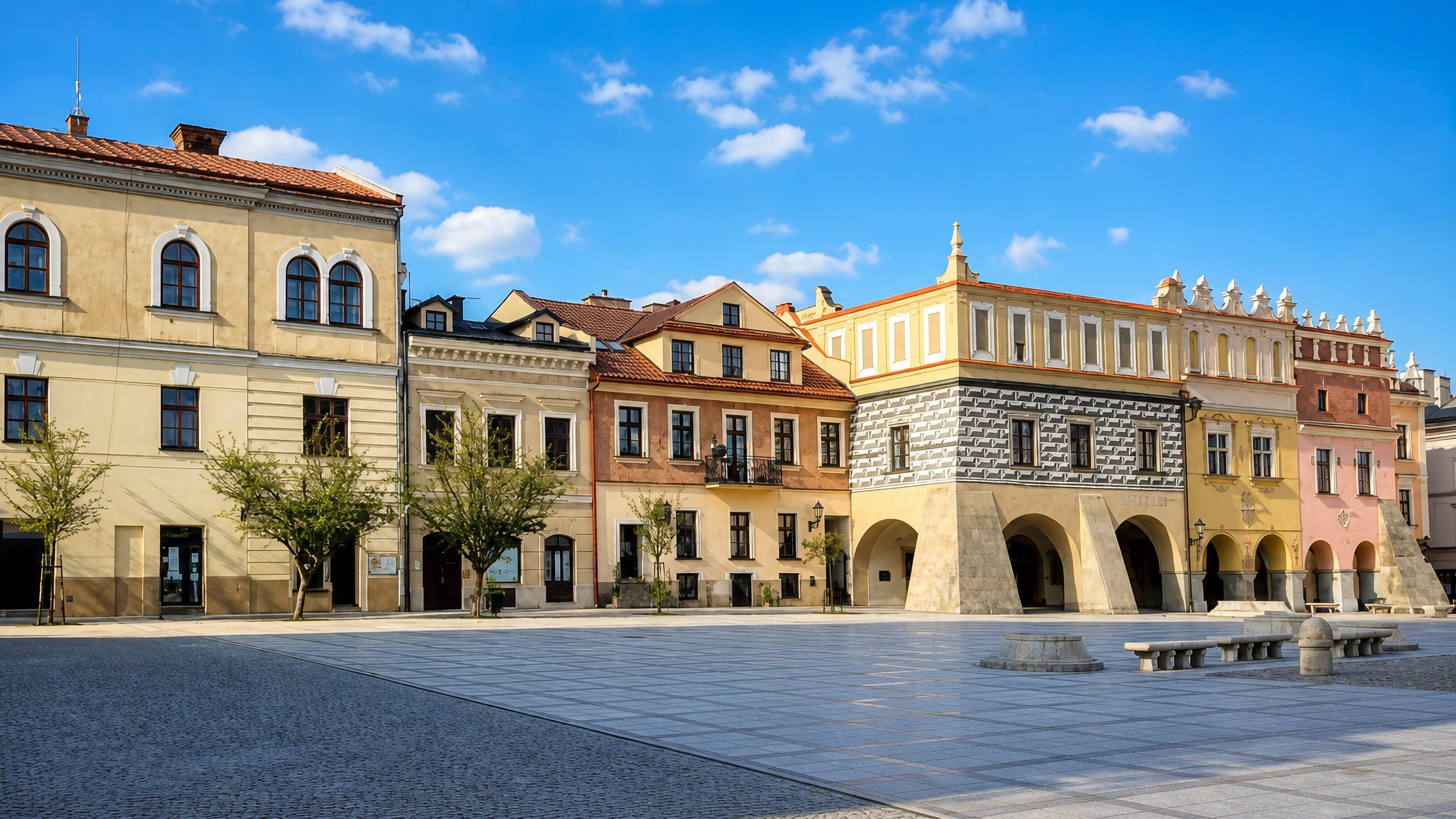
Tarnów is a Renaissance city in Lesser Poland, its arcaded market square earning it the name of the pearl of the Polish Renaissance.
Hotel links are affiliate links: booking through them may earn us a commission, at no extra cost to you. It never affects how places are ranked. How this works


Where to stay in Tarnów
Where the beds are, and what that means for the visit.
Lodging in Tarnów sorts itself around the old town. The streets around the market square keep the town hall, the cathedral, and the museums within a walk, and staying in the centre suits anyone here for the Renaissance city. The square glows under lamps at night.
Rooms sit in the old houses near the arcades. Out toward the newer districts and the park, the town spreads into quieter, greener streets. A room away from the centre trades the square for parking, space, and a walk in Strzelecki Park by the Bem mausoleum.
The hills roll green past the edge. If you want the square and the cathedral, stay in the centre; if you want the park and the quiet, take a room outside. Neither base leaves the Renaissance square far behind.
Find hotels in Tarnów
Direct booking searches for these neighbourhoods.
The old town
Around the market square and the Cathedral Basilica, within a walk of the arcadesFind hotels in The old townStays wanting parks and quietNewer districts and park
Toward Strzelecki Park and the General Joseph Bem Mausoleum, with green space and easy parkingFind hotels in Newer districts and parkHotel links are affiliate links: booking through them may earn us a commission, at no extra cost to you. It never affects how places are ranked. How this works
Things to do in Tarnów
Ranked by global recognition; descriptions from Wikidata (CC0).
Churches & Religious Sites
8- Cathedral Basilica of the Nativity of the Blessed Virgin Mary, Tarnów Heritage
- Church of the Holy Family in Tarnów Heritage
- Church of the Assumption in Tarnów Heritage
- Our Lady of the Snow church in Tarnów Heritage
- Church of the Exaltation of the Holy Cross in Tarnow Heritage
Show 3 more →
- Church of St. Martin in Zawada Heritage
- Holy Trinity church in Tarnów Heritage
- Holy Cross and Our Lady of Perpetual Help church in Tarnów Heritage
Castles & Historic Sites
2- Memorial to Auschwitz Prisoners in Tarnów
- Kazimierz Brodziński Monument in Tarnów
Nature & Outdoors
1- Strzelecki Park in Tarnow, Poland Heritage
Landmarks & Notable Places
3- Mikołajowski House in Tarnów Heritage
- Florentine House in Tarnów Heritage
- 5 Market Square in Tarnów
worth knowingacross 4 categories in Tarnów
About Tarnów
Tarnów is called the pearl of the Polish Renaissance.
What is Tarnów known for?
Its old market square keeps an arcaded Renaissance town hall and rows of fine burgher houses, and the tall Cathedral Basilica rises over the streets nearby. General Józef Bem, a hero of two nations, was born in the town. Renaissance grace marks the place.
What are the main landmarks in Tarnów?
The market square is the heart of Tarnów. Its arcaded Renaissance town hall and rows of old houses make the finest square in the region, the great sight of the city, and the Cathedral Basilica rises close by. Grand tombs fill the cathedral.
The Renaissance monuments of the Tarnowski lords line its walls, while the Diocesan Museum and the General Joseph Bem Mausoleum keep the town's memory.
What is the history of Tarnów?
Tarnów was founded by a great noble house. The Tarnowski family raised the town in the fourteenth century on the trade road east, and under their rule it grew rich and built the arcaded market square and the Cathedral Basilica that still crown the hill. The lords lie in splendour.
Their grand Renaissance tombs fill the cathedral, among the finest in all of Poland. Many peoples made the town their home. Poles, Jews, and Roma lived together in Tarnów for centuries, and a great synagogue and a lively market filled the streets before the last war.
War brought terrible loss. In 1940 the first transport of prisoners to Auschwitz set out from Tarnów, and the town's large Jewish community was destroyed, remembered now in stone and memorial. The old square survived the storm.
The Renaissance heart of Tarnów still stands as its lords built it.
Where is Tarnów?
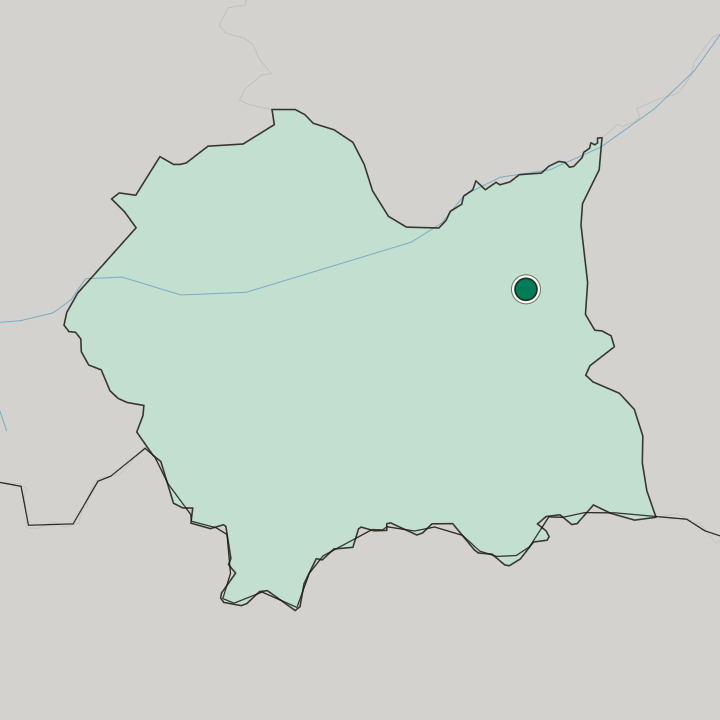
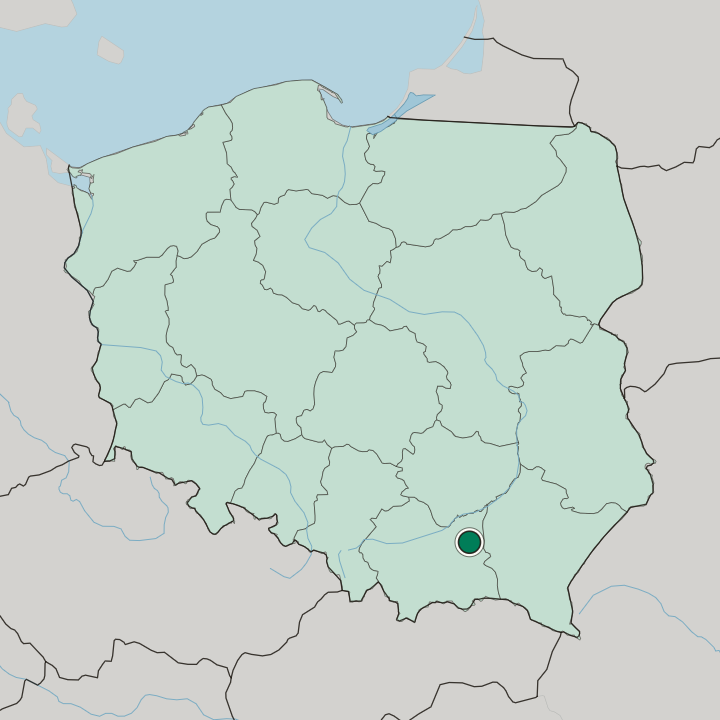
Tarnów lies on the edge of the Carpathian foothills. The city spreads over gentle hills in eastern Lesser Poland, where the plains of the Vistula basin rise toward the mountains to the south. Green ridges roll away below the town.
The Biała river runs down through the valley.
What is the climate of Tarnów?
Tarnów has one of the warmest climates in Poland. Long, mild summers ripen the fields of the sheltered basin, and the winters stay shorter and softer than in the north, though snow still falls on the hills. Warm foehn winds spill down from the Carpathians.
The valley basks in a gentle south.
How do you get to Tarnów?
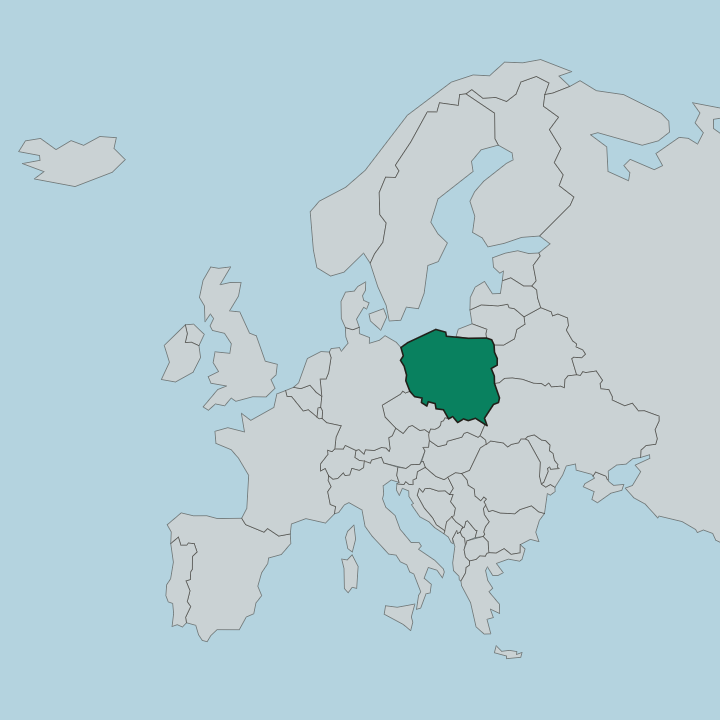
Tarnów lies east of Kraków in southern Poland. Trains and the motorway run to it from the great city in about an hour, and roads climb south into the Carpathians. Buses reach the mountain villages around.
Most arrive by road or rail from Kraków.
Common questions
What is the best area to stay in Tarnów?
The old town: Visitors here for the square, cathedral, and museums. Newer districts and park: Stays wanting parks and quiet.
Good for
More cities in Lesser Poland Voivodeship
Updated October 2026