Poland · Lesser Poland Voivodeship
Where to Stay in Kraków, Lesser Poland Voivodeship
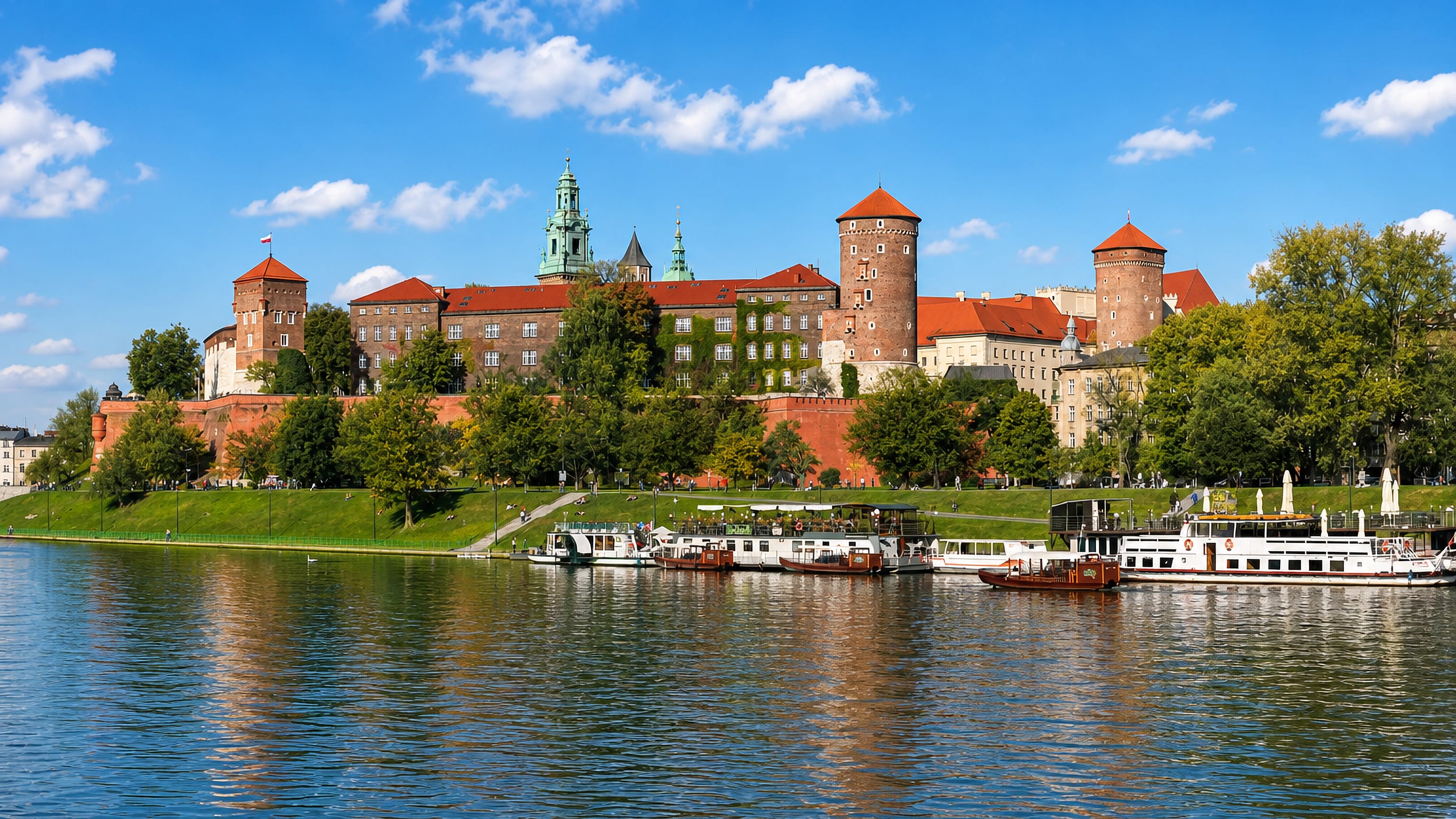
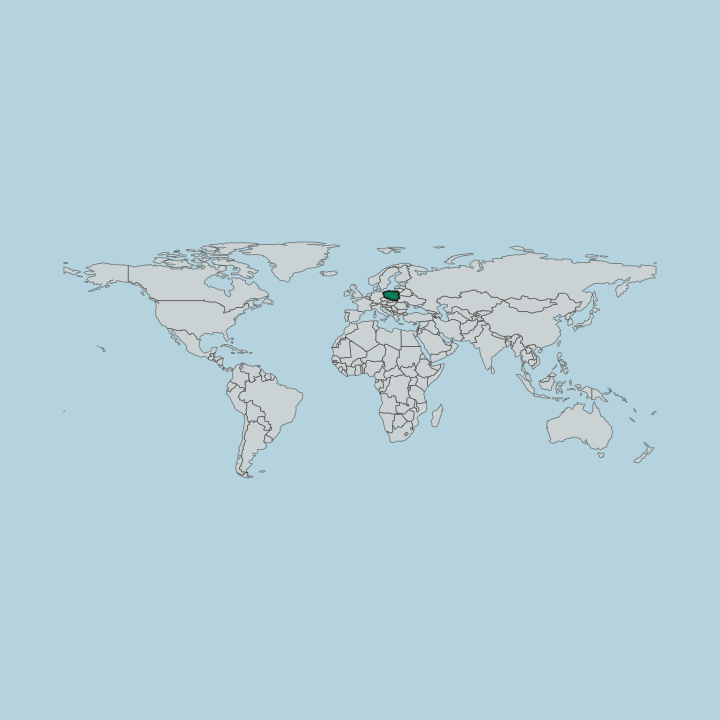
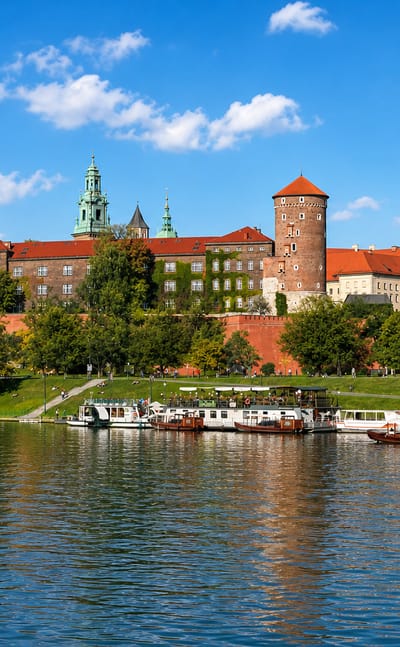
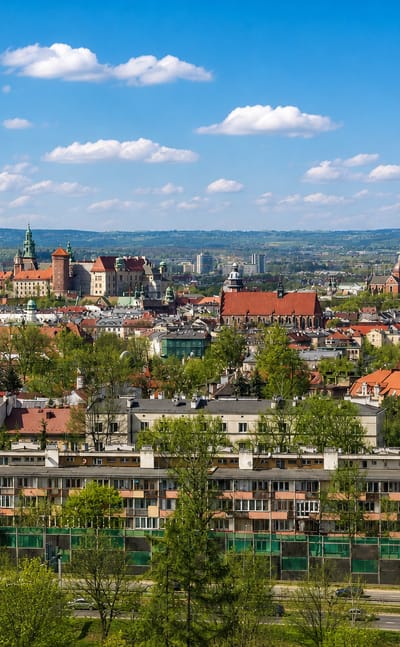
Kraków rises above the Vistula around the royal hill of Wawel, a medieval city in southern Poland known for its walled Old Town.
Hotel links are affiliate links: booking through them may earn us a commission, at no extra cost to you. It never affects how places are ranked. How this works


Where to stay in Kraków
Each area has its own feel; here's who each one suits.
 KrakówPoland
Old Town
Old Town is the medieval core of Kraków, ringed by Planty Park and crowned by the Wawel hill above the Vistula.Old Town →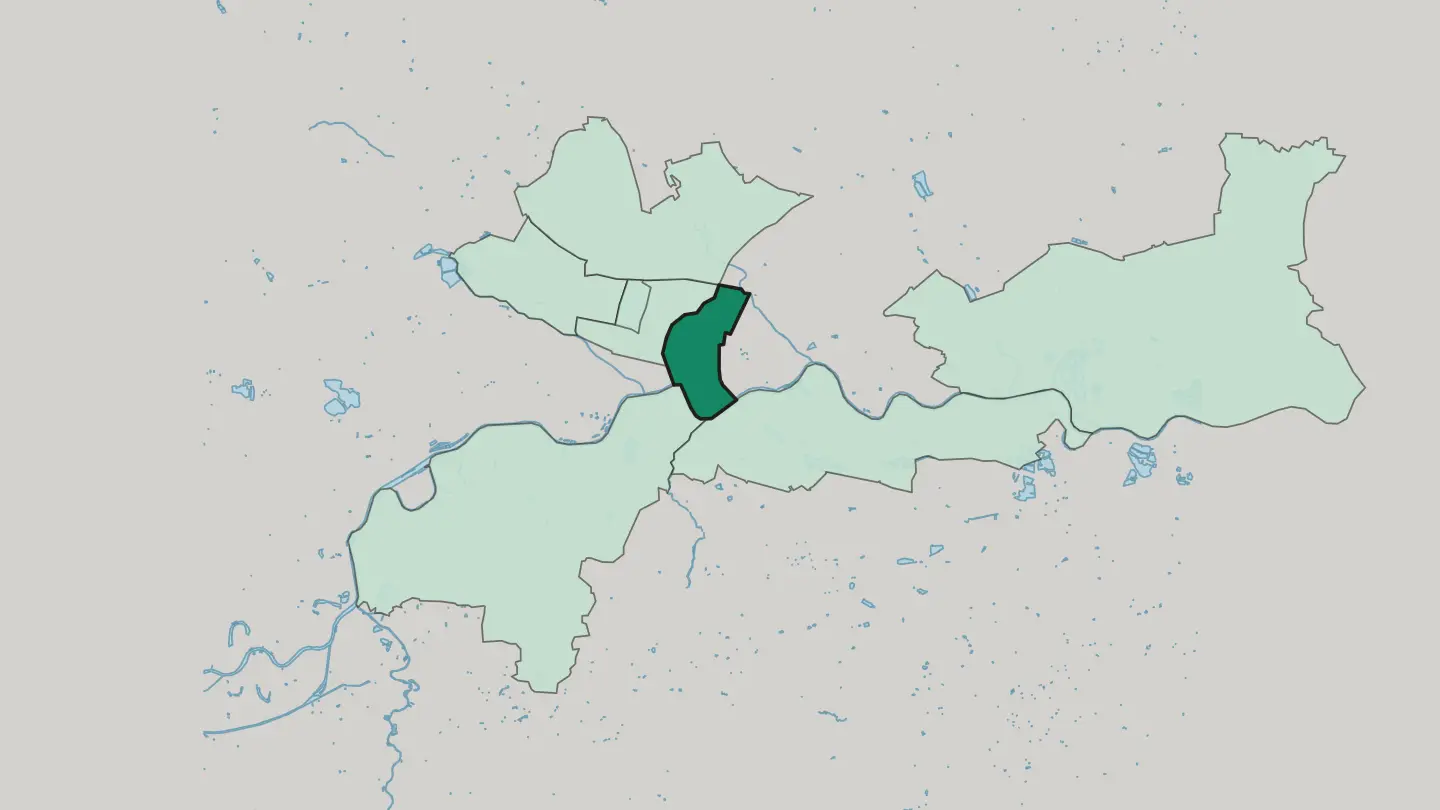
 KrakówPoland
Stradom
Stradom is an area of Kraków in Dzielnica I Stare Miasto, once the southern suburb of the city, first mentioned in 1378.Stradom →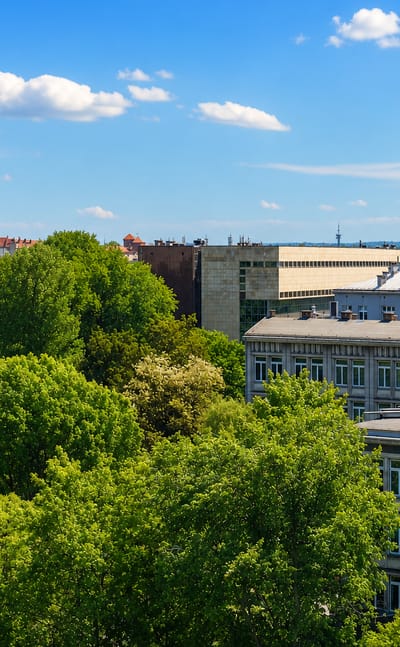 KrakówPoland
Krowodrza
Krowodrza is one of the eighteen districts of Kraków, in the western part of the city, named after a former village of the same name.Krowodrza →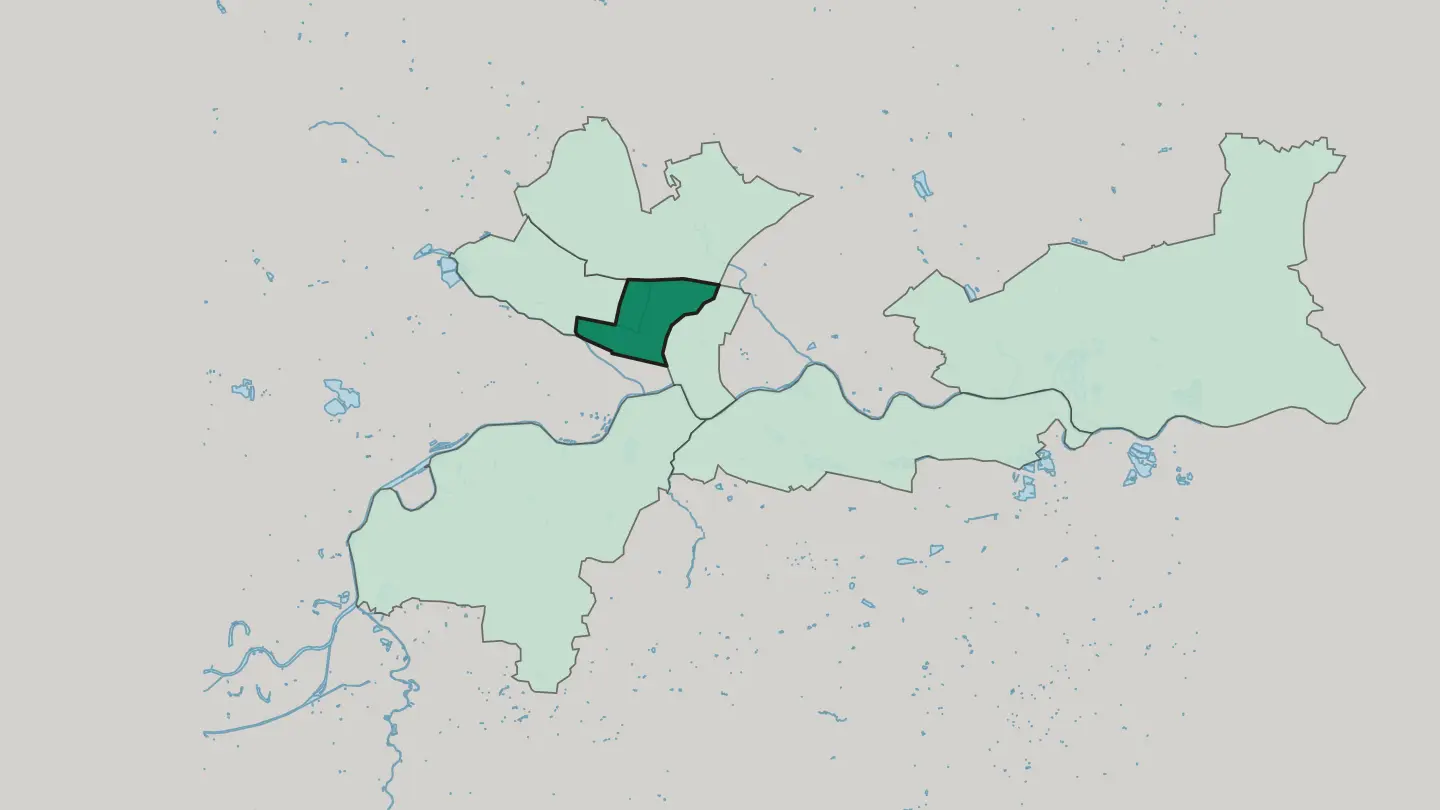
 KrakówPoland
Podgórze
Podgórze is a district of Kraków on the southern bank of the Vistula River, below Lasota Hill.Podgórze →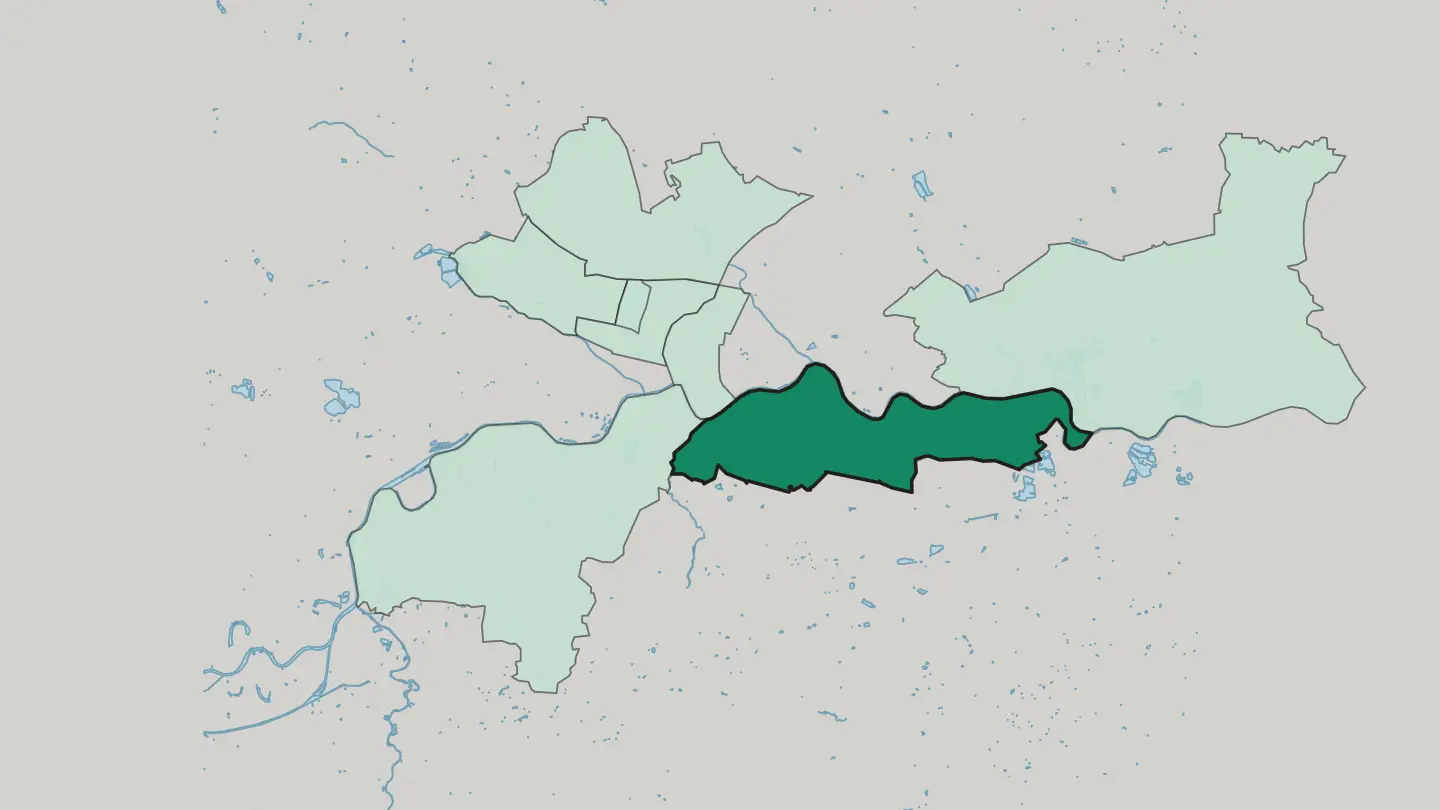 KrakówPoland
Łobzów
Łobzów is a residential neighbourhood of Kraków, Poland, built around the former royal palace of Łobzów.Łobzów →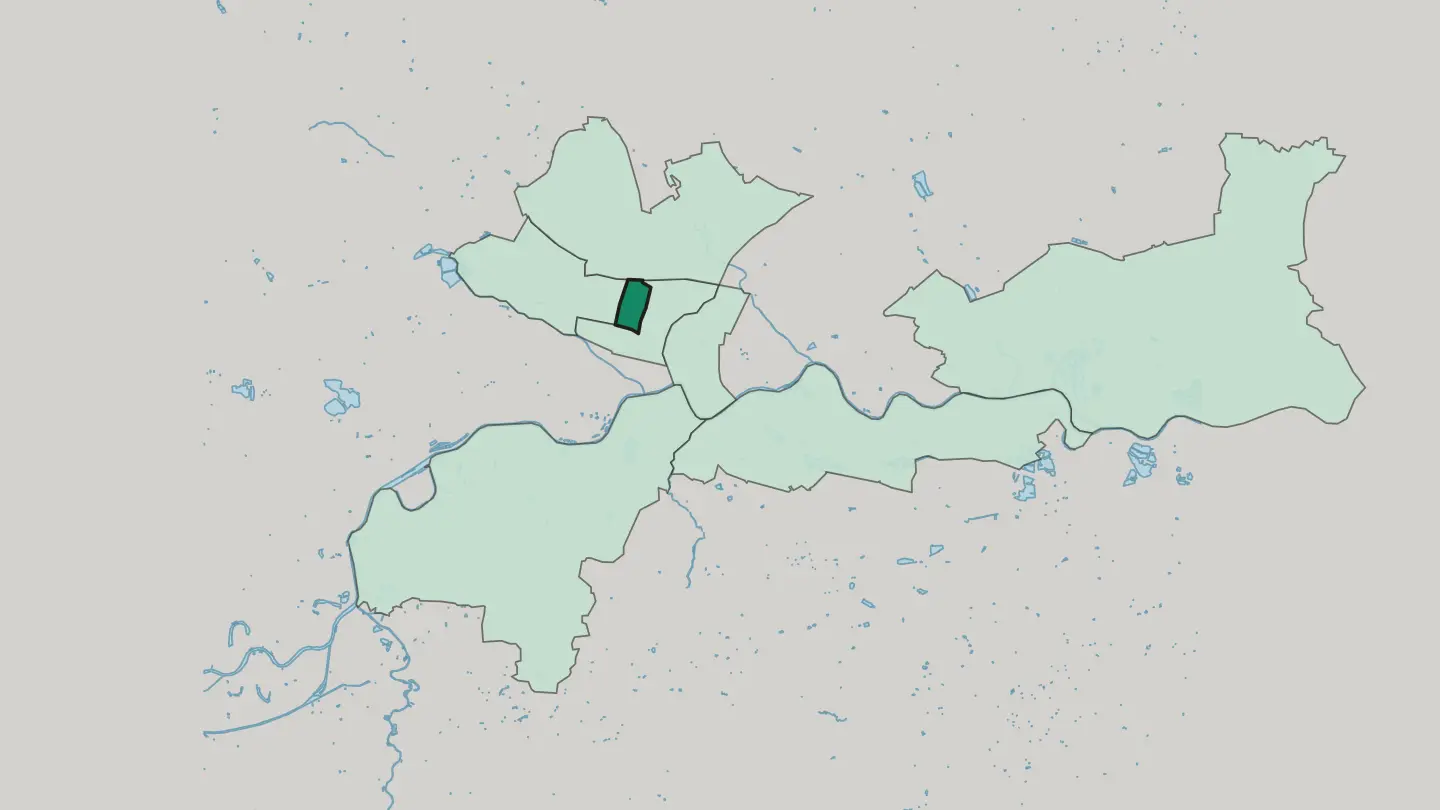
 KrakówPoland
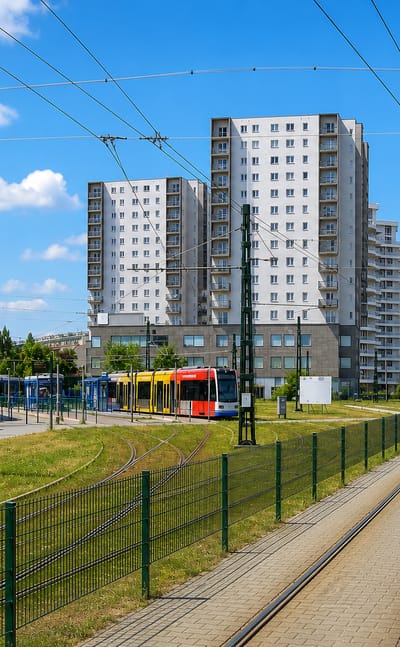
Prądnik Biały
Prądnik Biały is a residential district on the northern edge of Kraków, Poland, named for the Prądnik stream that threads its valley.Prądnik Biały →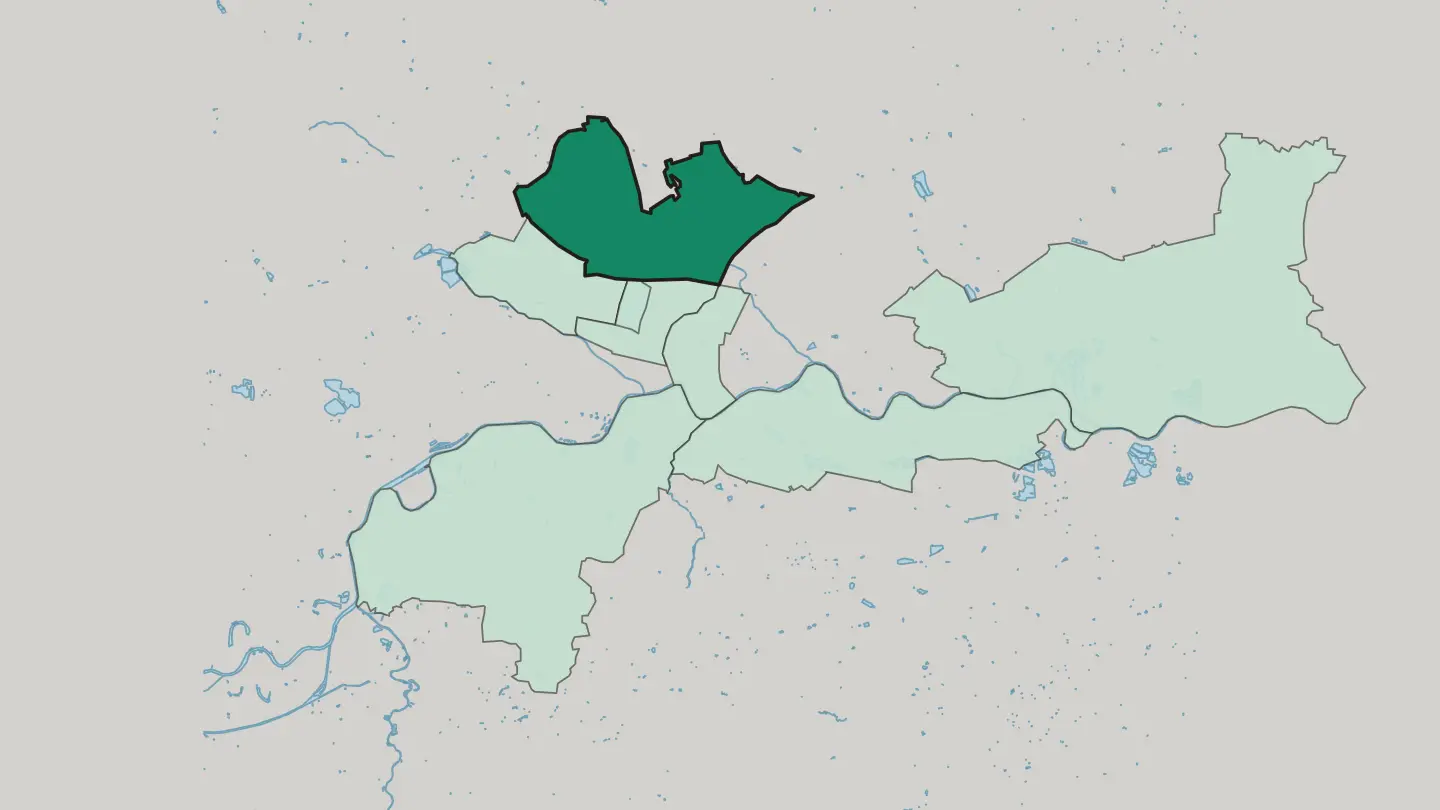
 KrakówPoland
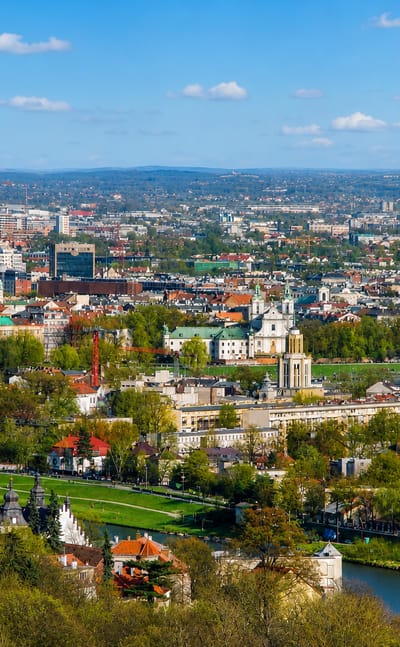
Dębniki
Dębniki is a southern district of Kraków on the Vistula, facing the Old Town beneath the Kościuszko Mound.Dębniki →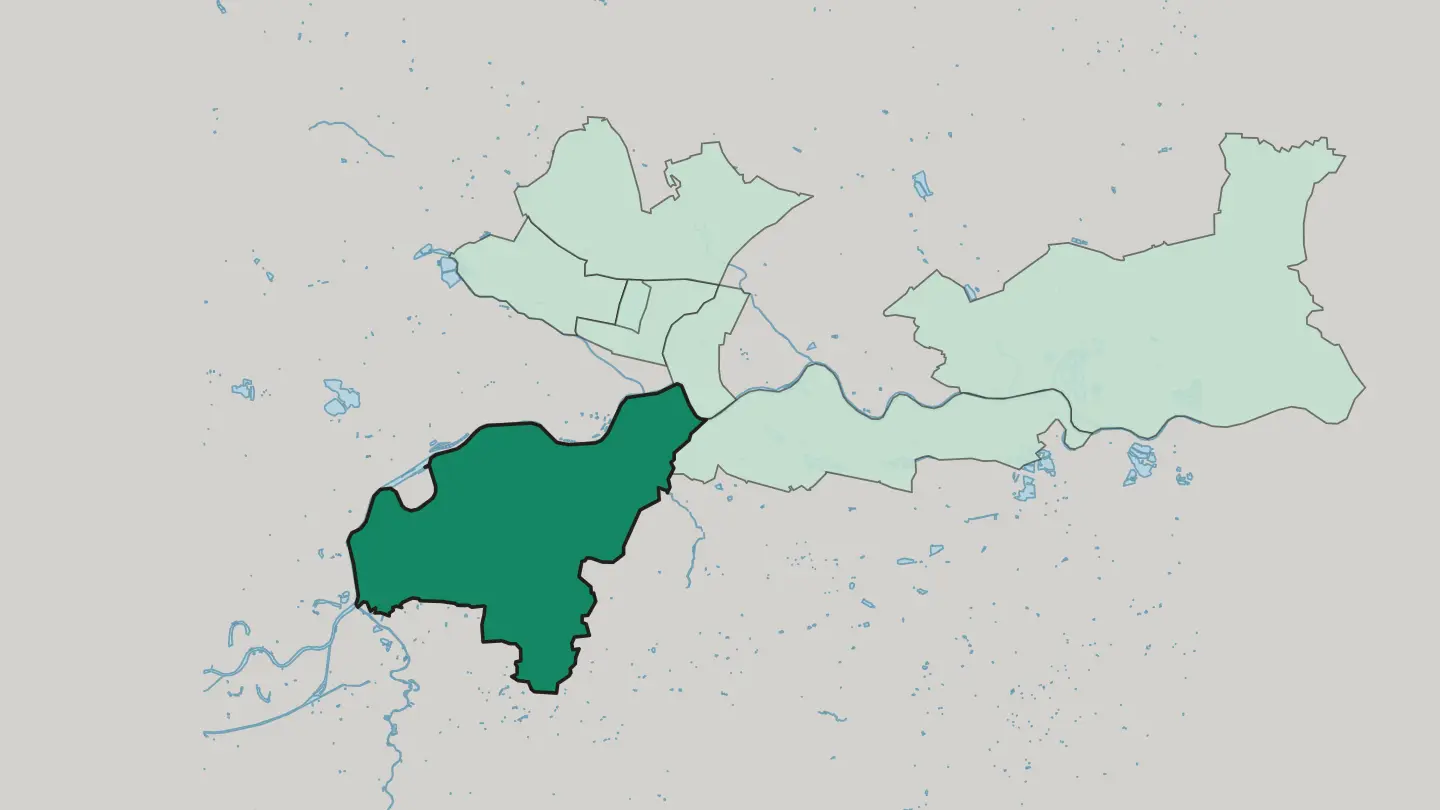
 KrakówPoland
Bronowice
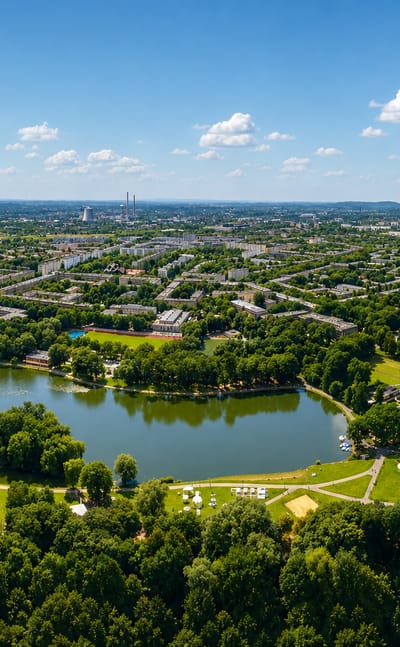
Bronowice is a north-western district of Kraków, known for the Rydlówka Museum and its village-rooted lanes.Bronowice →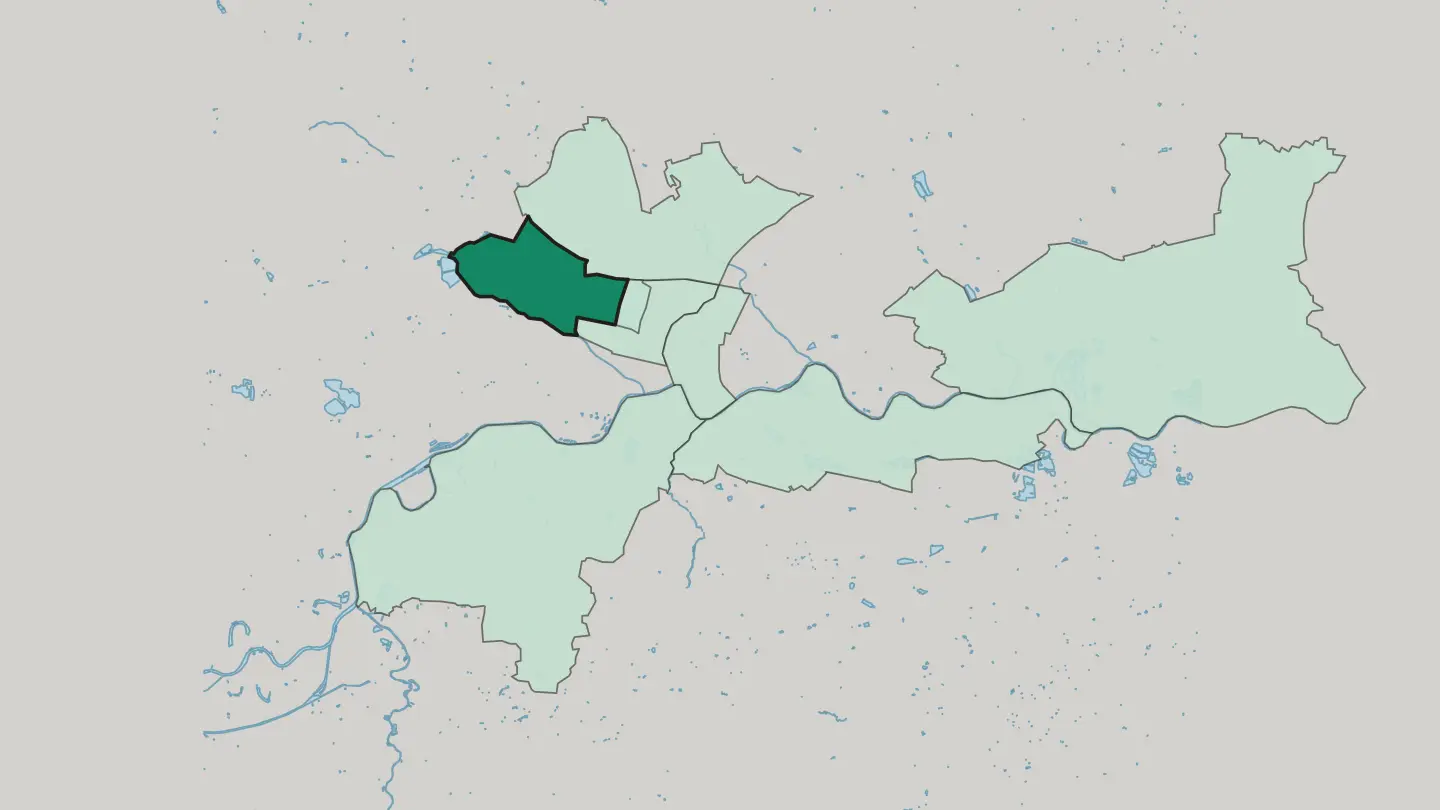
 KrakówPoland
Nowa Huta
Nowa Huta is Kraków's easternmost district, a socialist-realist town built from 1948 around Plac Centralny, east of the Old Town.Nowa Huta →KrakówPolandBieżanów
Bieżanów sits in Kraków's Dzielnica XII Bieżanów-Prokocim, a former Serafa valley village southeast of centre. Stary Bieżanów and Bieżanów Nowy divide it.Bieżanów → KrakówPoland
Tyniec
Tyniec Abbey rises beside the Vistula in Tyniec, a historic village that became part of Kraków in 1973.Tyniec → KrakówPoland
Branice
Branice is a former village at the east end of Kraków, inside District XVIII Nowa Huta, and the ground from which the House of Branicki took its surname.Branice → KrakówPoland
Ruszcza
Ruszcza is a district of Kraków whose record holds two entries: Popiel's Manor in Ruszcza and the Church of San Gregorio Magno in Kraków.Ruszcza →Hotel links are affiliate links: booking through them may earn us a commission, at no extra cost to you. It never affects how places are ranked. How this works
Things to do in Kraków
Ranked by global recognition; descriptions from Wikidata (CC0).
Museums & Galleries
3- Czartoryski Museum Heritage
- 15 Sarnie Uroczysko Street in Kraków Heritage
- National Museum in Kraków
Churches & Religious Sites
8- St. Mary's Basilica in Kraków Heritage
- Wawel Cathedral Heritage
- Saints Peter and Paul Church Heritage
- Tyniec Abbey Heritage
- Sigismund's Chapel Heritage
Show 3 more →
- Church of St. Francis of Assisi Heritage
- St. Andrew's Church Heritage
- Old Synagogue in Kraków Heritage
Castles & Historic Sites
8- Wawel Castle Heritage
- Kościuszko Mound Heritage
- Krakus Mound Heritage
- Pałac Królewski na Łobzowie Heritage
- Pomnik na Wzgórzu Kaim Heritage
Show 3 more →
- Zespół pałacowy Fischerów Heritage
- 1 Gontyna Street in Kraków Heritage
- Kopiec Józefa Piłsudskiego na Sowińcu w Krakowie Heritage
Nature & Outdoors
1- Planty Park Heritage
Landmarks & Notable Places
8- Collegium Maius Heritage
- Town Hall Tower Heritage
- 201 Królowej Jadwigi Street in Kraków Heritage
- 24 Świętej Bronisławy Street in Kraków Heritage
- 4 Gontyna street in Kraków Heritage
Show 3 more →
- Dom I Heritage
- Dom podcieniowy, XVIII/XIX Heritage
- Kazimierza Wielkiego 105, Kazimierza Wielkiego 105 w Krakowie Heritage
worth knowingacross 5 categories in Kraków
About Kraków
What is Kraków known for?
Kraków is known as the old royal capital of Poland, a city on the Vistula in Lesser Poland Voivodeship. The Old Town wears the past in stone. Around the great market square stand the Sukiennice and the towers of the medieval city, while the royal hill of Wawel rises above the river as the seat that held the capital of Poland until 1596.
Its Old Town became a UNESCO World Heritage Site in 1978.
What are the main landmarks in Kraków?
Kraków gathers its landmarks on the royal hill of Wawel and around the great market square. The old stones stand close together. Wawel Castle and Wawel Cathedral crown the hill above the Vistula, while the Sukiennice and the Kraków Barbican mark the edges of the medieval core below.
The gates still stand. St. Florian's Gate opens the old road into the city, and Collegium Maius holds the old university at the edge of the Old Town.
What is the history of Kraków?
Kraków grew into the royal capital of Poland on the high ground of Wawel above the Vistula. The hill made the city. From the fortress and cathedral on Wawel, the kings of Poland ruled a growing realm, and the town below spread out around the market square that became the heart of the Old Town.
Trade and learning followed the crown. Merchants filled the market square and the Sukiennice, while scholars gathered at Collegium Maius, and the city on the Vistula rose as one of the oldest and leading cities of Poland. It was the capital of Poland until 1596.
The seat of power later moved north, yet Kraków kept its standing. The crown left, the stones stayed. Long after the court departed, the city on the Vistula held its cathedral, its castle, and its old university at Collegium Maius, remaining one of the oldest cities in Poland.
The Old Town endured. Its walls, gates, and churches came through the centuries largely intact, and the historic core became a UNESCO World Heritage Site. The past still holds the ground here.
Where is Kraków?
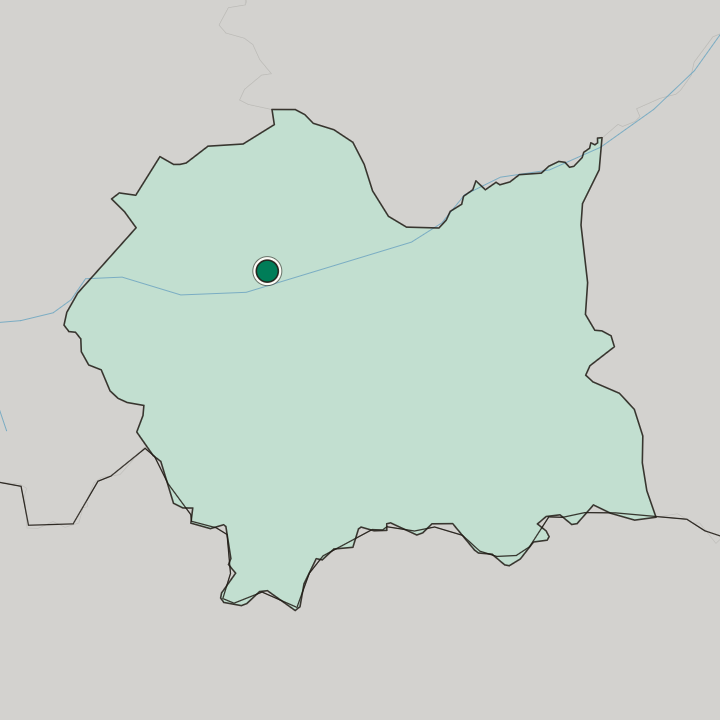
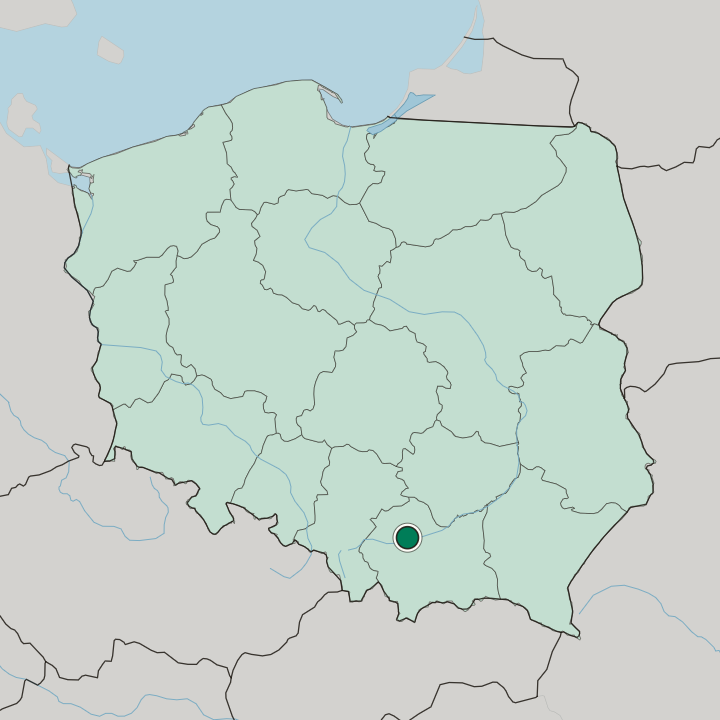
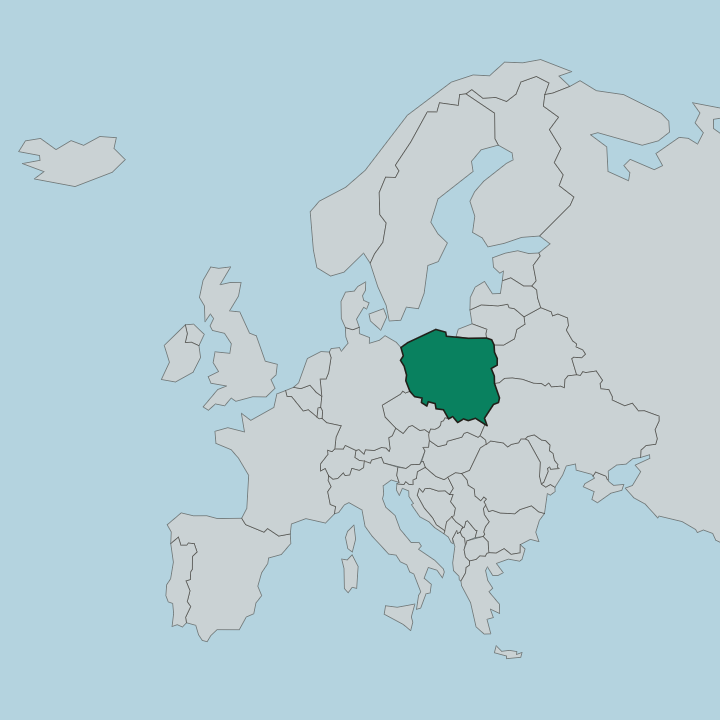
Kraków lies on the Vistula in Lesser Poland Voivodeship, in the south of Poland. The Vistula threads straight through the city. The city spreads along both banks of the Vistula below the royal hill of Wawel, its Old Town on the higher ground and its outer districts, among them Nowa Huta, reaching east across the valley of southern Poland.
What is the climate of Kraków?
Kraków has a temperate climate shaped by its place in the valley of the Vistula in southern Poland. Each season arrives with a clear edge. Cold snow-laden winters give way to warm summers over the city, and still air often settles in the river valley below Wawel, holding mist and haze over the Old Town on the colder days.
How do you get to Kraków?
Kraków is reached by air, by rail, and by road from across Poland. The lines meet in the centre. Trains run into the station beside the Old Town, flights land to the west of the city, and roads lead in through Lesser Poland Voivodeship, carrying travellers toward Wawel and the Vistula at the heart of Kraków.
Good for
More cities in Lesser Poland Voivodeship
Updated October 2026