Poland · Lublin Voivodeship
Where to Stay in Lublin, Lublin Voivodeship
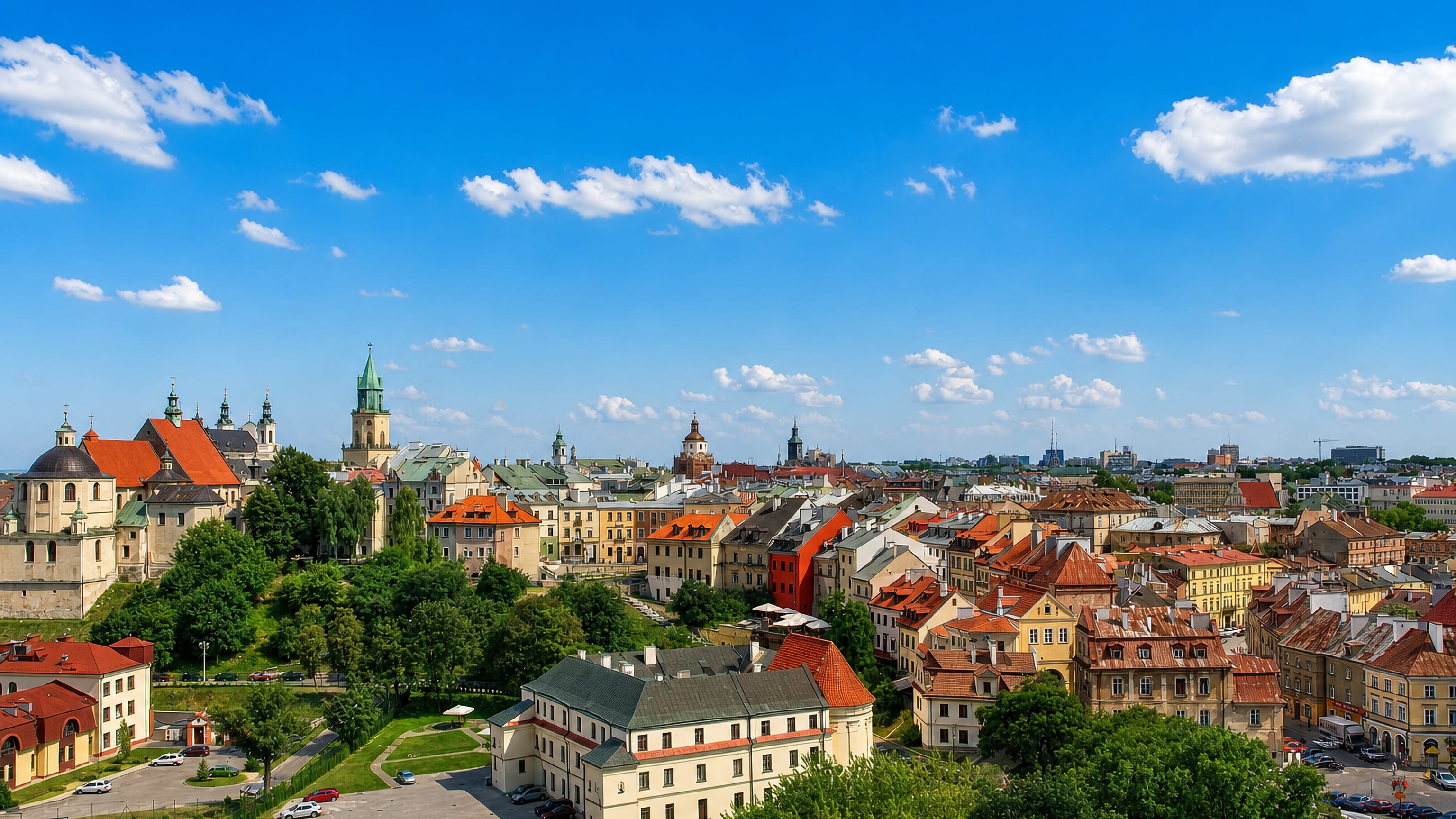
Brick gates guard the hill at Lublin, the largest city in eastern Poland and capital of Lublin Voivodeship, known for its Old Town and Lublin Castle.
Hotel links are affiliate links: booking through them may earn us a commission, at no extra cost to you. It never affects how places are ranked. How this works


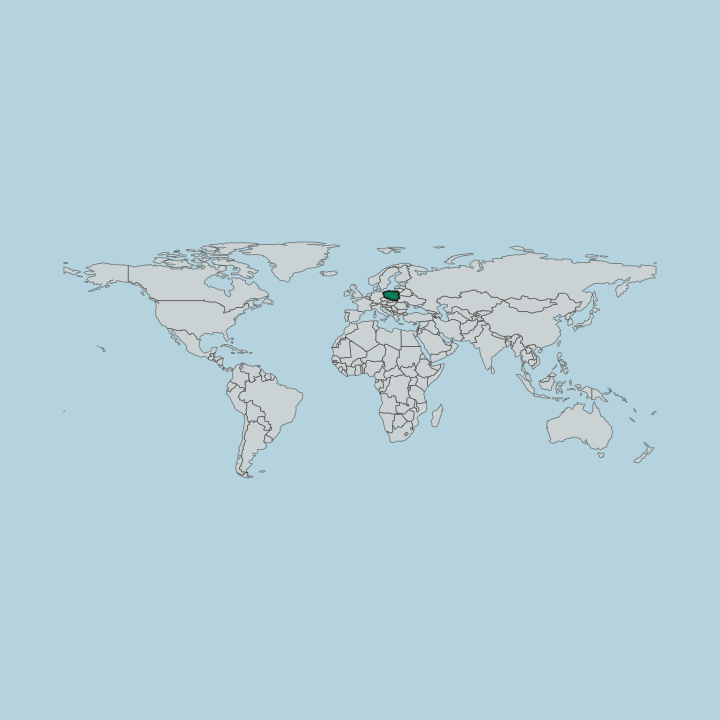
Where to stay in Lublin
Where visitors usually base themselves, and why.
Lublin keeps most of its rooms around the Old Town and the streets below the castle hill in eastern Poland. The old quarter keeps the lodging. Around the Grodzka Gate and the lanes of the Old Town, the historic quarter of Lublin gathers hotels within walking reach of the Lublin Castle and Litewski Square, and travellers who want the Lublin Renaissance streets at hand tend to stay here.
Past the New Town Hall the wider centre of the city keeps larger, plainer rooms of its own. The Old Town draws the visitors. Beyond the historic core, the modern centre of Lublin spreads the choice wider.
The avenues open out. Along the roads that run out from Litewski Square the central district holds bigger hotels among the offices and the university buildings, a base close to the routes that cross eastern Poland toward Lublin Voivodeship. The city stretches on.
Out past the centre the outer districts of Lublin offer quieter and cheaper rooms, linked back to the Old Town and the castle by the roads and rail lines of the region around the Majdanek State Museum. The far edges, well beyond the centre, stay the cheapest across the whole city.
Things to do in Lublin
Ranked by global recognition; descriptions from Wikidata (CC0).
Museums & Galleries
3- Lublin-Majdanek concentration camp Heritage
- Majdanek State Museum
- National Museum in Lublin
Churches & Religious Sites
8- St. John the Baptist Cathedral, Lublin Heritage
- Chapel of the Holy Trinity, Lublin Castle Heritage
- Basilica of the Dominican Friars in Lublin Heritage
- Cerkiew Przemienienia Pańskiego w Lublinie Heritage
- Our Lady of Victories church in Lublin Heritage
Show 3 more →
- St Peter the Apostle Church in Lublin Heritage
- St. Joseph's Church, Lublin Heritage
- Church of the Holy Spirit in Lublin Heritage
Castles & Historic Sites
2- Pomnik Unii Lubelskiej in Lublin Heritage
- Marie Curie Monument in Lublin
worth knowingacross 3 categories in Lublin
About Lublin
What is Lublin known for?
Lublin is known as the largest city in eastern Poland and the capital of Lublin Voivodeship. The Old Town sets the tone. Its historic core carries the particular Lublin Renaissance style, gathered around the Grodzka Gate and the Chapel of the Holy Trinity, while the Union of Lublin gave the city its lasting place in the country's past.
The name reaches far.
What are the main landmarks in Lublin?
Lublin gathers its landmarks around the Old Town and the castle hill. The old stones stand close. The Lublin Castle holds the Chapel of the Holy Trinity, and the Grodzka Gate opens the way into the Old Town toward the St. John the Baptist Cathedral.
Memory marks the edge of the city. The Majdanek State Museum keeps the record of the camp on the outskirts, while Litewski Square and the Marie Curie Monument mark the open heart of the modern centre.
What is the history of Lublin?
Lublin grew on its castle hill in eastern Poland and took its charter in 1317. Commerce built Lublin up. Standing on the routes that ran east across the country, the settlement drew merchants toward the market below the Lublin Castle, and the town spread out along the streets that became its Old Town over the centuries.
The Grodzka Gate marked the line between the Christian and Jewish quarters. Two towns met here. With the Union of Lublin the city rose to national weight.
That pact changed the map. When the crowns of Poland and Lithuania were joined, the act took the name of the town on the hill, and the Union of Lublin bound the two realms into a single commonwealth that shaped the region for centuries. The particular Lublin Renaissance style spread across the churches and tenements of the Old Town in the years that followed.
War later scarred the city, and the Majdanek State Museum on the outskirts of Lublin now holds the record of the camp built there, keeping the hardest chapter of the city's past.
Where is Lublin?
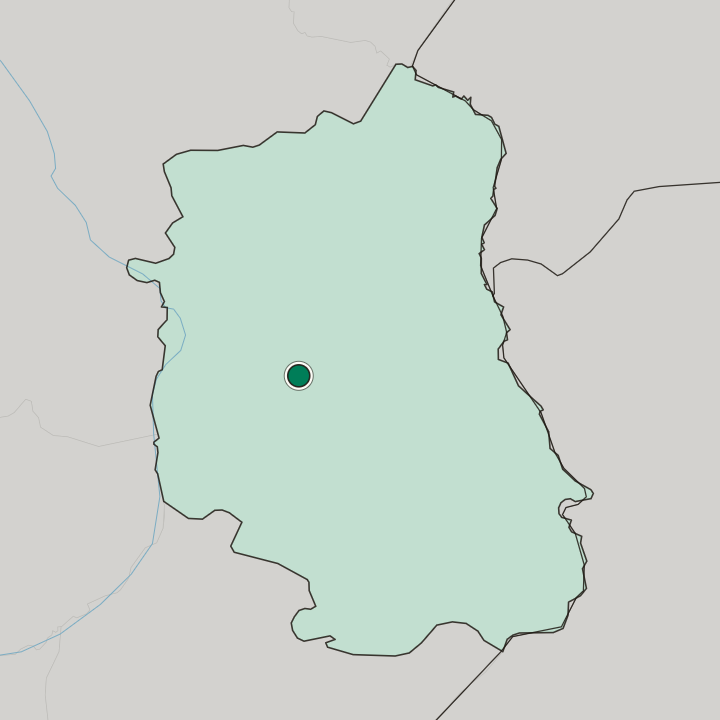
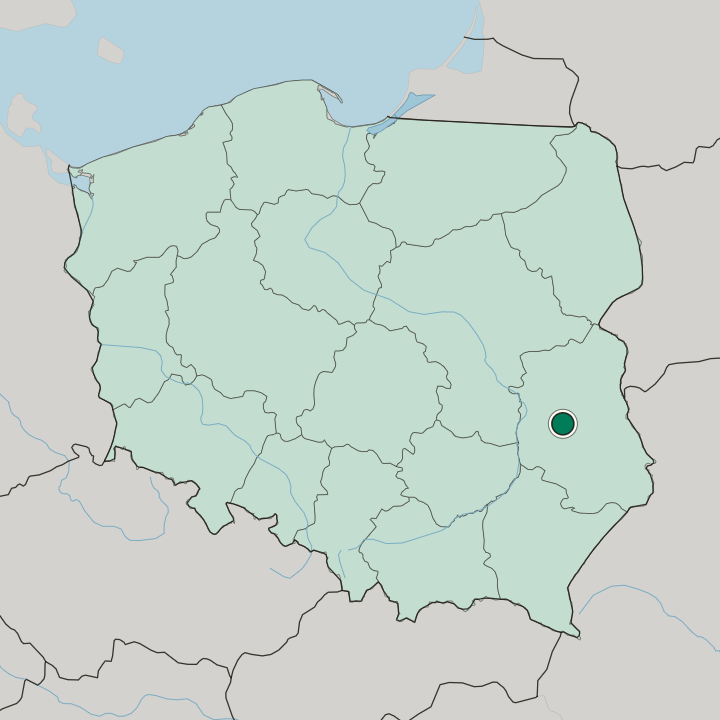
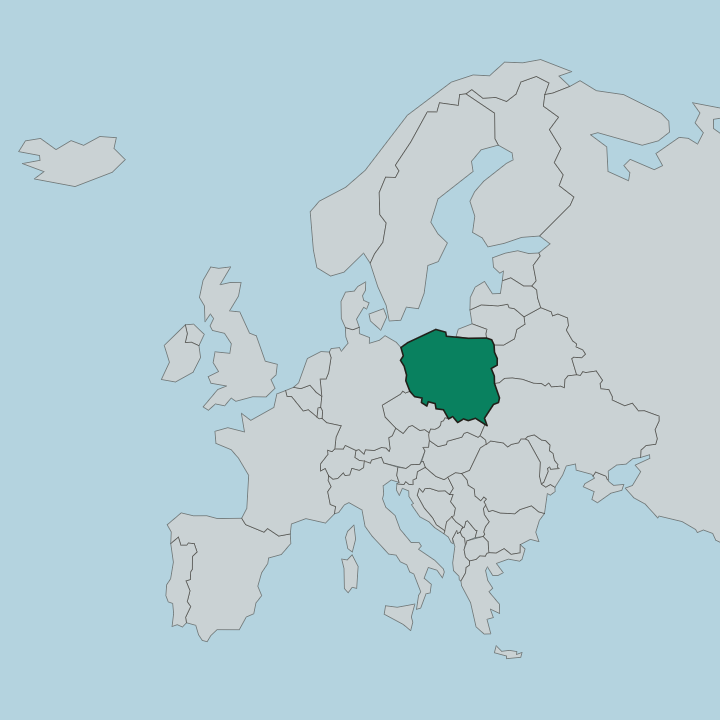
Lublin lies in eastern Poland, the largest city east of the Vistula. The land rolls in low hills. The Old Town and the Lublin Castle stand on a rise above the valley, while the wider districts of the city spread out across the plateau of Lublin Voivodeship around them.
What is the climate of Lublin?
Lublin has a temperate climate with a strong continental edge, felt across eastern Poland. The seasons pull wide apart. Snow and hard frost settle over the Old Town and the castle hill through the long winter months, while summers turn warm across Lublin Voivodeship, the open inland country giving the year its broad swing.
How do you get to Lublin?
Lublin is reached by road, by rail, and by air from across eastern Poland. The routes gather on the city. Trains run into the station south of the centre, flights land at the airport on the edge of town, and the main roads of Lublin Voivodeship converge here, carrying travellers in toward the Old Town and the Lublin Castle on the hill.
Good for
More cities in Lublin Voivodeship
Updated October 2026