Poland
Lublin Voivodeship, Poland — Towns & Travel Guide
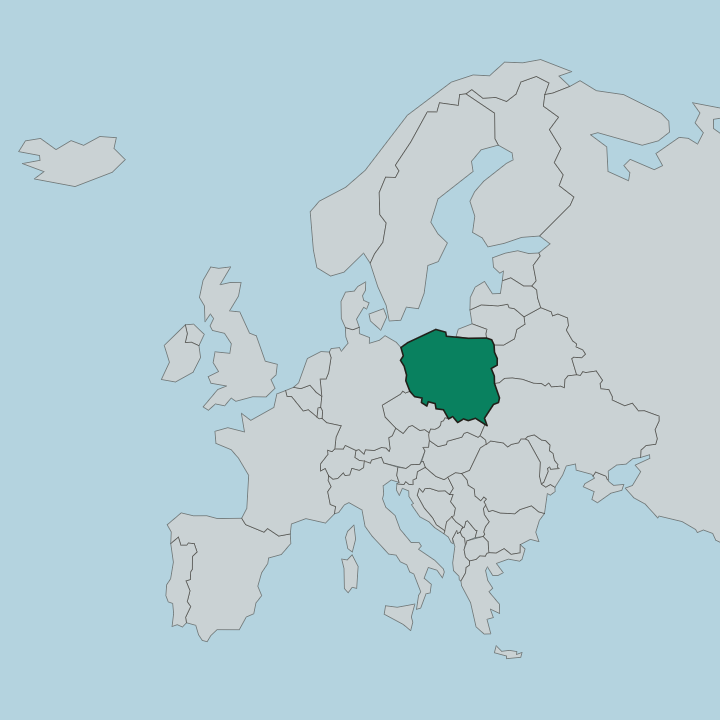
Lublin Voivodeship fills the south-east corner of Poland, between the Vistula and the Bug on the edge of the European Union.
Hotel links are affiliate links: booking through them may earn us a commission, at no extra cost to you. It never affects how places are ranked. How this works


Towns & cities in Lublin Voivodeship
Pick a town or city — each links to where to stay.
 Poland
Lublin
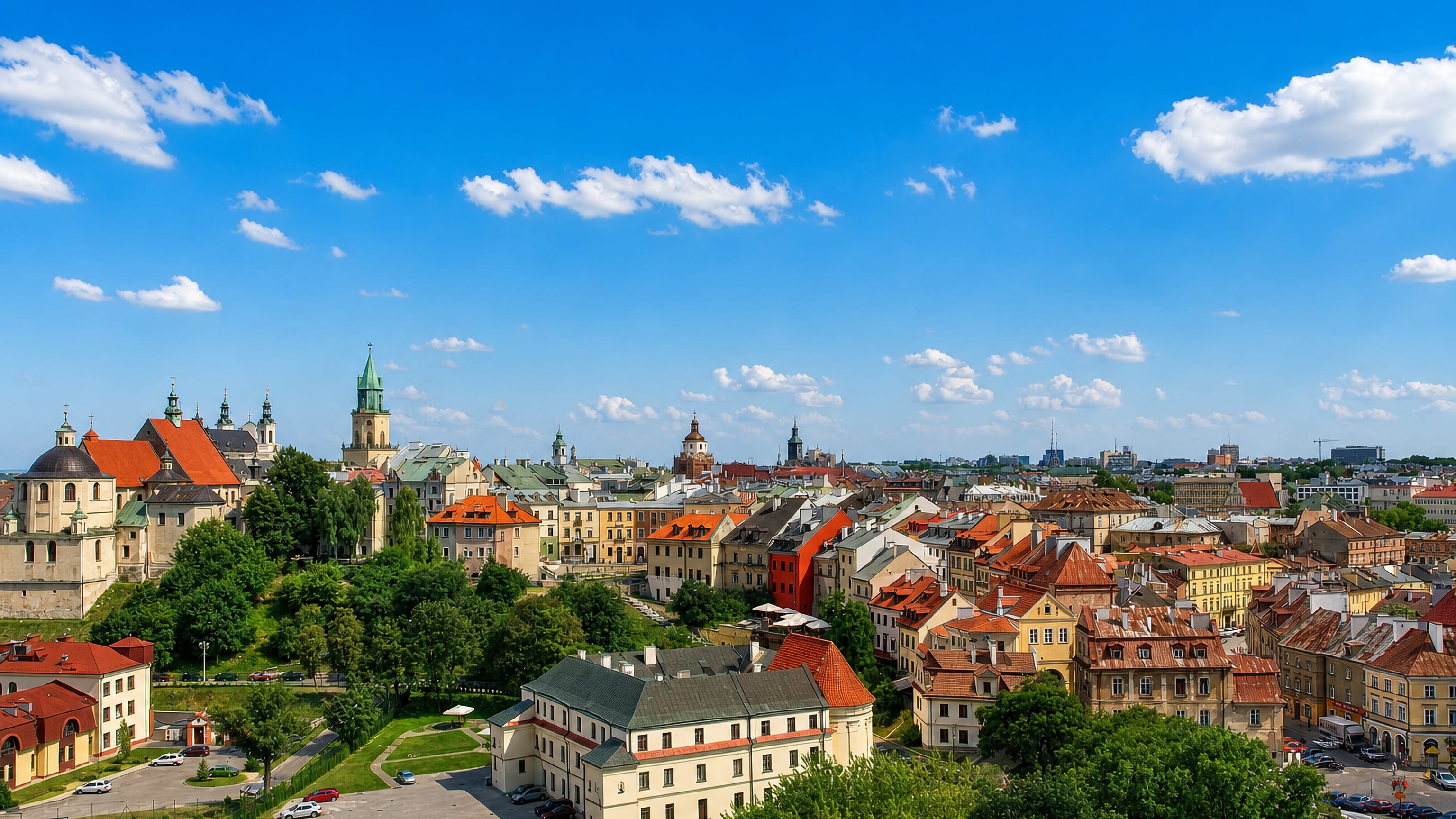
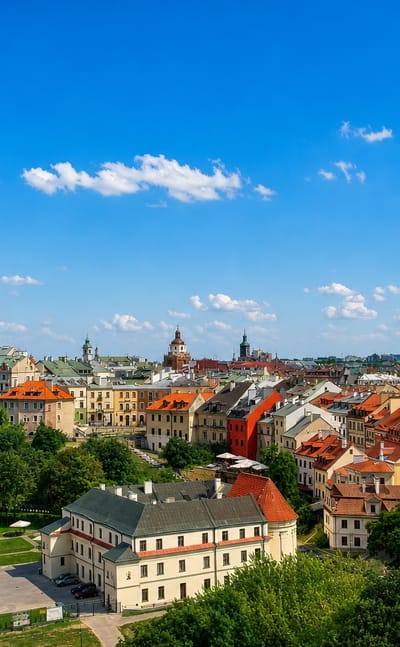
Brick gates guard the hill at Lublin, the largest city in eastern Poland and capital of Lublin Voivodeship, known for its Old Town and Lublin Castle.Where to stay →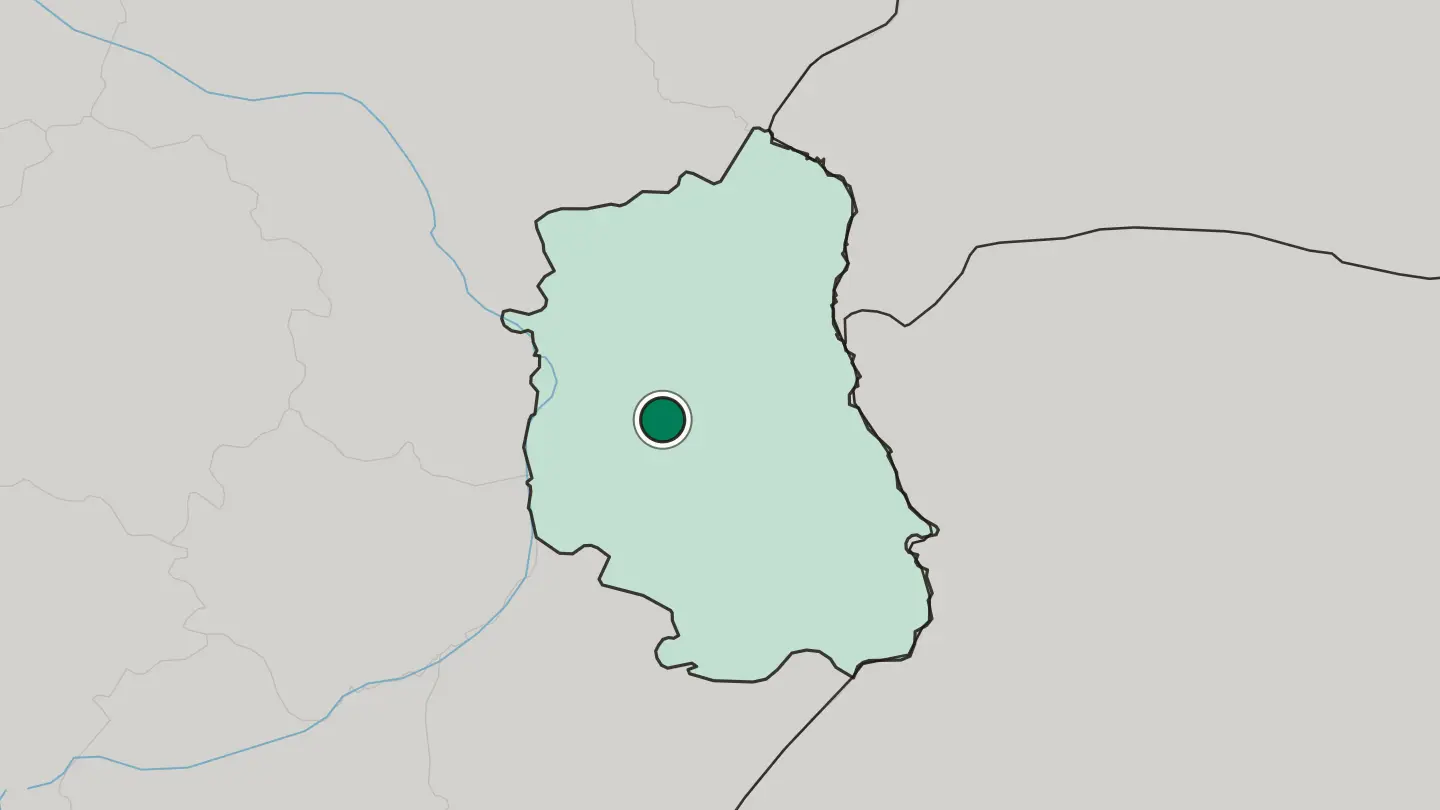
 Poland
Zamość
Zamość is a Renaissance town in southeastern Poland, a perfect planned city laid out in the 1580s by the chancellor Jan Zamoyski.Where to stay →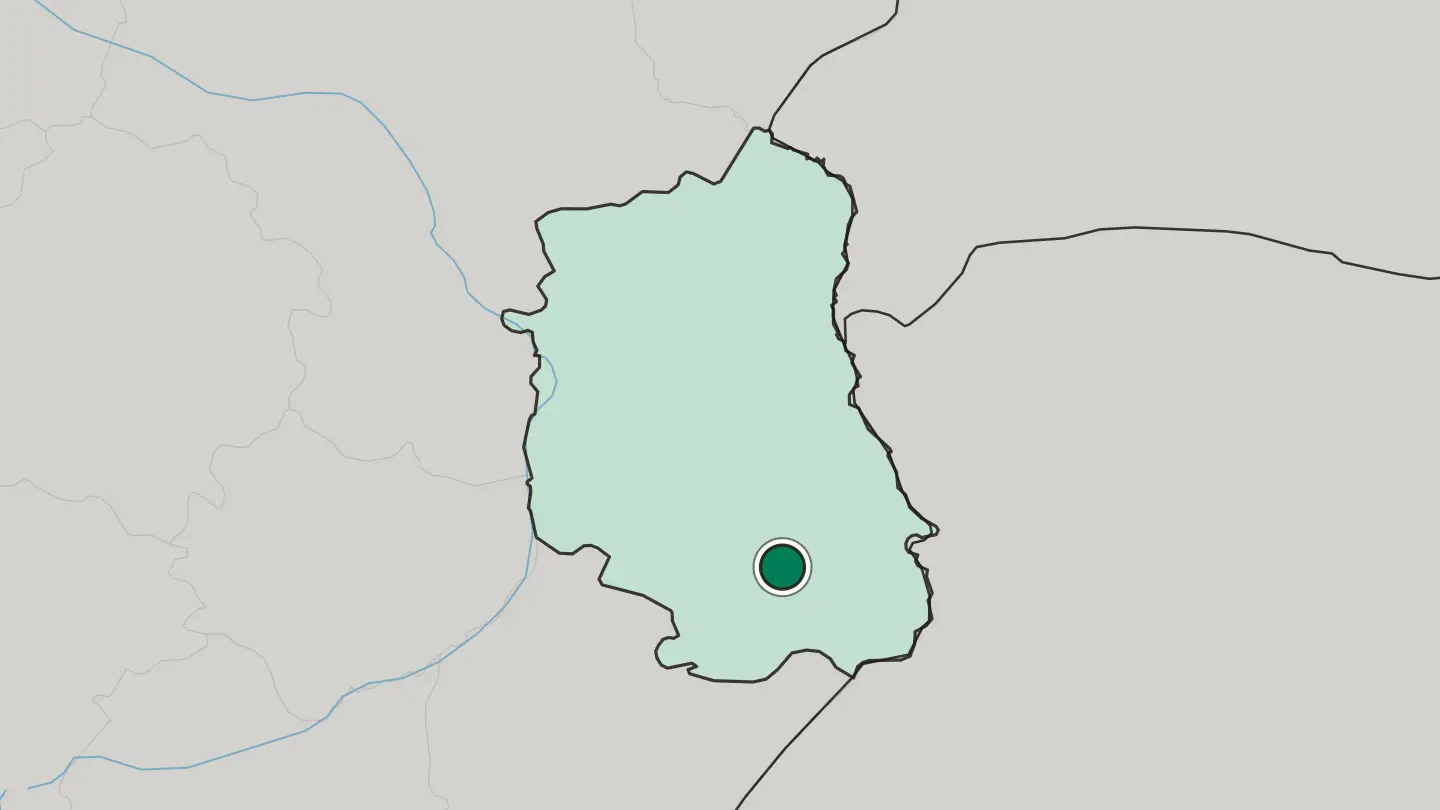
 Poland
Chełm
Chełm is a historic town in eastern Poland near the Ukrainian border, famed for the chalk tunnels dug beneath its old streets.Where to stay →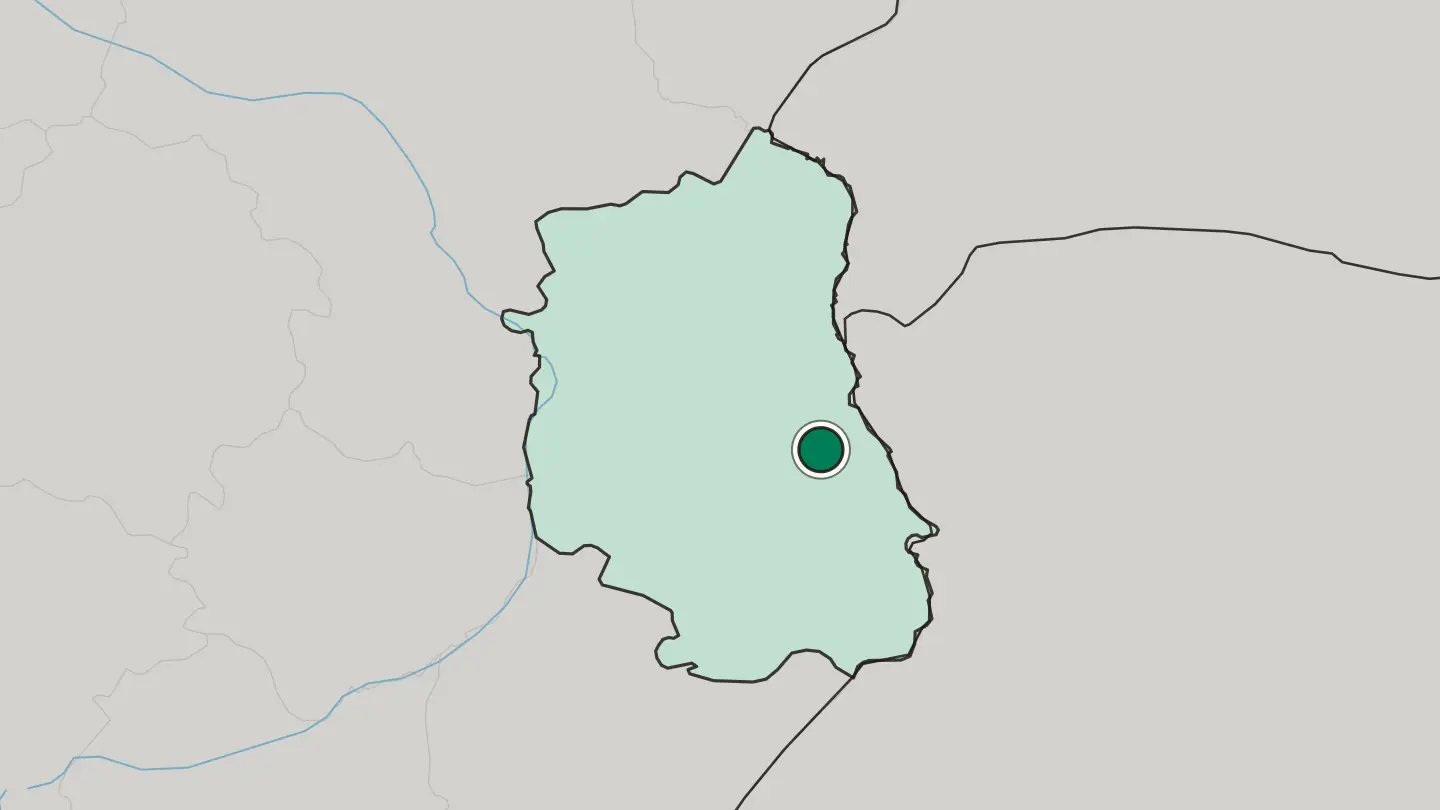
 Poland
Biała Podlaska
Biała Podlaska sits on the Krzna in the Lublin Voivodeship, founded in 1345 and grown around the Radziwiłł castle complex on Warszawska.Where to stay →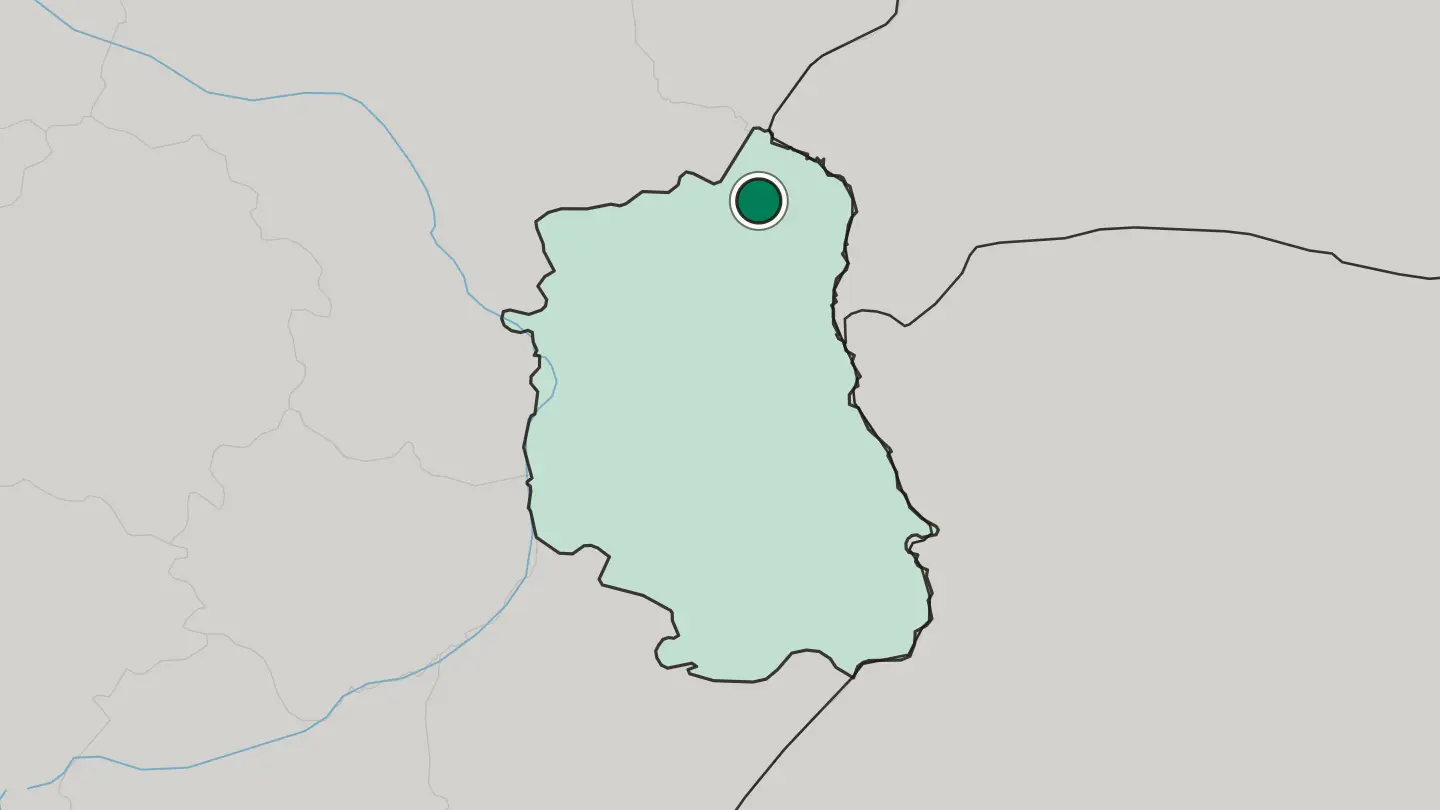
Hotel links are affiliate links: booking through them may earn us a commission, at no extra cost to you. It never affects how places are ranked. How this works
About Lublin Voivodeship
What is Lublin Voivodeship known for?
This is Poland's south-eastern frontier, run through by the Vistula on the west and the Bug along the Ukrainian and Belarusian border. Lublin anchors it. The city keeps a walled Old Town and a hilltop castle where the Union of Lublin joined Poland and Lithuania into one commonwealth in 1569.
South of it, Zamość was laid out from nothing as a Renaissance ideal city, and its arcaded Great Market Square carries UNESCO status. The countryside is farmland and forest, rising into the Roztocze hills near the border and dropping to the grain town of Kazimierz Dolny on the Vistula bank.
Where is Lublin Voivodeship?
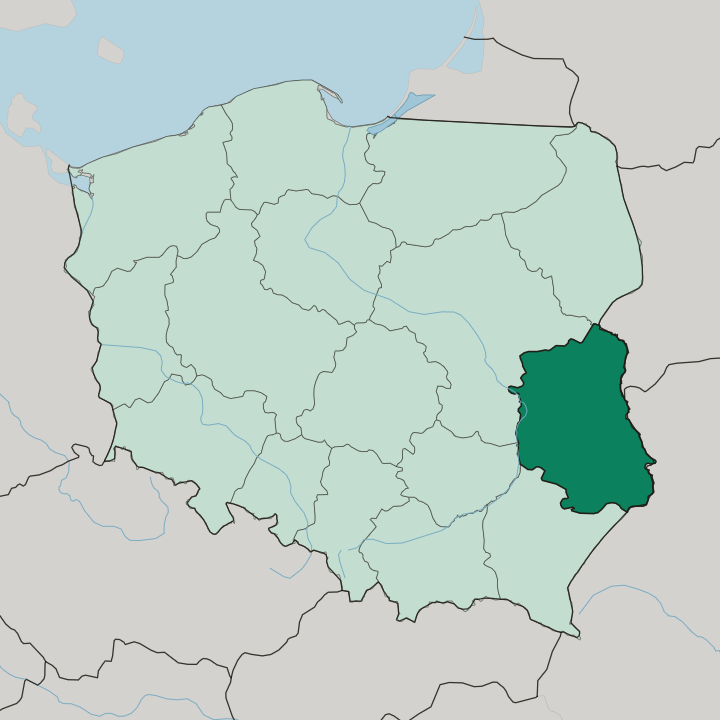
Lublin Voivodeship occupies the south-eastern corner of Poland, its long eastern edge tracing the Bug against Ukraine and Belarus. On the west the Vistula draws the opposite boundary, forming most of the western frontier, and the land in between is drained toward it by the Wieprz, the region's own artery. The ground is not flat.
A rolling belt of loess plateau runs through the middle, the Lublin Upland, cut by dry valleys and worked as some of Poland's best grain and hop country. To the south the land climbs again into the Roztocze, a low forested ridge of fir and beech that runs on across the border into Ukraine. Polesie lies opposite.
North of the uplands the country sinks into that marshy lowland, a flat expanse of wetland, peat bog and slow water reaching toward the Belarusian line. Kazimierz Dolny sits where the Vistula has cut a wooded gorge through the loess. Lublin lies inland on the Bystrzyca, roughly at the centre of the province, the largest Polish city anywhere east of the Vistula.
This is the eastern threshold of the European Union, and beyond the Bug the roads run on into Ukraine and Belarus.
What is Lublin Voivodeship like?
For centuries this was a meeting ground of Poles, Lithuanians, Ruthenians and Jews, and that mixing shaped the region's character. Lublin was long one of the great Jewish centres of Europe, seat of a famous yeshiva and of the Council of Four Lands, the self-governing body of Polish Jewry. That world was annihilated in the Second World War.
Majdanek, a German death and concentration camp, stands on the southern edge of Lublin, and Bełżec and Sobibór lie out in the countryside toward the border; the region's Jewish heritage carries this sombre weight, and it cannot be walked past. Much older stonework survives alongside it. Zamość was raised as a single Renaissance composition by the chancellor Jan Zamoyski and the Italian architect Bernardo Morando, a fortified ideal city built whole.
Kazimierz Dolny drew painters from the nineteenth century onward, and its lanes still hold studios, galleries and a summer film festival. Spa culture runs through Nałęczów, where mineral springs feed a health resort dotted with writers' villas. Folk craft survives in the villages of the Roztocze and out along the eastern borderland.
The living language is Polish.
What is the history of Lublin Voivodeship?
Lublin grew on the trade road between Kraków and the Lithuanian lands, and that position made its name. In 1569 the Sejm met in its castle and swore the Union of Lublin, fusing the Kingdom of Poland and the Grand Duchy of Lithuania into a single commonwealth. It was a turning point for half of Europe.
Zamość was founded soon after, in 1580, as a private Renaissance city and fortress on the same eastward trade. The partitions later handed the region to Austria and then to Russia, and only in 1918 did it return to a reborn Poland. The present voivodeship was drawn in 1999.
What is the climate of Lublin Voivodeship?
The climate here is continental, more so than western Poland because the moderating sea lies far off. Winters bite. Frost and snow settle over the Lublin Upland for weeks, with January often below freezing across the province.
Summers turn warm and open, and the loess farmland ripens under long bright days that make July and August the time to walk Zamość or the Roztocze. Rain falls mostly in the warm months rather than one wet season. Spring and autumn are short and changeable between the two.
How do you get to Lublin Voivodeship?
Lublin is the entry point, about 170 kilometres south-east of Warsaw by road and rail. Most arrive from there. Trains run the route in a couple of hours, and the expressway from the capital reaches the city.
Lublin Airport, out at Świdnik on the city's edge, handles a modest scatter of European flights, while most long-haul travellers still land in Warsaw and continue overland. Rail lines fan out from Lublin toward Chełm and the eastern border. Beyond the Bug lie crossings into Ukraine and Belarus.
Common questions
What is the best area to stay in Lublin Voivodeship?
Lublin: a first base with the region's train and coach links. Zamość: sleeping inside the walled Renaissance grid. Kazimierz Dolny: an artists' weekend on the Vistula bank. Chełm: the eastern border and the chalk tunnels.
Good for
More regions in Poland
Updated September 2026