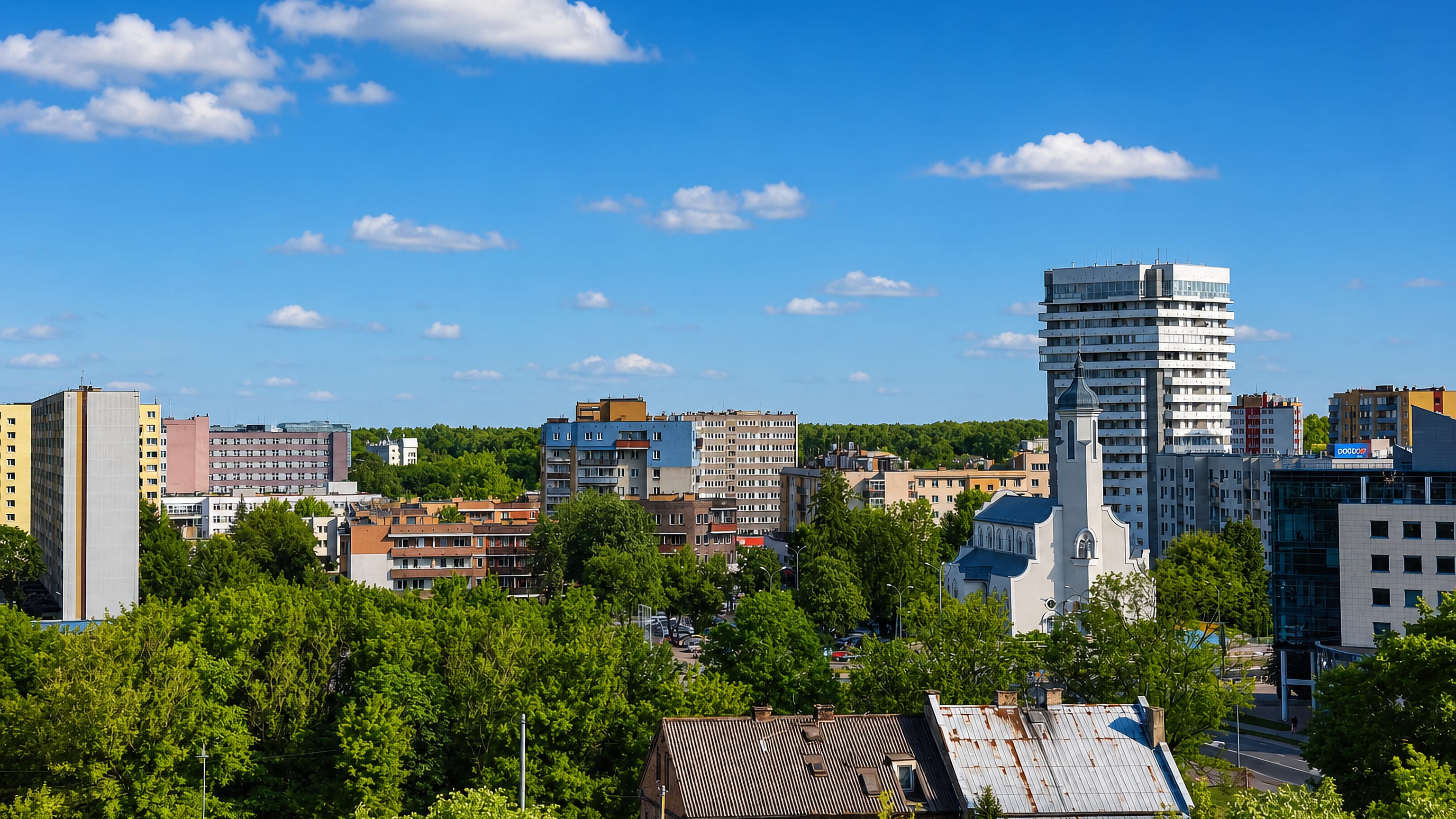
Poland · Podlaskie Voivodeship
Where to Stay in Białystok, Podlaskie Voivodeship
Baroque wings frame the courtyard at Białystok, the largest city in north-eastern Poland and seat of Podlaskie Voivodeship, known for the Branicki Palace.
Hotel links are affiliate links: booking through them may earn us a commission, at no extra cost to you. It never affects how places are ranked. How this works


Where to stay in Białystok
Where visitors usually base themselves, and why.
Białystok keeps most of its rooms in the centre around the Branicki Palace in north-eastern Poland. Białystok's central streets carry most of the rooms. Around the palace and its Planty gardens, the central streets of Białystok gather hotels within walking reach of the Białystok Cathedral and the Podlaskie Museum, and travellers who want the Baroque heart of the city at hand tend to stay here.
Past the Old Park the wider centre keeps larger, plainer rooms of its own. The palace draws the visitors. Beyond the historic core, the modern districts of Białystok spread the choice wider.
The avenues run out. Along the roads that lead from the centre toward St. Roch's Church, the outer quarters hold bigger hotels among the offices and university buildings, a base close to the routes that cross Podlaskie Voivodeship toward the forests of Podlachia. The city meets the woods.
Out past the ring roads the edge districts of Białystok offer quieter and cheaper rooms, linked back to the palace and the cathedral by the roads that run on toward the Biebrza National Park. The far fringes, well beyond the centre, stay the cheapest across the whole city.
Things to do in Białystok
Ranked by global recognition; descriptions from Wikidata (CC0).
Museums & Galleries
2- Podlaskie Museum in Białystok
- Muzeum Wojska w Białymstoku
Churches & Religious Sites
6- Białystok Cathedral Heritage
- St. Roch's Church in Białystok Heritage
- Saint Adalbert church in Białystok Heritage
- Church of the Sacred Heart of Jesus in Białystok Heritage
- All Saints Orthodox church in Białystok Heritage
Show 1 more →
- Daughters of Charity Monastery in Białystok Heritage
Castles & Historic Sites
3- Guest Palace Branicki in Białystok Heritage
- Nowik Palace in Białystok Heritage
- Dog Kawelin in Białystok
Nature & Outdoors
3- Planty Białystok Heritage
- Park of the 3rd May Constitution in Białystok Heritage
- Old Park in Białystok Heritage
Landmarks & Notable Places
1- Zamenhof house in Białystok
worth knowingacross 5 categories in Białystok
About Białystok
What is Białystok known for?
Białystok is known as the largest city in north-eastern Poland and the capital of Podlaskie Voivodeship. The palace defines it. Its Branicki Palace stands at the heart of the city as a base for the forests of Podlachia, the Green Lungs of Poland that reach out to the Biebrza National Park, and the town gave the world Ludwik Zamenhof, who devised Esperanto here.
The city faces the woods.
What are the main landmarks in Białystok?
Białystok gathers its landmarks around the Branicki Palace and its gardens. The Baroque core stands close. The Guest Palace Branicki and its Planty gardens mark the centre, while the Białystok Cathedral and St. Roch's Church rise above the surrounding streets.
Memory marks the city too. The Ludwik Zamenhof Centre records the birthplace of Esperanto, and the Podlaskie Museum holds the story of the wider region of Podlachia.
What is the history of Białystok?
Białystok took shape around the Branicki Palace in north-eastern Poland and won its town rights in 1691. The magnates made the town. Under the Branicki family the settlement grew from a private estate into a planned residence town, and the Baroque palace and its Planty gardens set the pattern that the streets of Białystok followed.
Craftsmen and traders drew in from the surrounding land of Podlachia. The estate became a city. Growth came later with the mills and the railway.
Textiles remade the place. When the looms arrived the town swelled outward across the plain, drawing a mixed community of Poles, Jews, and others into the workshops that ringed the old palace core, and Białystok became the industrial heart of Podlachia. Here Ludwik Zamenhof grew up and drew on that mix of tongues when he devised Esperanto.
War later scarred the city hard, and the churches and cemeteries of Białystok now keep the record of the communities that lived, worked, and were lost across its long past.
Where is Białystok?
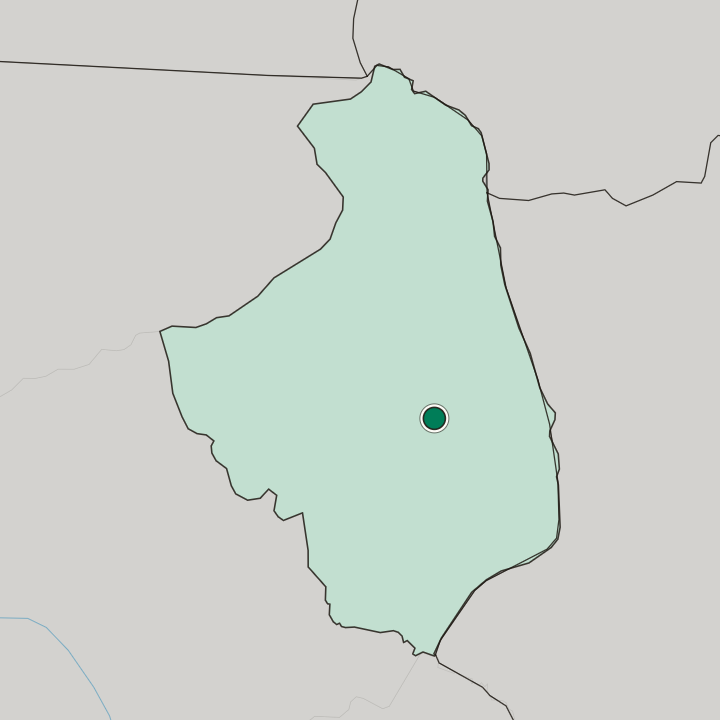
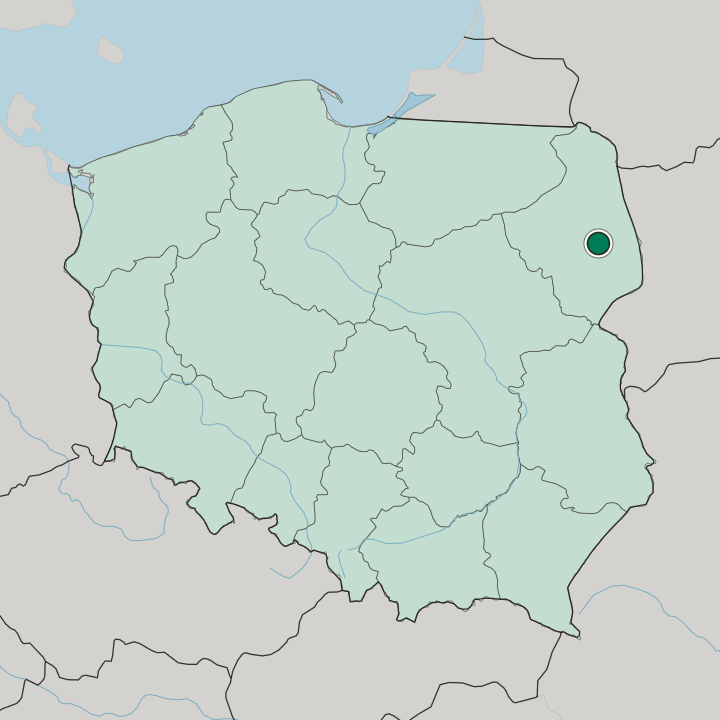
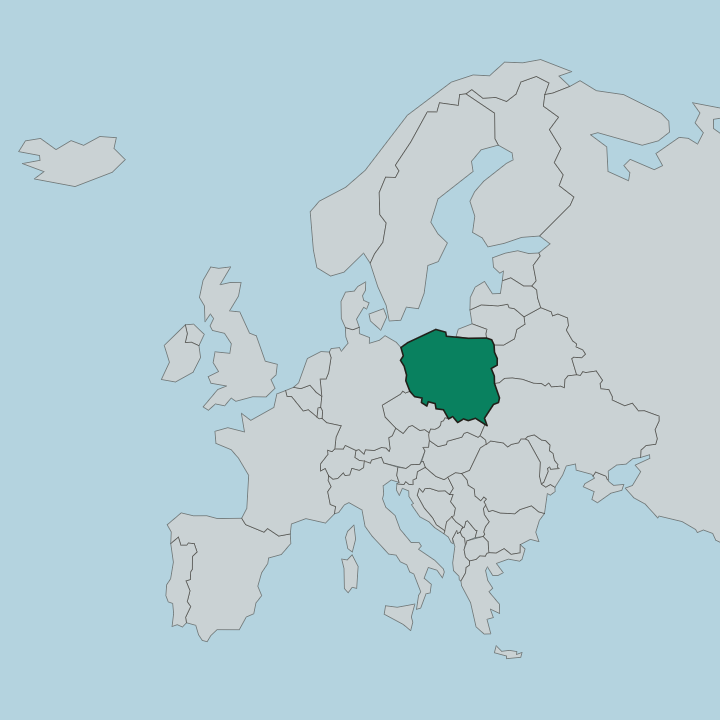
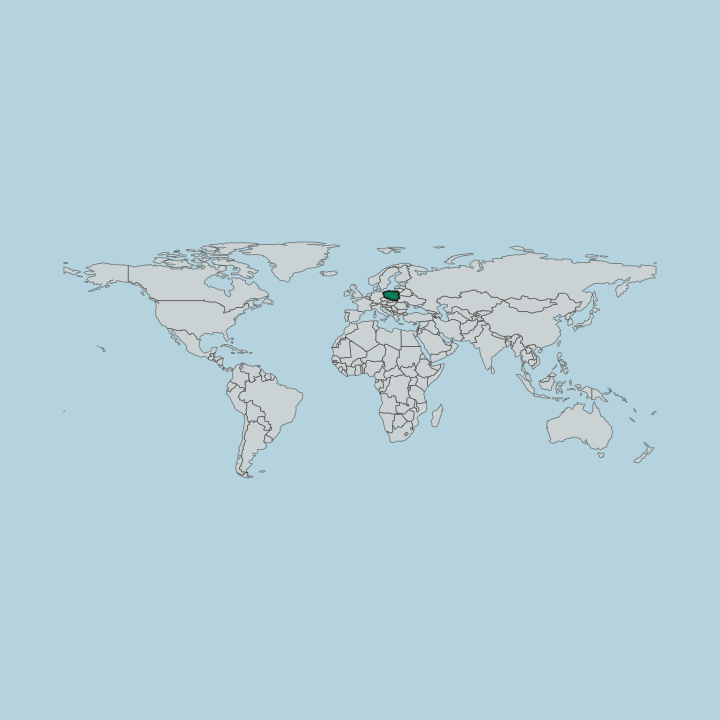
Białystok lies in north-eastern Poland, set on the plain of Podlaskie Voivodeship near the country's eastern border. The forests press close. The city spreads out from the Branicki Palace across low, wooded country, with the Biebrza National Park and the wider Green Lungs of Poland reaching away to the surrounding land of Podlachia.
What is the climate of Białystok?
Białystok has one of the coldest climates of any large city in north-eastern Poland, sharply continental. The winters bite hard. Snow lies long over the Branicki Palace and the forests of Podlachia through the dark months, while summers turn warm and green across Podlaskie Voivodeship, the inland woods giving the year its wide swing.
How do you get to Białystok?
Białystok is reached by road and by rail from across north-eastern Poland. The routes gather on the city. Trains run into the station west of the centre, and the main roads of Podlaskie Voivodeship converge here, carrying travellers in toward the Branicki Palace and out again toward the Biebrza National Park and the forests of Podlachia.
Good for
More cities in Podlaskie Voivodeship
Updated October 2026