Poland
Podlaskie Voivodeship, Poland — Towns & Travel Guide
Podlaskie is Poland's wild north-eastern corner, where the Białowieża Forest and its bison meet the borders of Belarus and Lithuania.
Hotel links are affiliate links: booking through them may earn us a commission, at no extra cost to you. It never affects how places are ranked. How this works


Towns & cities in Podlaskie Voivodeship
Pick a town or city — each links to where to stay.
 Poland
Białystok
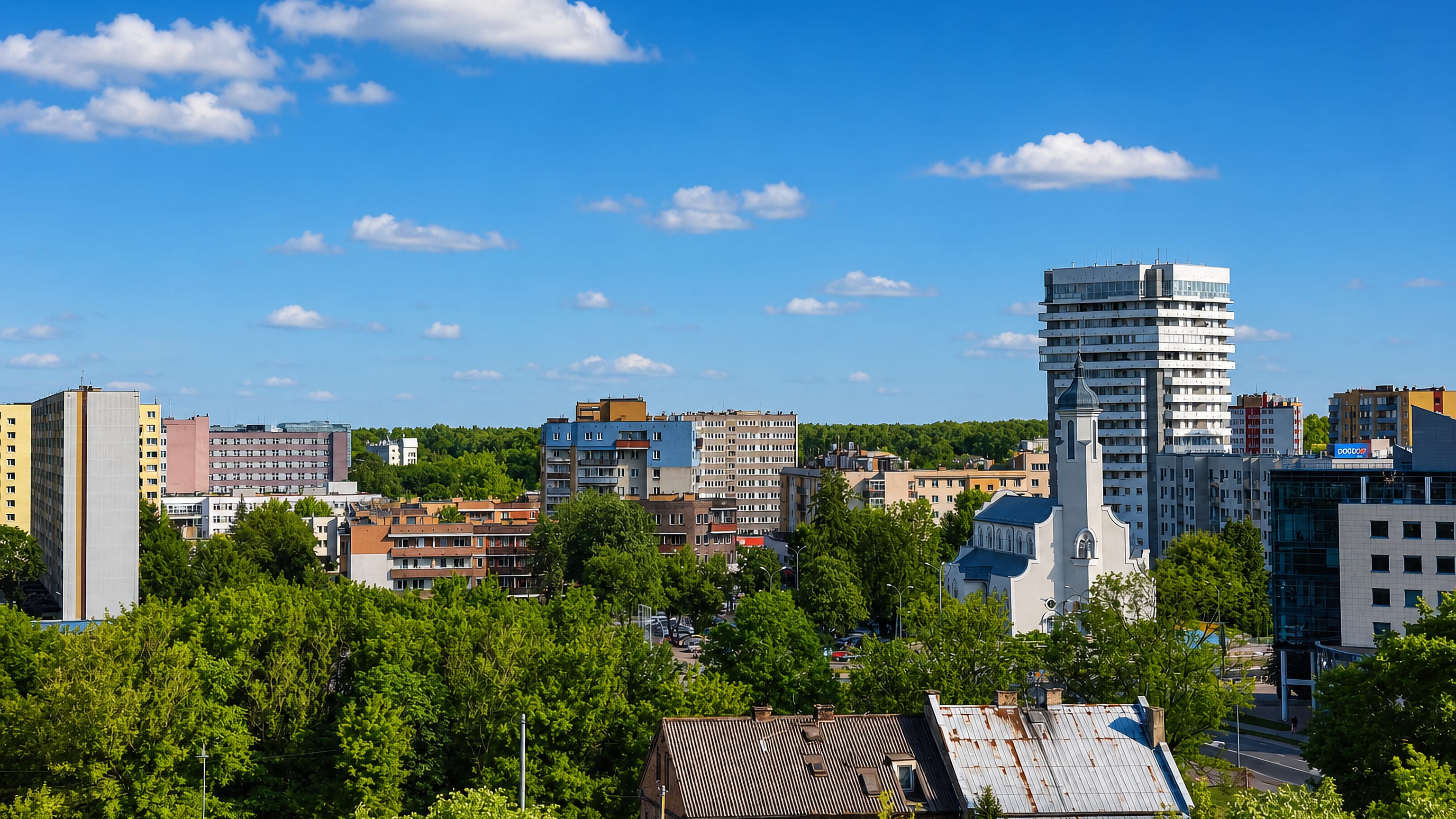
Baroque wings frame the courtyard at Białystok, the largest city in north-eastern Poland and seat of Podlaskie Voivodeship, known for the Branicki Palace.Where to stay →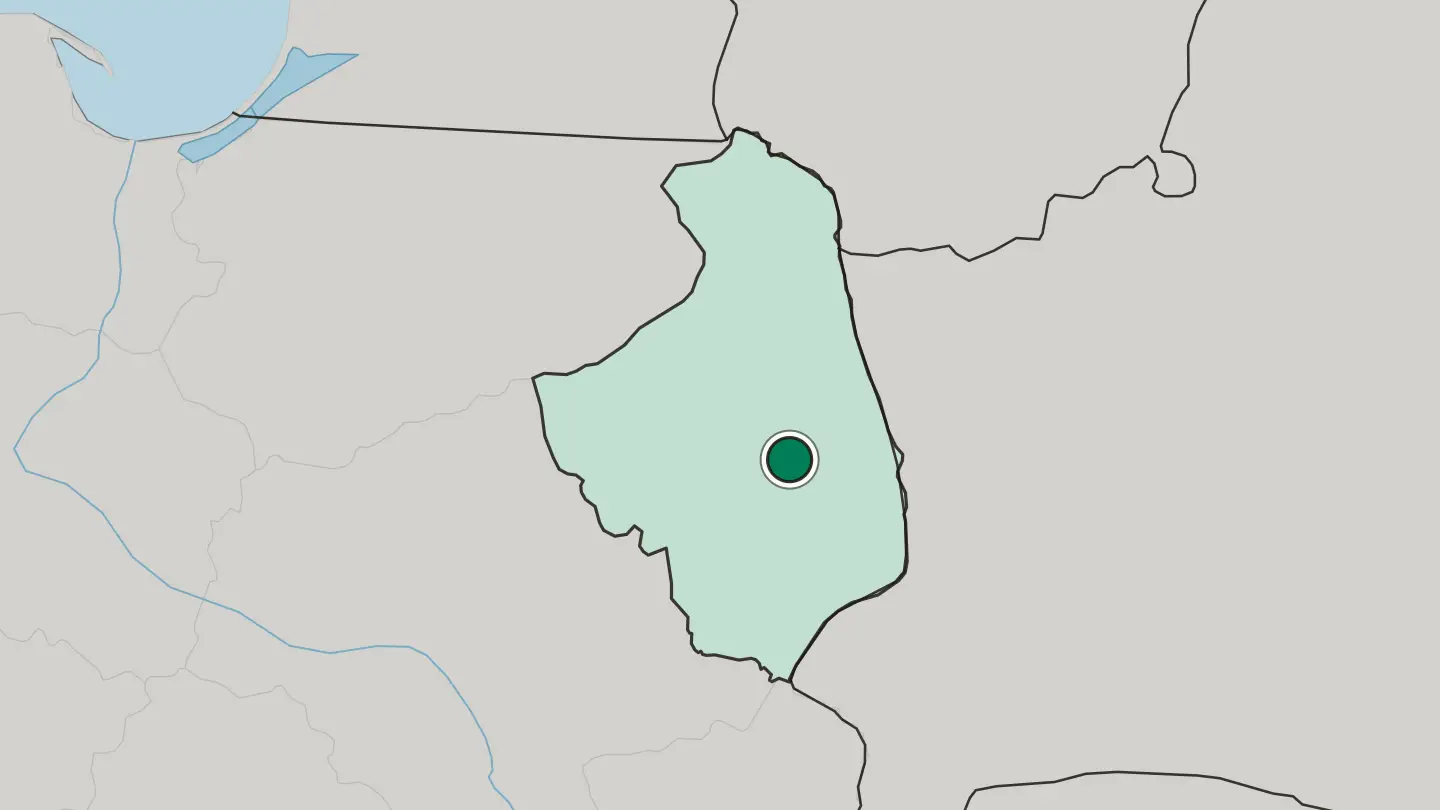
 Poland
Suwałki
Suwałki is a town of northeast Poland near the Lithuanian border, the seat of a lake-strewn borderland, and one of the coldest corners of the country.Where to stay →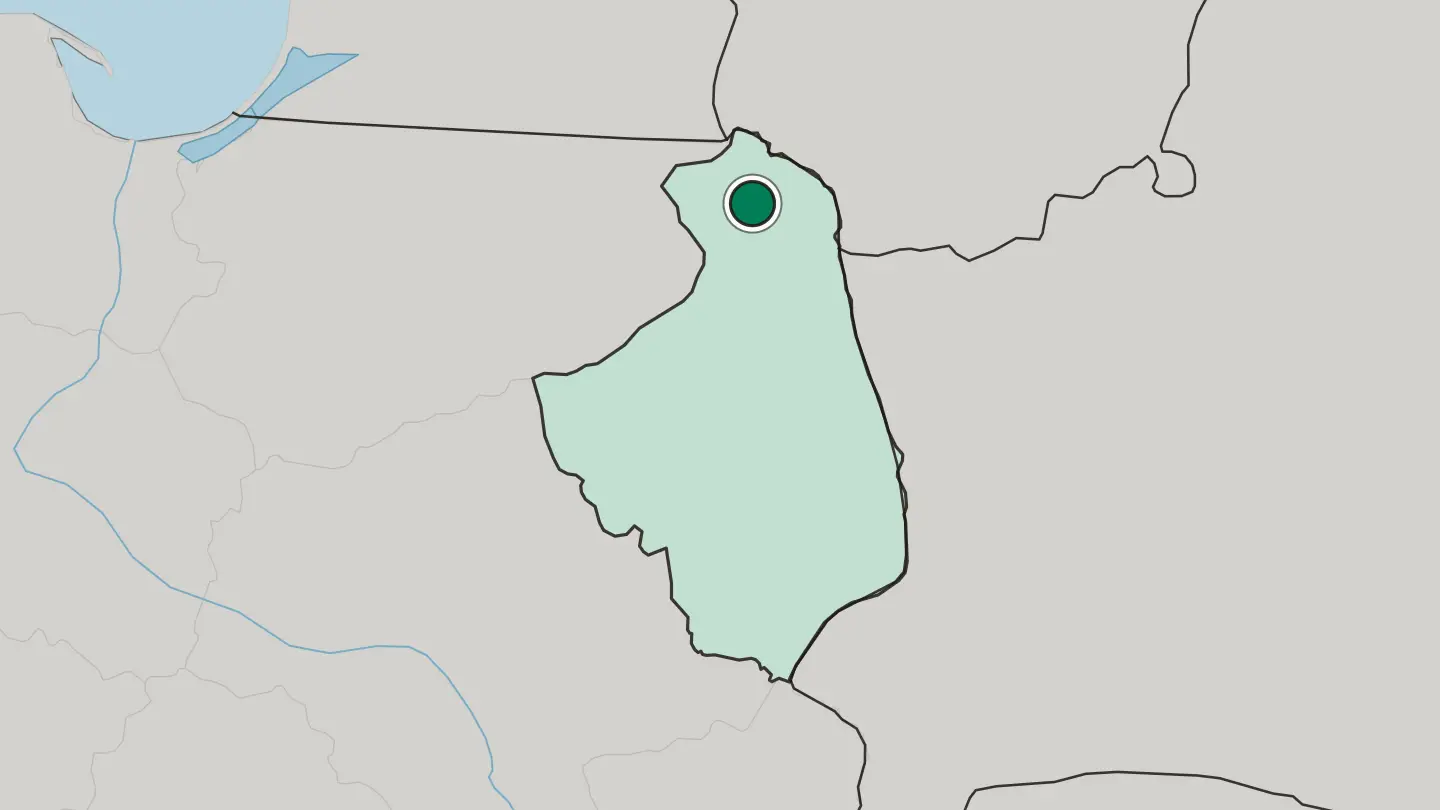
 Poland
Łomża
Łomża stands alongside the Narew in Podlaskie Voivodeship, a county seat and cathedral city that has held its own diocese since 1925.Where to stay →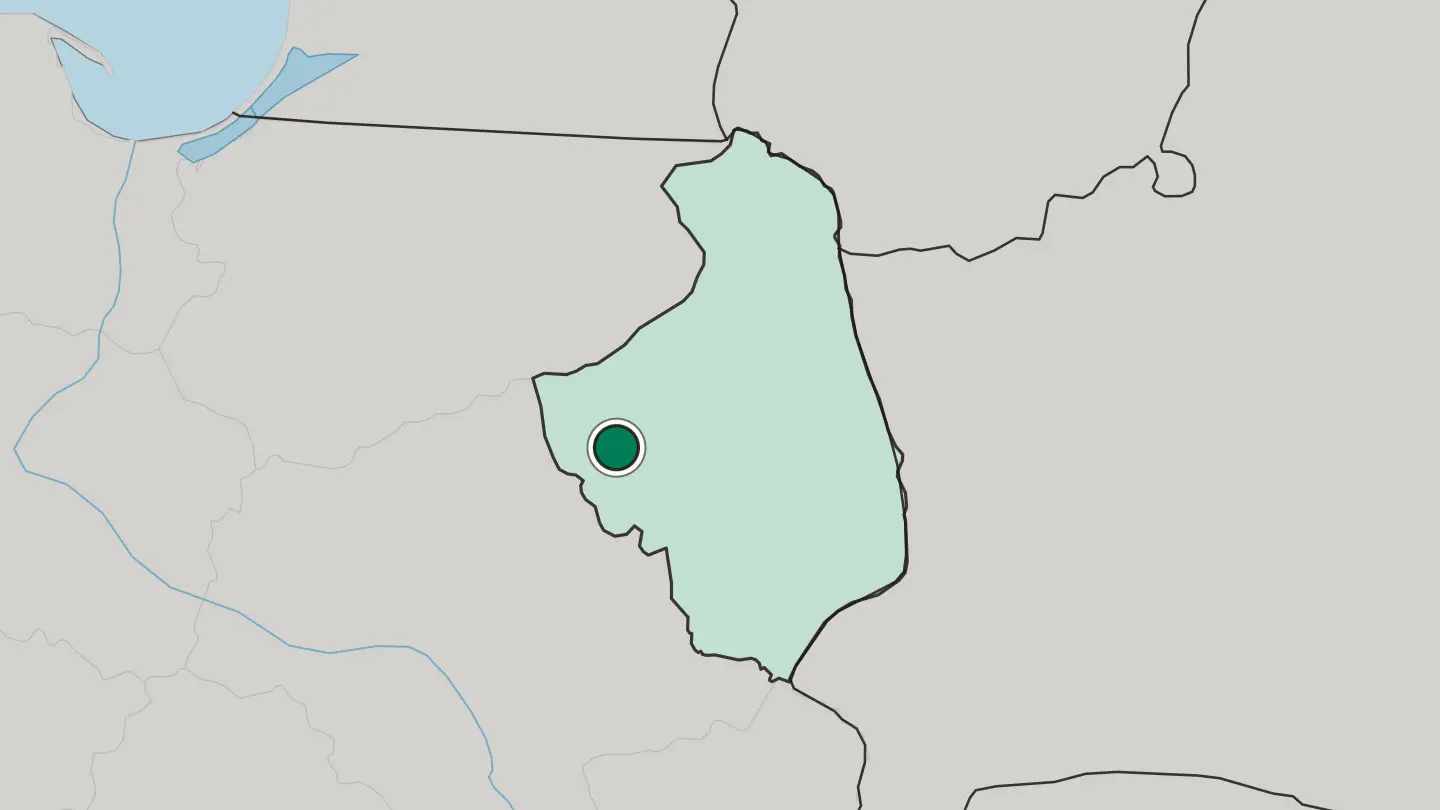
Hotel links are affiliate links: booking through them may earn us a commission, at no extra cost to you. It never affects how places are ranked. How this works
About Podlaskie Voivodeship
Forest and border.
What is Podlaskie Voivodeship known for?
Podlaskie fills the far north-east of Poland, pressed against Belarus and Lithuania, and about a third of it lies under trees. The great draw is the Białowieża Forest, the last stretch of primeval lowland woodland in Europe and home to the continent's wild bison. Białystok, the capital, anchors the region and holds its Baroque Branicki Palace.
Beyond the forest lie the marshes of the Biebrza, the wooden Tatar mosque at Kruszyniany, and the Baroque synagogue town of Tykocin.
Where is Podlaskie Voivodeship?
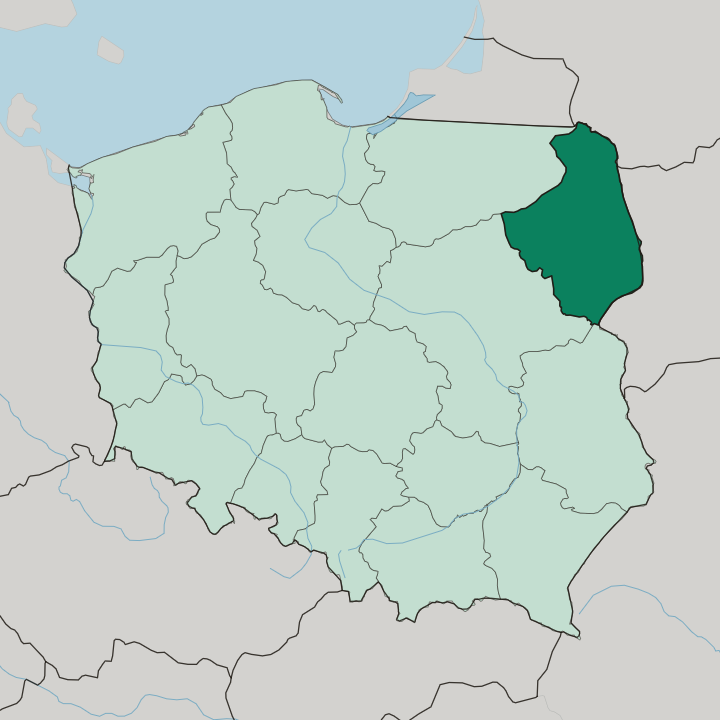
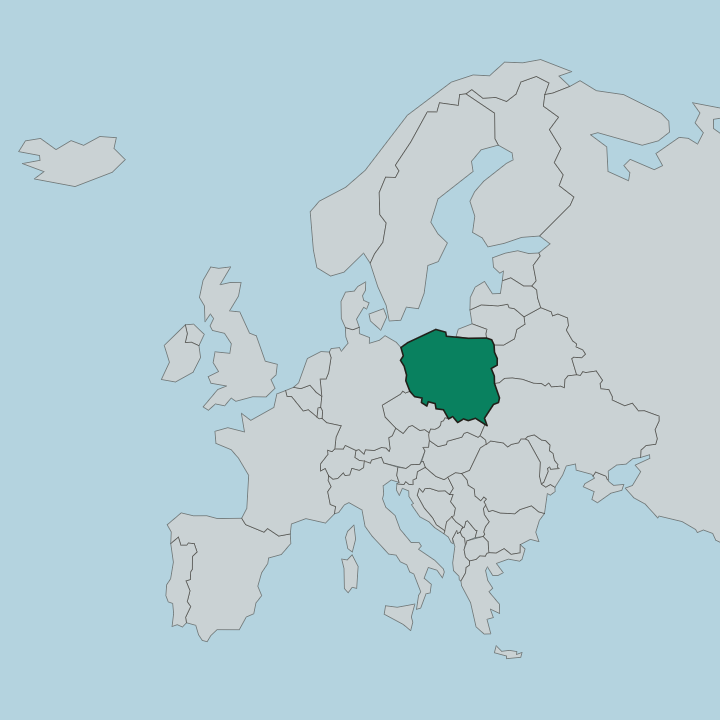
Podlaskie occupies the far north-eastern corner of Poland, cornered against Belarus to the east and Lithuania to the north. Its name comes from the historical land of Podlachia, which straddled the middle basin of the Bug. Three rivers write the shape of the province.
The Bug traces the southern edge, the Narew crosses the middle, and the Biebrza drains the great marshes in the north. Forest rules the rest. Trees cover roughly a third of the ground.
The famous stand is the Białowieża Forest, the last lowland primeval woodland left in Europe, sprawling across the Polish-Belarusian border south-east of Białystok and sheltering the wild bison that graze nowhere else on the continent in such numbers. The land tilts and folds toward the north, where glaciation left a hilly lake district around Suwałki, the highest and coldest ground in the province. Elsewhere it flattens into plains and river valleys.
Nearly a third of the whole voivodeship is protected. Four national parks lie within it, Białowieża, Biebrza, Narew, and Wigry, and the Biebrza marshes rank among the largest wetlands in Central Europe. Warsaw sits a couple of hours to the west by rail.
Everything else here bends toward the forest and the border.
What is Podlaskie Voivodeship like?
Podlaskie is the most mixed corner of Poland, a borderland where faiths and peoples have layered up for centuries. For generations Poles, Belarusians, Lithuanians, Jews, and Tatars all lived along these rivers, and their marks are still on the ground. Orthodox onion domes stand beside Catholic spires.
The clearest sign of that mix is in the villages. At Kruszyniany a wooden mosque, raised by Tatar cavalry settled here in the 17th century, is the oldest Muslim house of prayer in Poland, and a Muslim cemetery lies in the pines behind it. Supraśl guards a fortified Orthodox monastery and an entire museum of Eastern Christian icons.
Tykocin keeps one of Poland's grandest Baroque synagogues, once the heart of a wealthy Jewish community that the war destroyed. Białystok holds the region together as its capital, its Baroque Branicki Palace nicknamed the Versailles of Podlasie. The living culture leans rural and Orthodox in the eastern belt near Belarus, with harvest rites, sung liturgy, and a folk tradition of icon painting.
Wood is the regional material, in mosques, churches, and the painted village houses. Polish is the language spoken everywhere. Old faiths still share the land.
What is the history of Podlaskie Voivodeship?
The land takes its name from Podlachia, a frontier between the Polish crown and the Grand Duchy of Lithuania that changed hands across the medieval centuries. Tykocin was chartered as a royal town in 1425, and later held a castle where the kings stored their regalia. The modern province is young.
Podlaskie Voivodeship was drawn in 1999, when Poland redrew its map into sixteen regions and joined the old Białystok and Łomża areas into one. Białystok itself grew from a private town of the Branicki family into the capital of the whole north-east.
What is the climate of Podlaskie Voivodeship?
Podlaskie is the coldest part of Poland. Its continental climate runs to long, hard winters and warm summers, sharpened by air pushing in from Scandinavia and the east. The north around Suwałki is the sharpest of all, nicknamed the Polish pole of cold, where frost holds for months and January stays below freezing longer than anywhere else in the country.
The Biebrza marshes flood and freeze with the seasons. Snow lies deep and long over the Białowieża Forest.
How do you get to Podlaskie Voivodeship?
Most travellers reach Podlaskie through Białystok. Fast trains run out from Warsaw in under two hours, and the capital's Chopin Airport is the nearest major air gateway, linked on by coach and rail. Białystok is the hub, and from its station regional trains fan out to Suwałki in the north and Łomża to the west.
The forest villages take a car or a bus. Białowieża lies about an hour's drive south-east, deep toward the Belarusian line.
Common questions
What is the best area to stay in Podlaskie Voivodeship?
Białystok: a first base for Podlaskie. Białowieża: the primeval bison forest. Supraśl: the Knyszyn Forest and icon monastery. Suwałki: the northern lake country.
Good for
More regions in Poland
Updated September 2026