Poland · Podlaskie Voivodeship
Where to Stay in Łomża, Podlaskie Voivodeship
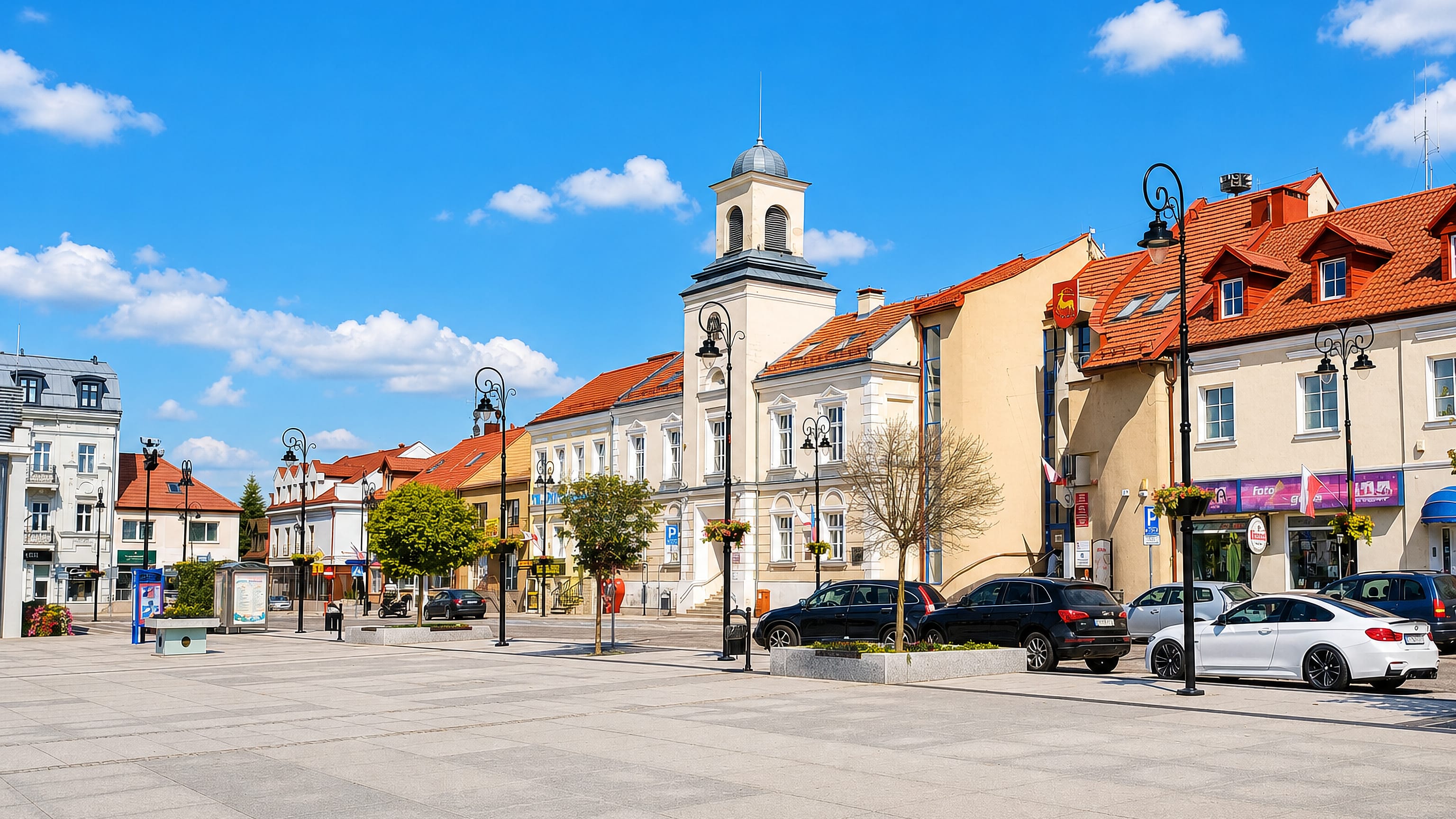
Łomża stands alongside the Narew in Podlaskie Voivodeship, a county seat and cathedral city that has held its own diocese since 1925.
Hotel links are affiliate links: booking through them may earn us a commission, at no extra cost to you. It never affects how places are ranked. How this works


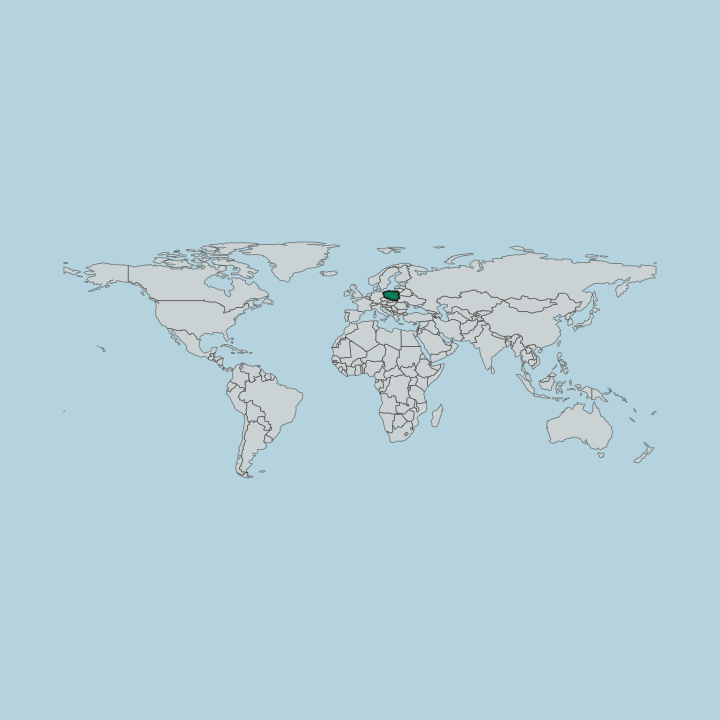
Where to stay in Łomża
Where visitors usually base themselves, and why.
Łomża keeps its beds close to the Church of the Assumption. That centre is compact. The cathedral, Muzeum Diecezjalne w Łomży, and the main shopping frontages occupy a handful of streets, so a stay there covers most of what the city itself asks of a visitor, and the walk down to the Narew takes only minutes.
The New Jewish cemetery and the friary of the Capuchins in Łomża lie within the same walk. Wzgórze Świętego Wawrzyńca is the quieter option, high over the valley, though the climb back up is real and rooms on that side are few. Across the water, Piątnica changes the calculation entirely.
If you have come for Przedmoście Piątnica and the Church of the Transfiguration in Piątnica, sleeping on the far bank saves the crossing twice a day, and the fort works stand at the door rather than a walk away. Choice is limited on either side. Białystok and Warsaw both sit within a day of road travel, so a visitor unwilling to settle for a small-town room can treat Łomża as a stop instead of a base, and Muzeum Północno-Mazowieckie w Łomży rewards even a short one.
Find hotels in Łomża
Direct booking searches for these neighbourhoods.
Centre by the Church of the Assumption
A few streets around the Church of the Assumption hold Muzeum Diecezjalne w Łomży and the main frontages.Find hotels in Centre by the Church of the Assumptionwalkers who want the Narew valley from the high groundWzgórze Świętego Wawrzyńca
The hill above the valley, quiet after dark and a short descent into the centre of Łomża. Rooms are few around here — worth securing early.Find hotels in Wzgórze Świętego Wawrzyńcaa base on the far bank for the Przedmoście Piątnica fort worksPiątnica
Across the Narew beside the fort works and the Church of the Transfiguration in Piątnica. Beds are limited here, so book early.Find hotels in PiątnicaHotel links are affiliate links: booking through them may earn us a commission, at no extra cost to you. It never affects how places are ranked. How this works
Things to do in Łomża
Ranked by global recognition; descriptions from Wikidata (CC0).
Museums & Galleries
1- Muzeum Północno-Mazowieckie w Łomży
Churches & Religious Sites
6- Capuchins in Łomża Heritage
- Church of the Assumption in Łomża Heritage
- Holy Trinity and Saint Mary church in Łomża Heritage
- Church of the Transfiguration in Piątnica Heritage
- Our Lady of Sorrows church in Łomża Heritage
Show 1 more →
- Klasztor Heritage
Castles & Historic Sites
1- Wzgórze Świętego Wawrzyńca
Landmarks & Notable Places
5- Dom (z oficyną) Heritage
- Dom Ludowy Heritage
- Dom grabarza Heritage
- Dom pastora Heritage
- Dom przedpogrzebowy Heritage
worth knowingacross 4 categories in Łomża
About Łomża
Łomża is known first as a cathedral city.
What is Łomża known for?
The Roman Catholic Diocese of Łomża has been seated here since 1925, and the Church of the Assumption together with Muzeum Diecezjalne w Łomży anchors that role for the surrounding country. The Narew does the rest. Two museums, the friary of the Capuchins in Łomża, and the fort works of Przedmoście Piątnica across the river give the town more to show than its size suggests.
What are the main landmarks in Łomża?
The Church of the Assumption dominates. Muzeum Północno-Mazowieckie w Łomży and Muzeum Diecezjalne w Łomży hold the collections, one civic and one ecclesiastical, a few streets apart in the centre. Wzgórze Świętego Wawrzyńca gives the long view over the valley.
Across the Narew, Przedmoście Piątnica and the Church of the Transfiguration in Piątnica repay the walk, while the New Jewish cemetery and the friary of the Capuchins in Łomża sit closer in.
What is the history of Łomża?
Wzgórze Świętego Wawrzyńca carries the oldest memory of the place, a hill over the Narew that was settled before the town below it took its present shape. The Church of the Assumption followed. It became the principal church of Łomża and in time the seat of a bishop, while the Capuchins in Łomża and the Holy Trinity and Saint Mary church filled out the ecclesiastical map of the town.
A second community left the New Jewish cemetery, its gravedigger's house and pre-burial house still standing at the edge of the ground. Garrison work shaped the modern town. A barracks complex, a guardhouse, and the fort works of Przedmoście Piątnica on the far bank belong to the decades when this stretch of the Narew was held as a defended line, and those buildings survive as listed fabric rather than as ruins.
The diocese arrived in 1925. Łomża has been the seat of the Roman Catholic Diocese of Łomża since then, and it administers Łomża County within Podlaskie Voivodeship. Civic building left its own marks: Dom Ludowy, the post office complex, and the Hotel Metropol, which passed to a vocational school. Muzeum Północno-Mazowieckie w Łomży and Muzeum Diecezjalne w Łomży keep the two strands of that record apart.
Where is Łomża?
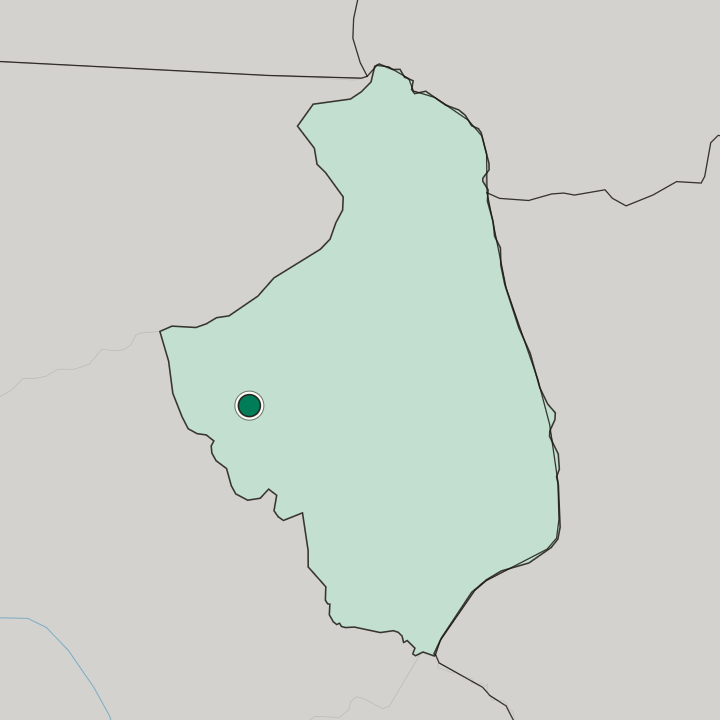
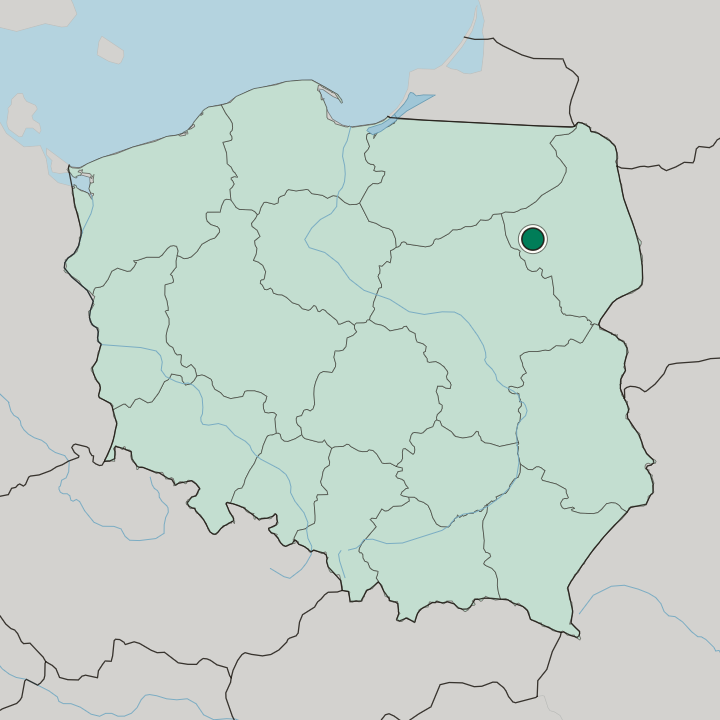
The Narew runs past the foot of the town, and Łomża spreads over the higher ground behind it, roughly thirty-three square kilometres of bluff and plain. Piątnica lies across the water. Wzgórze Świętego Wawrzyńca marks the oldest of that high ground, and the farm country of Podlaskie Voivodeship opens out past it, with Białystok away to the east and Warsaw far to the south-west.
What is the climate of Łomża?
Winter arrives early on the Narew and holds. The valley funnels cold air down off the plains of Podlaskie Voivodeship, and frost lingers on the low meadows beside the river long after it has left the streets on the hill above. Warmth comes late.
The swing from a frozen channel to a warm, humid August is the shape of the year here.
How do you get to Łomża?
The road brings almost everyone in. Warsaw lies roughly 150 kilometres away to the south-west and Białystok about 80 kilometres to the east, and the routes from both converge on the Narew crossing that links Łomża to Piątnica on the far bank. The crossing is the pinch point.
From it the streets climb toward the centre and Wzgórze Świętego Wawrzyńca.
Common questions
What is the best area to stay in Łomża?
Centre by the Church of the Assumption: seeing the cathedral and the diocesan museum without a car. Wzgórze Świętego Wawrzyńca: walkers who want the Narew valley from the high ground. Piątnica: a base on the far bank for the Przedmoście Piątnica fort works.
Good for
More cities in Podlaskie Voivodeship
Updated October 2026