Palestine · Gaza Strip
Where to Stay in Jabālyā, Gaza Strip
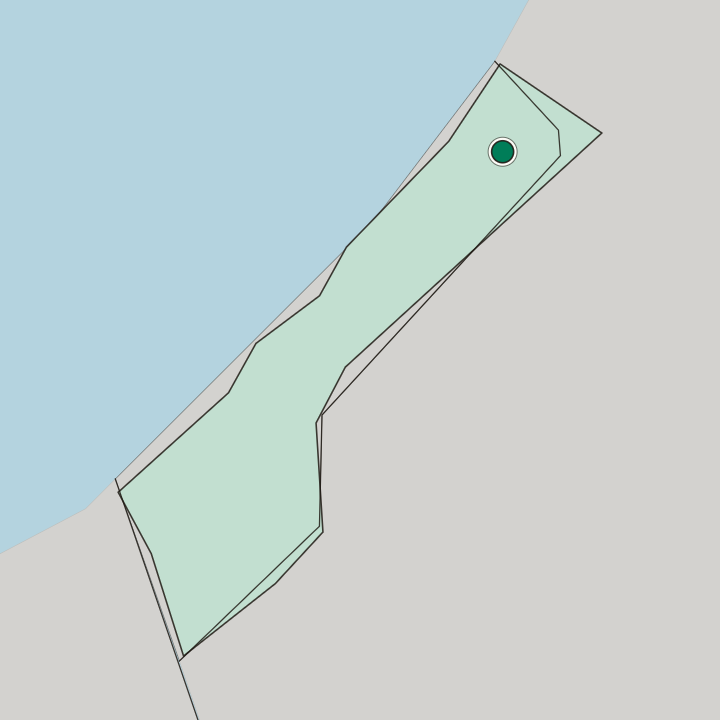
Jabālyā lies four kilometres north of Gaza City; its municipality takes in the town of Nazla and the Jabalia refugee camp.
Find your area →


Where to stay in Jabālyā
Where the beds are, and what that means for the visit.
Gaza City is four kilometres away. That closeness governs the whole question, because a city this near a larger one seldom develops a visitor quarter of its own, and the buildings that serve travellers in this part of the Gaza Strip are concentrated at the Gaza City end of the run. Funduq al-Matḥaf is the named one.
It stands toward Gaza City rather than in Jabālyā, which leaves a short move between a bed and the Byzantine Church of Jabalia. The municipality is not one fabric. Jabālyā proper, the town of Nazla and the Jabalia refugee camp each hold their own ground inside a single municipal boundary, so an address here says more about which of those three it belongs to than about any district in the ordinary sense.
Nazla was a village council. Its merger into the city still describes the shape of the place, and it explains why the built-up area reads as several settlements rather than as one centre with edges. Gaza City holds the museums.
The Gaza Museum of Archaeology and the Church of Saint Porphyrius sit down there, so anyone who wants those and the Byzantine Church of Jabalia in one visit is committing to the same four kilometres twice.
About Jabālyā
One church carries the name.
What is Jabālyā known for?
The Byzantine Church of Jabalia is the site that ties this city to the Byzantine centuries, and the Blakhiya Byzantine cemetery gives the same period a burial ground nearby. The municipality is unusually composite. Alongside Jabālyā itself it contains the Jabalia refugee camp and the town of Nazla, which held its own village council until the merger brought it inside the city boundary.
What are the main landmarks in Jabālyā?
The Byzantine church is the local one. Byzantine Church of Jabalia bears the city's own name, and the Blakhiya Byzantine cemetery supplies the same era with a burial ground within reach of it. Everything else belongs to Gaza City.
The Church of Saint Porphyrius, the Holy Family Church and the Gaza Museum of Archaeology are named down there, with Funduq al-Matḥaf standing among them.
What is the history of Jabālyā?
Byzantine layers come first. The Byzantine Church of Jabalia and the Blakhiya Byzantine cemetery both attach to this stretch of the Gaza Strip, and a church bearing the city's own name is the plainest sign that Jabālyā counted as a place worth building in long before any modern boundary was drawn around it. Continuity did the rest.
A settlement four kilometres from Gaza City grows in the lee of the larger place, and much of what happened here is recorded through Gaza City rather than on its own account. The municipality took its shape in parts. The Jabalia refugee camp lies inside the area the city administers, and the record treats it as a distinct component of the municipality rather than as a quarter of the older town.
Nazla joined later. That town kept its own village council until it was merged into Jabālyā, which is why the municipal area holds three named components instead of one continuous city. Churches carry the wider record.
The Church of Saint Porphyrius and the Holy Family Church stand in Gaza City, and the Gaza Museum of Archaeology gathers the material that the Byzantine and earlier layers of the North Gaza Governorate have produced.
Where is Jabālyā?
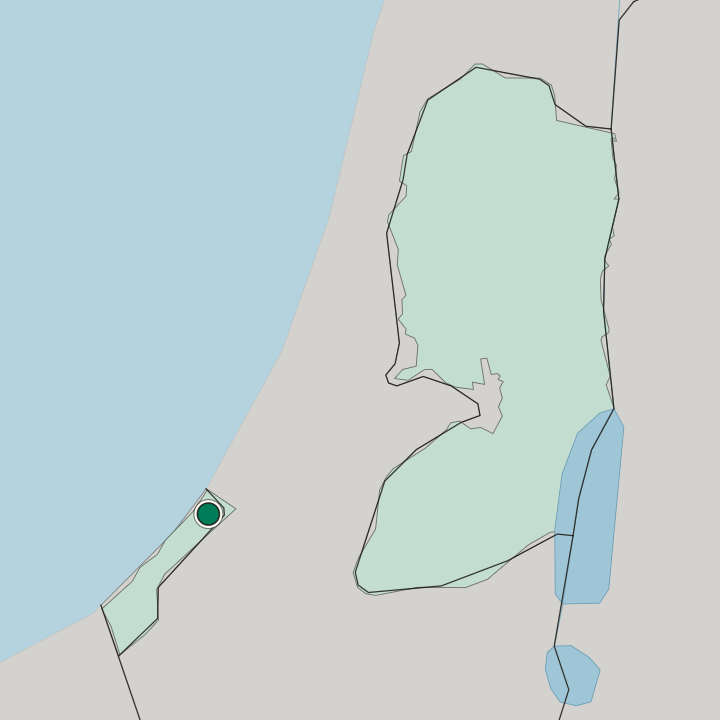
Four kilometres separate the two cities. Jabālyā stands north of Gaza City inside the North Gaza Governorate, and its municipal area carries the town of Nazla and the Jabalia refugee camp alongside the city proper. Three components, one boundary.
The subtropical band covers the whole of that area, and the Byzantine Church of Jabalia sits on the same municipal ground as the streets that share its name.
What is the climate of Jabālyā?
Jabālyā and Gaza City share one climate. Four kilometres cannot hold two of them, so the subtropical pattern of long dry summers and one short wet winter applies across the North Gaza Governorate and everything the municipality contains. Shade is short in summer.
The Blakhiya Byzantine cemetery and the open ground around it take the same weather as the streets of Nazla, since nothing in the governorate stands far enough from anything else to differ.
How do you get to Jabālyā?
The approach is from Gaza City. Four kilometres of road link the two, which makes Jabālyā the closest thing the North Gaza Governorate has to an extension of the larger city, and most arrivals come along it. Nazla lies beyond that.
Everything else turns on access: reaching the Gaza Strip at all is governed by its crossings, so the four kilometres up from Gaza City are the simplest stage of any journey that gets this far.
Good for
More cities in Gaza Strip
Updated October 2026