Palestine · Gaza Strip
Where to Stay in Gaza, Gaza Strip
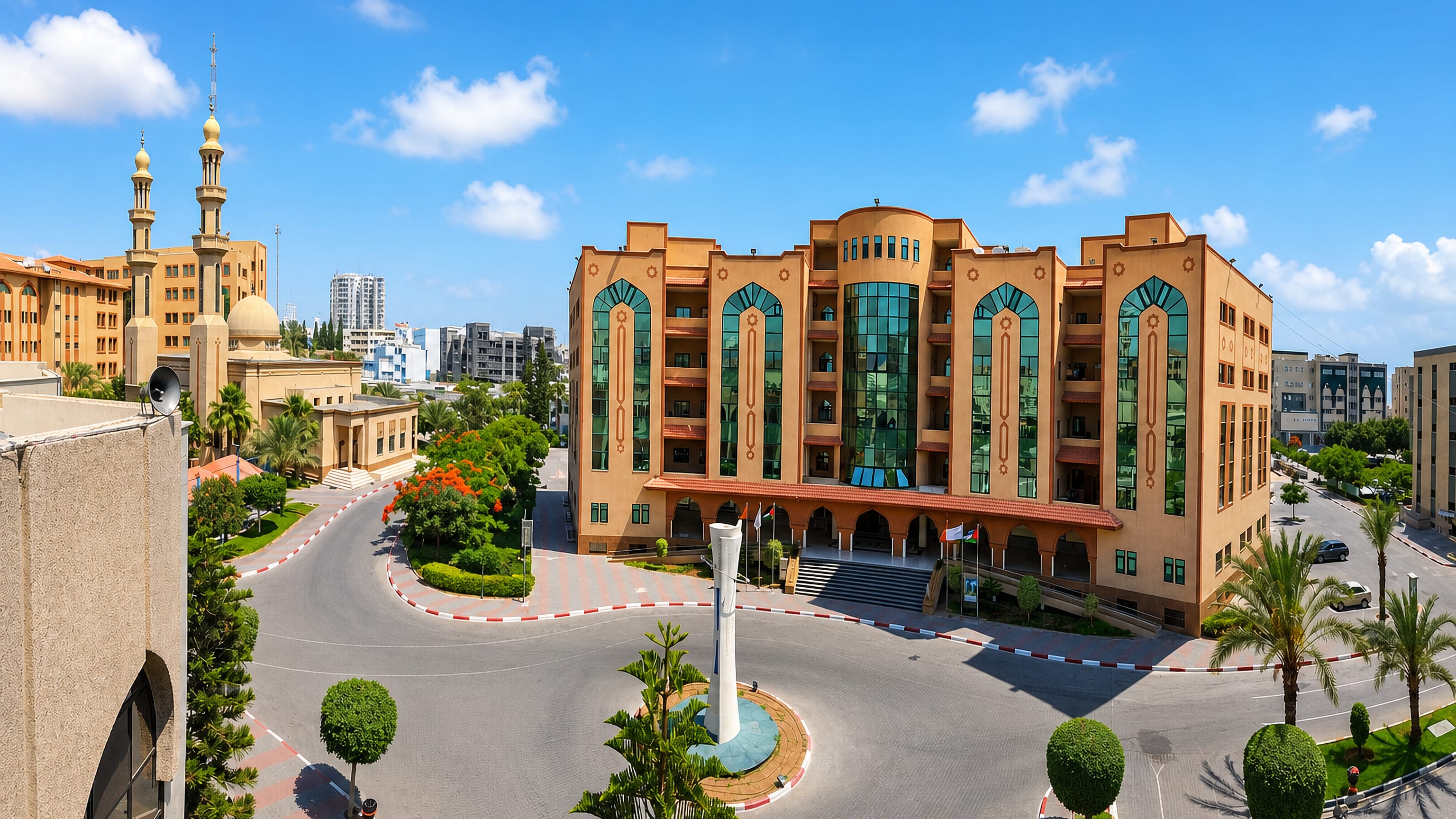
The Mediterranean edges the shore at Gaza, the largest city of the Gaza Strip, known for the Church of Saint Porphyrius and Tell Ali Muntar.
Find your area →


Where to stay in Gaza
Not every neighbourhood fits every trip — here's what each one is good for.
 GazaPalestine
Sabra
Sabra is a central neighbourhood of Gaza, Palestine, holding the ancient Church of Saint Porphyrius near the old city.Sabra →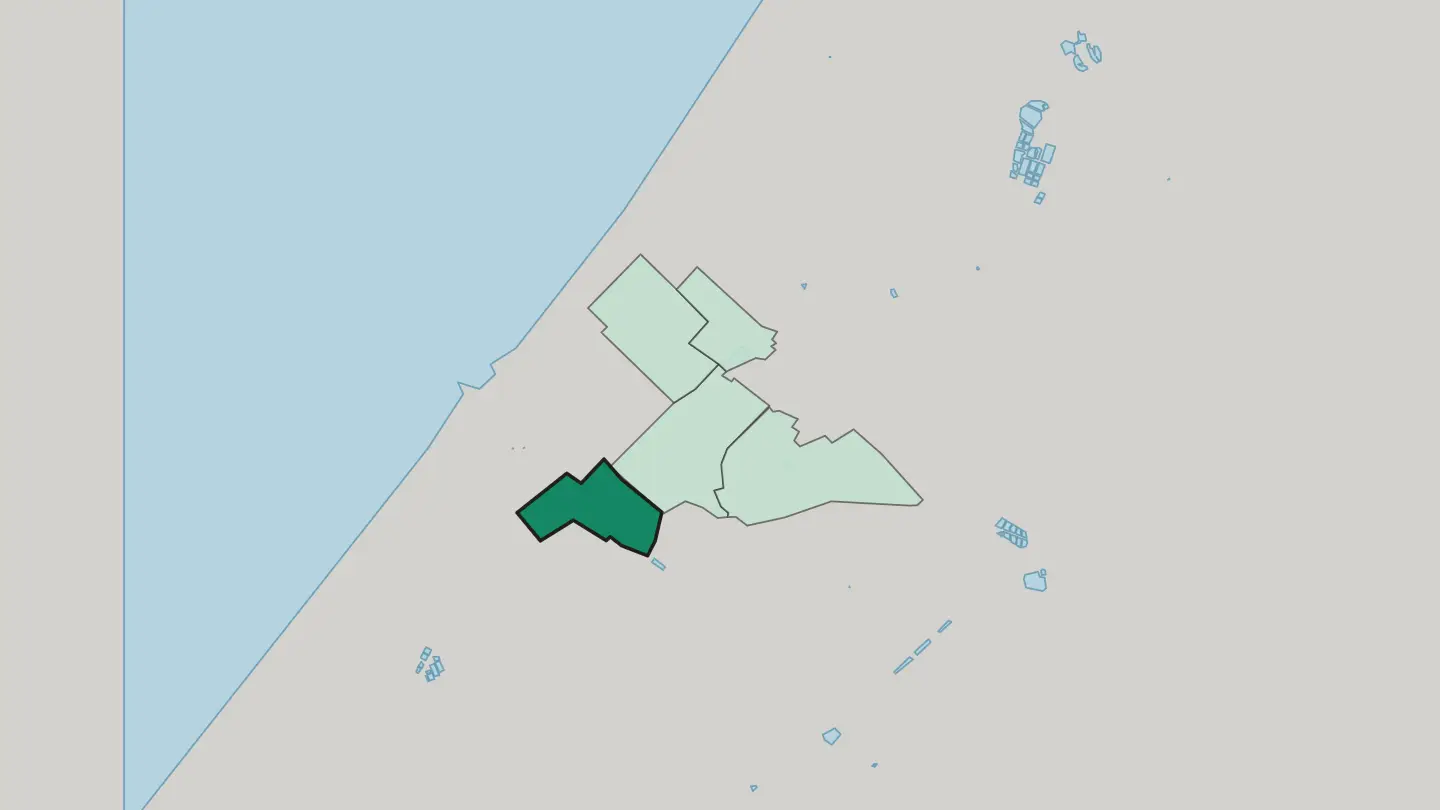 GazaPalestine
Al-Daraj
Al-Daraj is the old quarter of Gaza, Palestine, holding the Church of Saint Porphyrius.Al-Daraj →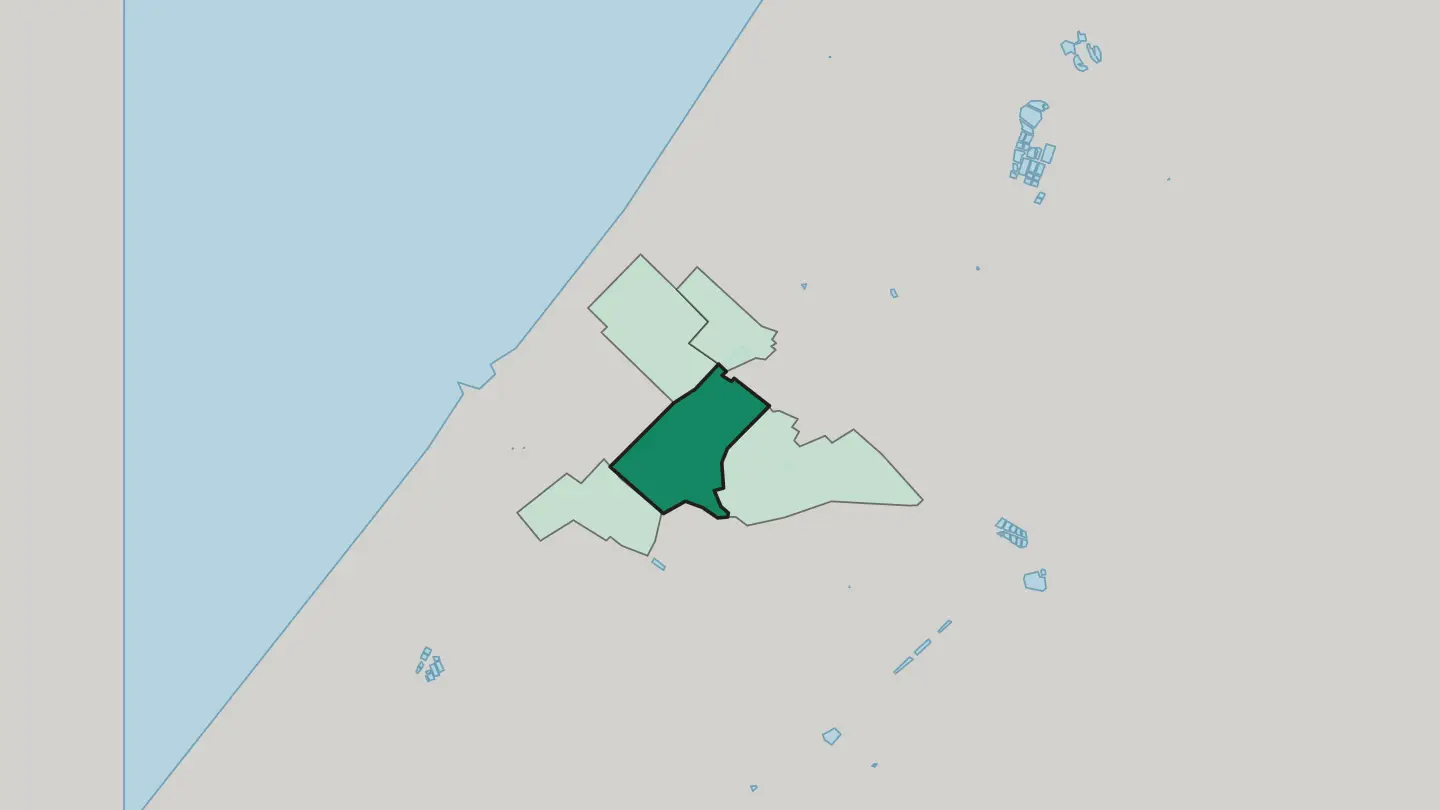 GazaPalestine
Tuffah
Tuffah is an eastern quarter of Gaza, rising toward the Tell Ali Muntar ridge above the old walled town.Tuffah →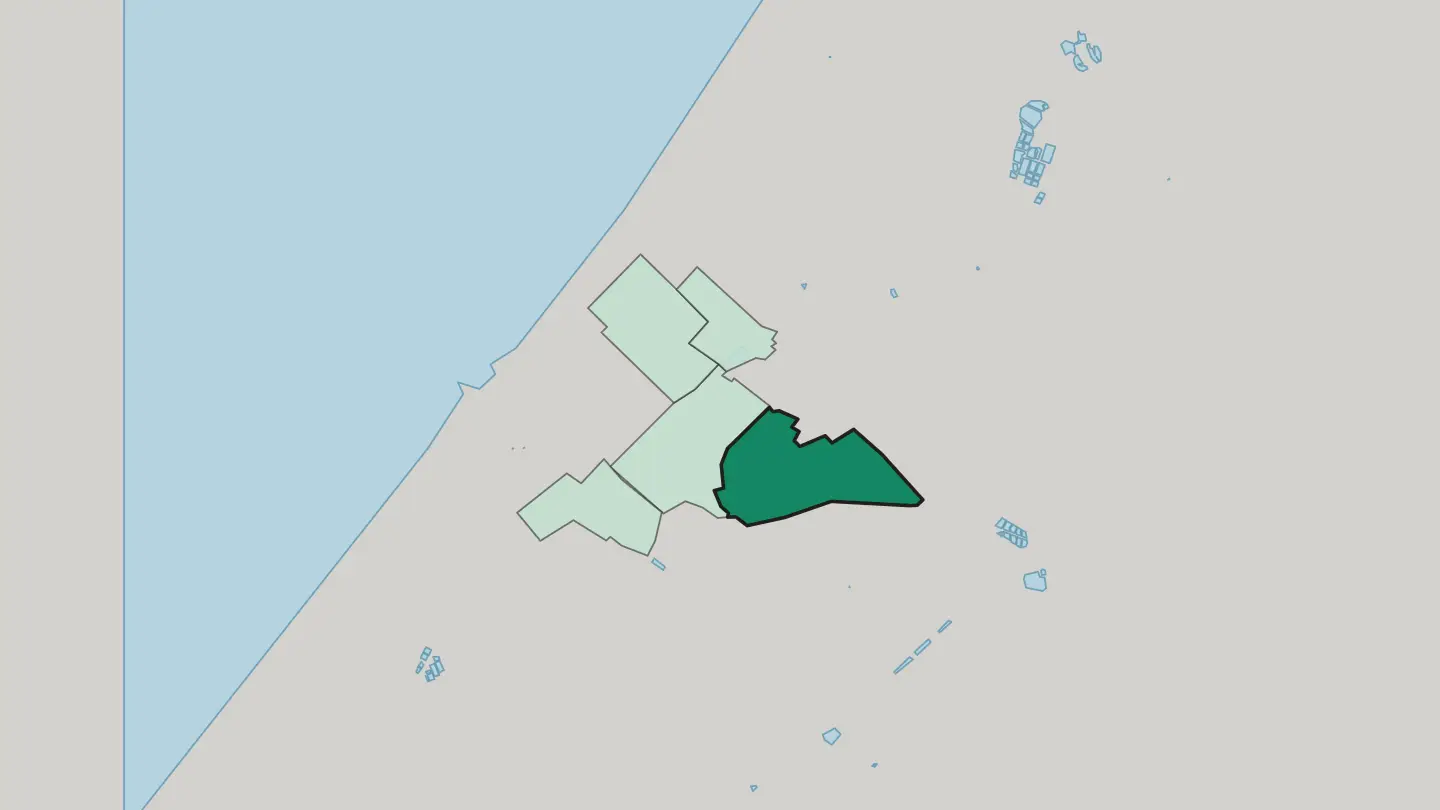 GazaPalestine
Nasser
Nasser is a district of Gaza laid out in 1957, its streets set near the Gaza Museum of Archaeology and the Holy Family Church.Nasser →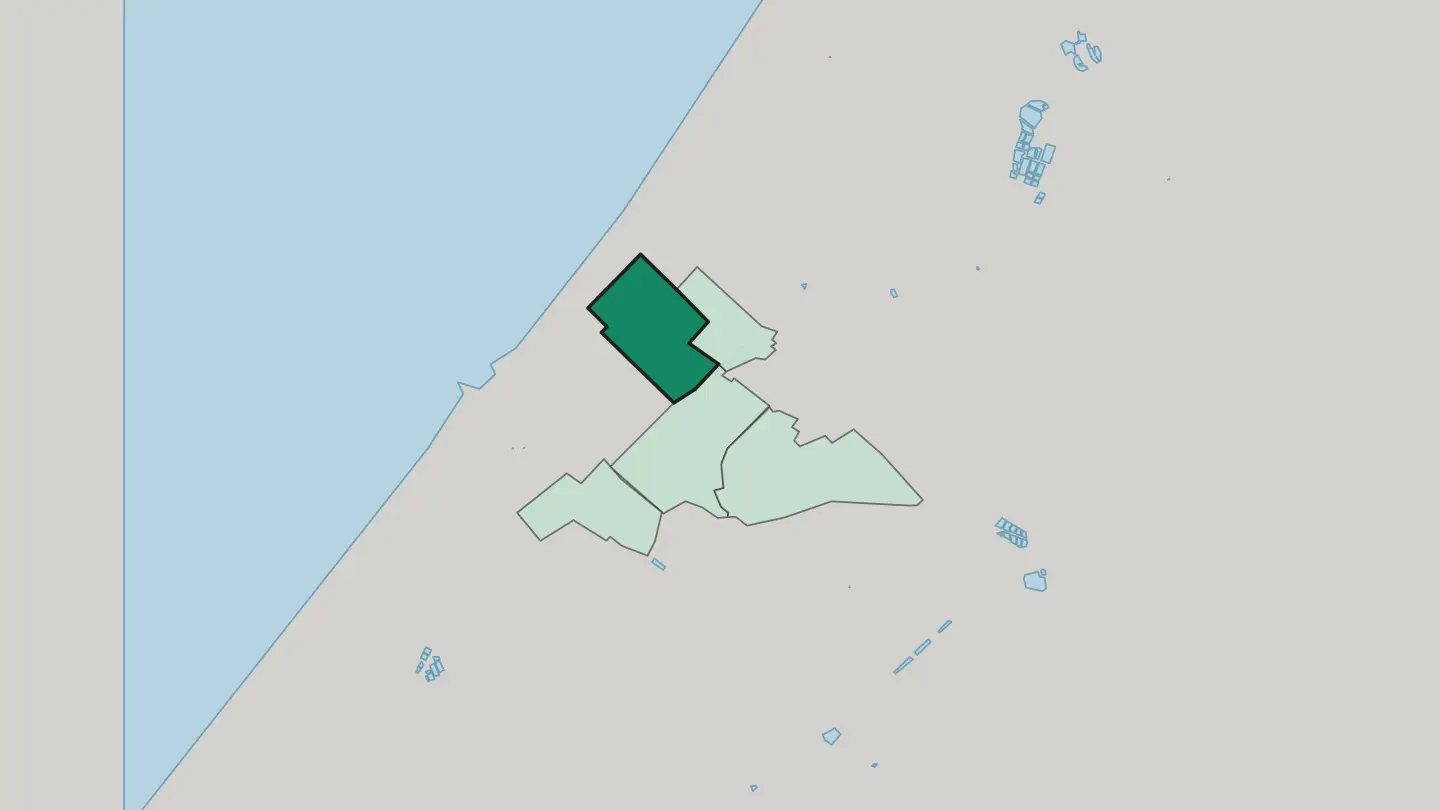 GazaPalestine
Sheikh Radwan
Sheikh Radwan is a district of Gaza City, set northwest of the centre between al-Shati camp, Rimal, and Jabalia.Sheikh Radwan →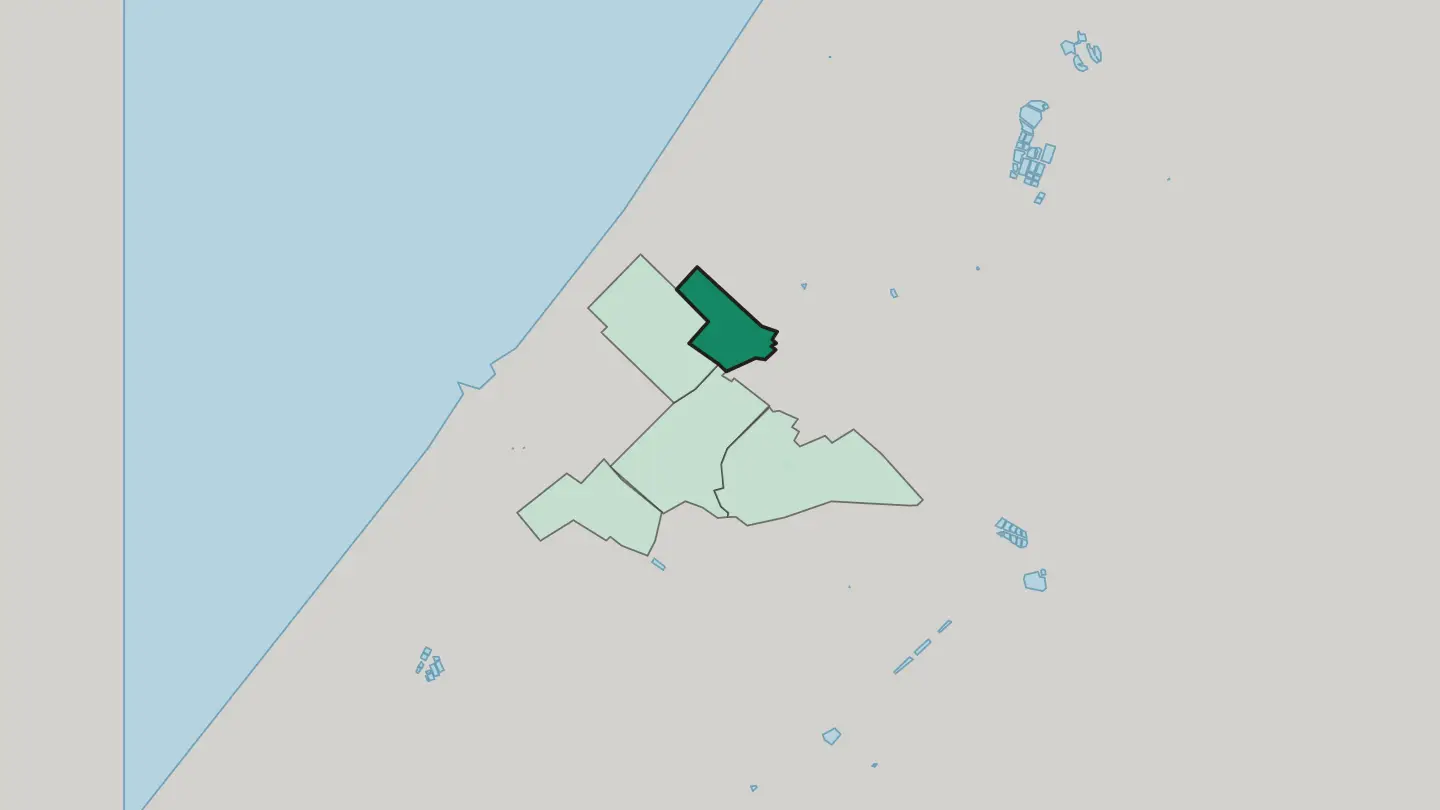
Things to do in Gaza
Ranked by global recognition; descriptions from Wikidata (CC0).
Museums & Galleries
2- Funduq al-Matḥaf Heritage
- Gaza Museum of Archaeology
Churches & Religious Sites
2- Church of Saint Porphyrius
- Holy Family Church
Castles & Historic Sites
3- Gaza synagogue
- Byzantine Church of Jabalia
- Blakhiya Byzantine cemetery
Nature & Outdoors
1- Gaza Zoo
worth knowingacross 4 categories in Gaza
About Gaza
What is Gaza known for?
Gaza is known for its old religious buildings and its archaeology. The Church of Saint Porphyrius and the Holy Family Church stand among the streets of the old city, and the remains of the Gaza synagogue survive from a much earlier congregation on the Mediterranean coast. History reaches far back beneath Gaza's streets.
The hill of Tell Ali Muntar rises over the town, while El Iblakhiya, the Samian Ware discovery site, marks where Roman-era pottery came to light.
What are the main landmarks in Gaza?
Gaza holds several heritage sites within a small area. The Church of Saint Porphyrius and the Holy Family Church stand among the old streets, while the remains of the Gaza synagogue survive from earlier centuries. Two landmarks orient the city.
Tell Ali Muntar, an ancient mound, rises inland, and the Kuwait Roundabout marks a junction in the newer quarters. At El Iblakhiya, Samian Ware pottery came to light from the Roman-era town.
What is the history of Gaza?
Gaza's past is read through the ground it stands on. Its age is the first fact. Tell Ali Muntar, a mound built up from long human settlement, gathers the layers of the earliest town, and archaeology across the site records occupation reaching back through many centuries on the Mediterranean coast.
At El Iblakhiya the discovery of Samian Ware, a fine Roman-era pottery, marks the reach of the classical world along this shore. Trade came by sea, and the coastal setting tied Gaza to the wider Mediterranean world through the centuries of antiquity. The evidence sits in the earth.
Later communities left their own marks on Gaza. The Church of Saint Porphyrius and the Holy Family Church carry the Christian heritage of the city, while the remains of the Gaza synagogue record a Jewish presence from earlier in its history. These are the survivals of a town where different communities lived along the same coast, each leaving a building or a ruin among the streets.
Worship shaped the streets. Around these older sites the wider town has spread over the flatter ground toward the Kuwait Roundabout, one period settling over another between Tell Ali Muntar and the Mediterranean coast.
Where is Gaza?
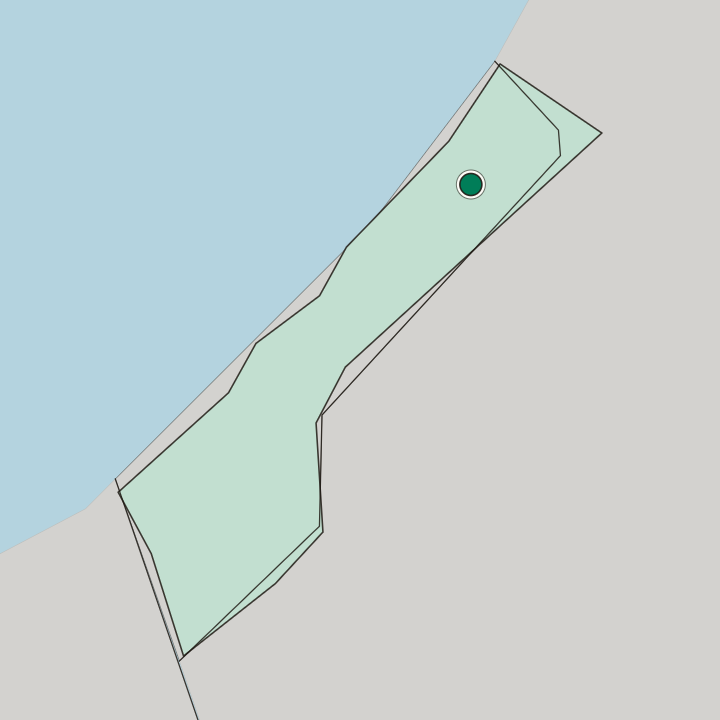
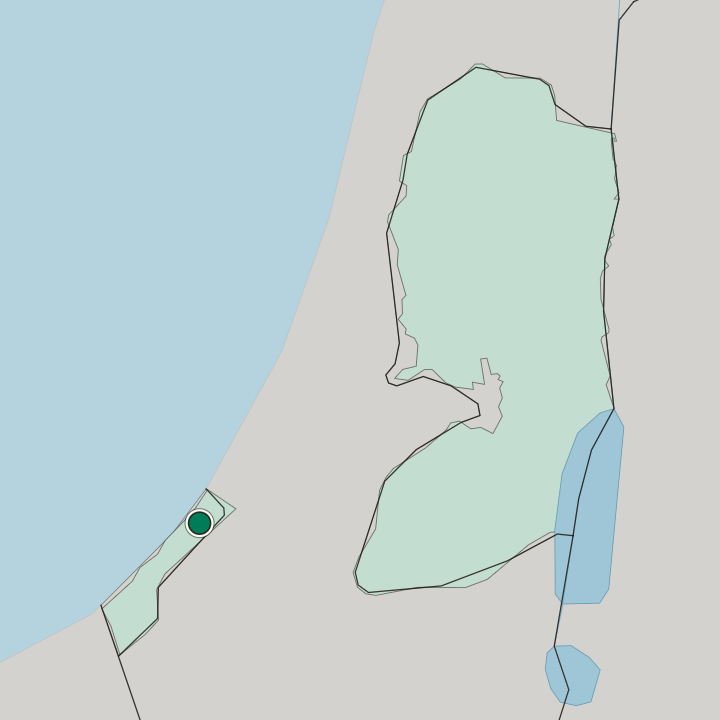
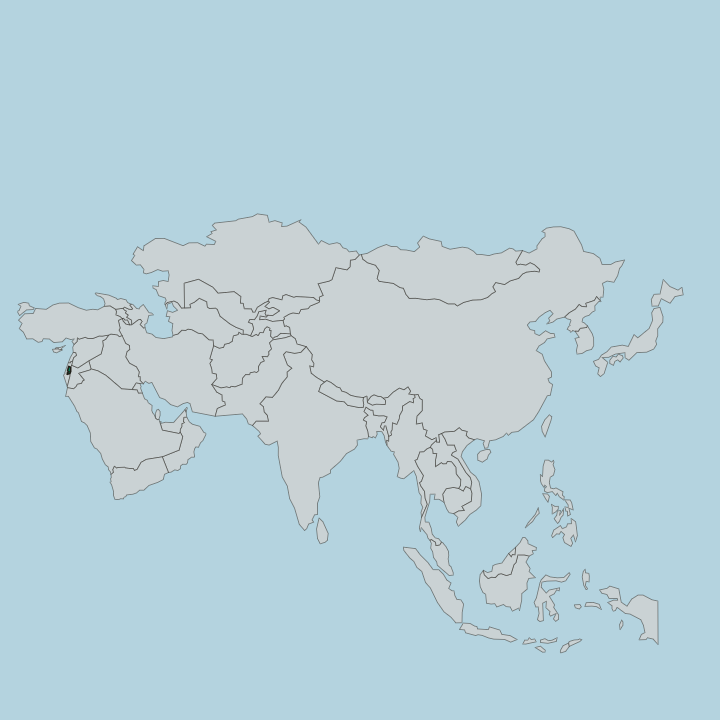
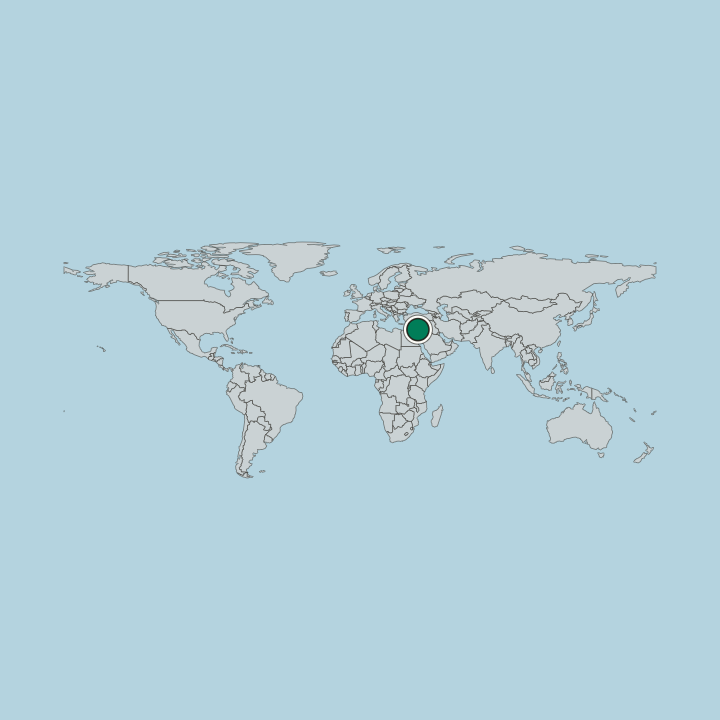
Gaza lies on the Mediterranean coast, the largest city of the Gaza Strip, a Palestinian territory in the Middle East. The sea sets its western edge. Flat coastal ground runs inland from the shore, rising gently toward the mound of Tell Ali Muntar that overlooks the town.
The Mediterranean Sea shapes the setting, and the compact city spreads across a small stretch of coastal plain between the water and the rising ground inland.
What is the climate of Gaza?
Gaza has a warm Mediterranean climate, shaped by its place on the coast. Summers run long, hot, and dry. Mild, wetter winters follow, when most of the year's rain reaches the coastal plain of the Gaza Strip off the sea.
The subtropical setting keeps hard frost away from the shore, and the Mediterranean Sea moderates the summer heat through much of the coastal year.
How do you get to Gaza?
Gaza sits on the coastal plain of the Gaza Strip, and travel reaches it overland along the Mediterranean shore. The coast guides the routes. Roads run the length of the narrow territory, threading through the city past junctions such as the Kuwait Roundabout toward the surrounding towns of the Strip.
The sea lies to the west, closing off that side, so all land approaches follow the coastal corridor between Gaza and its neighbours.
More cities in Gaza Strip
Updated September 2026