Palestine · Gaza Strip
Where to Stay in Rafaḩ, Gaza Strip
Rafah stands on the coastal plain of the southern Gaza Strip, seat of the Rafah Governorate, marked by the ancient mounds of Tel Zourob and Tell Ridan.
Find your area →


Where to stay in Rafaḩ
Where the beds are, and what that means for the visit.
Rafah lies on the flat coastal plain of the southern Gaza Strip, and its ground spreads across a small stretch of the plain toward the Mediterranean shore. Everything sits close together here. Its centre gathers around the ordinary streets of the governorate seat, set back a little from the two ancient mounds that mark the edges of Rafah, and the older heritage ground lies at the town's rim rather than at the middle of its everyday quarters.
The plain stays level here. That flat ground shapes how the town sits, with its streets reaching out across the low coastal stretch of the southern Gaza Strip rather than climbing any rise. Toward the western side, the coastal plain runs down to the Mediterranean, the sea that closes off the seaward edge of Rafah and the wider southern Gaza Strip.
The mounds anchor the town's story. Tel Zourob and Tell Ridan sit apart from the built-up streets, and the quarters between them and the shore hold the everyday fabric of the town on the plain that reaches north toward Gaza City. The setting stays flat throughout, a low coastal town on the southern edge of the Strip near the heart of the Rafah Governorate seat.
About Rafaḩ
Rafah is known for the archaeological ground at its edges.
What is Rafaḩ known for?
Two mounds mark it. Tel Zourob and Tell Ridan rise from the coastal plain of the southern Gaza Strip, tells built up from the layers of earlier settlement that gathered over many centuries near the Mediterranean shore. The seat of the Rafah Governorate carries this depth of occupation in the earth beneath it, and the mounds record a town settled long before the modern streets spread across the plain toward Gaza City.
What are the main landmarks in Rafaḩ?
Rafah holds two archaeological mounds at the edges of the town. Both are ancient tells. Tel Zourob rises from the coastal plain, a mound built up from the long human settlement that gathered here over centuries near the Mediterranean.
Tell Ridan marks the same depth of occupation on the southern Gaza Strip, a second rise where the layers of an earlier town lie in the earth. The two mounds orient the heritage of the Rafah Governorate seat.
What is the history of Rafaḩ?
Rafah's past is read through the mounds at its edges. The town is old. Tel Zourob and Tell Ridan, two tells raised on the coastal plain of the southern Gaza Strip, gather the layers of earlier settlement, and the ground records human occupation reaching back through many centuries near the Mediterranean shore.
A tell is built from long dwelling. Each mound is the accumulation of one town settling over another on the same low ground, and the earth beneath Rafah holds that long sequence of habitation on the southern edge of the coast. The coastal plain tied this ground to the wider world of antiquity along the Mediterranean.
Trade and travel followed the shore. The southern reach of the Strip lay on the routes that ran the length of this coast, and the tells of Tel Zourob and Tell Ridan sit where an early town commanded that low plain. Later settlement spread across the flat ground around the mounds, one period laying over another, until the modern streets of the Rafah Governorate seat covered the plain that reaches north toward Gaza City.
The layers remain in the earth.
Where is Rafaḩ?
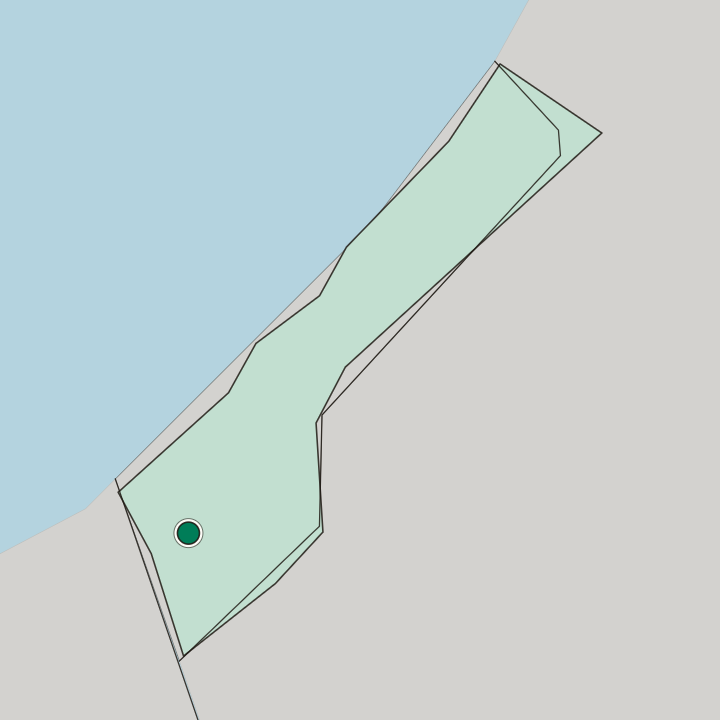
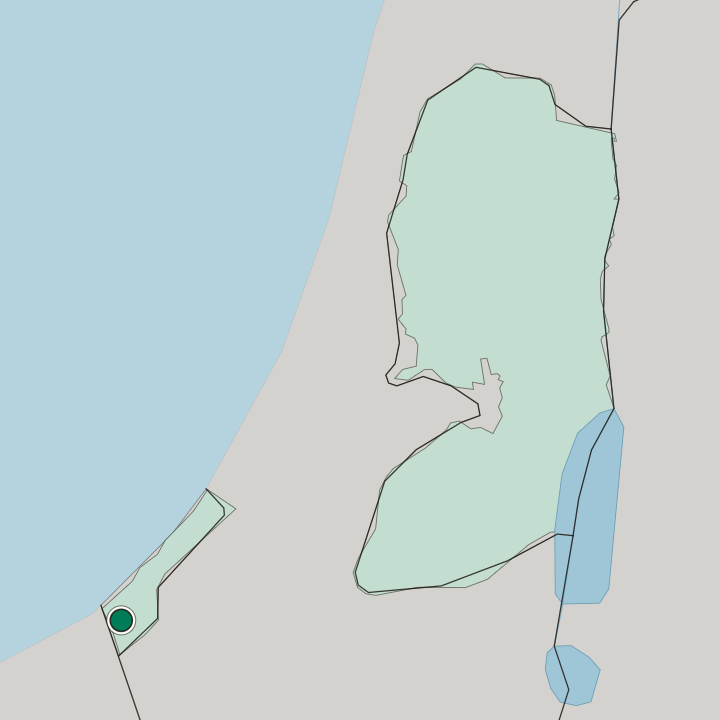
Rafah lies on the coastal plain of the southern Gaza Strip, the seat of the Rafah Governorate near the Mediterranean shore. It sits south-west of Gaza City. Flat coastal ground runs across the town toward the sea, and the two ancient mounds of Tel Zourob and Tell Ridan rise from that plain at the edges of Rafah.
The Mediterranean sets the seaward side, and the compact town spreads over a low stretch of the plain on the southern edge of the Strip.
What is the climate of Rafaḩ?
Rafah has a warm subtropical climate, shaped by its place on the coastal plain near the Mediterranean. Summers run long, hot, and dry. Milder, wetter winters follow, when most of the year's rain reaches the southern Gaza Strip off the sea.
The coastal setting keeps hard frost away from the plain, and the Mediterranean moderates the summer heat across the low ground around Rafah through much of the year.
How do you get to Rafaḩ?
Rafah sits on the coastal plain at the southern edge of the Gaza Strip, and travel reaches it overland along the low coast. The plain guides the routes. Roads run the length of the narrow territory from Gaza City in the north down toward the Rafah Governorate seat, threading past the ancient mounds of Tel Zourob and Tell Ridan at the edges of the town.
The Mediterranean lies to the west, closing off that side, so land approaches follow the coastal plain toward Rafah.
More cities in Gaza Strip
Updated September 2026