Palestine
Gaza Strip, Palestine — Towns & Travel Guide
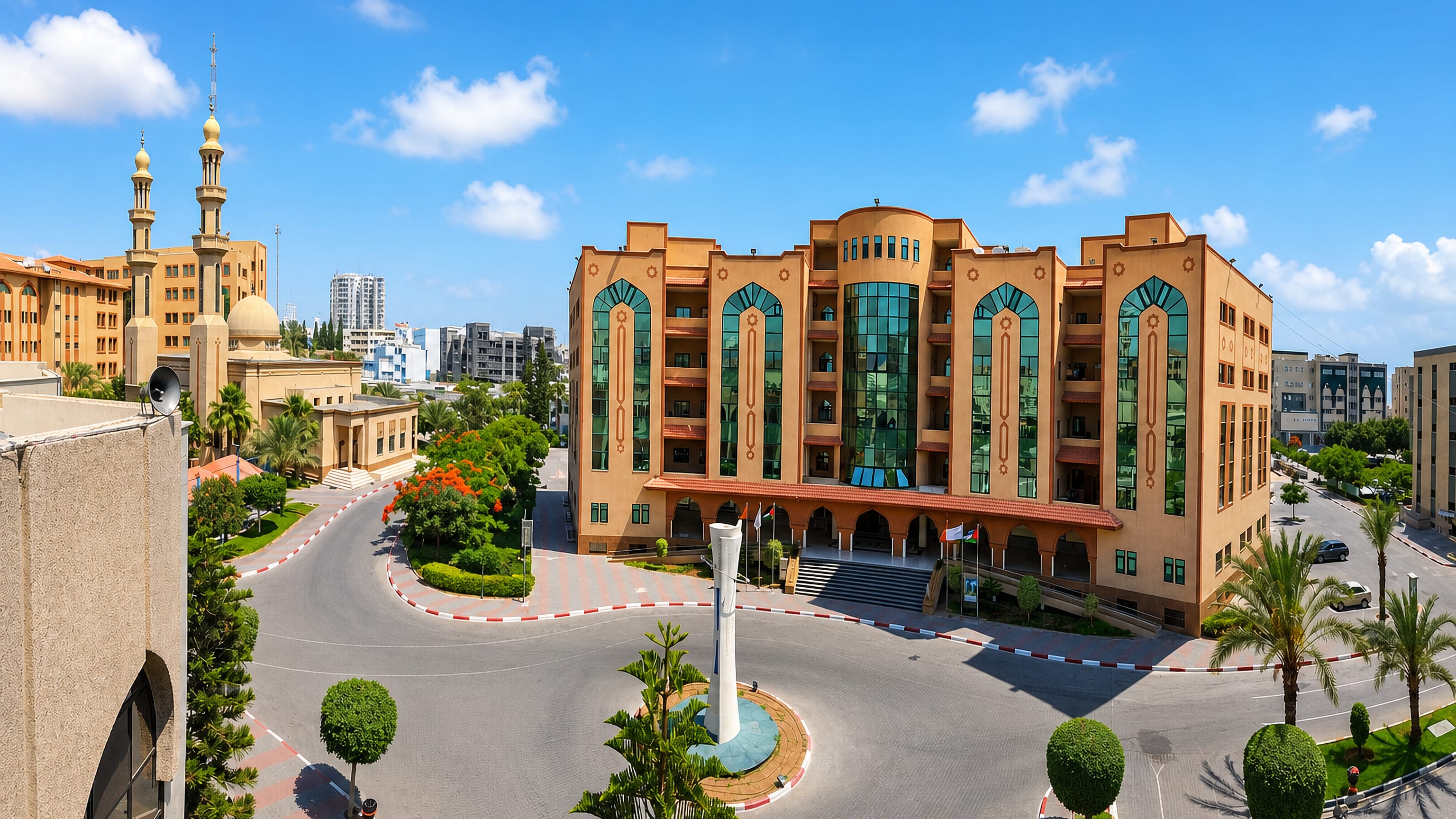
The Mediterranean washes the Gaza Strip, a narrow Palestinian territory between Egypt and Israel, with Gaza City at its heart.
Find your area →


Towns & cities in Gaza Strip
Pick a town or city — each links to where to stay.
 Palestine
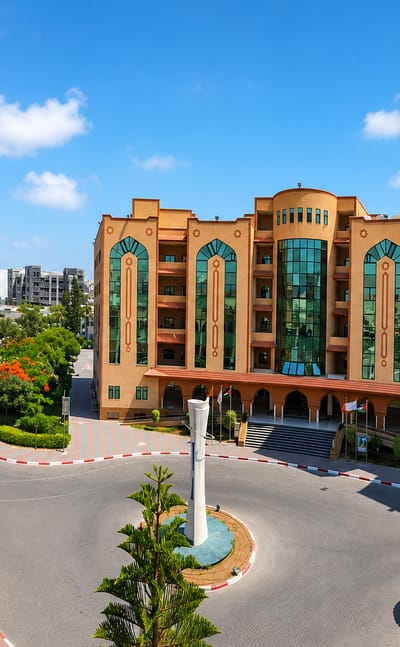
Gaza
The Mediterranean edges the shore at Gaza, the largest city of the Gaza Strip, known for the Church of Saint Porphyrius and Tell Ali Muntar.Where to stay →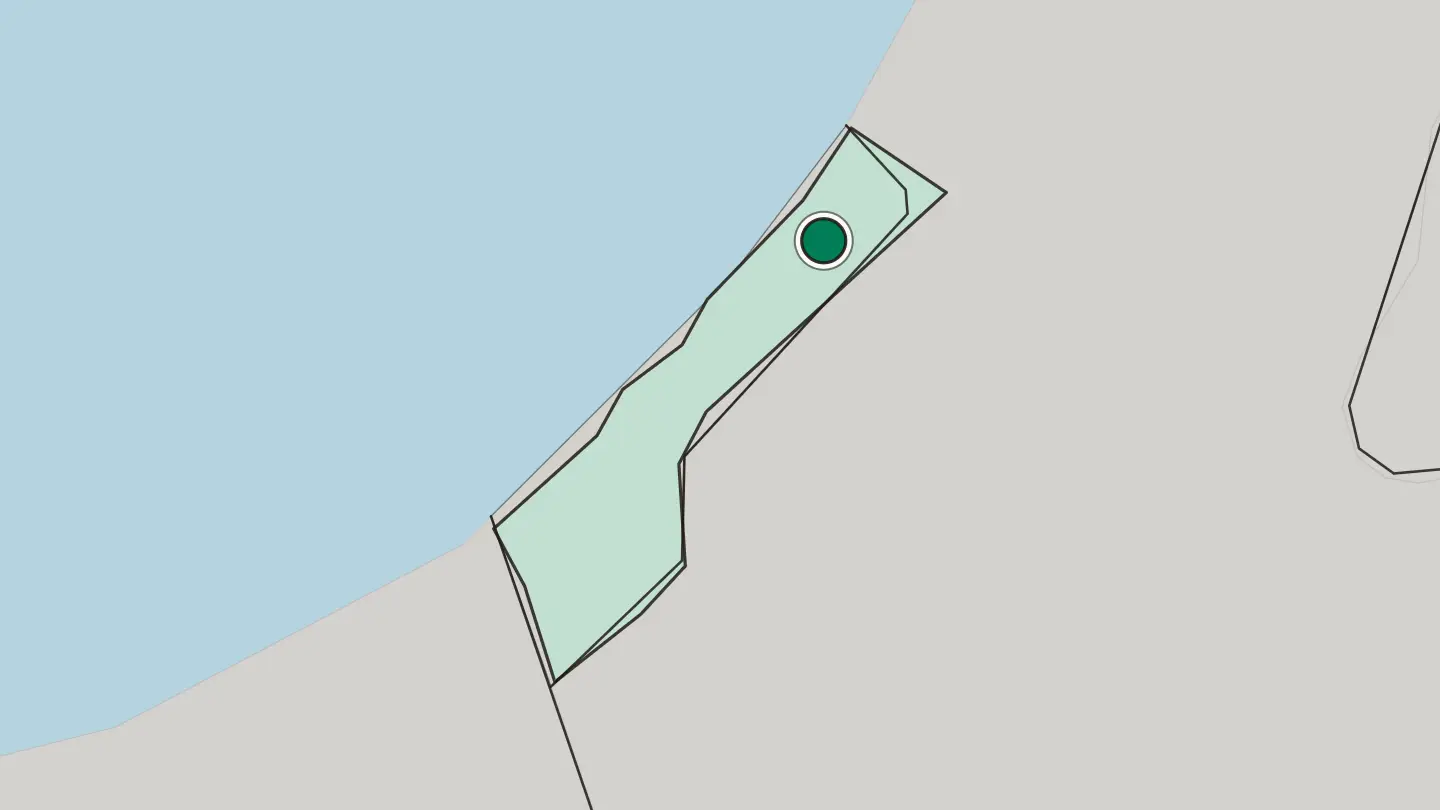 Palestine
Jabālyā
Jabālyā lies four kilometres north of Gaza City; its municipality takes in the town of Nazla and the Jabalia refugee camp.Where to stay →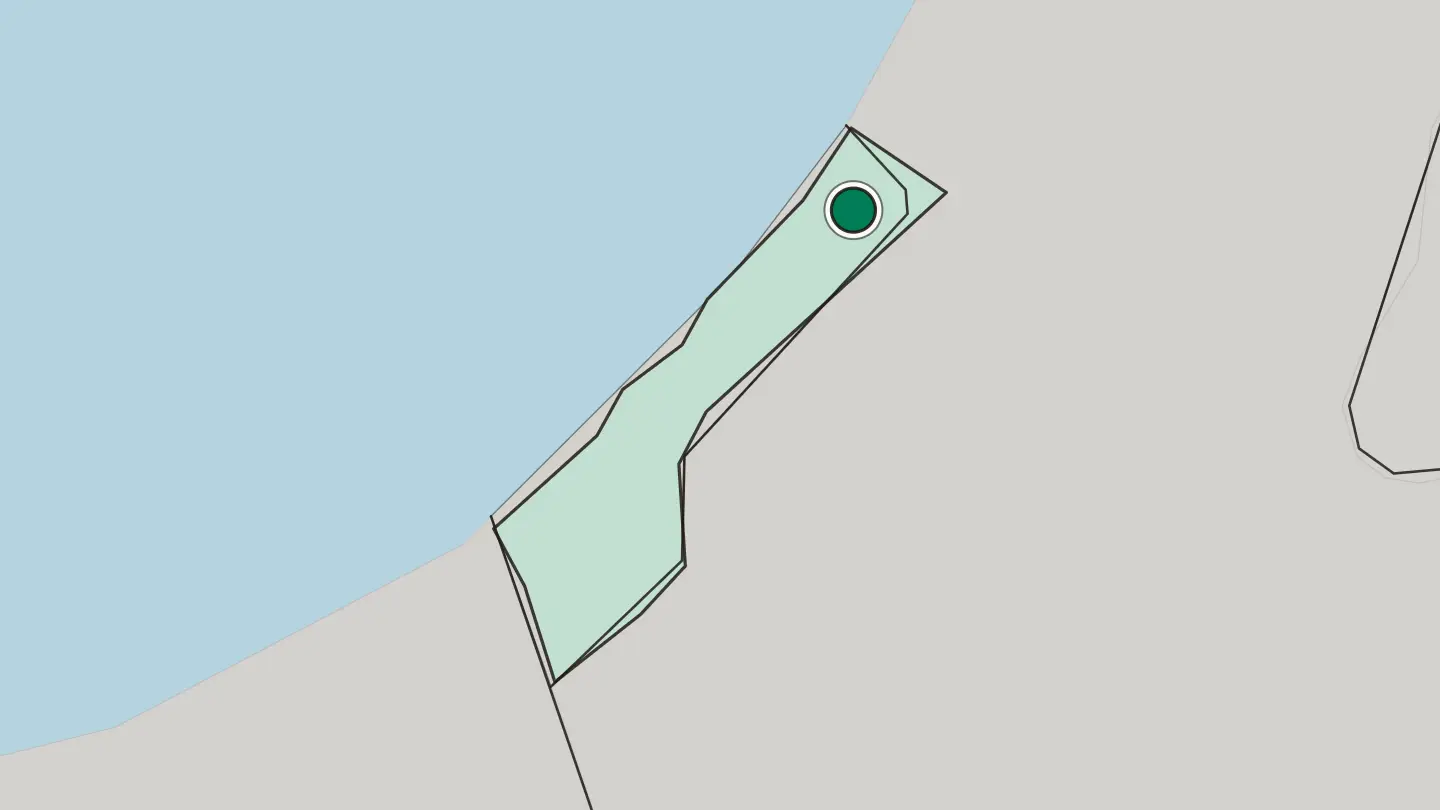 Palestine
Rafaḩ
Rafah stands on the coastal plain of the southern Gaza Strip, seat of the Rafah Governorate, marked by the ancient mounds of Tel Zourob and Tell Ridan.Where to stay →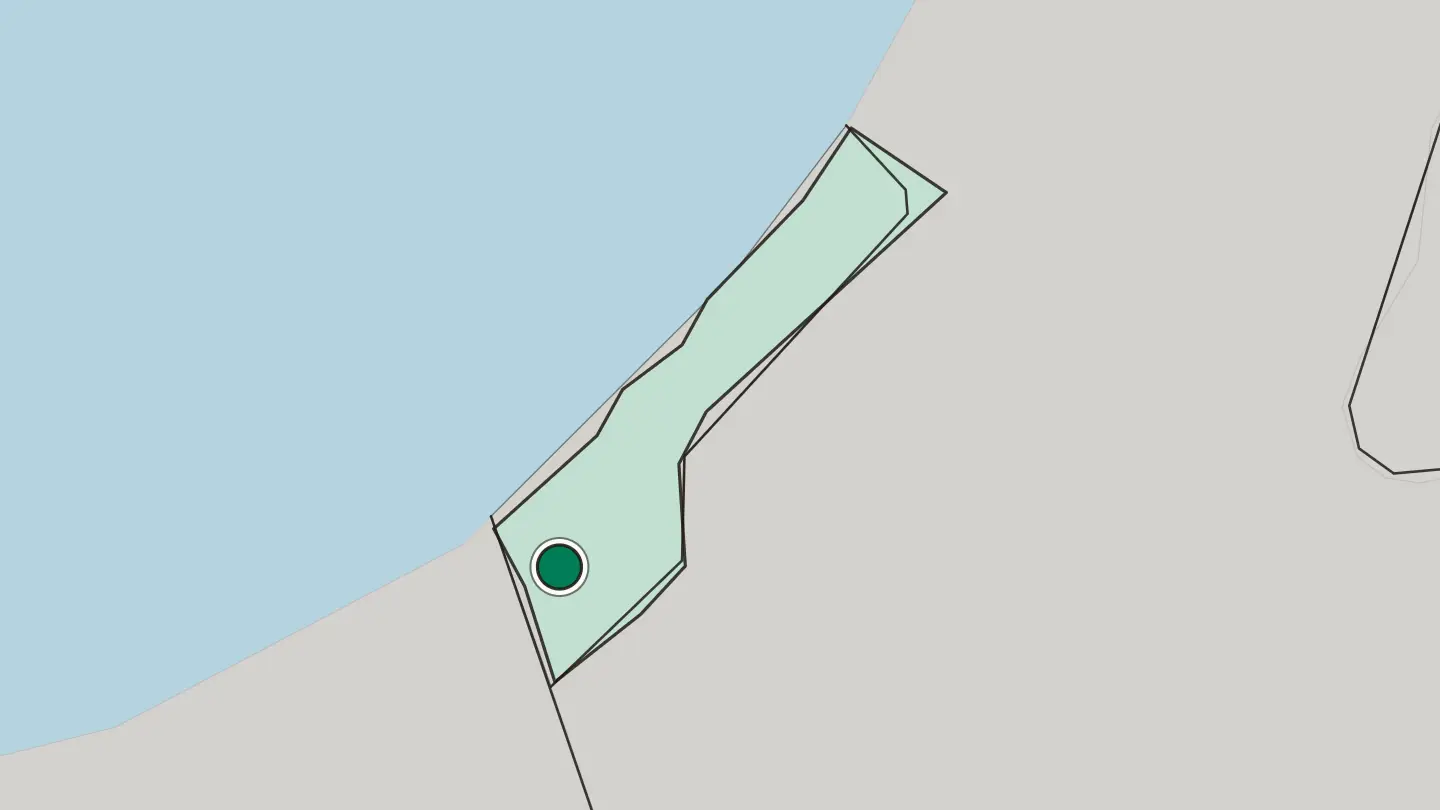 Palestine
Dayr al Balaḩ
Dayr al Balaḩ takes its name from its date palms, a governorate capital in the centre of the Gaza Strip, south of Gaza City.Where to stay →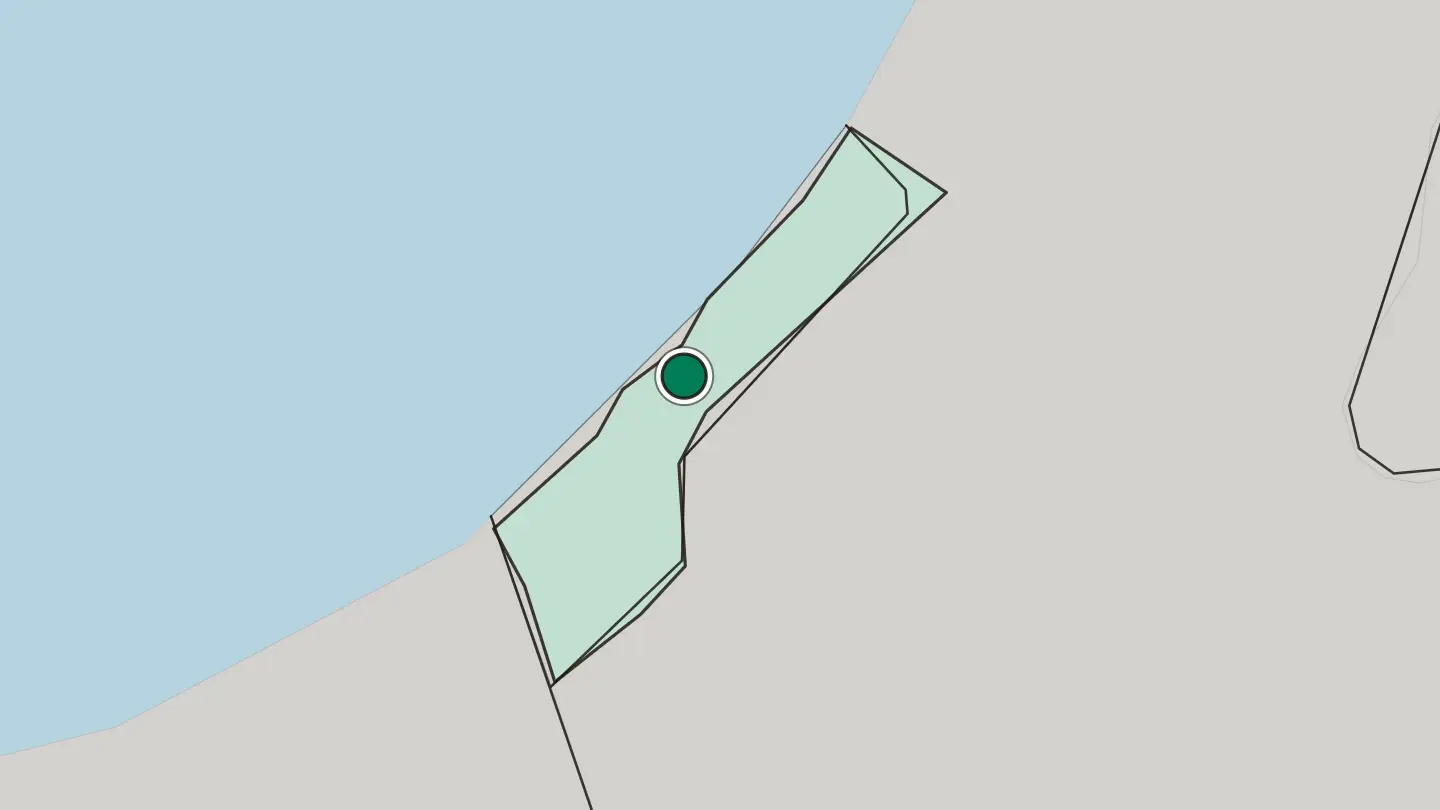 Palestine
Bayt Lāhyā
Bayt Lāhyā stands north of Jabalia and next to Beit Hanoun, a town of the North Gaza Governorate near the border with Israel.Where to stay →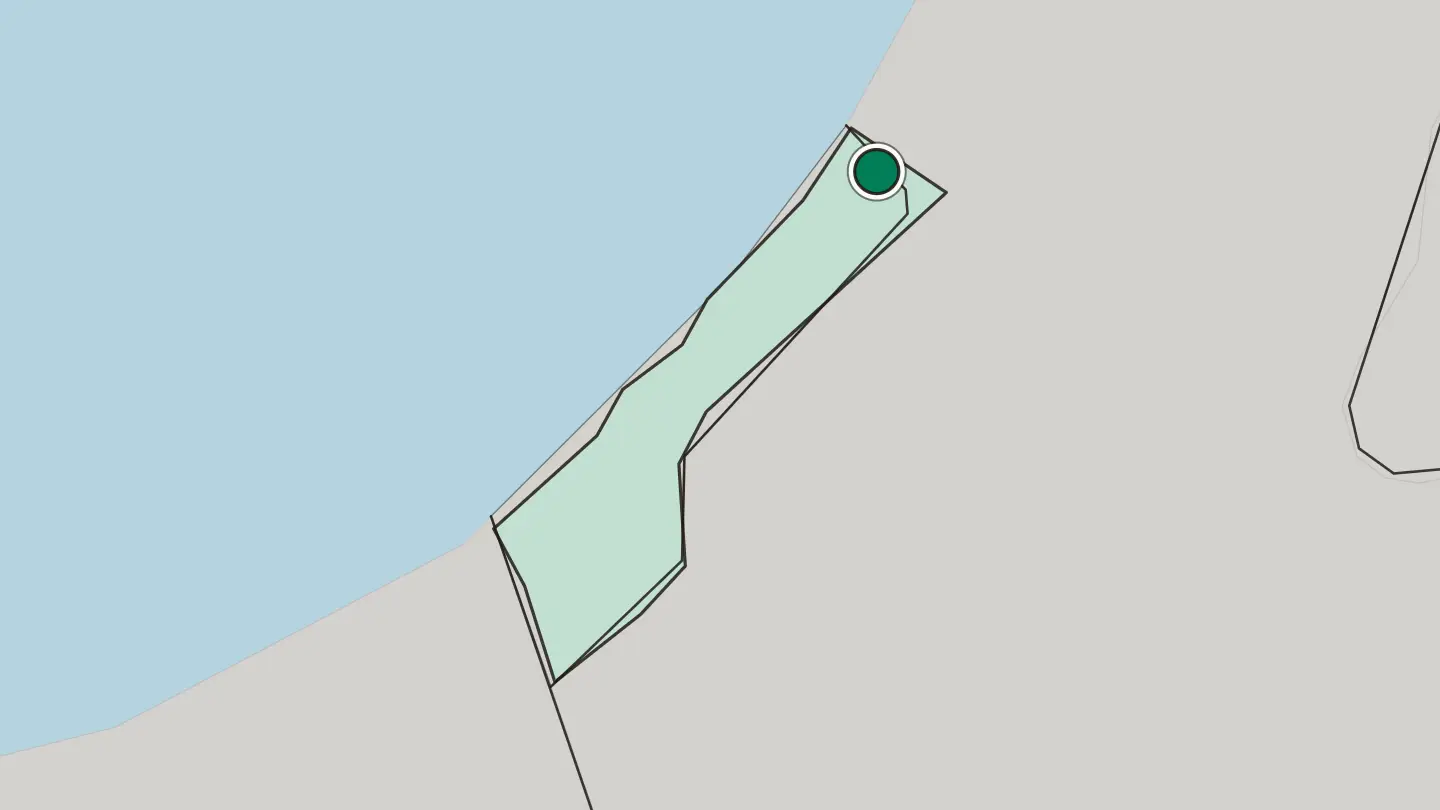
About Gaza Strip
What is Gaza Strip known for?
The Gaza Strip is known as the smaller of the two Palestinian territories, a coastal band on the Mediterranean Sea. Gaza City is its capital. Egypt lies along its south-west and Israel along its east and north, and the Gaza Strip forms part of the State of Palestine in the Southern Levant.
Where is Gaza Strip?
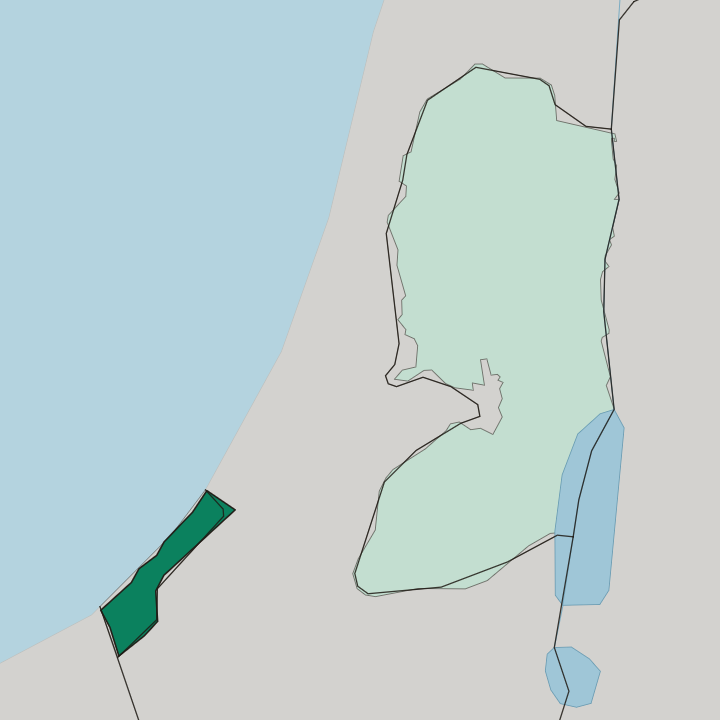
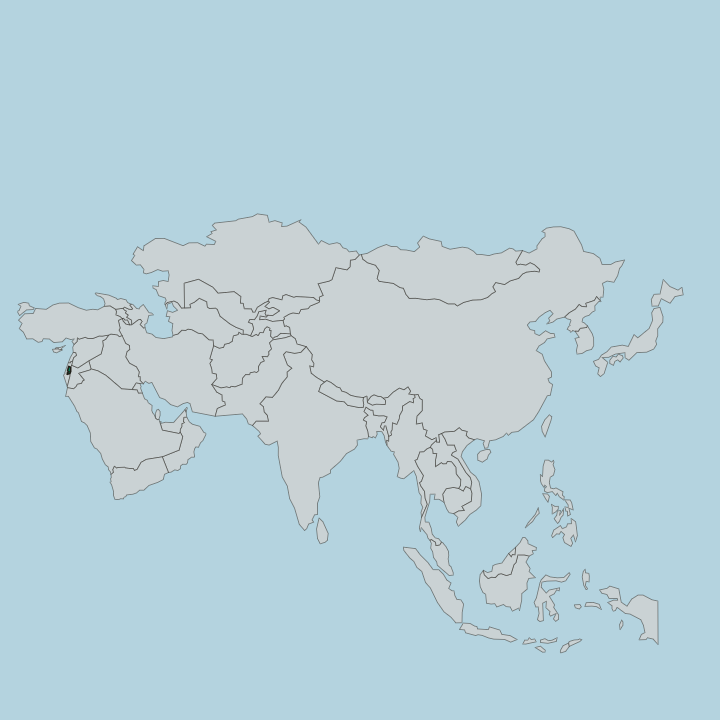
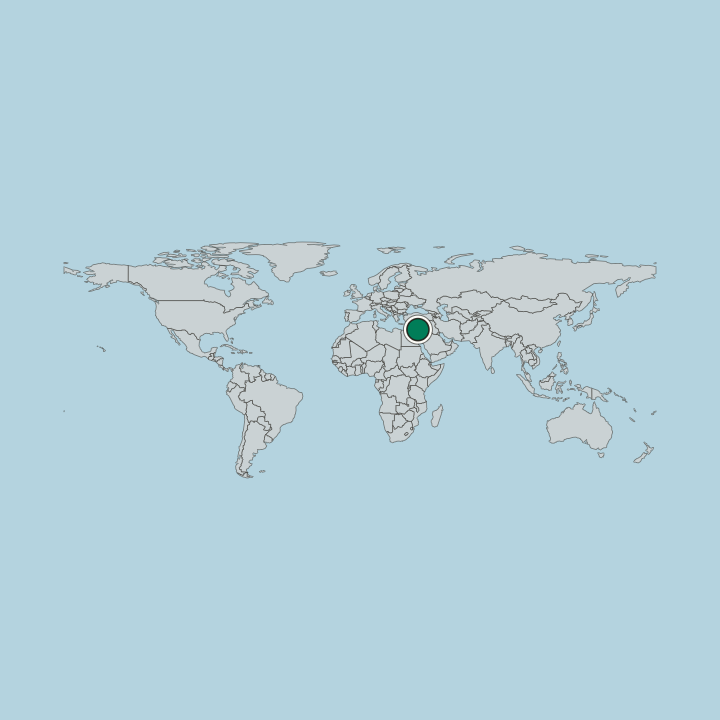
The Gaza Strip is a narrow coastal band on the eastern shore of the Mediterranean Sea, one of the two Palestinian territories of the State of Palestine. This territory is a slender one. The land runs as a thin strip along the sea, bordered by Egypt to the south-west and by Israel to the east and the north, with the Mediterranean forming its whole western edge.
The sea is always close. There is no other coast. Within the Southern Levant of West Asia, it stands apart from the West Bank, the larger Palestinian territory that lies inland beyond Israel.
Its whole character comes from the sea. The Mediterranean shapes everything about the strip. The subtropical warmth of the Middle East gives the Gaza Strip long dry summers and mild, wetter winters, tempered along the coast by the breeze off the Mediterranean Sea.
Gaza City sits near the centre of the strip as its capital and its main city. From the Egyptian border in the south-west to the line with Israel in the north, the whole territory measures only a short span, a narrow coastal shelf of the Southern Levant facing the open sea.
What is Gaza Strip like?
The Gaza Strip speaks Arabic, the shared language of this Palestinian territory on the Mediterranean coast. It is a Palestinian land. Its people belong to the wider culture of Palestine and the Southern Levant, bound to the West Bank across the gap by a common language and a common identity, even as the two territories sit apart.
Life here has always faced the sea. The rhythm of the coast runs through the Gaza Strip, from its open shore to the streets of Gaza City. Gaza City gives the territory its focus.
As the capital and main city, it holds the markets and gathering places at the heart of the strip, and the surrounding towns look to it as their centre. Arabic carries the daily life of all of them. The culture of the Gaza Strip is that of a small coastal society within the State of Palestine, separated by borders from Egypt and Israel yet tied by faith and language to the broader world of West Asia and the Middle East.
Distance has shaped a strong local identity. The sea, the language, and the shared Palestinian story hold the territory together along its narrow shore.
What is the history of Gaza Strip?
The Gaza Strip took its present outline in 1949, when the armistice lines of that year set it apart as a distinct territory. Borders made the strip. It later came under Israeli control after the war of 1967, and its status, like that of the wider Palestine, has been the subject of long international dispute.
Gaza City has remained its centre throughout.
What is the climate of Gaza Strip?
The Gaza Strip has a warm subtropical climate softened by the Mediterranean Sea. Across the Gaza Strip the summers stretch long and rainless. The sea keeps the coast milder than the inland Middle East, and the short winter brings what little rain the strip sees before the dry heat settles back over Gaza City.
How do you get to Gaza Strip?
The Gaza Strip is reached only through its land crossings. It stands sealed and apart. As a separate coastal territory between Egypt and Israel, it is entered from the Egyptian side in the south-west or across the boundary with Israel, while the Mediterranean Sea closes the whole western front of the strip.
Another region in Palestine
Updated September 2026