Réunion · Réunion
Where to Stay in Saint-Pierre, Réunion
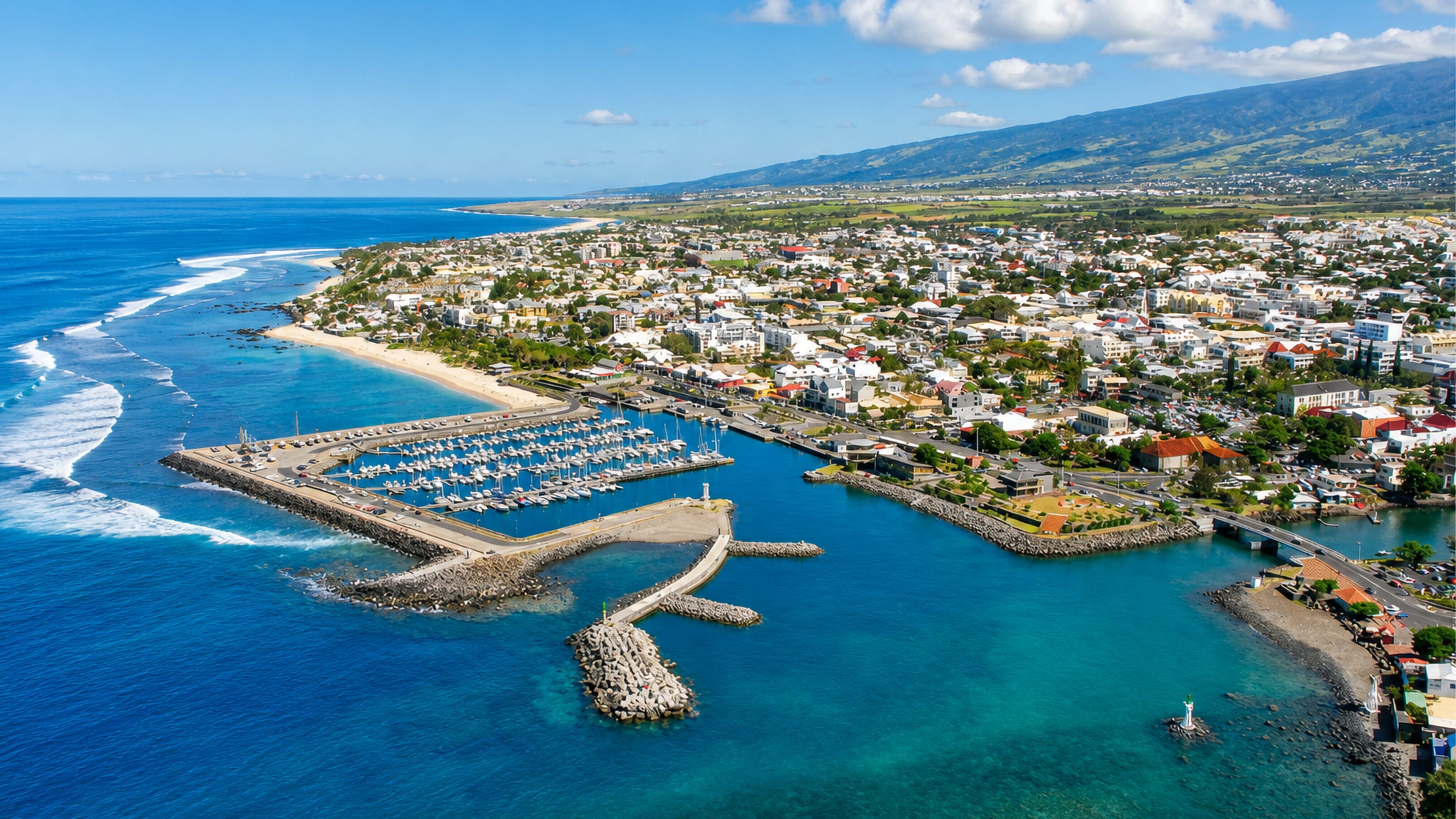
Saint-Pierre is a city of southern Réunion in the Indian Ocean, the main town of the island's south, a Creole port of beaches and rum below a volcano.
Hotel links are affiliate links: booking through them may earn us a commission, at no extra cost to you. It never affects how places are ranked. How this works


Where to stay in Saint-Pierre
Where the beds are, and what that means for the visit.
A stay in Saint-Pierre falls either in the port centre or out along the sand. The centre near the port keeps the Creole market, the seafront, and the old houses within a walk, and staying downtown suits anyone here for the town. The lagoon lies just south.
Palms shade the seafront. Out along the coast and the slopes, the town gives way to the beach at Grand Anse, the cane fields, and the road up to the volcano. A room by the sea trades the streets for the warm lagoon, the black-sand coves, and the green slopes above the shore.
The coast runs west for miles. Stay downtown for the market, or out for the beach. The warm lagoon and the great volcano hold the southern city.
Find hotels in Saint-Pierre
Direct booking searches for these neighbourhoods.
The town centre
Near the portFind hotels in The town centreStays wanting the lagoon and covesThe beach
Along the coastFind hotels in The beachHotel links are affiliate links: booking through them may earn us a commission, at no extra cost to you. It never affects how places are ranked. How this works
Things to do in Saint-Pierre
Ranked by global recognition; descriptions from Wikidata (CC0).
Churches & Religious Sites
2- Église Saint-Pierre-Saint-Paul Heritage
- chapelle Notre-Dame-de-Lourdes de Saint-Pierre Heritage
Stadiums & Sports
1- Stade Michel Volnay
Landmarks & Notable Places
6- Maison Adam de Villiers Heritage
- Maison Orré Heritage
- Maison Motais de Narbonne Heritage
- Maison Loupy Heritage
- Maison Levesque Heritage
Show 1 more →
- Maison Canonville Heritage
worth knowingacross 3 categories in Saint-Pierre
About Saint-Pierre
Saint-Pierre is the southern city of Réunion.
What is Saint-Pierre known for?
On the Indian Ocean coast of the French island, below the great volcano, it grew as a sugar port and a market town, and it keeps the sheltered lagoon and beach of the south, the old sugar estates and rum of the coast, the mixed Creole culture of its people, and the road up to the volcano and the cirques. The warm sea laps the reef. Cane fields climb the slopes.
What are the main landmarks in Saint-Pierre?
The Piton de la Fournaise is the pride of Réunion. The great shield volcano behind Saint-Pierre, one of the most active on earth, is the emblem of the island, out of downtown. A green cirque cuts the heights.
The deep amphitheatre of Cilaos hangs in the mountains inland nearby, while the sheltered beach, the rum distilleries, and the Creole market mark the country around Saint-Pierre.
What is the history of Saint-Pierre?
Saint-Pierre grew on sugar and the sea. The French settled the south of the island and planted the slopes with cane, and a sugar port rose on the coast. The people came from many lands.
Workers came from Africa, Madagascar, India, and China to the estates, and their mingling made the Creole culture of the south. Rum flowed from the cane. The mills and distilleries of Saint-Pierre turned the cane into sugar and rum, and the town shipped them across the sea.
The volcano ruled the interior. Behind the coast rose the great Piton de la Fournaise, one of the most active volcanoes on earth, and the deep green cirque of Cilaos, and Saint-Pierre grew as the city of the south, keeping its beach, its cane, and its Creole ways. The sea still breaks on the reef.
Saint-Pierre keeps its southern city by the ocean.
Where is Saint-Pierre?
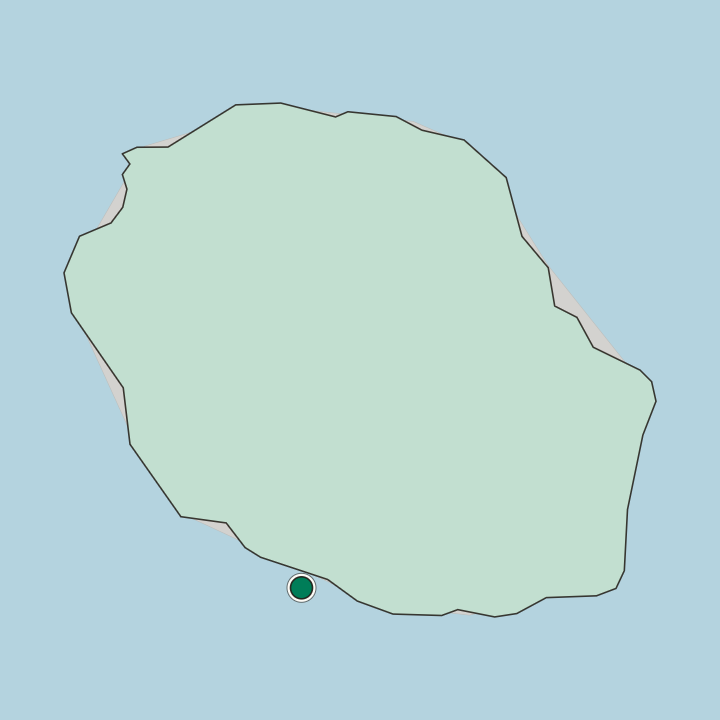
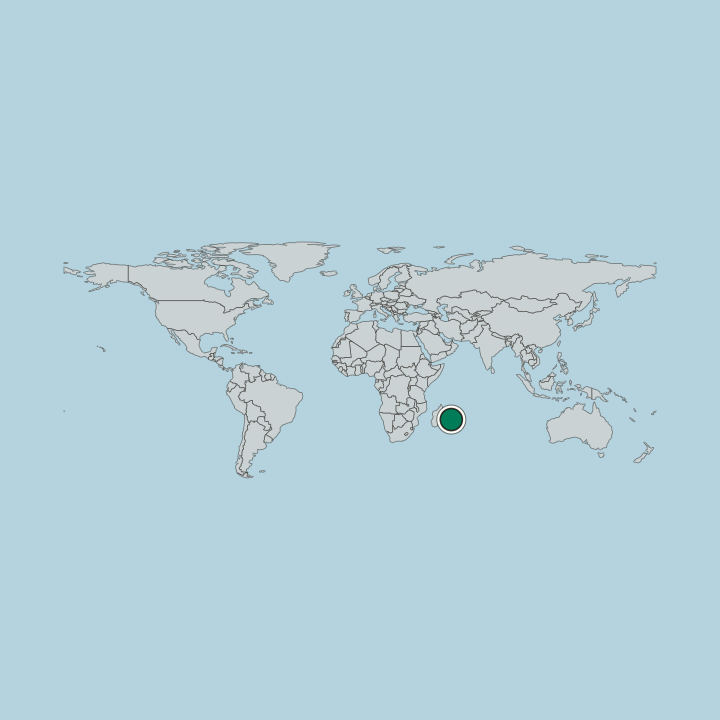
Saint-Pierre lies on the south coast of Réunion, in the Indian Ocean. The city sits on a lava coast by the sea, at the foot of the great shield volcano that fills the island's interior, with the ocean and its reef to the south and the steep green slopes and the Cilaos cirque rising inland to the north. The warm sea breaks on the reef.
Green slopes climb to the peaks.
What is the climate of Saint-Pierre?
Saint-Pierre has a mild, humid tropical climate. Warm weather holds all year on the coast, with trade winds, a warm wet summer, and cyclones off the ocean in the storm season. The trade winds cool the shore.
Cyclones sweep in from the sea.
How do you get to Saint-Pierre?
Saint-Pierre lies on the south coast of Réunion, across the island from the capital. The coast road runs to it from Saint-Denis around the shore, and a small airport serves the south. Boats work the coast.
Saint-Denis lies north over the peaks.
Common questions
What is the best area to stay in Saint-Pierre?
The town centre: Visitors here for the market and the Creole seafront. The beach: Stays wanting the lagoon and coves.
Good for
More cities in Réunion
Updated September 2026