Réunion · Réunion
Where to Stay in Saint-Paul, Réunion
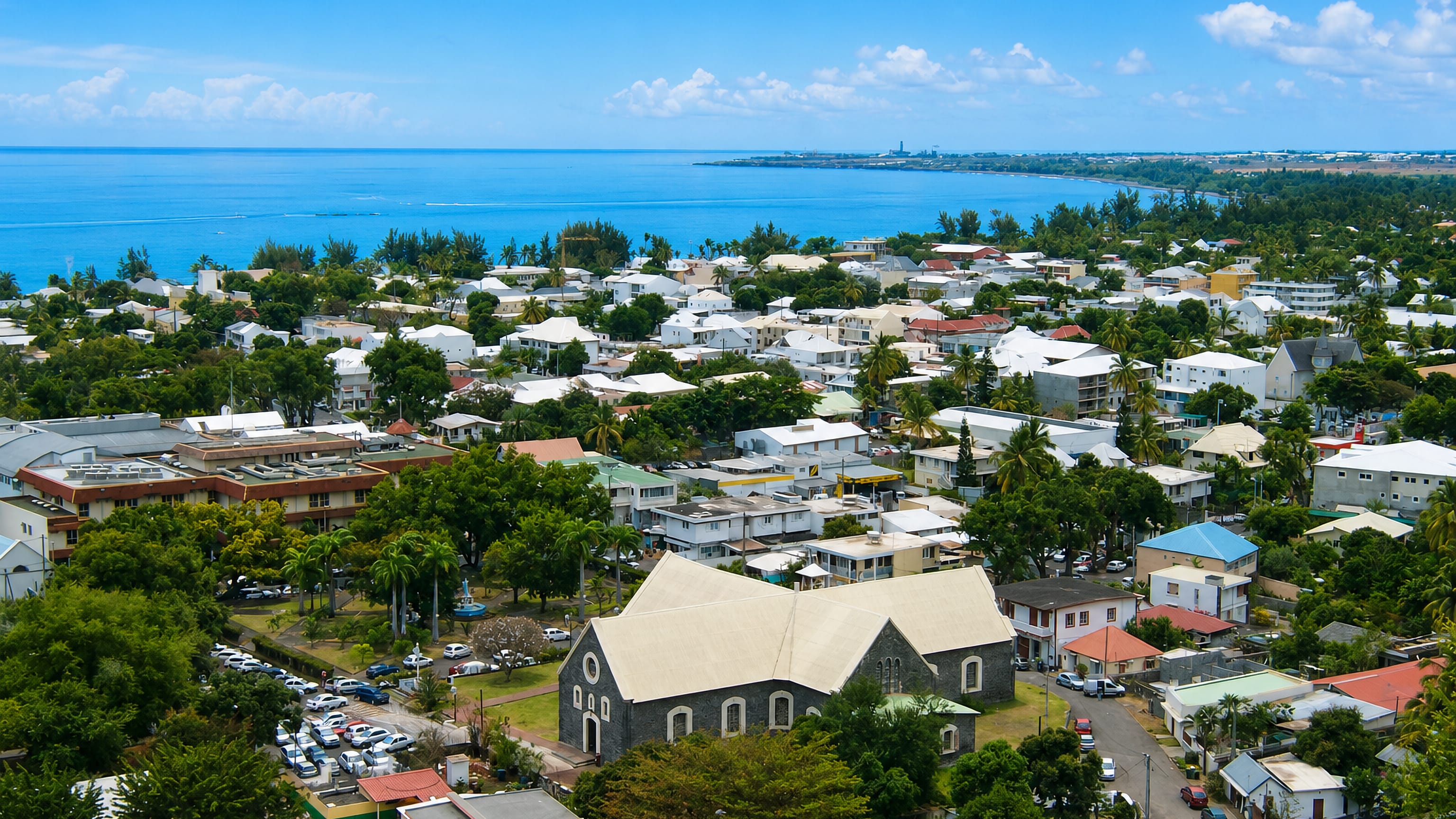
Saint-Paul is the old capital of Réunion, a coastal town on the west of the Indian Ocean island.
Hotel links are affiliate links: booking through them may earn us a commission, at no extra cost to you. It never affects how places are ranked. How this works


Where to stay in Saint-Paul
Where the beds are, and what that means for the visit.
Where you stay in Saint-Paul turns on the town or the lagoon. The old town by the bay keeps the market, the cemetery, and the seafront within a walk, and staying in the centre suits anyone here for the history. The great market fills the seafront.
Rooms look out on the bay. Down the coast at l'Ermitage the lagoon draws the beach crowds. A room by the lagoon trades the old town for the sand, the reef, and the calm warm water.
The green slopes rise past the shore. If you want the market and the history, stay in the town; if you want the beach, take a room at l'Ermitage. Both bases keep the water within easy reach.
Find hotels in Saint-Paul
Direct booking searches for these neighbourhoods.
The old town
By the bay within a walk of the great market and the cemeteryFind hotels in The old townStays wanting the lagoon and the beachL'Ermitage
Down the coast by the l'Ermitage lagoon and reefFind hotels in L'ErmitageHotel links are affiliate links: booking through them may earn us a commission, at no extra cost to you. It never affects how places are ranked. How this works
Things to do in Saint-Paul
Ranked by global recognition; descriptions from Wikidata (CC0).
Churches & Religious Sites
1- Chapelle Pointue Heritage
Stadiums & Sports
2- Plage de l'Ermitage
- Stade Paul Julius Bénard
Landmarks & Notable Places
2- Maison Grande Cour Heritage
- Grande Maison de l'ancien domaine sucrier de Savanna Heritage
worth knowingacross 3 categories in Saint-Paul
About Saint-Paul
What is Saint-Paul known for?
Saint-Paul is the first town of Réunion, where the French landed. On the leeward coast of the island the first settlers came ashore in a great cave, and Saint-Paul became the old capital, and it keeps a famous seaside cemetery where a pirate and a poet lie, and old sugar estates below the volcanic peaks. The lagoon shines along the shore.
History and sea mark the town.
What are the main landmarks in Saint-Paul?
The seaside cemetery draws visitors at Saint-Paul. The old graves by the shore hold the pirate La Buse and the poet Leconte de Lisle, the mark of the town, above the sea. A great cave lies on the coast.
The cave where the first French sheltered opens on the shore, while the Villèle sugar museum and the l'Ermitage lagoon beach mark the coast around Saint-Paul.
What is the history of Saint-Paul?
Saint-Paul is where Réunion began. In the sixteen-sixties the first French settlers came ashore on this coast, sheltering in a great sea cave, and they made Saint-Paul the first town and the capital of the island. Sugar made the coast rich.
Planters cleared the slopes for cane and worked them with slaves and later indentured labourers, and grand estates and mills rose along the shore, whose old chimneys still stand. The town was a haunt of the sea. Ships and pirates once anchored in its bay, and the seaside cemetery holds the grave said to be the pirate La Buse, hanged long ago, near the tomb of the poet Leconte de Lisle, born on the island.
In time the capital moved on. The government crossed to Saint-Denis, and Saint-Paul settled into a quiet coastal town of markets and beaches, keeping its old estates and its cave. The lagoon still draws the crowds.
Saint-Paul keeps its history and its shore on the Indian Ocean.
Where is Saint-Paul?
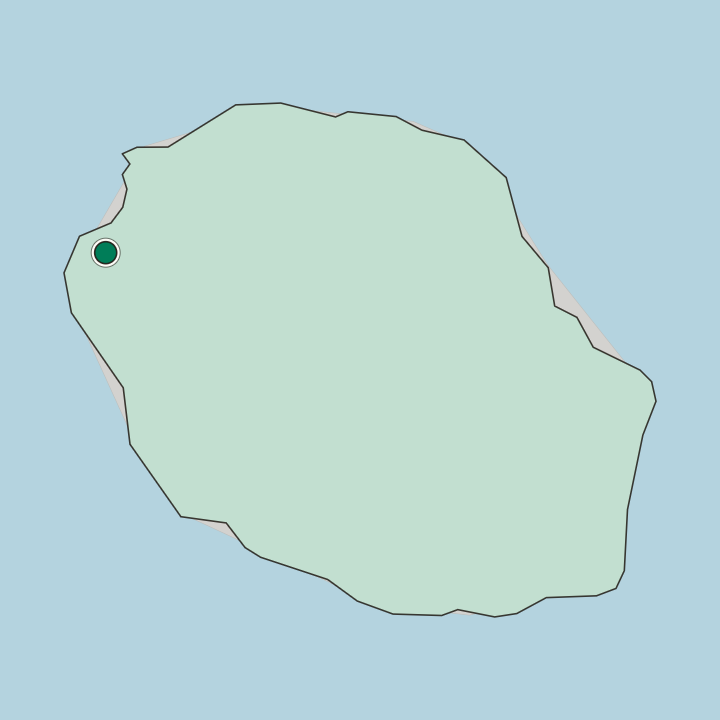
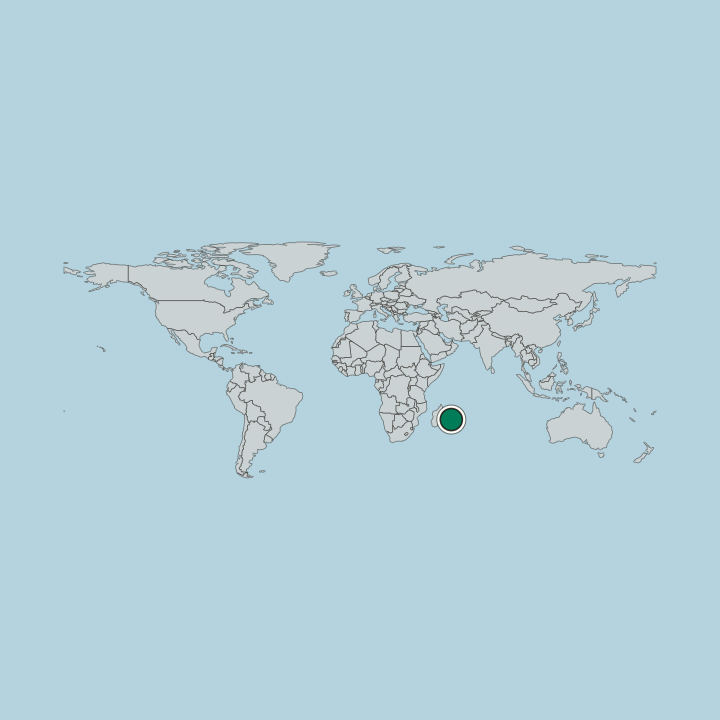
Saint-Paul lies on the leeward west coast of Réunion, in the Indian Ocean. The town sits on a coastal plain between the sea and the steep volcanic mountains, by a broad bay and a lagoon, below the high peaks of the island's heart. Green slopes rise steeply inland.
The blue ocean spreads to the west.
What is the climate of Saint-Paul?
Saint-Paul has a warm, dry tropical climate. Warm all year on the leeward coast, the town stays drier than the windward side, and the summer brings the rains and the cyclones off the ocean, while the winter turns cooler and clear. Sea breezes ease the coastal heat.
The leeward coast stays warm and bright.
How do you get to Saint-Paul?
Saint-Paul lies on the west coast of Réunion, near the capital Saint-Denis. The coast road runs to it around the island from Saint-Denis and the airport, and mountain roads climb inland to the highlands. Local buses call at the towns along the west coast.
Most arrive by road from Saint-Denis.
Common questions
What is the best area to stay in Saint-Paul?
The old town: Visitors here for the market, cemetery, and seafront. L'Ermitage: Stays wanting the lagoon and the beach.
Good for
More cities in Réunion
Updated September 2026