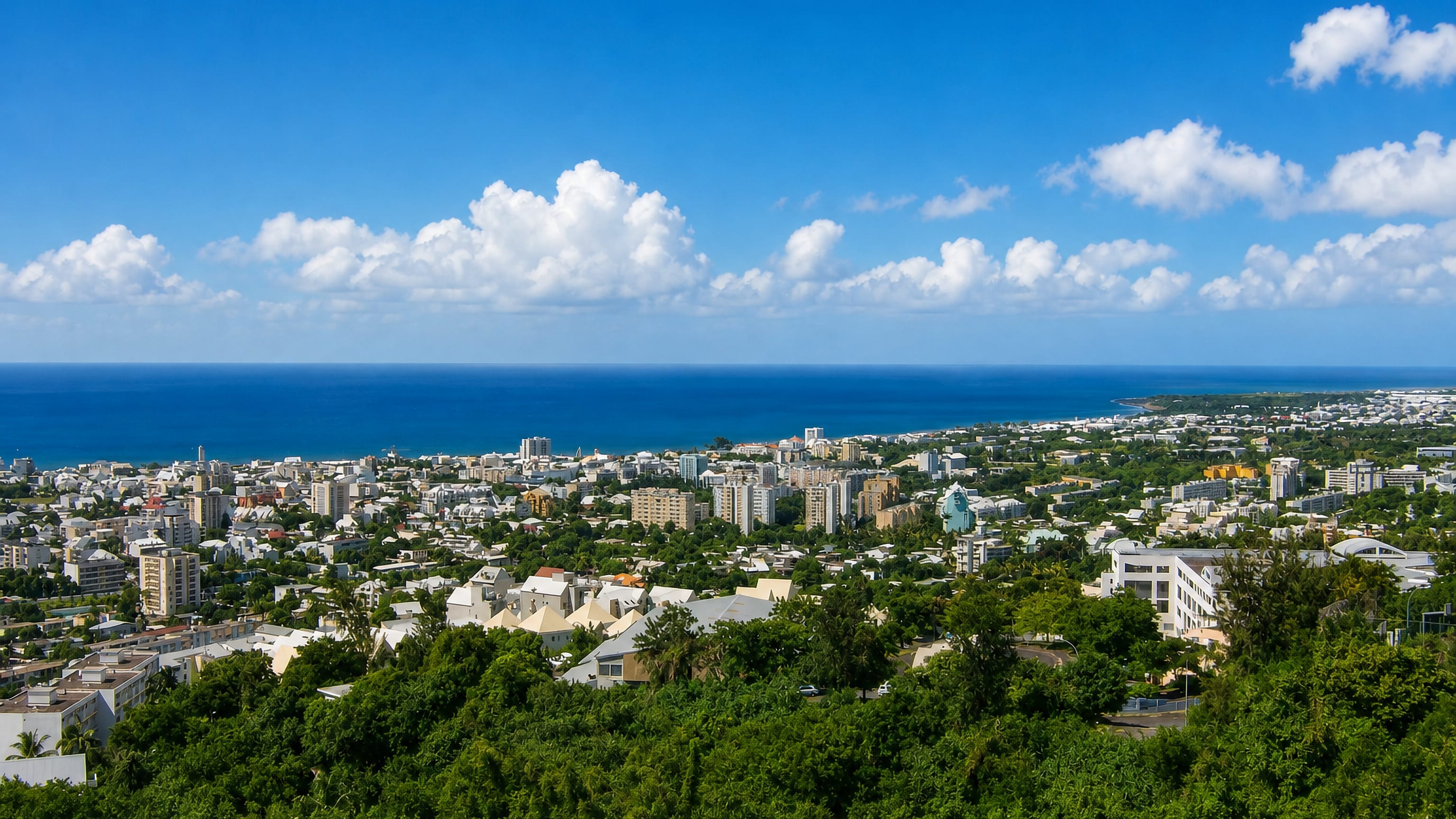
Réunion
Réunion — Towns & Travel Guide
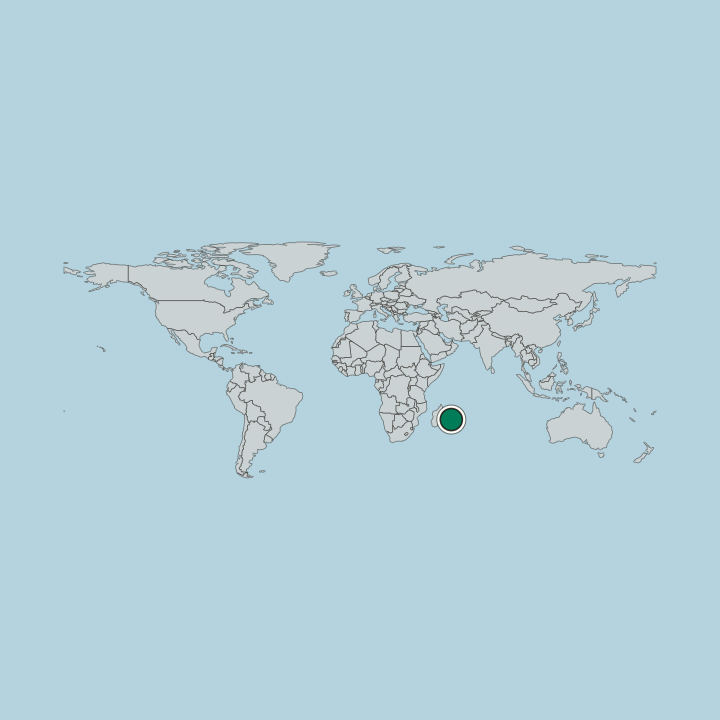
Réunion is a French overseas department in the Indian Ocean, a volcanic island of the Mascarene group lying east of Madagascar.
Hotel links are affiliate links: booking through them may earn us a commission, at no extra cost to you. It never affects how places are ranked. How this works


Towns & cities in Réunion
Pick a town or city — each links to where to stay.

 Réunion
Saint-Denis
Saint-Denis is the capital of Réunion, a French island in the Indian Ocean, set on the north coast below great volcanic peaks.Where to stay →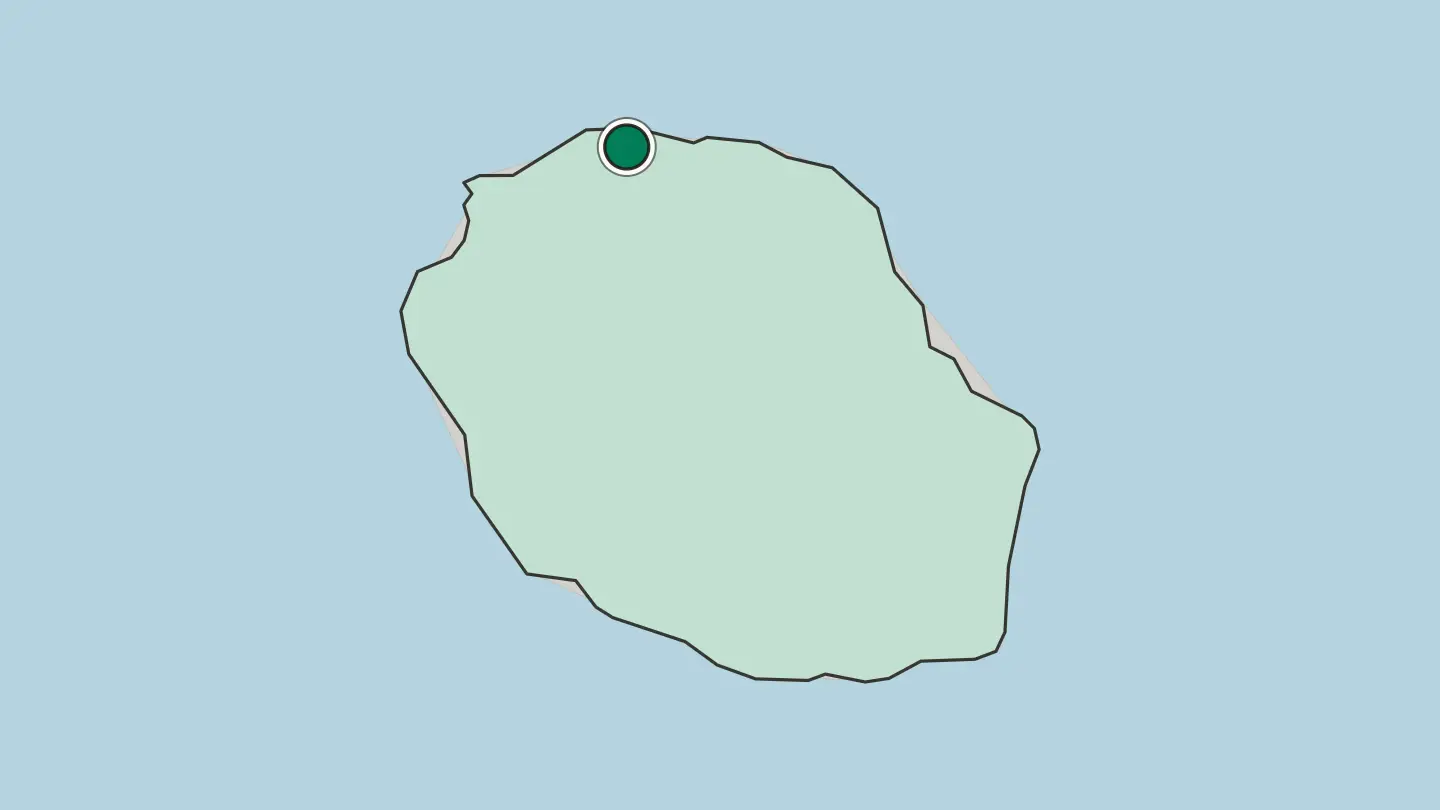
 Réunion
Saint-Paul
Saint-Paul is the old capital of Réunion, a coastal town on the west of the Indian Ocean island.Where to stay →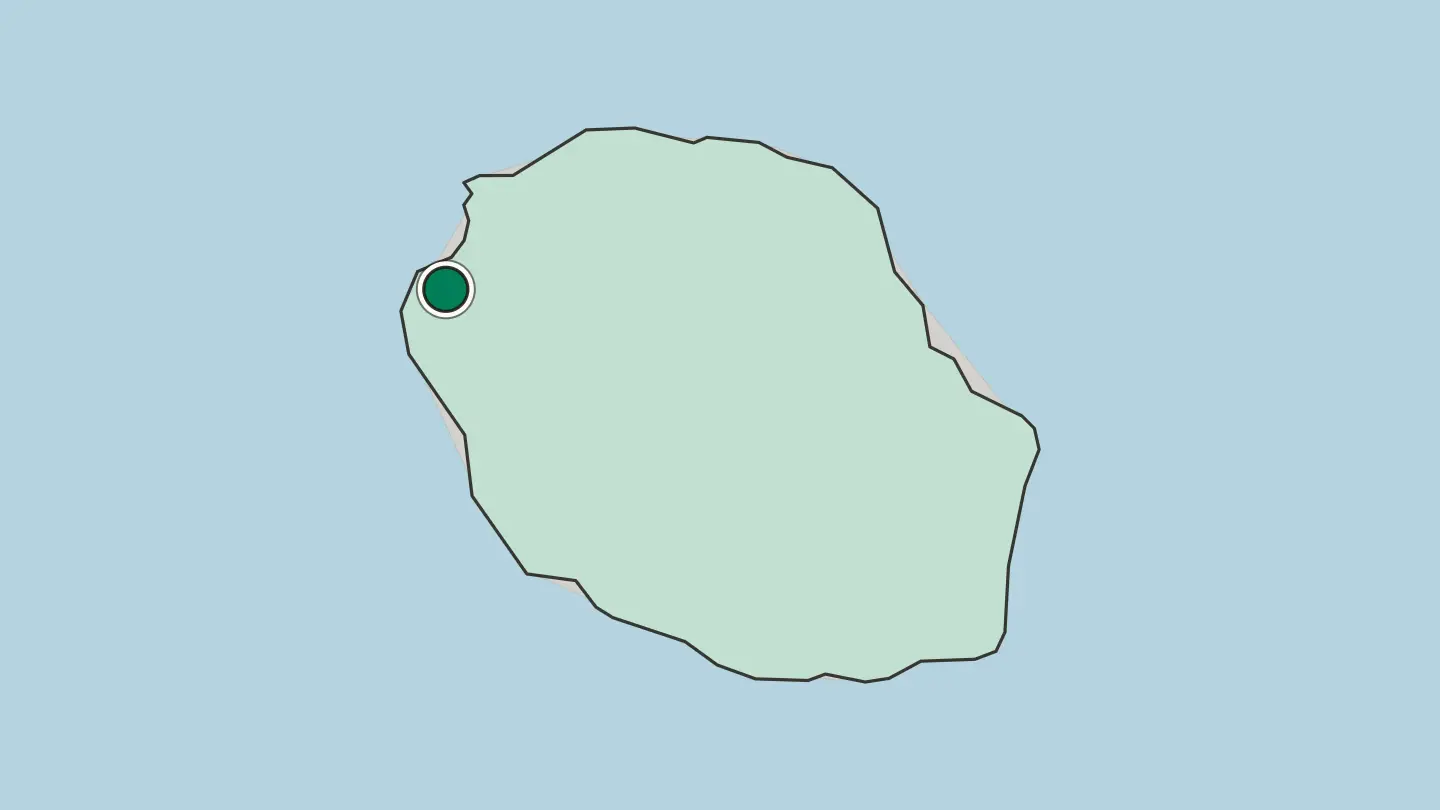
 Réunion
Saint-Pierre
Saint-Pierre is a city of southern Réunion in the Indian Ocean, the main town of the island's south, a Creole port of beaches and rum below a volcano.Where to stay →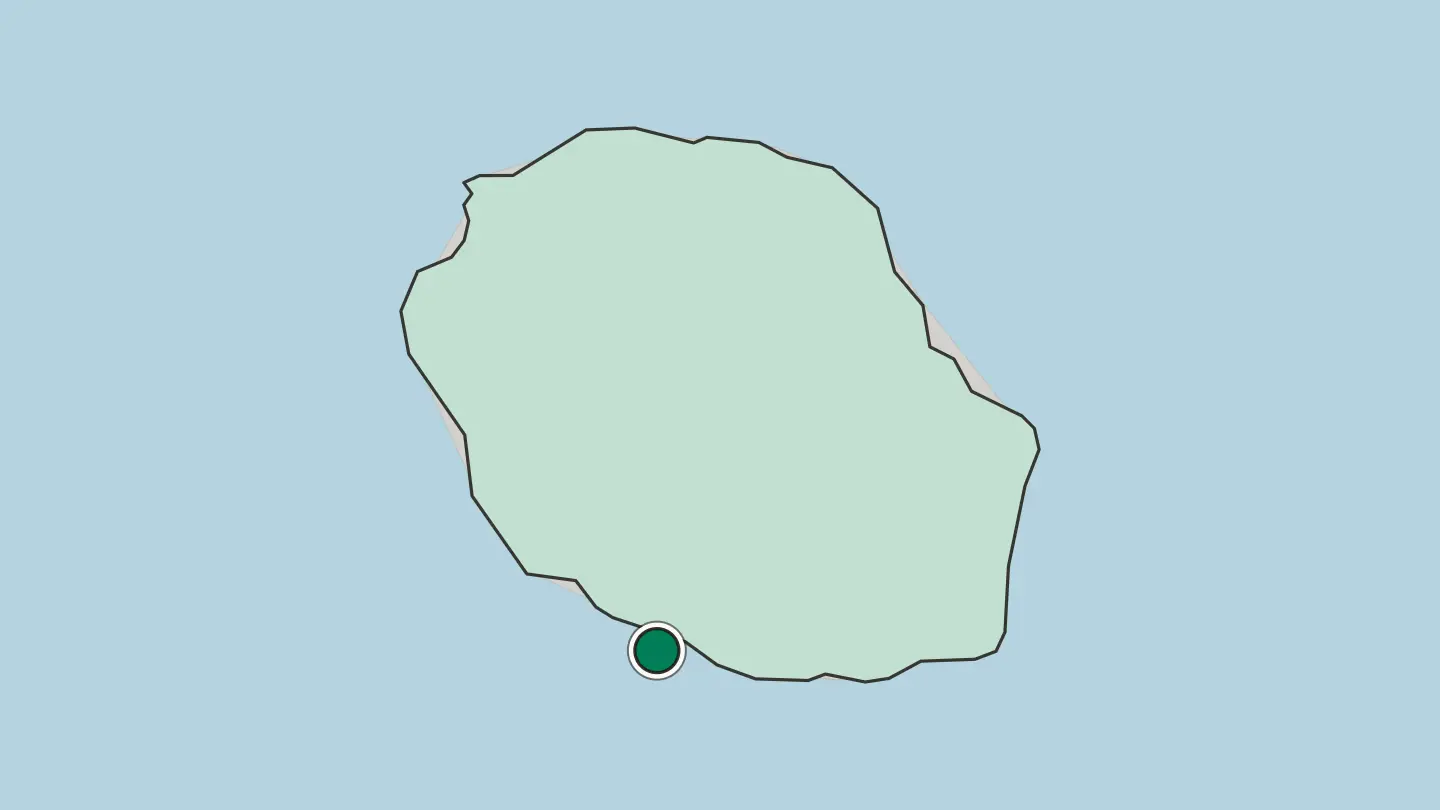
Hotel links are affiliate links: booking through them may earn us a commission, at no extra cost to you. It never affects how places are ranked. How this works
About Réunion
Volcanic ground and open sea.
What is Réunion known for?
Réunion rises out of the Indian Ocean as one of the Mascarene Islands, its interior mountainous and its coast carrying white sandy beaches, so the island is visited for its high country as much as for its shoreline. France governs it directly. The island is an overseas department and region of France, with Saint-Denis as its capital and largest city.
Older names still surface: Réunion was once known as the Isle de Bourbon and the Isle Bonaparte, with Bourbon recorded as an official form.
Where is Réunion?
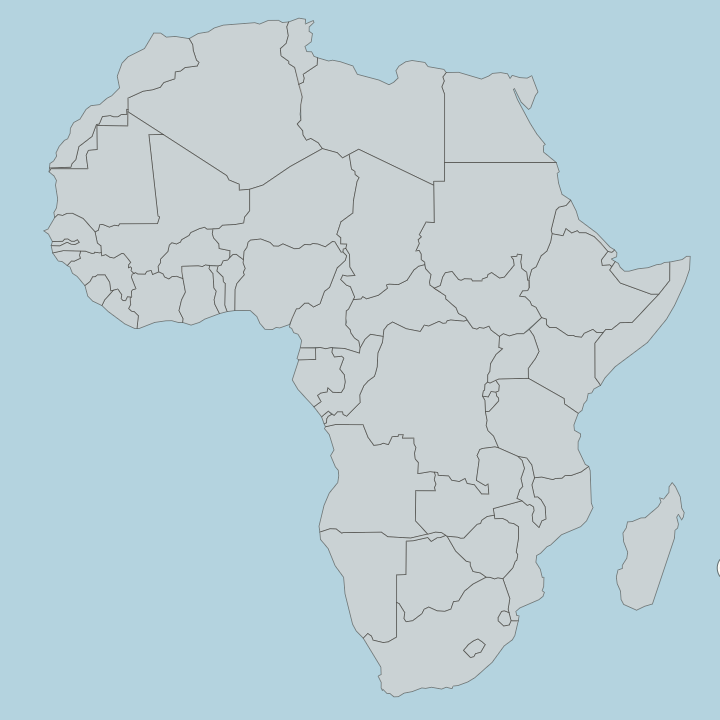
Réunion is a single island. It stands in the Indian Ocean as part of the Mascarene Islands, east of the island of Madagascar and south-west of Mauritius, with open water in every direction and no land bridge to anywhere. Volcanic rock built it.
The landscape that resulted is mountainous through the middle and edged by white sandy beaches, so a short drive can take a traveller from sea level into high country. Distance defines the position. Madagascar lies to the west across a wide stretch of the Indian Ocean, Mauritius is the nearer neighbour, and beyond them the island's administrative ties run all the way to France.
Saint-Denis anchors the island. The capital and largest city gives Réunion its administrative centre, and everything else on the island is measured against the distance to it and to the mountain country inland. Réunion's coastline carries the beaches, the interior carries the relief, and the boundary between them is short enough that the two belong to the same day rather than to separate trips.
The Indian Ocean does the rest, setting Réunion apart from the East African coast it is counted with.
What is Réunion like?
French is the language of the island. Réunion is a department and region of France in full, so its administration, its institutions and its public life run on the same terms as any other part of the French state, only several thousand kilometres away. The names record older allegiances.
Before it was Réunion the island was the Isle de Bourbon, and it also carried the name Isle Bonaparte, with Bourbon still recorded as an official form. Saint-Denis is where that public life concentrates. The capital and largest city holds the island's institutions, and a visitor's first contact with Réunion is usually made there rather than in the mountain country inland.
Geography pulls the other way from the paperwork. France is far off, while Madagascar and Mauritius are the near neighbours and the island is counted within the African region, so Réunion answers to a distant capital while sitting among the Mascarene Islands. Island life sets the rhythm.
Beaches on one side and volcanic high ground on the other give the island two settings that shape how people live, work and travel across it.
What is the history of Réunion?
The department dates from 1946. That is the year recorded for Réunion's standing as an overseas department of France, the legal form under which the island has been governed since. The names came earlier.
Isle de Bourbon and Isle Bonaparte both belonged to the island before the present name settled on it, and Bourbon survives in the record as an official form of the name.
What is the climate of Réunion?
The Indian Ocean sets the terms. Réunion lies in the tropics, so its warmth is fairly constant and its seasons turn on rain and wind off the ocean rather than on temperature. Height changes it quickly.
The volcanic interior stands well above the coast, and conditions on the mountain ground differ sharply from those on the white sandy beaches an hour or two below.
How do you get to Réunion?
Everything comes by sea or air. Réunion is an island in the Indian Ocean with no land connection to anywhere, so arrival means a flight or a boat, and the routes that matter run to France and to the neighbouring islands. Mauritius is the nearest neighbour.
Madagascar lies further off across open water, and both are close enough to make Réunion part of a wider Indian Ocean itinerary rather than a destination reached only from Europe. Saint-Denis is where most arrivals begin.
Common questions
What is the best area to stay in Réunion?
Saint-Denis: first nights on Réunion and arranging the onward journey. The volcanic interior: walking weeks in the mountain country of the Mascarene Islands. The beach coast: stays fixed on Réunion's white sandy beaches.
Good for
Updated September 2026